
Long Read Sequencing Market Report by Technology (Single-Molecule Real-Time Sequencing (SMRT), Nanopore Sequencing), Product (Instruments, Consumables, and Others), Application (Whole Genome Sequencing, Epigenetics, RNA Sequencing, Targeted Sequencing, and Others), End Use (Academic and Research Institutes, Hospitals and Clinics, Pharma and Biotech Companies, and Others), and Region 2026-2034
Market Overview:
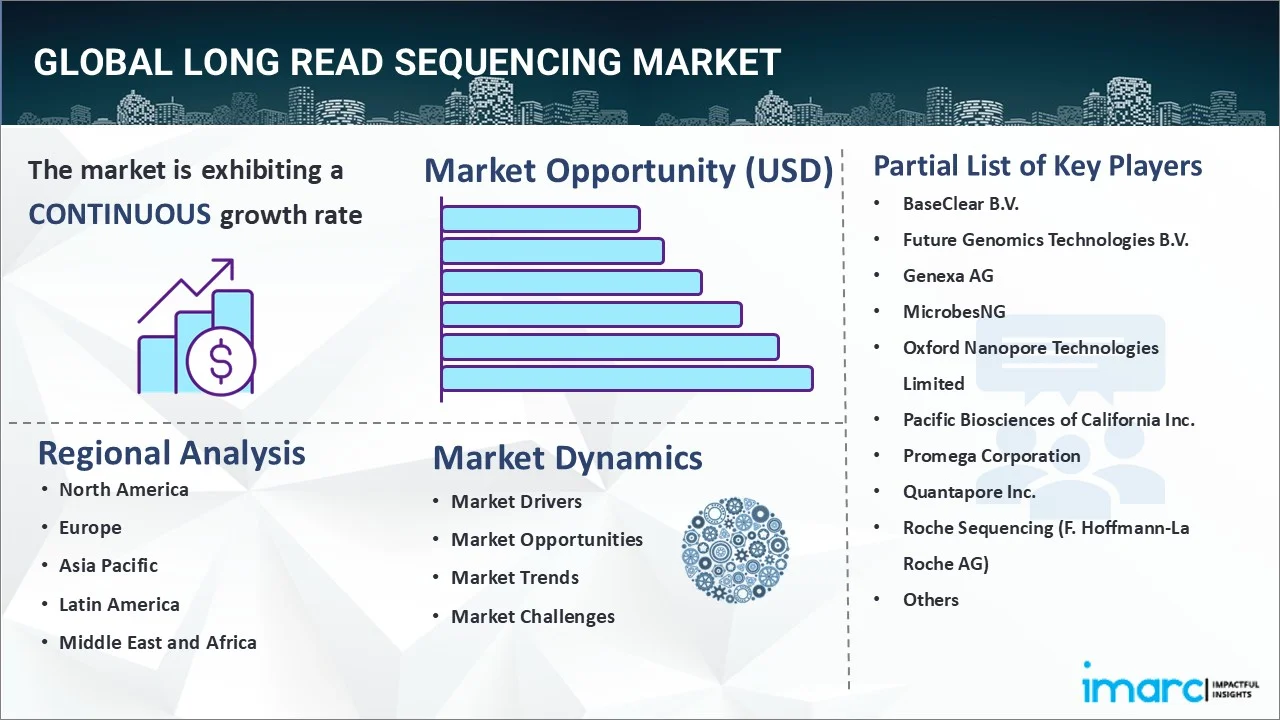
The global long read sequencing market size reached USD 906.5 Million in 2025. Looking forward, IMARC Group expects the market to reach USD 13,542.8 Million by 2034, exhibiting a growth rate (CAGR) of 34.00% during 2026-2034.
|
Report Attribute
|
Key Statistics
|
|---|---|
|
Base Year
|
2025 |
|
Forecast Years
|
2026-2034
|
|
Historical Years
|
2020-2025
|
| Market Size in 2025 | USD 906.5 Million |
| Market Forecast in 2034 | USD 13,542.8 Million |
| Market Growth Rate (2026-2034) | 34.00% |
Long read sequencing (LRS) improves de novo assembly, mapping certainty, transcript isoform identification, and detection of structural variants. It also eliminates amplification bias while preserving base modifications. On account of these capabilities, LRS finds a broad range of applications in genomics for both model and non-model organisms. Moreover, compared to the next-generation sequencing (NGS) approach, LRS technology produces high-quality genome assemblies, captures clinically relevant genomic elements, and offers improvements in the characterization of genetic variation and regions.
To get more information on this market Request Sample
The rising number of individuals suffering from genetic disorders, along with the increasing acceptance of modern approaches for medical diagnostics, represents one of the key factors bolstering the market growth. The escalating demand for LRS technology can also be attributed to its portability and real-time speed. It is also used to produce an accurate reference map of the centromere of the chromosomes. Apart from this, various biotech companies are developing innovative technologies that combine a new library prep method and genome analysis tools. In line with this, several studies indicate that LRS technology plays a crucial role in discovering novel pathogenic mutations in human diseases with unknown genetic causes. This presents numerous opportunities to researchers for using the technology in whole-genome sequencing (WGS) and enabling advancements in medical genetics. Furthermore, the rising utilization of sequence analysis methodologies in medical institutes for academic purposes, in confluence with the increasing investments in research and development (R&D) activities, is anticipated to drive the market growth further.
Key Market Segmentation:
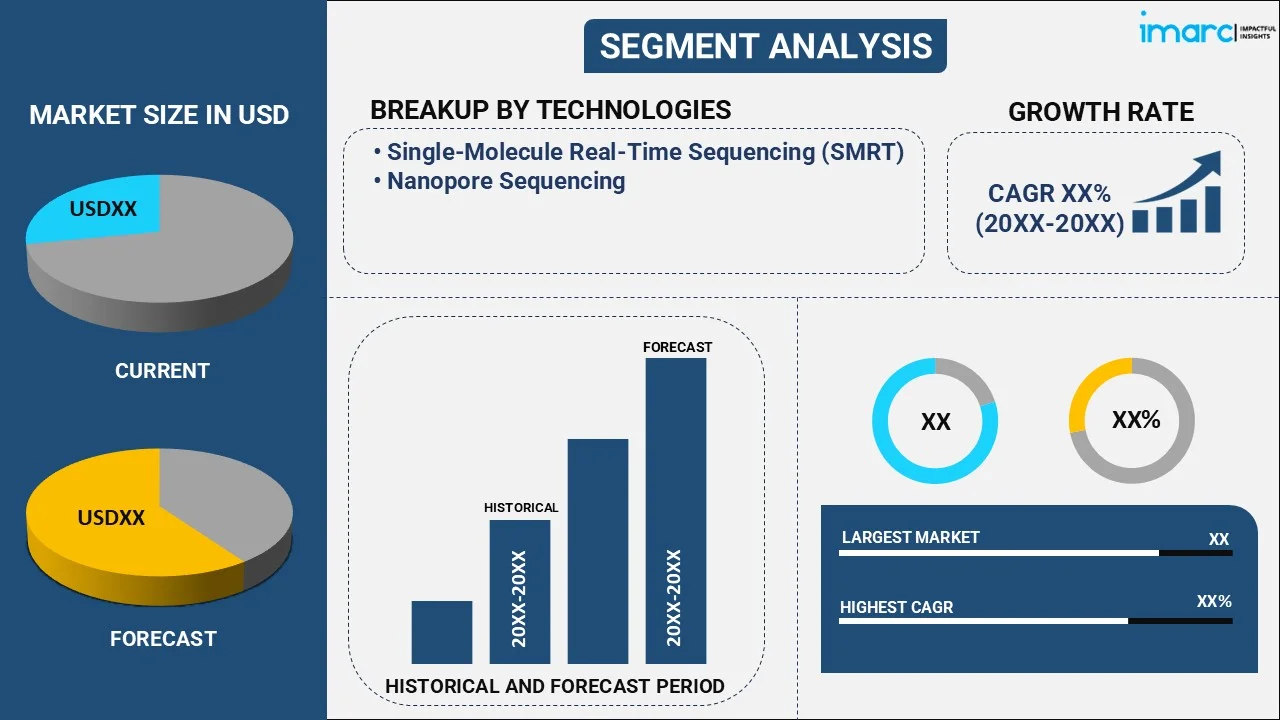
IMARC Group provides an analysis of the key trends in each sub-segment of the global long read sequencing market report, along with forecasts at the global, regional and country level from 2026-2034. Our report has categorized the market based on technology, product, application and end use.
Breakup by Technology:
To get detailed segment analysis of this market Request Sample
- Single-Molecule Real-Time Sequencing (SMRT)
- Nanopore Sequencing
Breakup by Product:
- Instruments
- Consumables
- Others
Breakup by Application:
- Whole Genome Sequencing
- Epigenetics
- RNA Sequencing
- Targeted Sequencing
- Others
Breakup by End Use:
- Academic and Research Institutes
- Hospitals and Clinics
- Pharma and Biotech Companies
- Others
Breakup by Region:
To get more information on the regional analysis of this market Request Sample
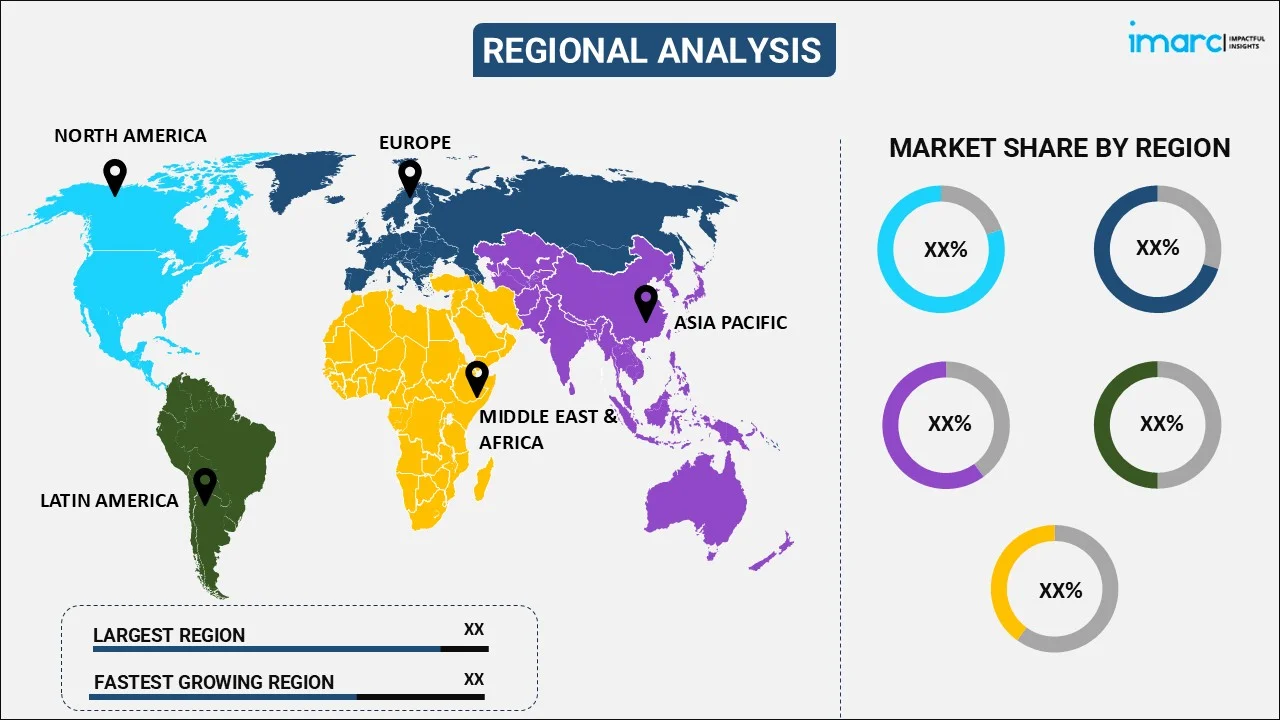
- North America
- United States
- Canada
- Asia-Pacific
- China
- Japan
- India
- South Korea
- Australia
- Indonesia
- Others
- Europe
- Germany
- France
- United Kingdom
- Italy
- Spain
- Russia
- Others
- Latin America
- Brazil
- Mexico
- Others
- Middle East and Africa
Competitive Landscape:
The competitive landscape of the industry has also been examined along with the profiles of the key players being BaseClear B.V., Future Genomics Technologies B.V., Genexa AG, MicrobesNG, Oxford Nanopore Technologies Limited, Pacific Biosciences of California Inc., Promega Corporation, Quantapore Inc., Roche Sequencing (F. Hoffmann-La Roche AG), Takara Bio Inc. and Thermo Fisher Scientific Inc.
Report Coverage:
| Report Features | Details |
|---|---|
| Base Year of the Analysis | 2025 |
| Historical Period | 2020-2025 |
| Forecast Period | 2026-2034 |
| Units | Million USD |
| Segment Coverage | Technology, Product, Application, End Use, Region |
| Region Covered | Asia Pacific, Europe, North America, Latin America, Middle East and Africa |
| Countries Covered | United States, Canada, Germany, France, United Kingdom, Italy, Spain, Russia, China, Japan, India, South Korea, Australia, Indonesia, Brazil, Mexico |
| Companies Covered | BaseClear B.V., Future Genomics Technologies B.V., Genexa AG, MicrobesNG, Oxford Nanopore Technologies Limited, Pacific Biosciences of California Inc., Promega Corporation, Quantapore Inc., Roche Sequencing (F. Hoffmann-La Roche AG), Takara Bio Inc. and Thermo Fisher Scientific Inc. |
| Customization Scope | 10% Free Customization |
| Post-Sale Analyst Support | 10-12 Weeks |
| Delivery Format | PDF and Excel through Email (We can also provide the editable version of the report in PPT/Word format on special request) |
Key Questions Answered in This Report:
- How has the global long read sequencing market performed so far and how will it perform in the coming years?
- What has been the impact of COVID-19 on the global long read sequencing market?
- What are the key regional markets?
- What is the breakup of the market based on the technology?
- What is the breakup of the market based on the product?
- What is the breakup of the market based on the application?
- What is the breakup of the market based on the end use?
- What are the various stages in the value chain of the industry?
- What are the key driving factors and challenges in the industry?
- What is the structure of the global long read sequencing market and who are the key players?
- What is the degree of competition in the industry?
Need more help?
- Speak to our experienced analysts for insights on the current market scenarios.
- Include additional segments and countries to customize the report as per your requirement.
- Gain an unparalleled competitive advantage in your domain by understanding how to utilize the report and positively impacting your operations and revenue.
- For further assistance, please connect with our analysts.
 Request Customization
 Speak to an Analyst
 Request Brochure
 Inquire Before Buying
Benefits of Customization
- Personalize this research
- Triangulate with your data
- Get data as per your format and definition
- Gain a deeper dive into a specific application, geography, customer, or competitor
- Any level of personalization
Get in Touch With Us
UNITED STATES
Phone: +1-201-971-6302
INDIA
Phone: +91-120-433-0800
UNITED KINGDOM
Phone: +44-753-714-6104
Email: [email protected]
Client Testimonials




.webp)




.webp)













Related Reports

Choose your plan
*Please note that the prices mentioned below are starting prices for each bundle type. Kindly contact our team for further details.*
Single User License
- 1 User License, Access on 2 Devices
- PDF Report + Excel Dataset (Password Protected)
- Lifetime Access
- No Printing Rights
- 10% Free Report Customization
- 10–12 Weeks of Analyst Support
Five User License
- Access for 5 Users, 2 Devices per User
- PDF Report + Excel Dataset (Password Protected)
- Lifetime Access
- Dedicated Account Manager
- 12–14 Weeks of Analyst Support
- No Printing Rights
- 15% Free Report Customization
- 25% Discount on Your Next Purchase
Corporate User License
- Unlimited User Access (Within Your Organization)
- PDF Report + Excel Dataset
- Lifetime Access
- Dedicated Account Manager
- 14–20 Weeks of Analyst Support
- No Printing Rights
- 20% Free Report Customization
- 30% Discount on Your Next Purchase
Essential Insights
What's included:
3 reports
- Lifetime Access
- PDF Reports
- Excel Datasets
- 2 Weeks of Free Analyst Support
- 2 User Licenses
- Access on 2 Devices
- Printing Rights
- Complimentary PowerPoint (PPT) Version
- Complimentary License Upgrade
Professional Access
What's included:
5 reports
- Lifetime Access
- PDF Reports
- Excel Datasets
- 8 Weeks of Free Analyst Support
- 2 User Licenses
- Access on 2 Devices
- Printing Rights
- Complimentary PowerPoint (PPT) Version
- Complimentary License Upgrade
Business Advantage
What's included:
8 reports
- Lifetime Access
- PDF Reports
- Excel Datasets
- 14 Weeks of Free Analyst Support
- 2 User Licenses
- Access on 2 Devices
- Printing Rights
- Complimentary PowerPoint (PPT) Version
- Complimentary License Upgrade
Enterprise Intelligence
What's included:
10 reports
- Lifetime Access
- PDF Reports
- Excel Datasets
- 20 Weeks of Free Analyst Support
- 2 User Licenses
- Access on 2 Devices
- Printing Rights
- Complimentary PowerPoint (PPT) Version
- Complimentary License Upgrade