
Naltrexone Hydrochloride Prices, Trend, Chart, Market Analysis, News, Demand, Historical and Forecast Data Report 2026 Edition
Naltrexone Hydrochloride Price Trend, Index and Forecast
Track the latest insights on naltrexone hydrochloride price trend and forecast with detailed analysis of regional fluctuations and market dynamics across North America, Latin America, Central Europe, Western Europe, Eastern Europe, Middle East, North Africa, West Africa, Central and Southern Africa, Central Asia, Southeast Asia, South Asia, East Asia, and Oceania.
Naltrexone Hydrochloride Prices Outlook Q2 2026
- USA: USD 8727740/MT
- China: USD 5513328/MT
- Germany: USD 8148092/MT
- India: USD 6309551/MT
- Brazil: USD 7205613/MT
Naltrexone Hydrochloride Price Chart
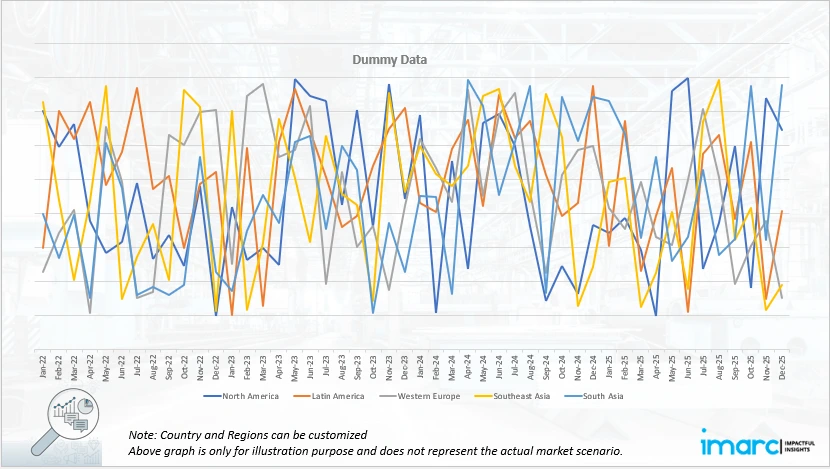
Get real-time access to monthly/quarterly/yearly prices Request Sample
During the second quarter of 2026, the naltrexone hydrochloride prices in the USA reached 8727740 USD/MT in June. The market experienced an upward movement during the quarter, supported by firm demand from pharmaceutical manufacturers and stable requirements for opioid dependence and alcohol dependence treatment formulations. Higher production expenses related to active pharmaceutical ingredient manufacturing, including processing requirements, quality compliance, and specialized pharmaceutical operations, contributed to price strengthening.
During the second quarter of 2026, the naltrexone hydrochloride prices in China reached 5513328 USD/MT in June. Prices increased due to stronger pharmaceutical sector demand and improved procurement activity from domestic manufacturers. The market was influenced by higher manufacturing costs associated with raw material sourcing, chemical processing, and quality control requirements.
During the second quarter of 2026, the naltrexone hydrochloride prices in Germany reached 8148092 USD/MT in June. The market recorded a price increase driven by steady demand from pharmaceutical companies and continued focus on addiction treatment medications. Higher compliance costs, advanced manufacturing standards, and strict quality requirements influenced production economics and supported higher supplier quotations.
During the second quarter of 2026, the naltrexone hydrochloride prices in India reached 6309551 USD/MT in June. Prices moved upward due to increased demand from pharmaceutical producers and export oriented manufacturers. Rising input expenses, processing requirements, and quality assurance activities contributed to higher production costs. India’s established pharmaceutical manufacturing base supported supply availability, but suppliers adjusted prices due to stronger procurement interest and increased operational expenditure.
During the second quarter of 2026, the naltrexone hydrochloride prices in Brazil reached 7205613 USD/MT in June. The market recorded a significant upward price movement during the quarter due to stronger pharmaceutical demand and higher import dependency for specialized active pharmaceutical ingredients. Increased logistics expenses, supply chain adjustments, and procurement costs influenced pricing levels.
Naltrexone Hydrochloride Prices Outlook Q4 2025
- USA: USD 7921096/MT
- China: USD 5265226/MT
- Germany: USD 7584761/MT
- India: USD 5916744/MT
- Brazil: USD 6526745/MT
During the fourth quarter of 2025, the naltrexone hydrochloride prices in the USA reached 7921096 USD/MT in December. The upward movement was primarily driven by firmer procurement from pharmaceutical formulators amid stable demand from addiction treatment programs. Domestic manufacturers faced elevated compliance and quality control expenditures, which increased overall production costs. Additionally, tight availability of high purity intermediates supported a firm pricing tone. Inventory restocking by distributors toward year end further reinforced market strength.
During the fourth quarter of 2025, the naltrexone hydrochloride prices in China reached 5265226 USD/MT in December. The decline was influenced by ample inventories and moderate domestic consumption. Export orders from key overseas markets softened, leading to competitive pricing among producers. Stable feedstock availability and smoother plant operations reduced cost pressures, allowing suppliers to lower offers to secure contracts.
During the fourth quarter of 2025, the naltrexone hydrochloride prices in Germany reached 7584761 USD/MT in December. The increase was supported by steady pharmaceutical demand and firm regulatory compliance costs across European manufacturing sites. Producers experienced higher operational expenditures related to energy and labor, which were passed on to buyers. Limited import inflows from Asia amid logistical adjustments also tightened domestic supply.
During the fourth quarter of 2025, the naltrexone hydrochloride prices in India reached 5916744 USD/MT in December. Prices edged downward due to sufficient domestic production and competitive export offers. Pharmaceutical buyers adopted cautious purchasing strategies, limiting bulk commitments. Improved availability of key raw materials and stable operating rates reduced cost pressures for manufacturers. Export competition from other Asian suppliers also intensified, compelling Indian producers to adjust pricing to maintain market share in regulated markets.
During the fourth quarter of 2025, the naltrexone hydrochloride prices in Brazil reached 6526745 USD/MT in December. The upward trend was driven by stronger import costs and consistent demand from local pharmaceutical formulators. Currency movements impacted procurement expenses for imported active pharmaceutical ingredients, supporting higher domestic prices. Additionally, year end restocking by distributors and public health procurement programs reinforced buying activity.
Naltrexone Hydrochloride Prices Outlook Q3 2025
- USA: USD 7673250/MT
- China: USD 5391384/MT
- Germany: USD 7428030/MT
- India: USD 5990426/MT
- Brazil: USD 6342804/MT
During the third quarter of 2025, the naltrexone hydrochloride prices in the USA reached 7673250 USD/MT in September. Prices moved upward as demand from pharmaceutical formulators strengthened amid steady prescription volumes. Limited spot availability and firm production schedules supported higher realizations, while buyers accepted elevated levels to ensure supply continuity for regulated drug manufacturing.
During the third quarter of 2025, the naltrexone hydrochloride prices in China reached 5391384 USD/MT in September. Prices edged lower due to adequate domestic supply availability and moderated export demand. Improved operating rates at API manufacturing facilities and competitive offers from regional suppliers reduced pricing support, encouraging buyers to negotiate lower transaction levels.
During the third quarter of 2025, the naltrexone hydrochloride prices in Germany reached 7428030 USD/MT in September. Prices declined as procurement activity from pharmaceutical companies softened following sufficient stocking earlier in the year. Stable production output and smoother intra-regional logistics further reduced cost pressures, allowing suppliers to adjust prices downward to maintain order flow.
During the third quarter of 2025, the naltrexone hydrochloride prices in India reached 5990426 USD/MT in September. Prices moved lower amid comfortable inventories and cautious buying behavior from export oriented pharmaceutical manufacturers. Competitive pricing strategies among API producers and steady raw material availability weighed on market sentiment throughout the quarter.
During the third quarter of 2025, the naltrexone hydrochloride prices in Brazil reached 6342804 USD/MT in September. Prices declined as demand from the pharmaceutical distribution segment moderated. Adequate import availability and controlled purchasing by buyers limited upward pricing potential, resulting in softer negotiated values across the quarter.
Naltrexone Hydrochloride Prices Outlook Q2 2025
- USA: USD 7442532/MT
- China: USD 5592722/MT
- Germany: USD 7634152/MT
- India: USD 6214135/MT
- Brazil: USD 6579673/MT
During the second quarter of 2025, the naltrexone hydrochloride prices in the USA reached 7442532 USD/MT in June. Market activity was shaped by consistent procurement from pharmaceutical manufacturers focused on meeting regulatory supply obligations. Contract based sourcing dominated transactions, while manufacturers aligned production schedules closely with confirmed orders to ensure uninterrupted availability.
During the second quarter of 2025, the naltrexone hydrochloride prices in China reached 5592722 USD/MT in June. The market reflected steady operating rates at API manufacturing facilities and regular export participation. Producers emphasized order fulfillment for overseas clients, while sufficient domestic availability supported routine procurement without aggressive spot market activity.
During the second quarter of 2025, the naltrexone hydrochloride prices in Germany reached 7634152 USD/MT in June. Demand from regulated pharmaceutical producers remained consistent, driven by long term formulation requirements. Compliance related manufacturing costs and supplier qualification standards continued to shape sourcing decisions, reinforcing reliance on established producers.
During the second quarter of 2025, the naltrexone hydrochloride prices in India reached 6214135 USD/MT in June. Export driven demand remained a key market driver, particularly from regulated regions. Manufacturers maintained efficient production planning and ensured adherence to quality standards, supporting regular order flow across the quarter.
During the second quarter of 2025, the naltrexone hydrochloride prices in Brazil reached 6579673 USD/MT in June. The market was influenced by predictable demand from pharmaceutical distributors and healthcare suppliers. Import dependent sourcing patterns and regulatory approval requirements guided purchasing strategies, resulting in steady transaction volumes.
Regional Coverage
The report provides a detailed analysis of the market across different regions, each with unique pricing dynamics influenced by localized market conditions, supply chain intricacies, and geopolitical factors. This includes price trends, price forecast and supply and demand trends for each region, along with spot prices by major ports. The report also provides coverage of FOB and CIF prices, as well as the key factors influencing naltrexone hydrochloride prices.
Europe Naltrexone Hydrochloride Price Trend
Q2 2026:
The naltrexone hydrochloride price index in Europe showed an upward trend, supported by stable pharmaceutical demand and increased manufacturing expenses. Germany recorded higher prices as producers faced elevated compliance requirements, quality control obligations, and specialized production costs associated with pharmaceutical grade active ingredients. The region maintained steady demand from healthcare and pharmaceutical formulation sectors, which supported market firmness. Supply conditions remained balanced, but producers adjusted pricing to reflect higher operational expenses and continued demand from regulated pharmaceutical applications. Increased focus on addiction treatment solutions and healthcare accessibility further supported consumption, contributing to a positive pricing environment across European markets during the quarter.
Q4 2025:
In Europe, the naltrexone hydrochloride price index reflected a bullish trajectory during the fourth quarter. Steady procurement from pharmaceutical manufacturers and contract development organizations supported regional demand. Producers faced elevated compliance and operational costs, reinforcing higher offer levels. Controlled import flows from Asia and balanced inventory positions sustained the upward movement. Market sentiment remained stable as suppliers maintained disciplined production schedules.
Q3 2025:
As per the naltrexone hydrochloride price index, prices in Europe followed a downward trend, reflecting declines in key markets such as Germany. Pharmaceutical manufacturers reduced near term procurement following earlier inventory build-up, which lowered buying urgency across the region. Well integrated European supply chains and efficient cross border logistics ensured uninterrupted availability from approved producers. In addition, competitive dynamics among qualified suppliers and stable manufacturing output reinforced the downward pricing environment across major European pharmaceutical hubs.
Q2 2025:
European market dynamics were shaped by structured procurement practices and regulatory driven sourcing patterns. Pharmaceutical manufacturers relied heavily on approved and validated suppliers, prioritizing compliance, batch consistency, and traceability. Production planning was aligned closely with forecasted prescription demand, while intra-regional trade supported smooth material movement between key manufacturing and formulation centers across Western Europe.
This analysis can be extended to include detailed naltrexone hydrochloride price information for a comprehensive list of countries.
| Region | Countries Covered |
|---|---|
| Europe | Germany, France, United Kingdom, Italy, Spain, Russia, Turkey, Netherlands, Poland, Sweden, Belgium, Austria, Ireland, Switzerland, Norway, Denmark, Romania, Finland, Czech Republic, Portugal, and Greece, among other European countries. |
North America Naltrexone Hydrochloride Price Trend
Q2 2026:
The naltrexone hydrochloride price index in North America increased, supported by firm demand from pharmaceutical manufacturers and healthcare providers. The USA market experienced upward price movement due to higher production costs, quality assurance requirements, and consistent demand for addiction treatment formulations. Manufacturers faced increased expenses related to specialized pharmaceutical processing and regulatory compliance, which influenced supplier pricing strategies. Market availability remained stable, but suppliers maintained higher price levels due to sustained procurement activity. Demand from pharmaceutical companies continued to support market growth, creating a firm pricing environment throughout the region during the quarter.
Q4 2025:
In North America, the naltrexone hydrochloride price index demonstrated an upward trend in the fourth quarter. Consistent demand from addiction treatment programs and pharmaceutical formulators supported procurement volumes. Domestic manufacturing costs and regulatory expenditures remained firm, influencing supplier pricing strategies. Stable distribution networks and export inquiries from neighboring regions further reinforced market confidence.
Q3 2025:
As per the naltrexone hydrochloride price index, North America recorded an upward trend, led by higher prices in the USA. Strong demand from pharmaceutical formulators supported sustained offtake, particularly for regulated formulations requiring consistent API quality. Limited spot availability and tightly managed production schedules encouraged buyers to prioritize supply continuity over price negotiations. Regulatory compliance requirements and reliance on validated suppliers further reduced sourcing flexibility across the region.
Q2 2025:
North American market conditions reflected predictable pharmaceutical consumption patterns and disciplined procurement behavior. Contractual sourcing dominated transactions, with manufacturers aligning output closely with confirmed demand from formulators and healthcare suppliers. Efficient domestic distribution networks and reliable manufacturing infrastructure supported uninterrupted material flow across the region.
Specific naltrexone hydrochloride historical data within the United States and Canada can also be provided.
| Region | Countries Covered |
|---|---|
| North America | United States and Canada |
Middle East and Africa Naltrexone Hydrochloride Price Trend
Q2 2026:
The study includes naltrexone hydrochloride price trends across the Middle East and Africa, considering variables such as regional industrial expansion, natural resource availability, and geopolitical conflicts.
Q4 2025:
As per the naltrexone hydrochloride price chart, the prices in the Middle East and Africa fluctuated due to a complex interplay of factors, primarily driven by supply chain disruptions, seasonal demand shifts, and geopolitical influences.
Q3 2025:
The report explores the naltrexone hydrochloride trends and naltrexone hydrochloride price chart in the Middle East and Africa, considering factors like regional industrial growth, the availability of natural resources, and geopolitical tensions that uniquely influence market prices.
In addition to region-wise data, information on naltrexone hydrochloride prices for countries can also be provided.
| Region | Countries Covered |
|---|---|
| Middle East & Africa | Saudi Arabia, UAE, Israel, Iran, South Africa, Nigeria, Oman, Kuwait, Qatar, Iraq, Egypt, Algeria, and Morocco, among other Middle Eastern and African countries. |
Asia Pacific Naltrexone Hydrochloride Price Trend
Q2 2026:
The Asia Pacific naltrexone hydrochloride market experienced upward pricing movement, supported by pharmaceutical sector growth and increased manufacturing activity. China and India recorded price increases due to higher production expenses, stronger procurement interest, and steady demand from domestic and international pharmaceutical companies. The region benefited from established active pharmaceutical ingredient manufacturing capabilities, which supported supply continuity. However, rising processing costs, quality requirements, and export related demand encouraged suppliers to maintain higher quotations. The market remained supported by expanding healthcare applications and continued demand for addiction treatment medications across developing pharmaceutical markets.
Q4 2025:
In the Asia Pacific region, naltrexone hydrochloride prices followed a downward trajectory amid comfortable supply conditions and measured pharmaceutical demand. Major producing countries maintained steady operating rates, resulting in sufficient product availability across domestic and export markets. Competitive export offers from leading API manufacturers intensified pricing pressure, particularly as buyers leveraged multiple sourcing options to negotiate lower contract values. Feedstock accessibility remained stable, preventing cost escalations and enabling producers to adjust quotations downward without significant margin erosion.
Q3 2025:
In the Asia Pacific region, naltrexone hydrochloride prices moved lower, driven primarily by declines in China and India. Adequate API availability and competitive supplier participation reduced sellers’ leverage across major exporting markets. Export demand softened from certain regulated destinations, while manufacturers maintained steady operating rates, ensuring sufficient regional supply. Buyers adopted selective procurement strategies focused on cost optimization amid ample sourcing options.
Q2 2025:
Asia Pacific market trends were influenced by export oriented manufacturing and disciplined production management. API producers focused on fulfilling long term supply agreements with regulated markets, while domestic consumption followed predictable pharmaceutical usage patterns. Efficient manufacturing infrastructure and established quality systems supported smooth order execution across key production hubs.
This naltrexone hydrochloride price analysis can be expanded to include a comprehensive list of countries within the region.
| Region | Countries Covered |
|---|---|
| Asia Pacific | China, India, Indonesia, Pakistan, Bangladesh, Japan, Philippines, Vietnam, Thailand, South Korea, Malaysia, Nepal, Taiwan, Sri Lanka, Hongkong, Singapore, Australia, and New Zealand, among other Asian countries. |
Latin America Naltrexone Hydrochloride Price Trend
Q2 2026:
The Latin America naltrexone hydrochloride market showed a firm pricing trend, supported by healthcare sector demand and increasing requirements for specialized pharmaceutical products. Brazil recorded higher prices due to import related costs, supply chain expenses, and stable pharmaceutical procurement activity. Regional dependence on international suppliers influenced pricing conditions, particularly for regulated active pharmaceutical ingredients. Healthcare providers and pharmaceutical companies continued maintaining demand for addiction treatment formulations, supporting market stability.
Q4 2025:
In Latin America, naltrexone hydrochloride prices advanced during the fourth quarter, largely supported by stronger landed import costs and consistent demand from pharmaceutical formulators. As most countries in the region rely heavily on imported active pharmaceutical ingredients, fluctuations in currency exchange rates directly influenced procurement expenditures. Distributors responded by adjusting selling prices to safeguard margins amid elevated replacement costs.
Q3 2025:
In Latin America, naltrexone hydrochloride prices trended downward, influenced largely by softer pricing in Brazil. Pharmaceutical distributors moderated purchasing volumes as healthcare demand followed predictable consumption patterns. Adequate import inflows from established suppliers ensured consistent availability, while stable port operations and inland logistics limited supply side disruptions across the region.
Q2 2025:
Latin American market conditions were shaped by structured import sourcing and regulatory driven procurement. Buyers emphasized supplier reliability, documentation, and compliance with pharmaceutical standards. Predictable healthcare demand and organized distribution networks supported consistent procurement volumes across major consuming countries.
This comprehensive review can be extended to include specific countries within the region.
| Region | Countries Covered |
|---|---|
| Latin America | Brazil, Mexico, Argentina, Columbia, Chile, Ecuador, and Peru, among other Latin American countries. |
Naltrexone Hydrochloride Pricing Report, Market Analysis, and News
IMARC's latest publication, “Naltrexone Hydrochloride Prices, Trend, Chart, Demand, Market Analysis, News, Historical and Forecast Data Report 2026 Edition,” presents a detailed examination of the naltrexone hydrochloride market, providing insights into both global and regional trends that are shaping prices. This report delves into the spot price of naltrexone hydrochloride at major ports and analyzes the composition of prices, including FOB and CIF terms. It also presents detailed naltrexone hydrochloride prices trend analysis by region, covering North America, Europe, Asia Pacific, Latin America, and Middle East and Africa. The factors affecting naltrexone hydrochloride pricing, such as the dynamics of supply and demand, geopolitical influences, and sector-specific developments, are thoroughly explored. This comprehensive report helps stakeholders stay informed with the latest market news, regulatory updates, and technological progress, facilitating informed strategic decision-making and forecasting.
Naltrexone Hydrochloride Industry Analysis
The global naltrexone hydrochloride industry size reached USD 22.0 Million in 2025. By 2034, IMARC Group expects the market to reach USD 29.2 Million, at a projected CAGR of 3.20% during 2026-2034. The market growth is driven by rising demand for addiction treatment therapies, expanding pharmaceutical research activities, and increasing access to regulated medications across both developed and emerging healthcare markets.
Latest News and Developments:
- November 2025: A clinical case report and literature review by US- and Thailand-based researchers highlighted the potential of low-dose naltrexone hydrochloride for treating severe uremic pruritus in individuals receiving hemodialysis, showing symptomatic improvement within days when traditional therapies failed. The findings also emphasize the need for further research to better establish safety and efficacy of low-dose naltrexone in this chronic condition.
Product Description
Naltrexone hydrochloride is a synthetic opioid antagonist derived from thebaine and formulated as the hydrochloride salt of naltrexone. It is a white crystalline powder with high pharmaceutical purity and is primarily used in medications for opioid dependence and alcohol dependence treatment. The compound works by blocking opioid receptors, reducing the effects of opioid substances and helping manage addiction related conditions. Naltrexone hydrochloride is widely used in pharmaceutical formulations, including oral tablets and injectable preparations. Its production involves advanced chemical synthesis, purification, and quality control processes to meet pharmaceutical standards. The product is manufactured under strict regulatory requirements and is supplied to pharmaceutical companies for developing addiction treatment therapies and related healthcare applications.
Report Coverage
| Key Attributes | Details |
|---|---|
| Product Name | Naltrexone Hydrochloride |
| Report Features | Exploration of Historical Trends and Market Outlook, Industry Demand, Industry Supply, Gap Analysis, Challenges, Naltrexone Hydrochloride Price Analysis, and Segment-Wise Assessment. |
| Currency/Units | US$ (Data can also be provided in local currency) or Metric Tons |
| Region/Countries Covered | The current coverage includes analysis at the global and regional levels only. Based on your requirements, we can also customize the report and provide specific information for the following countries: Asia Pacific: China, India, Indonesia, Pakistan, Bangladesh, Japan, Philippines, Vietnam, Thailand, South Korea, Malaysia, Nepal, Taiwan, Sri Lanka, Hongkong, Singapore, Australia, and New Zealand Europe: Germany, France, United Kingdom, Italy, Spain, Russia, Turkey, Netherlands, Poland, Sweden, Belgium, Austria, Ireland, Switzerland, Norway, Denmark, Romania, Finland, Czech Republic, Portugal and Greece North America: United States and Canada Latin America: Brazil, Mexico, Argentina, Columbia, Chile, Ecuador, and Peru Middle East & Africa: Saudi Arabia, UAE, Israel, Iran, South Africa, Nigeria, Oman, Kuwait, Qatar, Iraq, Egypt, Algeria, and Morocco The list of countries presented is not exhaustive. Information on additional countries can be provided if required by the client. |
| Information Covered for Key Suppliers |
|
| Customization Scope | The report can be customized as per the requirements of the customer |
| Report Price and Purchase Option |
Plan A: Monthly Updates - Annual Subscription
Plan B: Quarterly Updates - Annual Subscription
Plan C: Biannually Updates - Annual Subscription
|
| Post-Sale Analyst Support | 360-degree analyst support after report delivery |
| Delivery Format | PDF and Excel through email (We can also provide the editable version of the report in PPT/Word format on special request) |
Key Benefits for Stakeholders:
- IMARC’s report presents a detailed analysis of naltrexone hydrochloride pricing, covering global and regional trends, spot prices at key ports, and a breakdown of Ex Works, FOB, and CIF prices.
- The study examines factors affecting naltrexone hydrochloride price trend, including raw material costs, supply-demand shifts, geopolitical impacts, and industry developments, offering insights for informed decision-making.
- The competitive landscape review equips stakeholders with crucial insights into the latest market news, regulatory changes, and technological advancements, ensuring a well-rounded, strategic overview for forecasting and planning.
- IMARC offers various subscription options, including monthly, quarterly, and biannual updates, allowing clients to stay informed with the latest market trends, ongoing developments, and comprehensive market insights. The naltrexone hydrochloride price charts ensure our clients remain at the forefront of the industry.
Need more help?
- Speak to our experienced analysts for insights on the current market scenarios.
- Include additional segments and countries to customize the report as per your requirement.
- Gain an unparalleled competitive advantage in your domain by understanding how to utilize the report and positively impacting your operations and revenue.
- For further assistance, please connect with our analysts.
 Request Customization
 Inquire Before Buying
 Speak to an Analyst
 Request Brochure
Benefits of Customization
- Personalize this research
- Triangulate with your data
- Get data as per your format and definition
- Gain a deeper dive into a specific application, geography, customer, or competitor
- Any level of personalization
Get in Touch With Us
UNITED STATES
Phone: +1-201-971-6302
INDIA
Phone: +91-120-433-0800
UNITED KINGDOM
Phone: +44-753-714-6104
Email: [email protected]
Client Testimonials




.webp)




.webp)













Related Reports

Why Choose Us
IMARC offers trustworthy, data-centric insights into commodity pricing and evolving market trends, enabling businesses to make well-informed decisions in areas such as procurement, strategic planning, and investments. With in-depth knowledge spanning more than 1000 commodities and a vast global presence in over 150 countries, we provide tailored, actionable intelligence designed to meet the specific needs of diverse industries and markets.
1000
+Commodities
150
+Countries Covered
3000
+Clients
20
+Industry

Robust Methodologies & Extensive Resources
IMARC delivers precise commodity pricing insights using proven methodologies and a wealth of data to support strategic decision-making.

Subscription-Based Databases
Our extensive databases provide detailed commodity pricing, import-export trade statistics, and shipment-level tracking for comprehensive market analysis.

Primary Research-Driven Insights
Through direct supplier surveys and expert interviews, we gather real-time market data to enhance pricing accuracy and trend forecasting.

Extensive Secondary Research
We analyze industry reports, trade publications, and market studies to offer tailored intelligence and actionable commodity market insights.
Trusted by 3000+ industry leaders worldwide to drive data-backed decisions. From global manufacturers to government agencies, our clients rely on us for accurate pricing, deep market intelligence, and forward-looking insights.