
Sulfur Hexafluoride Prices, Trend, Chart, Demand, Market Analysis, News, Historical and Forecast Data Report 2026 Edition
Sulfur Hexafluoride Price Trend, Index and Forecast
Track the latest insights on sulfur hexafluoride price trend and forecast with detailed analysis of regional fluctuations and market dynamics across North America, Latin America, Central Europe, Western Europe, Eastern Europe, Middle East, North Africa, West Africa, Central and Southern Africa, Central Asia, Southeast Asia, South Asia, East Asia, and Oceania.
Sulfur Hexafluoride Prices Outlook Q2 2026
- USA: USD 8260/MT
- China: USD 6996/MT
- Germany: USD 7852/MT
- India: USD 7072/MT
- South Korea: USD 9294/MT
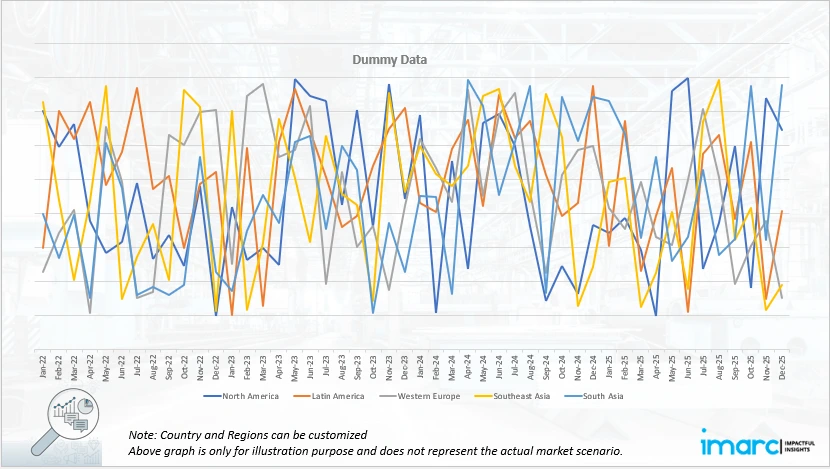
Sulfur Hexafluoride Price Chart
Get real-time access to monthly/quarterly/yearly prices Request Sample
During the second quarter of 2026, the sulfur hexafluoride prices in the USA reached 8260 USD/MT in June. The upward movement was primarily supported by sustained demand from the power utility sector, where investments in grid modernization and high voltage switchgear installations continued to expand. Elevated feedstock and energy costs added further pressure on production expenses, while semiconductor manufacturers increased procurement to support fabrication activity.
During the second quarter of 2026, the sulfur hexafluoride prices in China reached 6996 USD/MT in June. As the leading global producer, price movement was closely tied to fluctuations in raw material availability, particularly fluorspar, which remained a key cost driver for manufacturers. Rising energy costs linked to coal based production processes further pushed up manufacturing expenses. Stricter environmental compliance requirements imposed additional operational costs on domestic producers, prompting a gradual price correction upward.
During the second quarter of 2026, the sulfur hexafluoride prices in Germany reached 7852 USD/MT in June. Price trends were shaped largely by the European Union's ongoing gas regulatory framework, which continues to phase down the use of high global warming potential gases, thereby tightening available supply. Despite these restrictions, demand from the high voltage switchgear and gas insulated substation industries remained firm, supported by the region's accelerating energy transition and renewable grid integration projects.
During the second quarter of 2026, the sulfur hexafluoride prices in India reached 7072 USD/MT in June. Growth in domestic demand was largely attributed to ongoing expansion of power transmission and distribution infrastructure, alongside increasing integration of renewable energy sources into the national grid. The government's push toward semiconductor manufacturing self sufficiency also contributed to rising procurement from electronics and fabrication industries.
During the second quarter of 2026, the sulfur hexafluoride prices in South Korea reached 9294 USD/MT in June. As a major global hub for semiconductor manufacturing, the country witnessed strong demand for the gas in plasma etching applications, which remained a key factor behind the elevated pricing level. Continued investment in high voltage switchgear and gas insulated equipment for grid modernization projects further reinforced consumption. Feedstock cost pressures and tightening environmental regulations targeting greenhouse gas emissions constrained available supply, contributing to upward price movement.
Sulfur Hexafluoride Prices Outlook Q2 2025
- USA: USD 7724/MT
- China: USD 6770/MT
- Germany: USD 7237/MT
- India: USD 6486/MT
- South Korea: USD 8531/MT
During the second quarter of 2025, the sulfur hexafluoride prices in the USA reached 7724 USD/MT in June. As per the sulfur hexafluoride price chart, one of the most significant factors influencing SF6 prices was disruptions in manufacturing and supply chains. Several key suppliers faced production challenges due to labor shortages and raw material constraints. These difficulties were compounded by logistical delays, particularly in the transportation of SF6 from overseas manufacturing plants to US distributors.
During the second quarter of 2025, the sulfur hexafluoride prices in China reached 6770 USD/MT in June. The semiconductor industry's growth led to elevated demand for SF6, particularly for plasma etching processes. This surge in demand contributed to upward pressure on prices. Besides, China's robust domestic production capabilities helped meet the rising demand, preventing significant price increases despite the higher consumption.
During the second quarter of 2025, sulfur hexafluoride prices in Germany reached 7237 USD/MT in June. Prices in Germany experienced modest fluctuations due to a combination of factors. The electrical sector maintained a steady demand for SF6, driven by its essential role in gas-insulated switchgear and other high-voltage equipment. However, the European Union's stringent environmental regulations, aimed at reducing greenhouse gas emissions, prompted some producers to explore alternative insulating gases. This shift led to a slight decrease in SF6 consumption, exerting downward pressure on prices.
During the second quarter of 2025, the sulfur hexafluoride prices in India reached 6486 USD/MT in June. On the supply side, India faced minor logistical challenges and import constraints, which led to localized supply disruptions. These issues, coupled with the steady demand from key sectors, contributed to the upward pressure on prices during the quarter. However, environmental concerns led to increased scrutiny and regulatory measures. These regulations prompted the development and adoption of alternative insulating gases with lower environmental impact, influencing demand and pricing dynamics for SF6.
During the second quarter of 2025, the sulfur hexafluoride prices in South Korea reached 8531 USD/MT in June. The country's ongoing modernization and expansion of its electrical infrastructure contributed to a heightened demand for SF6, as it remained essential for insulating electrical equipment. This demand was driven by the adoption of more advanced technologies, such as smart grids, which required the continued use of reliable and efficient insulating gases.
Sulfur Hexafluoride Prices Outlook Q1 2025
- USA: USD 7550/MT
- China: USD 6880/MT
- Germany: USD 7130/MT
- India: USD 6625/MT
- South Korea: USD 8380/MT
During the first quarter of 2025, the sulfur hexafluoride prices in the USA reached 7550 USD/MT in March. As per the sulfur hexafluoride price chart, prices remained stable due to a consistent supply and ongoing demand from the electrical and electronics sectors. The production levels were adequate to meet internal demands and logistical operations were not impacted. Instead of increasing capacity, the focus was on maintaining a supply balance to ensure overall market consistency.
During the first quarter of 2025, the sulfur hexafluoride prices in China reached 6880 USD/MT in March. Despite robust demand from the semiconductor sector, the supply of sulfur hexafluoride in China remained stable. Manufacturing activity thrived, particularly in chip-related sectors, resulting in increased gas consumption. Nevertheless, a consistent output of goods and regulated imports maintained equilibrium in the pricing environment.
During the first quarter of 2025, the sulfur hexafluoride prices in Germany reached 7130 USD/MT in March. The market exhibited slight price fluctuations. This consistency was aided by stable domestic production and demand from the electrical sector that was manageable. Even though the producers were being encouraged to turn toward alternative insulating gases due to the EU's environmental policies, sulfur hexafluoride continued to be used at a constant rate.
During the first quarter of 2025, the sulfur hexafluoride prices in India reached 6625 USD/MT in March. India experienced a few minor supply disruptions that led to localized increases in sulfur hexafluoride prices. Even so, steady demand from industries such as semiconductors and the ongoing recovery of industrial operations contributed to a balancing of market sentiment. Though import difficulties caused a temporary reduction in availability, prices remained manageable and broader market conditions were relatively stable.
During the first quarter of 2025, the sulfur hexafluoride prices in South Korea reached 8380 USD/MT in March. The electronics sector’s robust demand fueled South Korea’s sulfur hexafluoride market. The nation’s dependence on sulfur hexafluoride for insulation in chip production upheld continued use. The local supply conditions were sufficient, preventing substantial disruptions.
Regional Coverage
The report provides a detailed analysis of the market across different regions, each with unique pricing dynamics influenced by localized market conditions, supply chain intricacies, and geopolitical factors. This includes price trends, price forecast and supply and demand trends for each region, along with spot prices by major ports. The report also provides coverage of FOB and CIF prices, as well as the key factors influencing sulfur hexafluoride prices.
Europe Sulfur Hexafluoride Price Trend
Q2 2026:
The sulfur hexafluoride price index in Europe trended upward during the second quarter of 2026, primarily influenced by the region's stringent gas regulatory framework, which continues to restrict the production and use of high global warming potential gases. Despite this constrained supply environment, demand from the high voltage switchgear and gas insulated substation sectors remained resilient, supported by accelerating renewable energy grid integration and cross border transmission projects. Elevated energy costs across the region, particularly for natural gas and electricity, added further pressure on manufacturing expenses. Compliance costs tied to emission monitoring obligations also contributed to the cost base of regional producers.
Q2 2025:
In the second quarter of 2025, sulfur hexafluoride prices in Europe experienced upward pressure due to a combination of supply constraints and regulatory influences. The European Union's stringent environmental regulations on greenhouse gas emissions led to reduced production levels among manufacturers. This regulatory environment prompted producers to seek alternatives, slightly diminishing SF6 consumption. However, despite these efforts, the limited availability of SF6 contributed to price increases during the quarter. Additionally, the rising costs of sulfur, a key raw material in production, further impacted the pricing dynamics.
Q1 2025:
As per the sulfur hexafluoride price index, Europe's market stayed largely unchanged in terms of pricing. The equilibrium between supply and demand played a significant role in maintaining this steadiness. Demand was moderately fueled by ongoing requirements from electrical infrastructure applications. Yet, ample domestic output and minimal import-related concerns supported consistent availability. Some producers began exploring alternative insulation gases influenced by environmental regulations aimed at reducing greenhouse emissions, which had a slight dampening effect on consumption.
This analysis can be extended to include detailed sulfur hexafluoride price information for a comprehensive list of countries.
| Region | Countries Covered |
|---|---|
| Europe | Germany, France, United Kingdom, Italy, Spain, Russia, Turkey, Netherlands, Poland, Sweden, Belgium, Austria, Ireland, Switzerland, Norway, Denmark, Romania, Finland, Czech Republic, Portugal, and Greece, among other European countries. |
North America Sulfur Hexafluoride Price Trend
Q2 2026:
The sulfur hexafluoride price index in North America increased during the, supported by robust demand from the power utility and semiconductor manufacturing sectors. Continued investment in grid modernization, including expansion of high voltage switchgear infrastructure, sustained procurement volumes across the region. Rising feedstock and energy costs added to overall production expenses, while regulatory attention on greenhouse gas emissions introduced additional compliance related costs for producers. Semiconductor fabrication activity also remained a notable demand driver, given the sector's reliance on the gas for plasma etching processes.
Q2 2025:
As per the sulfur hexafluoride price index, production levels aligned closely with internal requirements, preventing significant supply-demand imbalances. Besides, manufacturers focused on meeting existing demand rather than expanding capacity, which helped maintain market stability. Additionally, logistics operations proceeded, ensuring consistent delivery and minimizing disruptions. While there were slight fluctuations in input material costs, these did not substantially affect overall pricing trends.
Q1 2025:
Prices for sulfur hexafluoride in the North American market fluctuated. Production levels stayed in accordance with internal requirements, which helped prevent significant pricing fluctuations. While slight changes in the costs of input materials were noted, these did not have a major impact on price trends. Besides, manufacturers focused on fulfilling current demands and ensuring operational stability rather than increasing capacity. This method contributed to the relative stability of the North America market over the quarter.
Specific sulfur hexafluoride historical data within the United States and Canada can also be provided.
| Region | Countries Covered |
|---|---|
| North America | United States and Canada |
Middle East and Africa Sulfur Hexafluoride Price Trend
Q2 2026:
The study includes sulfur hexafluoride price trends and charts in the Middle East and Africa, taking into consideration elements that have a direct impact on market prices, such as regional industrial expansion, natural resource availability, and geopolitical conflicts.
Q2 2025:
The report explores the sulfur hexafluoride trends and sulfur hexafluoride price chart in the Middle East and Africa, considering factors like regional industrial growth, the availability of natural resources, and geopolitical tensions that uniquely influence market prices.
Q1 2025:
According to the sulfur hexafluoride price chart, prices in the Middle East and Africa exhibited fluctuations due to a combination of factors, mainly influenced by supply chain disruptions, changing seasonal demand patterns, and ongoing geopolitical developments.
In addition to region-wise data, information on sulfur hexafluoride prices for countries can also be provided.
| Region | Countries Covered |
|---|---|
| Middle East & Africa | Saudi Arabia, UAE, Israel, Iran, South Africa, Nigeria, Oman, Kuwait, Qatar, Iraq, Egypt, Algeria, and Morocco, among other Middle Eastern and African countries. |
Asia Pacific Sulfur Hexafluoride Price Trend
Q2 2026:
The Asia Pacific region witnessed firm price trends, driven by strong demand from semiconductor manufacturing hubs, particularly in relation to plasma etching applications. Expansion of high voltage transmission infrastructure across several economies in the region further supported consumption growth, as governments prioritized grid modernization and renewable energy integration. Rising raw material and energy costs associated with domestic production processes added to overall manufacturing expenses across key producing countries. Environmental compliance requirements also began exerting greater influence on regional supply dynamics, as several governments introduced tighter emission monitoring frameworks.
Q2 2025:
Additionally, the region's power and energy sector continued to rely heavily on SF6 for gas-insulated switchgear due to its superior dielectric strength and compact design. This sustained demand from infrastructure projects contributed to upward pressure on prices in certain markets. On the supply side, the Asia Pacific region benefited from local production capabilities, which helped mitigate some of the price volatility observed in other regions. Nevertheless, fluctuations in raw material costs, such as fluorspar, and regional supply chain disruptions occasionally impacted production costs and pricing stability.
Q1 2025:
The market exhibited diverse pricing patterns. Due to a combination of industrial resurgence and steady demand from the electronics and semiconductor sectors, which use sulfur hexafluoride for insulation, a few nations reported modest price hikes. Some regions, especially Southeast Asia, faced inconsistencies in imports, which had a minor impact on availability. China ensured a stable supply even with increased usage in chip manufacturing, whereas countries such as India experienced slight logistical challenges. Although the wider regional market maintained a relatively stable dynamic without significant disturbances, this combination of elements led to price adjustments in specific areas.
This sulfur hexafluoride price analysis can be expanded to include a comprehensive list of countries within the region.
| Region | Countries Covered |
|---|---|
| Asia Pacific | China, India, Indonesia, Pakistan, Bangladesh, Japan, Philippines, Vietnam, Thailand, South Korea, Malaysia, Nepal, Taiwan, Sri Lanka, Hongkong, Singapore, Australia, and New Zealand, among other Asian countries. |
Latin America Sulfur Hexafluoride Price Trend
Q2 2026:
The market for sulfur hexafluoride in Latin America is primarily driven by the region's vast natural resources, particularly in Chile and Brazil. However, pricing for sulfur hexafluoride may change dramatically due to political uncertainty and varying regulatory frameworks.
Q1 2025:
Latin America's sulfur hexafluoride market is predominantly influenced by its rich natural reserves, particularly in countries like Chile and Brazil. However, political instability and inconsistent regulatory frameworks can lead to significant volatility in sulfur hexafluoride prices. Infrastructure challenges and logistical inefficiencies often impact the supply chain, affecting the region's ability to meet international demand consistently. Moreover, the sulfur hexafluoride price index, economic fluctuations, and currency devaluation are critical factors that need to be considered when analyzing sulfur hexafluoride pricing trends in this region.
This comprehensive review can be extended to include specific countries within the region.
| Region | Countries Covered |
|---|---|
| Latin America | Brazil, Mexico, Argentina, Columbia, Chile, Ecuador, and Peru, among other Latin American countries. |
Sulfur Hexafluoride Pricing Report, Market Analysis, and News
IMARC's latest publication, “Sulfur Hexafluoride Prices, Trend, Chart, Demand, Market Analysis, News, Historical and Forecast Data Report 2026 Edition,” presents a detailed examination of the sulfur hexafluoride market, providing insights into both global and regional trends that are shaping prices. This report delves into the spot price of sulfur hexafluoride at major ports and analyzes the composition of prices, including FOB and CIF terms. It also presents detailed sulfur hexafluoride prices trend analysis by region, covering North America, Europe, Asia Pacific, Latin America, and Middle East and Africa. The factors affecting sulfur hexafluoride pricing, such as the dynamics of supply and demand, geopolitical influences, and sector specific developments, are thoroughly explored. This comprehensive report helps stakeholders stay informed with the latest market news, regulatory updates, and technological progress, facilitating informed strategic decision-making and forecasting.
Sulfur Hexafluoride Industry Analysis
The global sulfur hexafluoride market size reached USD 293.68 Million in 2025. By 2034, IMARC Group expects the market to reach USD 469.88 Million, at a projected CAGR of 5.36% during 2026-20344. Market growth is driven by expanding high voltage power transmission and switchgear infrastructure worldwide, rising semiconductor manufacturing activity requiring the gas for plasma etching processes, and accelerating renewable energy grid integration projects.
Latest News and Developments:
- March 2026: Researchers demonstrated a catalyst-free photochemical route for breaking down sulfur hexafluoride (SF6) using Hantzsch esters and related compounds. Under irradiation, the reagents transfer electrons to SF6, promoting fluoride formation and sulfur-fluorine bond cleavage. The study also showed that aryl pentafluorosulfanyl (SF5) groups can undergo reduction under similar conditions. The findings could support new strategies for consuming surplus SF6, a potent greenhouse gas, while highlighting potential stability concerns for SF5-containing molecules in reductive photochemical reactions used in advanced synthetic chemistry.
Product Description
Sulfur hexafluoride is an inorganic compound composed of one sulfur atom covalently bonded to six fluorine atoms, resulting in an octahedral molecular structure. It is a colorless, odorless, and non flammable gas known for exceptional chemical stability, high dielectric strength, and strong electronegativity. These properties make it highly effective as an insulating and arc quenching medium in high voltage electrical equipment, including switchgear, circuit breakers, and gas insulated substations. Beyond the power sector, the gas is widely used in semiconductor manufacturing for plasma etching applications, in magnesium casting as a protective cover gas, and in specialized medical imaging as an ultrasound contrast agent. Its low toxicity and inert nature further support its use in select industrial and research applications where chemical stability and electrical insulation performance are essential requirements.
Report Coverage
| Key Attributes | Details |
|---|---|
| Product Name | Sulfur Hexafluoride |
| Report Features | Exploration of Historical Trends and Market Outlook, Industry Demand, Industry Supply, Gap Analysis, Challenges, Sulfur Hexafluoride Price Analysis, and Segment-Wise Assessment. |
| Currency/Units | US$ (Data can also be provided in local currency) or Metric Tons |
| Region/Countries Covered | The current coverage includes analysis at the global and regional levels only. Based on your requirements, we can also customize the report and provide specific information for the following countries: Asia Pacific: China, India, Indonesia, Pakistan, Bangladesh, Japan, Philippines, Vietnam, Thailand, South Korea, Malaysia, Nepal, Taiwan, Sri Lanka, Hongkong, Singapore, Australia, and New Zealand Europe: Germany, France, United Kingdom, Italy, Spain, Russia, Turkey, Netherlands, Poland, Sweden, Belgium, Austria, Ireland, Switzerland, Norway, Denmark, Romania, Finland, Czech Republic, Portugal and Greece North America: United States and Canada Latin America: Brazil, Mexico, Argentina, Columbia, Chile, Ecuador, and Peru Middle East & Africa: Saudi Arabia, UAE, Israel, Iran, South Africa, Nigeria, Oman, Kuwait, Qatar, Iraq, Egypt, Algeria, and Morocco The list of countries presented is not exhaustive. Information on additional countries can be provided if required by the client. |
| Information Covered for Key Suppliers |
|
| Customization Scope | The report can be customized as per the requirements of the customer |
| Report Price and Purchase Option |
Plan A: Monthly Updates - Annual Subscription
Plan B: Quarterly Updates - Annual Subscription
Plan C: Biannually Updates - Annual Subscription
|
| Post-Sale Analyst Support | 360-degree analyst support after report delivery |
| Delivery Format | PDF and Excel through email (We can also provide the editable version of the report in PPT/Word format on special request) |
Key Benefits for Stakeholders:
- IMARC’s report presents a detailed analysis of sulfur hexafluoride pricing, covering global and regional trends, spot prices at key ports, and a breakdown of FOB and CIF prices.
- The study examines factors affecting sulfur hexafluoride price trend, including input costs, supply-demand shifts, and geopolitical impacts, offering insights for informed decision-making.
- The competitive landscape review equips stakeholders with crucial insights into the latest market news, regulatory changes, and technological advansulfur hexafluorides, ensuring a well-rounded, strategic overview for forecasting and planning.
- IMARC offers various subscription options, including monthly, quarterly, and biannual updates, allowing clients to stay informed with the latest market trends, ongoing developments, and comprehensive market insights. The sulfur hexafluoride price charts ensure our clients remain at the forefront of the industry.
Need more help?
- Speak to our experienced analysts for insights on the current market scenarios.
- Include additional segments and countries to customize the report as per your requirement.
- Gain an unparalleled competitive advantage in your domain by understanding how to utilize the report and positively impacting your operations and revenue.
- For further assistance, please connect with our analysts.
 Request Customization
 Inquire Before Buying
 Speak to an Analyst
 Request Brochure
Benefits of Customization
- Personalize this research
- Triangulate with your data
- Get data as per your format and definition
- Gain a deeper dive into a specific application, geography, customer, or competitor
- Any level of personalization
Get in Touch With Us
UNITED STATES
Phone: +1-201-971-6302
INDIA
Phone: +91-120-433-0800
UNITED KINGDOM
Phone: +44-753-714-6104
Email: [email protected]
Client Testimonials




.webp)




.webp)













Related Reports

Why Choose Us
IMARC offers trustworthy, data-centric insights into commodity pricing and evolving market trends, enabling businesses to make well-informed decisions in areas such as procurement, strategic planning, and investments. With in-depth knowledge spanning more than 1000 commodities and a vast global presence in over 150 countries, we provide tailored, actionable intelligence designed to meet the specific needs of diverse industries and markets.
1000
+Commodities
150
+Countries Covered
3000
+Clients
20
+Industry

Robust Methodologies & Extensive Resources
IMARC delivers precise commodity pricing insights using proven methodologies and a wealth of data to support strategic decision-making.

Subscription-Based Databases
Our extensive databases provide detailed commodity pricing, import-export trade statistics, and shipment-level tracking for comprehensive market analysis.

Primary Research-Driven Insights
Through direct supplier surveys and expert interviews, we gather real-time market data to enhance pricing accuracy and trend forecasting.

Extensive Secondary Research
We analyze industry reports, trade publications, and market studies to offer tailored intelligence and actionable commodity market insights.
Trusted by 3000+ industry leaders worldwide to drive data-backed decisions. From global manufacturers to government agencies, our clients rely on us for accurate pricing, deep market intelligence, and forward-looking insights.