
United States Precision Medicine Market Size, Share, Trends and Forecast by Product, Technology, Application, End User, and Region, 2026-2034
United States Precision Medicine Market Size, Share, Trends & Forecast (2026-2034)
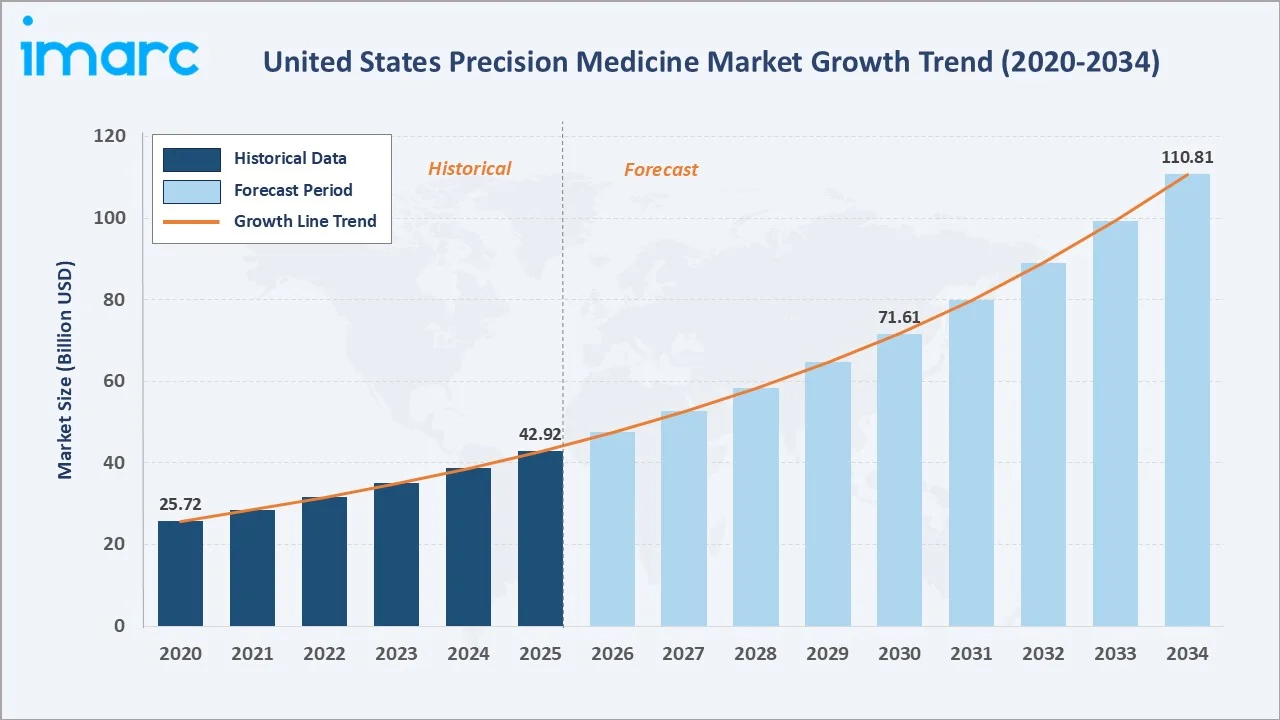
The United States precision medicine market grew from USD 42.92 Billion in 2025 to USD 47.54 Billion in 2026 and is projected to reach USD 110.81 Billion by 2034, growing at a CAGR of 10.78% during 2026-2034. Growth is driven by genomics advancements, chronic disease prevalence, and AI adoption.
Government support and collaborations between healthcare institutions and technology firms further expand the United States precision medicine market size. Consumables dominate at 48.0%. Oncology leads applications at 42.0%. The West commands 32.0% of the national market share, supported by dense biotechnology clusters.
Market Snapshot
|
Metric |
Value |
|
Base Year Market Size (2025) |
USD 42.92 Billion |
|
Market Size (2026) |
USD 47.54 Billion |
|
Forecast Market Size (2034) |
USD 110.81 Billion |
|
CAGR (2026-2034) |
10.78% |
|
Base Year |
2025 |
|
Historical Period |
2020-2025 |
|
Forecast Period |
2026-2034 |
|
Dominant Product |
Consumables (48.0%, 2025) |
|
Dominant Application |
Oncology (42.0%, 2025) |
|
Leading Region |
West (32.0%, 2025) |
The United States precision medicine market increased from USD 25.72 Billion in 2020 to USD 42.92 Billion in 2025 and is estimated to reach USD 47.54 Billion in 2026. The market is further expected to grow to USD 71.61 Billion by 2030 and USD 110.81 Billion by 2034.
To get more information on this market, Request Sample
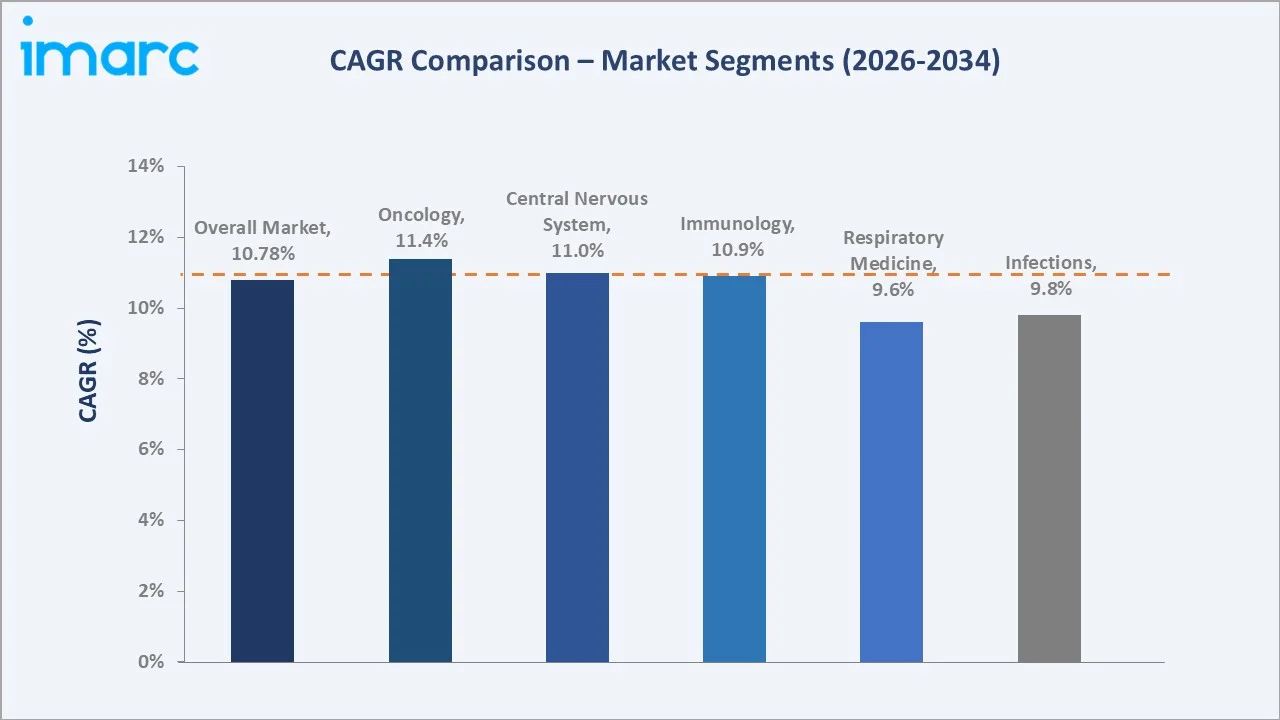
Services grow fastest at ~11.9% CAGR as genetic counseling, bioinformatics, and laboratory testing expand with test volumes. Oncology grows at ~11.4% CAGR, supported by comprehensive genomic profiling, liquid biopsy adoption, and a growing pipeline of biomarker-guided targeted therapies and immunotherapies.
Executive Summary
The United States precision medicine market expanded from USD 42.92 Billion in 2025 to an estimated USD 47.54 Billion in 2026. Precision medicine tailors prevention and treatment to individual genetic, environmental, and lifestyle factors, improving therapeutic efficacy and reducing adverse drug reactions across clinical settings.
Key United States precision medicine market trends include AI integration, blood-based cancer screening, and pharmacogenomics. The market is projected to reach USD 110.81 Billion by 2034. Consumables at 48.0% lead through recurring test demand. Oncology at 42.0% reflects cancer burden. The West leads regionally at 32.0%.
Key Market Insights
|
Insight |
Data |
|
Dominant Product |
Consumables - 48.0% share (2025) |
|
Dominant Application |
Oncology - 42.0% market share (2025) |
|
Leading Region |
West - 32.0% share (2025) |
|
Market Opportunity |
Blood-based multi-cancer screening; AI-enabled clinical decision support; pharmacogenomics in routine care; molecular residual disease (MRD) monitoring |
Key Analytical Observations Supporting the Above Data:
- Consumables at 48.0%: Consumables dominate as reagents, test kits, and laboratory supplies are required for every diagnostic and sequencing run, generating recurring revenue. Rising genomic test volumes across hospitals and reference laboratories continuously sustain demand for high-quality consumables. Expanding liquid biopsy and screening programs further increase per-patient consumable usage.
- Oncology at 42.0%: Oncology leads due to the high cancer burden and widespread use of genomic profiling to match patients with targeted therapies. The American Cancer Society projects approximately 2,114,850 new cancer cases in the United States in 2026, sustaining demand for precision oncology. Expanding companion diagnostic approvals further reinforce the segment's leadership.
- West at 32.0%: The West dominates due to dense biotechnology clusters in California and Washington, leading research institutions, and strong venture capital investment. Early adoption of AI, big data, and genomics further supports regional leadership in precision medicine innovation. Close collaboration between technology firms and health systems accelerates clinical translation.
United States Precision Medicine Market Overview
Precision medicine, often referred to as the US personalized medicine market, tailors diagnosis, prevention, and treatment to individual genetic, environmental, and lifestyle characteristics. Its applications include targeted therapies, companion diagnostics, pharmacogenomic testing, and risk-based screening for cancer, cardiovascular, neurological, and rare genetic disorders.
The ecosystem integrates instrument and reagent suppliers, genomic testing laboratories, pharmaceutical developers, payers, regulators, and healthcare providers. Macroeconomic factors include rising chronic disease prevalence, declining sequencing costs, expanding healthcare data, and sustained federal funding for genomic research programs such as All of Us.
Market Dynamics
To evaluate market opportunities, Request Sample
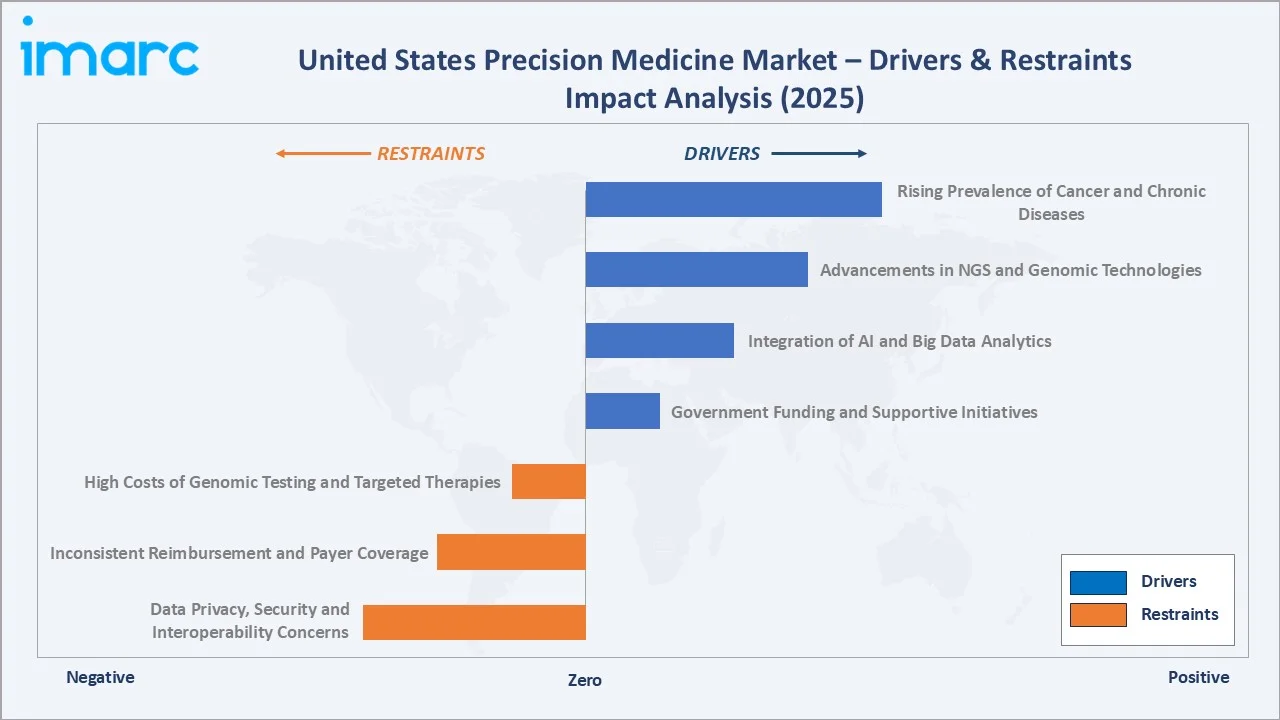
Market Drivers
- Rising Prevalence of Cancer and Chronic Diseases: The U.S. Food & Drug Administration reports that seven of the ten leading causes of death in the country are common chronic diseases, including cardiovascular disease, diabetes, and certain cancers. This burden is increasing demand for individualized therapeutic interventions. Genomic profiling helps clinicians identify patients most likely to benefit from specific therapies. As a result, precision approaches are becoming standard in oncology and expanding into cardiology and metabolic disease.
- Advancements in NGS and Genomic Technologies: Next-generation sequencing is enabling faster and more affordable genetic profiling than traditional methods. In October 2024, Illumina introduced the MiSeq i100 Series benchtop sequencers, with the MiSeq i100 Plus delivering up to 100 million single-end reads per run. Lower sequencing costs are widening access across community hospitals and reference laboratories. These advances are accelerating biomarker discovery and rare mutation detection for personalized treatment planning.
- Integration of AI and Big Data Analytics: AI algorithms analyze vast clinical and genomic datasets to identify patterns, predict disease risk, and suggest personalized interventions. AI tools are improving diagnostic accuracy and shortening turnaround times. They also help pharmaceutical companies identify responsive patient subgroups, accelerating clinical trial enrollment and drug development.
- Government Funding and Supportive Initiatives: Federal programs are expanding genomic data and research infrastructure for precision medicine. In February 2024, the NIH identified 275 million new genetic variants through the All of Us Research Program using data from nearly 250,000 participants. Such initiatives improve the diversity of genomic datasets and strengthen discovery. Government support also encourages public-private partnerships, making precision solutions more accessible across healthcare systems nationwide.
Market Restraints
- High Costs of Genomic Testing and Targeted Therapies: Comprehensive genomic profiling, companion diagnostics, and targeted therapies involve substantial costs for patients and healthcare systems. High out-of-pocket expenses limit access, particularly among uninsured and underinsured populations. Smaller hospitals often lack the capital to invest in advanced sequencing infrastructure. Consequently, adoption remains concentrated in large academic medical centers and well-funded health systems.
- Inconsistent Reimbursement and Payer Coverage: Coverage policies for genomic tests vary widely across Medicare, Medicaid, and commercial insurers. Many novel tests lack established billing codes or face lengthy coverage determinations. This uncertainty discourages some providers from ordering tests and slows commercial uptake. Test developers must invest heavily in clinical utility evidence to secure favorable payer decisions.
- Data Privacy, Security and Interoperability Concerns: Precision medicine relies on sensitive genetic and health information, raising privacy and cybersecurity risks. Fragmented electronic health record systems limit seamless data exchange between laboratories and providers. Patients may hesitate to share genomic data due to discrimination or misuse concerns. These barriers slow large-scale data integration needed for advanced analytics and research.
Market Opportunities
- Blood-Based Cancer Screening and Liquid Biopsy: Blood-based tests offer convenient screening and monitoring without invasive procedures. In May 2026, Guardant Health's FDA-approved Shield blood test was added to the American Cancer Society's updated colorectal cancer screening guidelines. Growing guideline recognition is expanding payer coverage and physician adoption. Multi-cancer detection tests represent a significant next frontier for early diagnosis.
- Pharmacogenomics in Routine Clinical Care: Pharmacogenomic testing helps predict individual drug responses, reducing adverse reactions and trial-and-error prescribing. In June 2024, BioStrand, a subsidiary of ImmunoPrecise Antibodies, collaborated with PGxAI to develop an AI model generating pharmacogenomic recommendations. Integrating such tools into electronic health records can support point-of-care prescribing decisions. This creates opportunities in psychiatry, cardiology, and pain management.
Market Challenges
- Shortage of Genetic Counselors and Skilled Workforce: Interpreting complex genomic results requires trained genetic counselors, bioinformaticians, and molecular pathologists. Workforce supply has not kept pace with rising test volumes, creating delays in result communication. Many rural areas lack access to specialized expertise entirely. Telehealth-based counseling and AI-assisted interpretation are emerging as partial solutions to this gap.
- Clinical Evidence and Physician Adoption Gaps: Demonstrating clinical utility for many genomic tests requires large, long-term outcome studies. Some physicians remain uncertain about how to act on variants of uncertain significance. Limited genomics training in medical education slows confident adoption. Developers must invest in education programs and decision-support tools to translate results into actionable care.
Emerging Market Trends
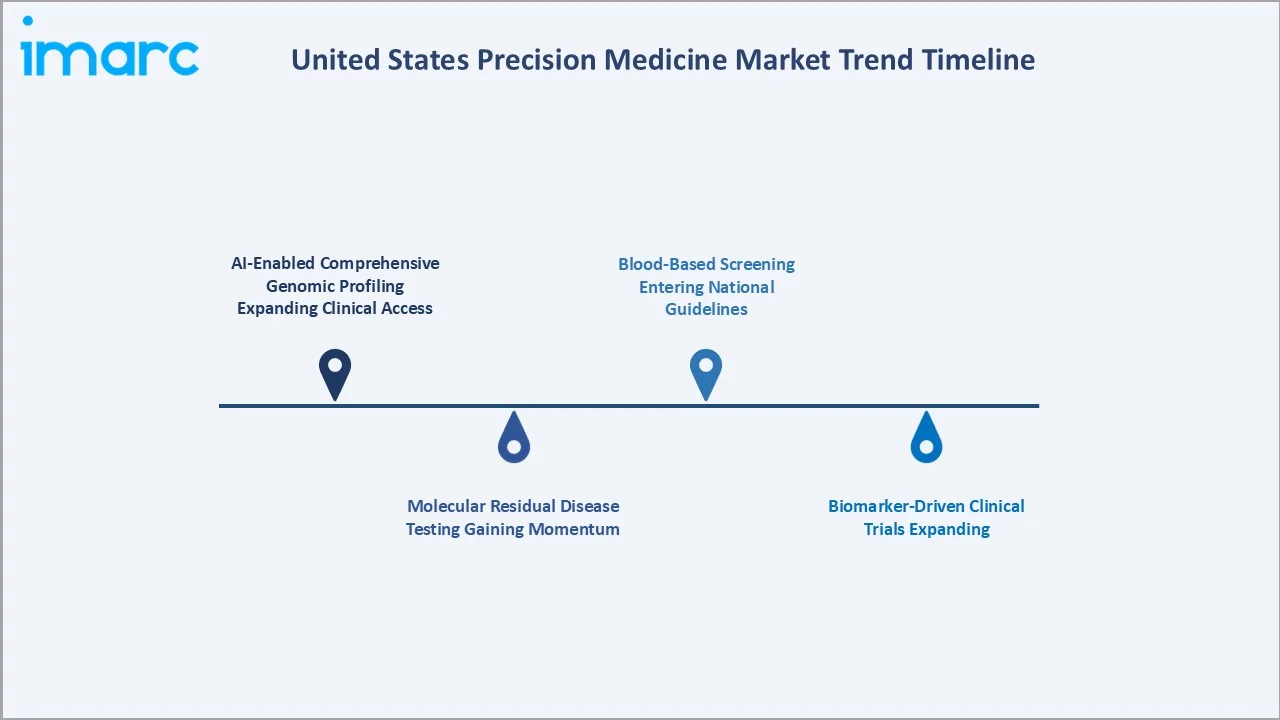
1. AI-Enabled Comprehensive Genomic Profiling Expanding Clinical Access
AI and advanced computational technologies are improving comprehensive genomic profiling by enabling faster analysis of large volumes of molecular data and supporting the identification of clinically relevant genomic alterations. Increasing adoption of these technologies is helping expand the use of precision oncology and improve the ability to match patients with potentially appropriate targeted therapies.
2. Blood-Based Screening Entering National Guidelines
Blood-based cancer screening is gaining attention as a less invasive approach to early disease detection. Growing clinical validation, regulatory progress, and increasing acceptance among healthcare providers and payers are supporting the broader adoption of liquid biopsy and blood-based screening technologies, particularly for cancers where conventional screening methods may have accessibility limitations.
3. Molecular Residual Disease Testing Gaining Momentum
Molecular residual disease (MRD) testing is gaining importance in cancer management by detecting small amounts of residual disease that may remain after treatment. Advances in highly sensitive genomic technologies are enabling more precise monitoring of treatment response and recurrence risk, while increasing integration of MRD testing into clinical development programs is supporting its potential role in personalized cancer management.
4. Biomarker-Driven Clinical Trials Expanding
Biomarker-driven clinical trials are becoming increasingly important in precision medicine by using molecular characteristics to identify patient populations that may benefit from specific therapies. The expansion of these trials across oncology is helping improve patient stratification, accelerate evaluation of targeted treatments, and support the development of more personalized therapeutic approaches.
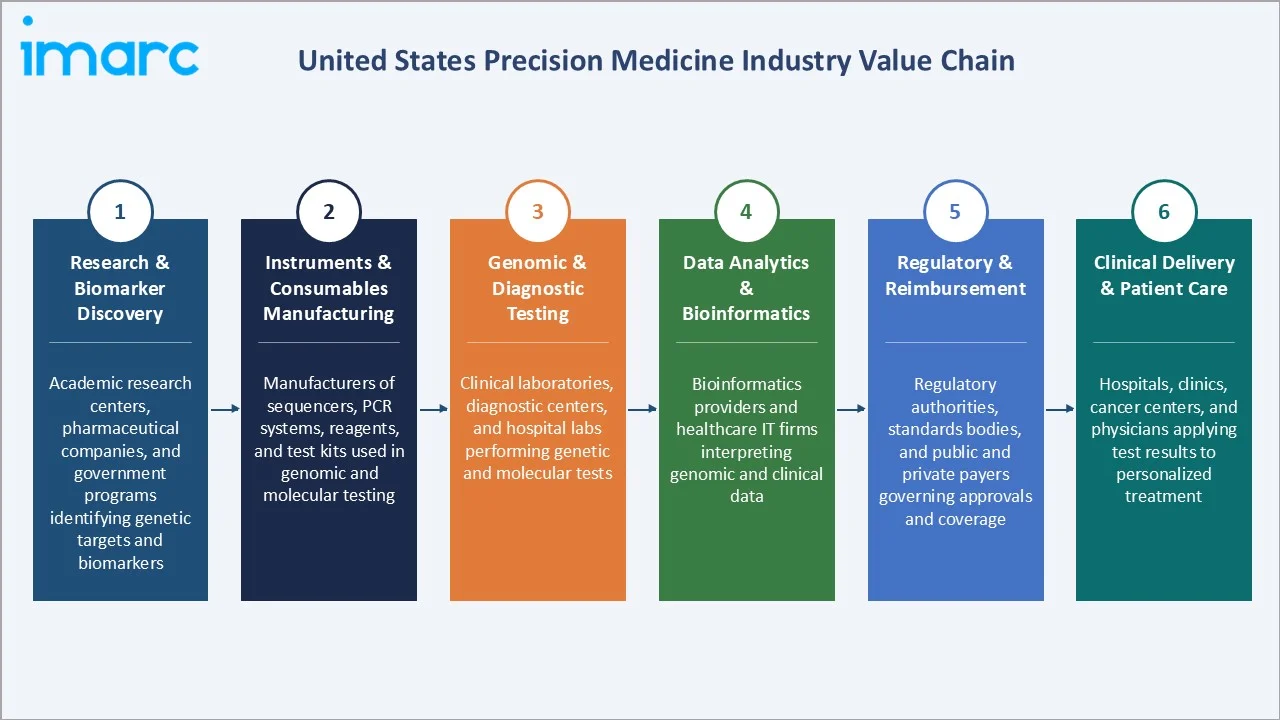
Industry Value Chain Analysis
The precision medicine value chain spans research and biomarker discovery to clinical delivery. Value is concentrated in sequencing platforms, proprietary test menus, and data assets, while revenue flows through test reimbursement, instrument sales, consumables, and pharmaceutical partnerships for companion diagnostics and data licensing.
|
Stage |
Key Participants |
|
Research & Biomarker Discovery |
Academic research centers, pharmaceutical companies, and government programs identifying genetic targets and biomarkers |
|
Instruments & Consumables Manufacturing |
Manufacturers of sequencers, PCR systems, reagents, and test kits used in genomic and molecular testing |
|
Genomic & Diagnostic Testing |
Clinical laboratories, diagnostic centers, and hospital labs performing genetic and molecular tests |
|
Data Analytics & Bioinformatics |
Bioinformatics providers and healthcare IT firms interpreting genomic and clinical data |
|
Regulatory & Reimbursement |
Regulatory authorities, standards bodies, and public and private payers governing approvals and coverage |
|
Clinical Delivery & Patient Care |
Hospitals, clinics, cancer centers, and physicians applying test results to personalized treatment |
Data analytics and bioinformatics is the most value-critical stage, as it converts raw sequencing data into actionable clinical insights. Companies owning large multimodal datasets and validated interpretation algorithms command stronger pharmaceutical partnerships and clearly differentiate their offerings from commodity testing providers.
Technology Landscape in the United States Precision Medicine Industry
Next-Generation Sequencing and Gene Sequencing
NGS enables high-throughput analysis of genomes, exomes, and targeted gene panels at declining costs. It identifies mutations that influence disease susceptibility and drug response, forming the foundation of comprehensive genomic profiling, hereditary cancer testing, and rare disease diagnosis across clinical laboratories.
Big Data Analytics and Bioinformatics
Big data analytics processes genetic, clinical, and environmental information to reveal individualized risk patterns. Bioinformatics tools interpret complex sequence data, predict disease risks, and tailor therapies, enabling clinicians to optimize treatment plans based on individual genetic profiles and real-world evidence.
Companion Diagnostics and Liquid Biopsy
Companion diagnostics identify patients likely to benefit from specific targeted therapies, linking test results directly to treatment decisions. Liquid biopsy analyzes circulating tumor DNA from blood samples, supporting non-invasive cancer screening, therapy selection, and recurrence monitoring across oncology care pathways.
Market Segmentation Analysis
The report covers the following segments:
|
Segment Category |
Leading Segment |
Market Share |
Year |
|
Product |
Consumables |
48.0% |
2025 |
|
Technology |
🔒 |
🔒 |
2025 |
|
Application |
Oncology |
42.0% |
2025 |
|
End User |
🔒 |
🔒 |
2025 |
|
Region |
West |
32.0% |
2025 |

By Product
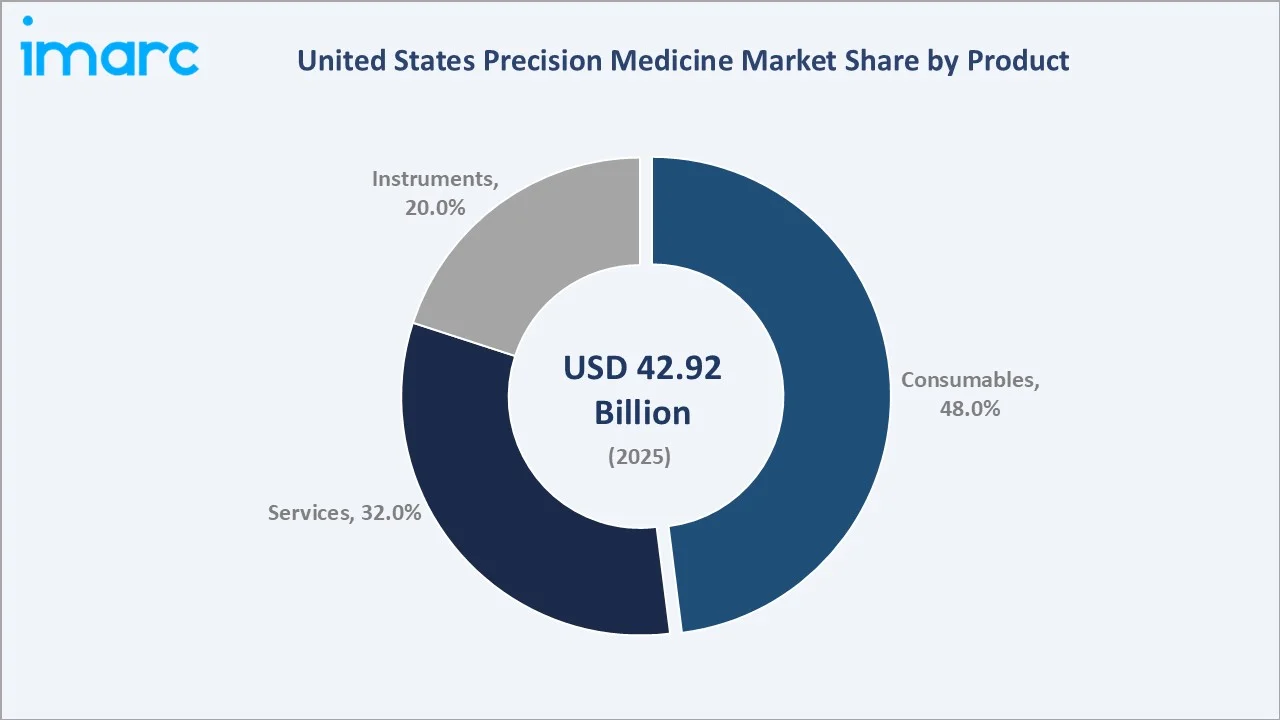
Consumables lead at 48.0% (2025). Reagents, test kits, and laboratory supplies are essential for sample collection, processing, and diagnostic testing. Advancements in genomics and molecular biology continue to drive demand for high-quality consumables, reinforcing the segment's dominant United States precision medicine market share.
To access detailed market analysis, Request Sample
Services at 32.0% grow fastest at ~11.9% CAGR through genetic counseling, bioinformatics, data analysis, and laboratory testing. Instruments hold 20.0%, including NGS platforms, PCR machines, and mass spectrometers essential for precise diagnostics and personalized treatment planning.
By Application
Oncology leads at 42.0% (2025). Genomic profiling and targeted therapies enable personalized cancer treatment based on individual patient and tumor genetic profiles, improving treatment response, reducing adverse effects, and supporting better prognosis across solid tumors and hematologic malignancies.
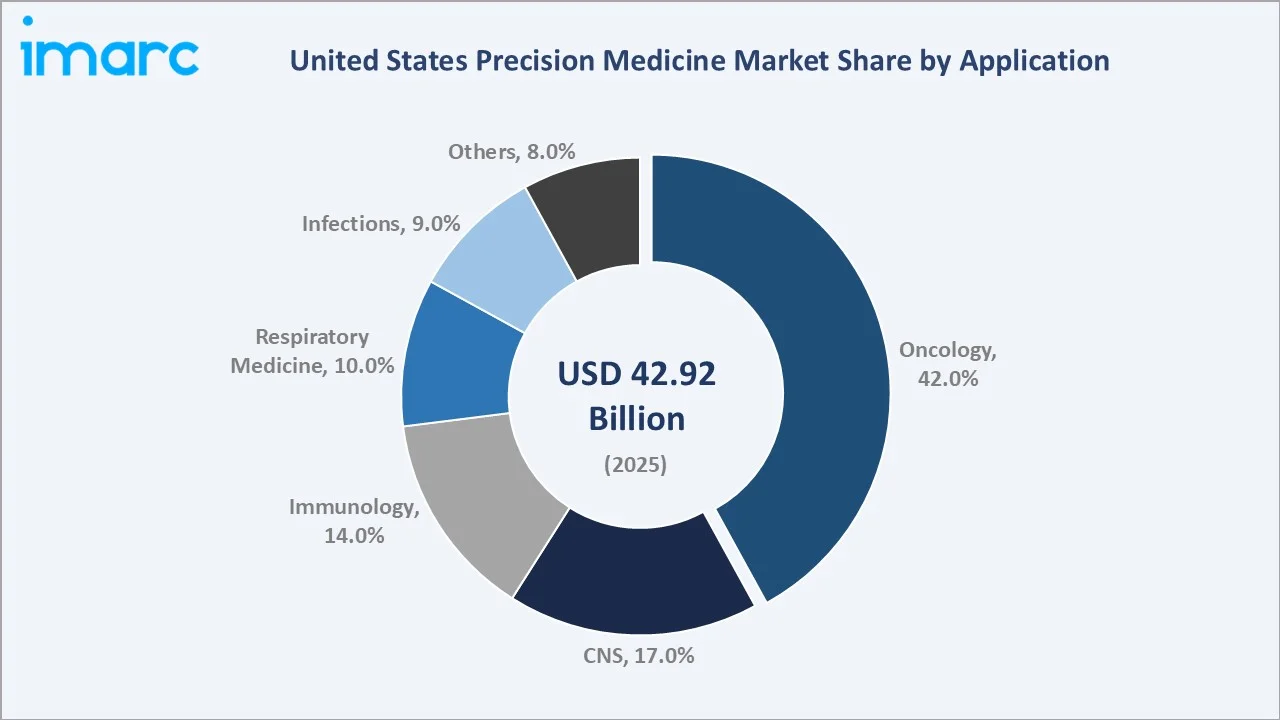
CNS at 17.0% addresses Alzheimer's, Parkinson's, and multiple sclerosis through biomarker-guided strategies. Immunology holds 14.0%, supporting personalized immunotherapies, while respiratory medicine at 10.0%, infections at 9.0%, and others at 8.0% expand through genomic and molecular diagnostics.
Regional Market Insights
|
Region |
Share (2025) |
Key United States Precision Medicine Market Drivers & Characteristics |
|
West |
32.0% |
Driven by strong biotechnology clusters, technology adoption, and research investment. |
|
Northeast |
28.0% |
Supported by established healthcare infrastructure, leading academic institutions, and clinical research activity. |
|
South |
23.0% |
Reflects expanding healthcare access, large-scale healthcare initiatives, and a diverse patient population. |
|
Midwest |
17.0% |
Rising adoption supported by medical institutions, universities, and growing genetic testing capabilities. |
The West's 32.0% leadership reflects California and Washington, which host hundreds of biotechnology companies and renowned research centers integrating AI, big data, and genomics. The Northeast's 28.0% reflects Massachusetts, New York, and Pennsylvania, home to leading medical research centers and clinical trial hubs.
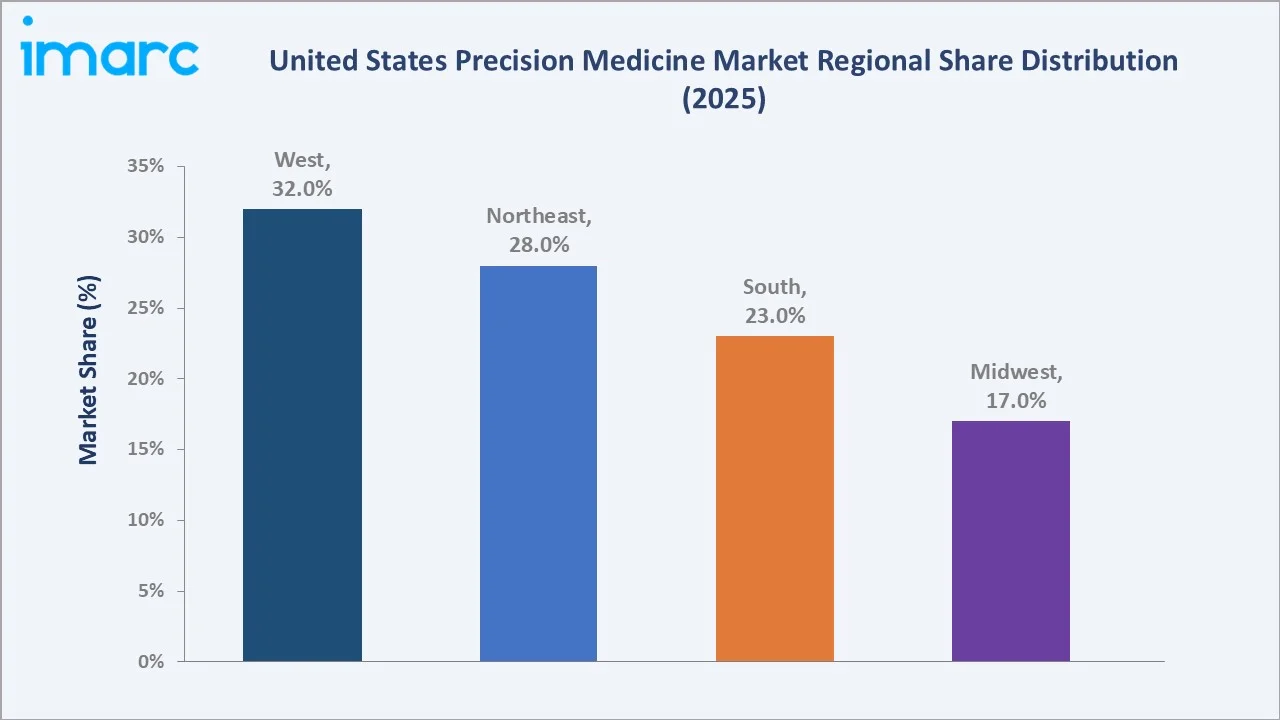
The South's 23.0% reflects Texas, Florida, and North Carolina investing in large-scale initiatives integrating genomics and data analytics. The Midwest's 17.0% is supported by medical institutions and universities in Chicago, Cleveland, and Minneapolis advancing genetic testing and diagnostics.
Competitive Landscape
United States precision medicine market analysis shows a competitive landscape marked by constant innovation, strategic collaborations, and high R&D investment. Companies compete through sequencing platforms, test menus, regulatory approvals, payer coverage, and AI-enabled data capabilities across oncology and other therapeutic areas.
|
Company |
Key Brands |
Market Position |
Core Strength |
|
Illumina, Inc. |
NovaSeq X, MiSeq i100, TruSight Oncology Comprehensive |
Market Leader |
Leading provider of sequencing platforms and consumables underpinning genomic testing across U.S. laboratories, with a large installed instrument base, recurring reagent revenue, and integrated DRAGEN software supporting clinical and research workflows |
|
Thermo Fisher Scientific Inc. |
Ion Torrent Genexus, Oncomine Dx Target Test |
Market Leader |
Broad portfolio of sequencing, PCR, and laboratory consumables with strong companion diagnostic partnerships, supported by extensive manufacturing scale, a wide distribution network, and fast-turnaround genomic testing solutions for oncology |
|
Guardant Health, Inc. |
Guardant360 CDx, Shield, Guardant Reveal |
Innovator |
Leader in blood-based cancer testing spanning screening, therapy selection, and recurrence monitoring, with its FDA-approved Shield test included in national colorectal cancer screening guidelines and expanding commercial payer coverage |
|
Natera, Inc. |
Signatera, Panorama, Prospera |
Strong Challenger |
Cell-free DNA testing leader in oncology MRD, women's health, and organ health, leveraging personalized tumor-informed testing, high test volumes, and a strong base of published clinical evidence |
|
Myriad Genetics, Inc. |
MyRisk, GeneSight, Precise Tumor |
Niche Player |
Specializes in hereditary cancer risk, pharmacogenomic mental health, and tumor profiling tests, backed by decades of genetic testing experience and an established network of physicians in oncology, women's health, and psychiatry |
Key players include Illumina, Inc., Thermo Fisher Scientific Inc., Guardant Health, Inc., Natera, Inc., Myriad Genetics, Inc., and others.
Key Company Profiles
Illumina, Inc.
Illumina, Inc., headquartered in San Diego, California, is a global leader in DNA sequencing and array-based technologies. Its sequencing instruments, reagents, and software form the foundation of genomic testing across U.S. clinical laboratories, research institutions, and pharmaceutical companies.
- Key Brands: NovaSeq X, MiSeq i100, NextSeq, TruSight Oncology Comprehensive, DRAGEN, among others.
- Strategic Focus: Expanding clinical sequencing adoption and multiomics capabilities to support precision medicine at scale. The company is integrating genomics, proteomics, and software into unified workflows for customers. It also continues expanding its oncology testing menu to support comprehensive genomic profiling in community settings.
Guardant Health, Inc.
Guardant Health, Inc., headquartered in Palo Alto, California, is a leading precision oncology company specializing in blood-based tests. Its portfolio spans cancer screening, therapy selection, and recurrence monitoring, supported by proprietary data sets and advanced analytics.
- Key Brands: Guardant360 CDx, Guardant360 Liquid CDx, Shield, Guardant Reveal.
- Strategic Focus: Expanding blood-based screening and payer coverage across the United States. The company is advancing its Shield multi-cancer detection test, which received FDA Breakthrough Device designation. It also launched a coast-to-coast mobile screening tour in 2026 to reach underserved rural communities.
Market Concentration Analysis
The United States precision medicine market is moderately concentrated in sequencing instruments, where a few platform providers dominate, and more fragmented in diagnostic testing services. Numerous specialized laboratories compete on test menus, turnaround time, clinical evidence, and payer coverage.
Concentration is evolving through two opposing forces: consolidation as large players acquire specialized testing and data companies, and continuous entry of AI-driven startups and niche laboratories addressing unmet needs in screening, pharmacogenomics, and rare disease diagnostics.
Investment & Growth Opportunities
Highest Growth Segments
Services (~11.9% CAGR through bioinformatics and genetic counseling), oncology (~11.4% CAGR through genomic profiling and liquid biopsy), and CNS (~11.0% CAGR through biomarker-guided neurology) represent the highest-growth investment vectors in the United States precision medicine market through 2034.
Emerging Investment Opportunities
Blood-based multi-cancer detection and MRD monitoring represent the most promising emerging opportunities. Guideline inclusion, expanding payer coverage, and strong clinical validation are positioning these tests for rapid adoption, supported by high recurring test volumes across screening and oncology care pathways.
Investment Themes
- AI-enabled data platforms creating recurring revenue: Companies monetizing multimodal clinical and genomic datasets through pharmaceutical partnerships and data licensing offer scalable, high-margin business models with long-term revenue visibility. Recent foundation model deliveries to pharmaceutical partners demonstrate growing commercial demand.
- Laboratory capacity and reimbursement-ready test portfolios: Investment in high-throughput laboratories and FDA-approved test menus supports favorable reimbursement and scalable growth. Companies with strong payer coverage are best positioned to capture rising test volumes across community and academic settings.
Future Market Outlook (2026-2034)
The United States precision medicine market is projected to grow from USD 42.92 Billion in 2025 to USD 47.54 Billion in 2026, reaching USD 110.81 Billion by 2034, registering a CAGR of 10.78% during 2026-2034. The market's anchor value of USD 71.61 Billion in 2030 represents a structural inflection.
Three structural forces define U.S. personalized medicine market trends through 2034: declining sequencing costs broadening test access; AI integration improving interpretation and clinical decision-making; and expanding guideline and payer support moving blood-based screening and genomic profiling into mainstream care across the country.
Research Methodology
Primary Research
Primary research comprised structured interviews with laboratory directors, oncologists, genetic counselors, pharmaceutical executives, payer representatives, healthcare IT leaders, and procurement heads across the West, Northeast, South, and Midwest regions of the United States.
Secondary Research
Secondary research encompassed company annual reports, SEC filings, investor presentations, FDA approvals, CMS coverage decisions, clinical trial registries, peer-reviewed journals, and government health statistics, supporting a comprehensive United States precision medicine market analysis. Over 50 secondary sources were reviewed.
Forecasting Models
Market revenue forecasts were developed using bottom-up and top-down approaches: test volumes and instrument installations by application multiplied by average selling prices and reimbursement rates, validated against company revenues, healthcare expenditure data, and expert interview inputs.
United States Precision Medicine Market Report Scope:
| Report Features | Details |
|---|---|
| Base Year of the Analysis | 2025 |
| Historical Period | 2020-2025 |
| Forecast Period | 2026-2034 |
| Units | Billion USD |
| Scope of the Report | Exploration of Historical Trends and Market Outlook, Industry Catalysts and Challenges, Segment-Wise Historical and Future Market Assessment:
|
| Products Covered | Consumables, Instruments, and Services |
| Technologies Covered | Big Data Analytics, Bioinformatics, Gene Sequencing, Drug Discovery, Companion Diagnostics, Others |
| Applications Covered | Oncology, Central Nervous System (CNS), Immunology, Respiratory Medicine, Infections, Others |
| End Users Covered | Hospitals and Clinics, Diagnostic Centers, Pharma and Biotech Companies, Healthcare IT Firms, Others |
| Regions Covered | Northeast, Midwest, South, West |
| Companies Covered | Illumina, Inc., Thermo Fisher Scientific Inc., Guardant Health, Inc., Natera, Inc., Myriad Genetics, Inc., etc. |
| Customization Scope | 10% Free Customization |
|
Post-Sale Analyst Support |
10-12 Weeks |
| Delivery Format | PDF and Excel through Email (We can also provide the editable version of the report in PPT/Word format on special request) |
Key Benefits for Stakeholders:
- IMARC’s report offers a comprehensive quantitative analysis of various market segments, historical and current market trends, market forecasts, and dynamics of the United States precision medicine market from 2020-2034.
- The research study provides the latest information on the market drivers, challenges, and opportunities in the United States precision medicine market.
- Porter's Five Forces analysis assists stakeholders in assessing the impact of new entrants, competitive rivalry, supplier power, buyer power, and the threat of substitution. It helps stakeholders to analyze the level of competition within the United States precision medicine industry and its attractiveness.
- Competitive landscape allows stakeholders to understand their competitive environment and provides an insight into the current positions of key players in the market.
Frequently Asked Questions About the United States Precision Medicine Market Report
United States precision medicine market size is estimated at USD 47.54 Billion in 2026, driven by genomics advancements, rising chronic disease prevalence, and AI adoption. Government support and growing collaborations between healthcare institutions and technology firms further support market expansion.
United States precision medicine market grows at 10.78% CAGR during 2026-2034, reaching USD 110.81 Billion by 2034. Overall growth is sustained by declining sequencing costs, AI-enabled interpretation, blood-based screening adoption, and expanding payer coverage for genomic testing.
Consumables lead at 48.0% through recurring demand for reagents, test kits, and laboratory supplies required in every diagnostic and sequencing procedure, supported by rising genomic test volumes across hospitals and reference laboratories.
Oncology leads at 42.0% through widespread use of genomic profiling, companion diagnostics, and liquid biopsy to match cancer patients with targeted therapies and immunotherapies, supported by a high national cancer burden.
The West leads at 32.0% through dense biotechnology clusters in California and Washington, leading research centers, strong venture capital investment, and early adoption of AI, big data, and genomic technologies.
Leading companies include Illumina, Inc., Thermo Fisher Scientific Inc., Guardant Health, Inc., Natera, Inc., Myriad Genetics, Inc., and others.
United States precision medicine market is projected to reach approximately USD 71.61 Billion by 2030, supported by expanding blood-based screening, AI-enabled genomic profiling, growing MRD adoption, and broader payer coverage for precision diagnostics and targeted therapies.
Need more help?
- Speak to our experienced analysts for insights on the current market scenarios.
- Include additional segments and countries to customize the report as per your requirement.
- Gain an unparalleled competitive advantage in your domain by understanding how to utilize the report and positively impacting your operations and revenue.
- For further assistance, please connect with our analysts.
 Request Customization
 Speak to an Analyst
 Request Brochure
 Inquire Before Buying
Benefits of Customization
- Personalize this research
- Triangulate with your data
- Get data as per your format and definition
- Gain a deeper dive into a specific application, geography, customer, or competitor
- Any level of personalization
Get in Touch With Us
UNITED STATES
Phone: +1-201-971-6302
INDIA
Phone: +91-120-433-0800
UNITED KINGDOM
Phone: +44-753-714-6104
Email: [email protected]
Client Testimonials




.webp)




.webp)













Related Reports

Choose your plan
*Please note that the prices mentioned below are starting prices for each bundle type. Kindly contact our team for further details.*
Single User License
- 1 User License, Access on 2 Devices
- PDF Report + Excel Dataset (Password Protected)
- Lifetime Access
- No Printing Rights
- 10% Free Report Customization
- 10–12 Weeks of Analyst Support
Five User License
- Access for 5 Users, 2 Devices per User
- PDF Report + Excel Dataset (Password Protected)
- Lifetime Access
- Dedicated Account Manager
- 12–14 Weeks of Analyst Support
- No Printing Rights
- 15% Free Report Customization
- 25% Discount on Your Next Purchase
Corporate User License
- Unlimited User Access (Within Your Organization)
- PDF Report + Excel Dataset
- Lifetime Access
- Dedicated Account Manager
- 14–20 Weeks of Analyst Support
- No Printing Rights
- 20% Free Report Customization
- 30% Discount on Your Next Purchase
Essential Insights
What's included:
3 reports
- Lifetime Access
- PDF Reports
- Excel Datasets
- 2 Weeks of Free Analyst Support
- 2 User Licenses
- Access on 2 Devices
- Printing Rights
- Complimentary PowerPoint (PPT) Version
- Complimentary License Upgrade
Professional Access
What's included:
5 reports
- Lifetime Access
- PDF Reports
- Excel Datasets
- 8 Weeks of Free Analyst Support
- 2 User Licenses
- Access on 2 Devices
- Printing Rights
- Complimentary PowerPoint (PPT) Version
- Complimentary License Upgrade
Business Advantage
What's included:
8 reports
- Lifetime Access
- PDF Reports
- Excel Datasets
- 14 Weeks of Free Analyst Support
- 2 User Licenses
- Access on 2 Devices
- Printing Rights
- Complimentary PowerPoint (PPT) Version
- Complimentary License Upgrade
Enterprise Intelligence
What's included:
10 reports
- Lifetime Access
- PDF Reports
- Excel Datasets
- 20 Weeks of Free Analyst Support
- 2 User Licenses
- Access on 2 Devices
- Printing Rights
- Complimentary PowerPoint (PPT) Version
- Complimentary License Upgrade