
Japan Pharmaceutical Market Size, Share, Trends and Forecast by Prescription Type, Therapeutic Category, and Region, 2026-2034
Japan Pharmaceutical Market Size, Share, Trends & Forecast (2026-2034)
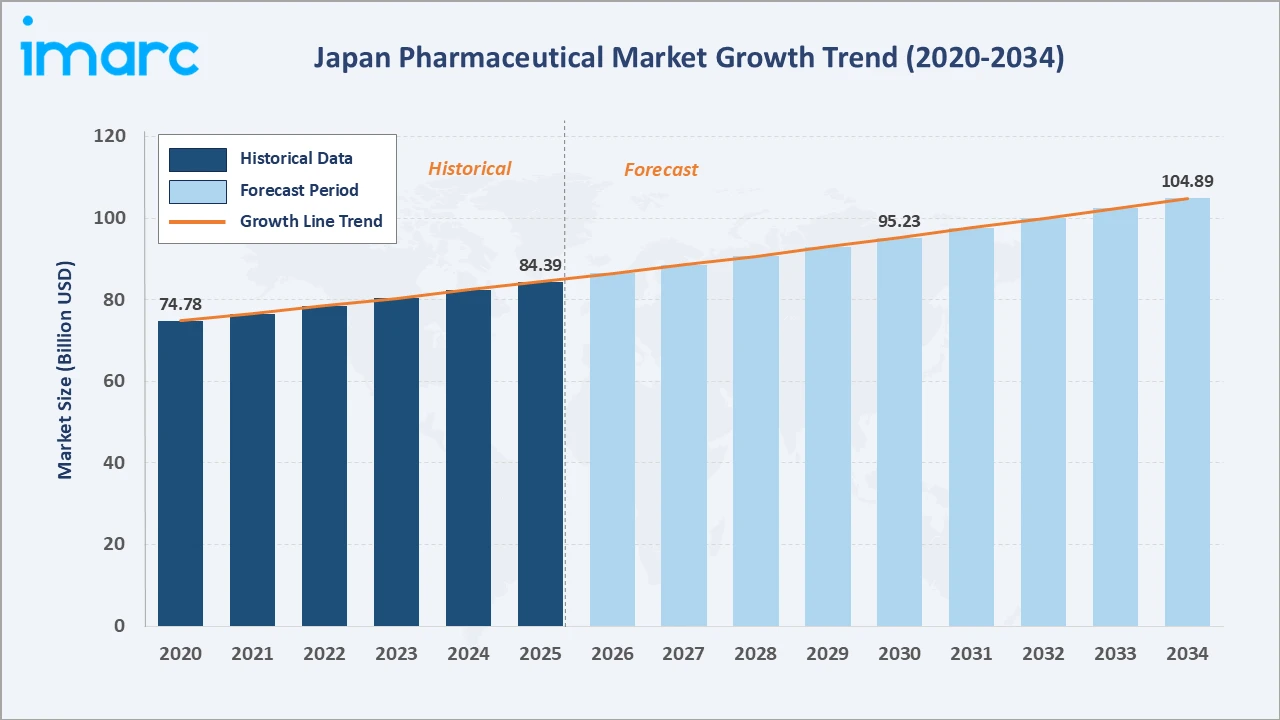
The Japan pharmaceutical market size increased from USD 84.39 Billion in 2025 to USD 86.45 Billion in 2026 and is projected to reach USD 104.89 Billion by 2034, exhibiting a CAGR of 2.45% during 2026-2034. Japan is the world’s third-largest pharmaceutical market after the United States and China, making it a major destination for global drug manufacturers. In 2023, shipment value for prescription and over-the-counter medicines reached approximately ¥12.4 trillion, with prescription drugs accounting for nearly 93% of the total. The market’s large scale, high healthcare spending, aging population, and strong demand for advanced therapies continue to support pharmaceutical sales, research investment, product launches, and international company participation in Japan. Prescription drugs lead the prescription type at 82.4%, the cardiovascular system dominates the therapeutic category at 22.8%, and the Kanto region accounts for the largest regional share at 41.8%.
Market Snapshot
|
Metric |
Value |
|
Base Year Market Size (2025) |
USD 84.39 Billion |
| Market Size (2026) | USD 86.45 Billion |
|
Forecast Market Size (2034) |
USD 104.89 Billion |
|
CAGR (2026-2034) |
2.45% |
|
Base Year |
2025 |
|
Historical Period |
2020-2025 |
|
Forecast Period |
2026-2034 |
|
Dominant Prescription Type |
Prescription Drugs (82.4%, 2025) |
|
Dominant Therapeutic Category |
Cardiovascular System (22.8%, 2025) |
|
Leading Region |
Kanto Region (41.8%, 2025) |
The Japan pharmaceutical market grew from USD 74.78 Billion in 2020 to USD 84.39 Billion in 2025 reaching an estimated USD 86.45 Billion in 2026, supported by Japan's NHI (National Health Insurance) system providing near-universal coverage for pharmaceutical expenditure, the aging population driving persistent demand for cardiovascular, blood disorder, and respiratory medications, and breakthrough drug approvals. The market is projected to reach USD 95.23 Billion by 2030 and USD 104.89 Billion by 2034.
To get more information on this market, Request Sample
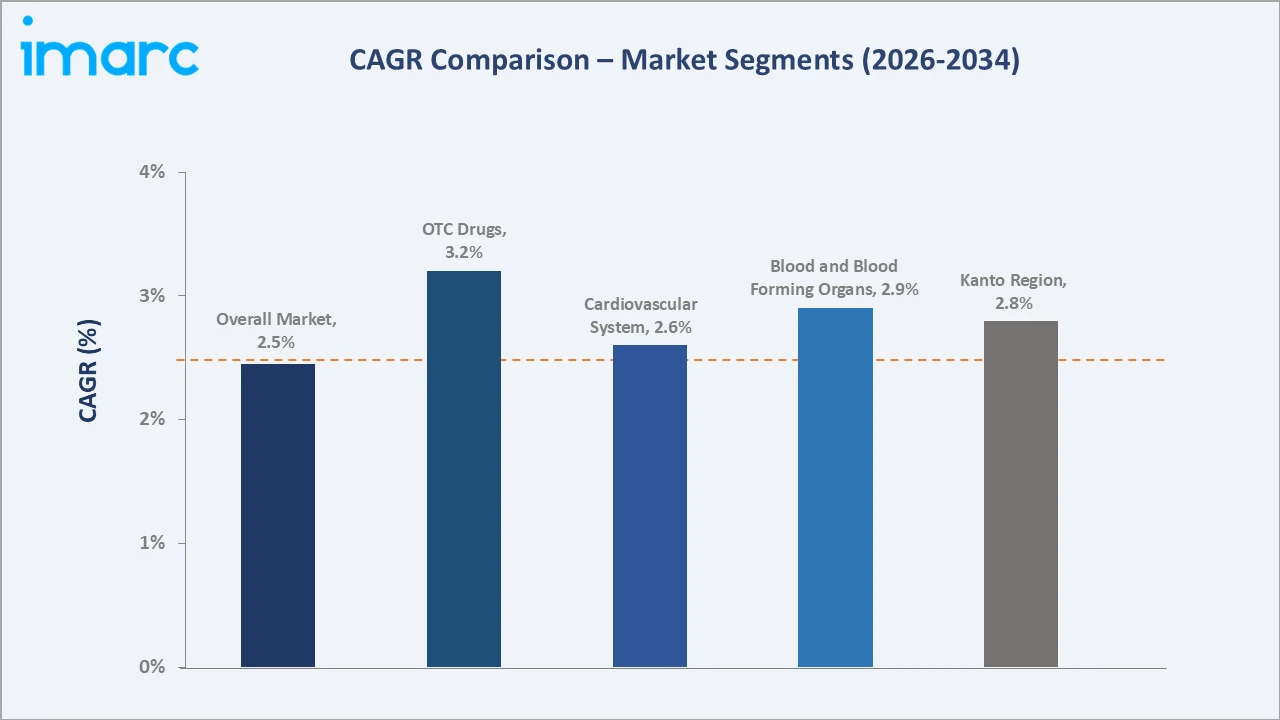
Blood and blood forming organs grow at ~2.9% CAGR through expanding anticoagulant and hemostasis treatment demand in Japan's senior population. OTC drugs grow at ~3.2% CAGR through regulatory liberalization enabling broader online pharmacy access. Kanto region leads growth at ~2.8% CAGR, driven by Tokyo's concentration of academic medical centers, research hospitals, and Japan's largest clinical trial infrastructure.
Executive Summary
The Japan pharmaceutical market is the third-largest in the world, behind only the United States and China, and is distinguished by its universal NHI reimbursement system providing access to essentially the entire Japanese population, its aging demographic creating persistent structural demand for chronic disease medications, and an exceptional domestic pharmaceutical innovation ecosystem anchored by world-class companies. Market expanded from USD 84.39 Billion in 2025 to an estimated USD 86.45 Billion in 2026 and is forecast to reach USD 104.89 Billion by 2034.
Prescription drugs lead at 82.4% (2025), reflecting Japan's healthcare system's physician-driven prescribing model and NHI reimbursement framework that covers the vast majority of pharmaceutical expenditure through hospital and clinic prescription channels. The cardiovascular system commands 22.8% of the therapeutic category (2025), reflecting Japan's senior demographic's high prevalence of hypertension, atrial fibrillation, and heart failure requiring long-term pharmacological management. The Kanto region commands 41.8% (2025), anchored by Tokyo's concentration of university hospitals, research centers, and Japan's largest pharmaceutical company headquarters.
Key Market Insights
|
Insight |
Data |
|
Dominant Prescription Type |
Prescription Drugs – 82.4% share (2025) |
|
Dominant Therapeutic Category |
Cardiovascular System – 22.8% share (2025) |
|
Leading Region |
Kanto Region – 41.8% share (2025) |
|
Market Opportunity |
Alzheimer's disease-modifying therapies; ADC oncology expansion; biologic biosimilars; online pharmacy channel growth |
Key Analytical Observations Supporting the Above Data:
- Prescription Drugs at 82.4% (2025): Japan's physician-centric prescribing model and NHI reimbursement system direct the overwhelming majority of pharmaceutical spend through prescription channels. Hospital pharmacies serve as the primary dispensing point for oncology biologics, immunosuppressants, and complex injectables that represent Japan's highest-value drug categories.
- Cardiovascular System at 22.8% (2025): Japan's hypertension prevalence, estimated at 43 million patients, including 31 million with poorly controlled hypertension, creates the largest single therapeutic demand driver in the pharmaceutical market. ACE inhibitors, ARBs, calcium channel blockers, and anticoagulants (including direct oral anticoagulants for atrial fibrillation prevention) collectively represent the largest product categories by value.
- Kanto Region at 41.8% (2025): The Kanto region dominates due to the high concentration of major drug manufacturers, research institutions, hospitals, regulatory bodies, and distribution networks in Tokyo and surrounding prefectures. Its large population, advanced healthcare infrastructure, and strong clinical research ecosystem support substantial demand for prescription medicines and innovative therapies.
Japan Pharmaceutical Market Overview
The Japan pharmaceutical market encompasses prescription drugs, over-the-counter medicines, generics, biosimilars, vaccines, and advanced therapies. It serves major therapeutic areas such as oncology, cardiovascular diseases, diabetes, neurology, respiratory disorders, and infectious diseases. The market includes domestic and multinational drug manufacturers, research organizations, wholesalers, hospitals, pharmacies, and retail drugstores. It is shaped by universal health coverage, government pricing and reimbursement policies, and strict regulatory oversight. An aging population and high chronic disease burden support demand for innovative and long-term treatments. Growth is also driven by biologics, personalized medicine, digital health integration, and continued pharmaceutical research and development. Macroeconomic factors include an aging population, rising chronic disease prevalence, high healthcare expenditure, and universal health insurance coverage. Government drug-pricing reforms, economic growth, currency movements, and continued investment in biotechnology and healthcare innovation also influence market demand and profitability.
Market Dynamics
To evaluate market opportunities, Request Sample
Market Drivers
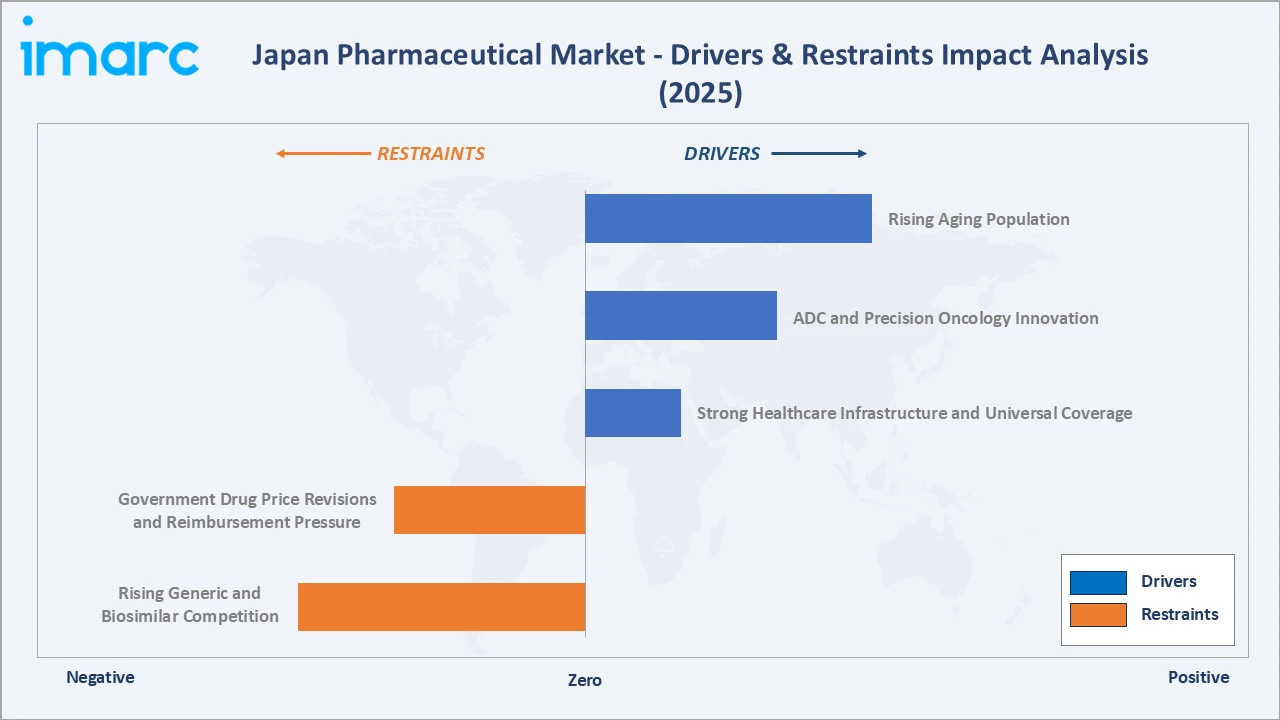
- Rising Aging Population: In 2025, Japan’s population aged 65 and older was estimated at 36.19 million, representing a record 29.4% of the country’s total population, according to the Ministry of Internal Affairs and Communications. Japan's senior demographic generates disproportionately high pharmaceutical consumption across cardiovascular, blood disorders, respiratory, and increasingly neurodegenerative disease categories. The structural expansion of this demographic cohort through natural mortality lag and continued aging of baby boomer generations provides a durable, multi-decade demand foundation for Japan's pharmaceutical market that does not depend on population growth.
- ADC and Precision Oncology Innovation: ADC and precision oncology innovation accelerates the development of highly targeted cancer treatments with improved therapeutic effectiveness. In March 2026, Tempus AI entered a partnership with Daiichi Sankyo to accelerate the development of oncology-focused antibody-drug conjugates (ADCs). The collaboration combines Daiichi Sankyo’s clinical and preclinical datasets with Tempus AI’s real-world data to support biomarker identification and improve patient stratification. Partnerships between Japanese pharmaceutical companies and AI or data-analytics firms are further strengthening oncology research. This trend supports premium drug launches, pipeline investment, and growth in personalized cancer care.
- Strong Healthcare Infrastructure and Universal Coverage: Japan’s universal health insurance system provides broad access to prescription medicines, hospitals, and specialist treatment. Advanced healthcare facilities and established pharmaceutical distribution networks support consistent drug availability across the country. Government reimbursement enables the adoption of many essential and innovative medicines, although pricing controls affect profitability. Overall, broad healthcare access sustains a large and stable pharmaceutical market.
Market Restraints
- Government Drug Price Revisions and Reimbursement Pressure: Japan’s periodic drug price revisions reduce reimbursement levels for many prescription medicines, limiting revenue growth for pharmaceutical manufacturers. Frequent price cuts can shorten product lifecycles and weaken returns on research and development investments. Companies with large portfolios of mature drugs face particularly strong margin pressure. This encourages manufacturers to shift toward specialty medicines and high-value innovative therapies.
- Rising Generic and Biosimilar Competition: Government support for generics and biosimilars is increasing the substitution of branded medicines with lower-cost alternatives. This reduces sales and market share for originator drugs after patent expiration. Greater price competition also makes it harder for companies to maintain profitability in established therapeutic categories. Pharmaceutical firms must therefore strengthen pipelines, differentiate products, and improve operational efficiency.
Market Opportunities
- Alzheimer's Disease-Modifying Therapy Expansion: Alzheimer's disease-modifying therapy expansion presents a significant opportunity due to the country's rapidly aging population and increasing prevalence of dementia. The commercialization of disease-modifying therapies is creating demand for innovative biologics, early diagnostic tools, and companion diagnostics. It is also encouraging greater investment in neuroscience research, clinical trials, and precision medicine. As diagnosis rates improve and access expands, these therapies are expected to generate substantial long-term market growth.
- Online Pharmacy and Digital Health Integration: Online pharmacy and digital health integration improve patient access to medicines through e-prescriptions, telemedicine, and digital pharmacy platforms. In July 2024, Amazon launched online prescription ordering and medicine delivery services in Japan in partnership with approximately 2,500 drugstores nationwide. Pharmaceutical companies can leverage digital health solutions to strengthen patient engagement and collect real-world evidence.
Market Challenges
- Complex Regulatory and Market Access Requirements: Pharmaceutical companies must navigate rigorous clinical, quality, safety, and documentation requirements before launching products in Japan. Differences in local trial expectations, language requirements, and post-marketing obligations can extend development timelines and increase compliance costs. Securing reimbursement and an acceptable official price adds another layer of complexity. These barriers can be particularly challenging for smaller biotechnology firms and overseas entrants.
- Balancing Innovation with Healthcare Cost Control: Japan must support access to advanced therapies while controlling healthcare spending associated with its aging population. High-cost biologics, oncology drugs, and gene or cell therapies face close scrutiny during pricing and reimbursement decisions. Manufacturers may experience price reductions, usage restrictions, or pressure to demonstrate clear clinical and economic value. This creates uncertainty around returns on research, commercialization, and lifecycle investment.
Emerging Market Trends
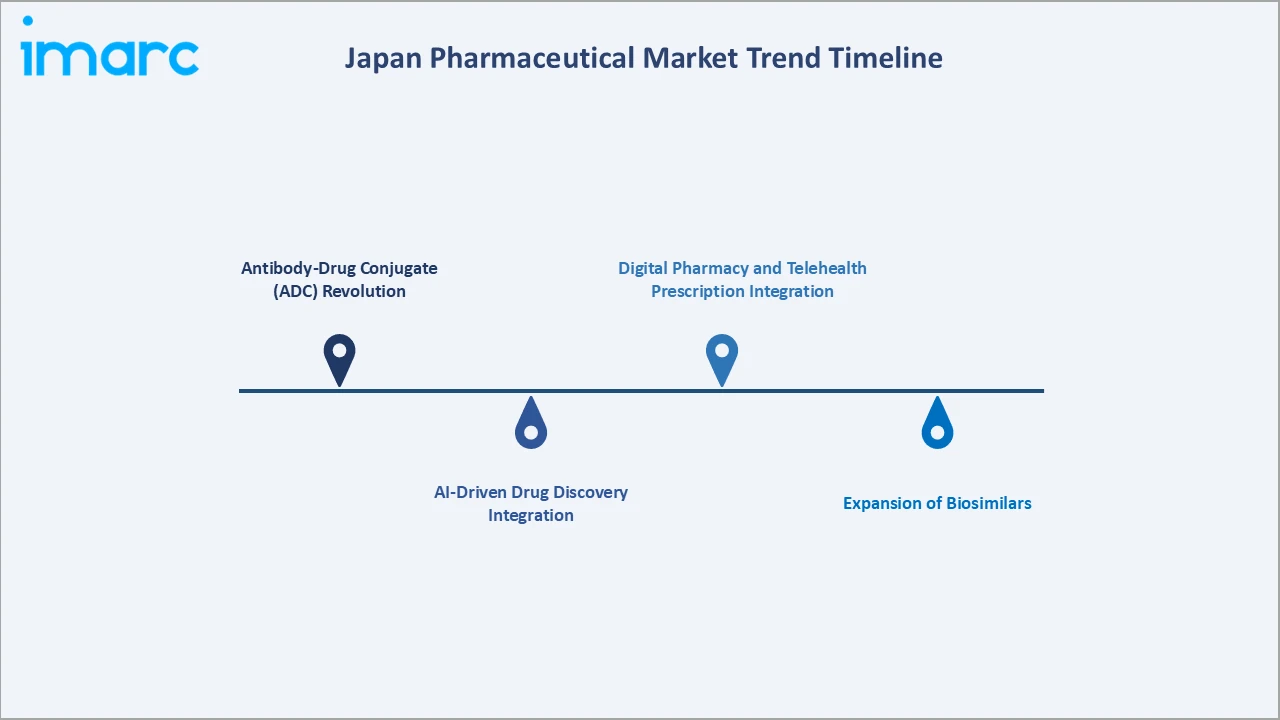
1. Antibody-Drug Conjugate (ADC) Revolution
Antibody-drug conjugate (ADC) revolution is emerging as companies invest heavily in targeted cancer therapies with improved efficacy and reduced systemic toxicity. Pharmaceutical firms are expanding collaborations in biomarker discovery, precision oncology, and AI-driven drug development to accelerate ADC innovation. Growing clinical trial activity and regulatory support are strengthening the commercialization of next-generation oncology treatments. This trend is reinforcing Japan’s position as a major hub for advanced cancer therapeutics.
2. AI-Driven Drug Discovery Integration
AI-driven drug discovery integration is emerging as companies use machine learning to identify drug targets, screen compounds, and optimize molecular designs. AI can shorten early-stage research timelines, reduce development costs, and improve the probability of selecting viable candidates. In June 2026, Japan planned to establish a 24-hour, AI-powered bioscience laboratory to accelerate scientific research. The facility is expected to combine artificial intelligence, robotics, and biotechnology to automate experiments and research workflows, marking a major step toward autonomous laboratory operations in the country.
3. Expansion of Biosimilars
Expansion of biosimilars is emerging as policymakers and healthcare providers seek to reduce spending on expensive biologic medicines. Growing regulatory approvals and physician acceptance are increasing the substitution of originator biologics in oncology, autoimmune diseases, and chronic care. In May 2026, Samsung Bioepis launched Ustekinumab BS 45 mg Syringe for S.C. Injection, a biosimilar referencing Stelara (ustekinumab), marking its first product launch in Japan under a partnership with NIPRO CORPORATION. Wider adoption is expected to improve patient access while intensifying price competition across the biologics segment.
4. Digital Pharmacy and Telehealth Prescription Integration
Digital pharmacy and telehealth prescription integration is emerging as online consultations, electronic prescriptions, and home medicine delivery become more widely connected. These services improve access for elderly patients, people with chronic conditions, and residents of underserved areas. Integration also supports medication adherence, refill management, and remote pharmacist counseling. Partnerships among pharmacies, healthcare providers, and digital platforms are accelerating the shift toward more convenient and patient-centered pharmaceutical distribution.
Industry Value Chain Analysis
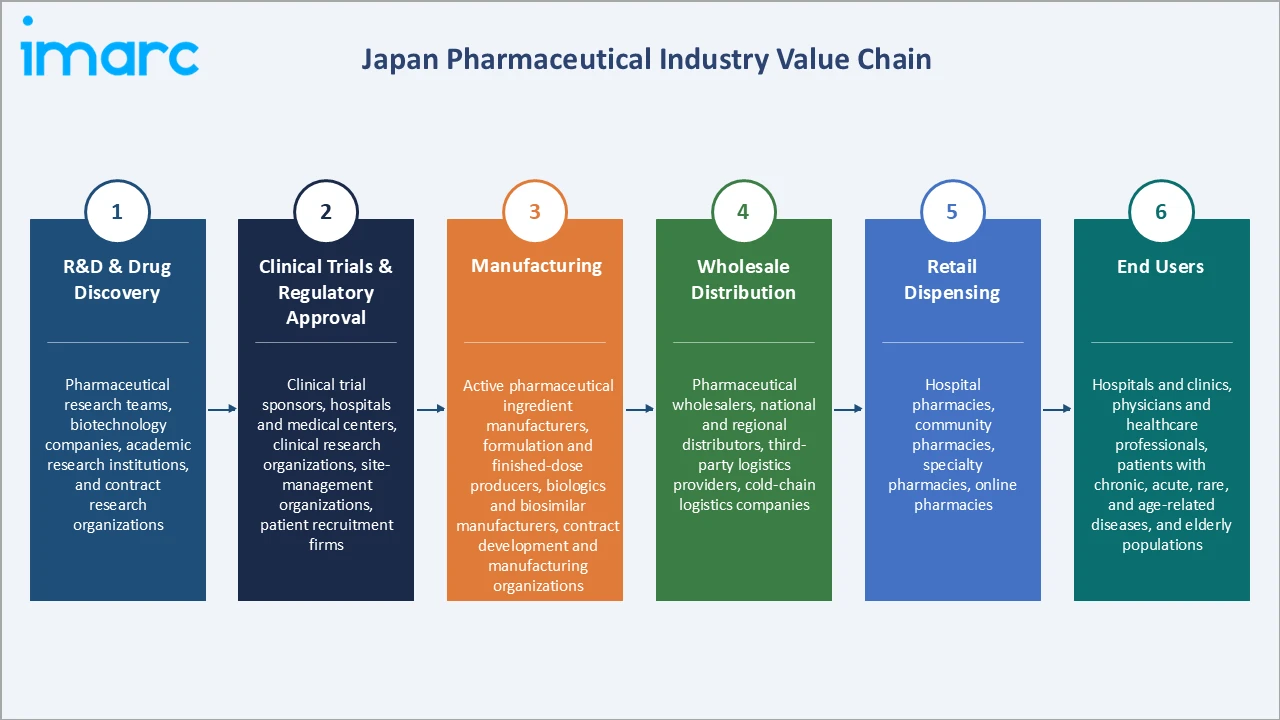
The Japan pharmaceutical value chain integrates drug discovery and R&D, clinical trials and regulatory approval, manufacturing, wholesale distribution, retail dispensing through hospital pharmacies and drug stores, and patient consumption across Japan's population.
|
Stage |
Key Participants |
|
R&D & Drug Discovery |
Pharmaceutical research teams, biotechnology companies, academic research institutions, and contract research organizations |
|
Clinical Trials & Regulatory Approval |
Clinical trial sponsors, hospitals and medical centers, clinical research organizations, site-management organizations, patient recruitment firms |
|
Manufacturing |
Active pharmaceutical ingredient manufacturers, formulation and finished-dose producers, biologics and biosimilar manufacturers, contract development and manufacturing organizations |
|
Wholesale Distribution |
Pharmaceutical wholesalers, national and regional distributors, third-party logistics providers, cold-chain logistics companies |
|
Retail Dispensing |
Hospital pharmacies, community pharmacies, specialty pharmacies, online pharmacies |
|
End Users |
Hospitals and clinics, physicians and healthcare professionals, patients with chronic, acute, rare, and age-related diseases, and elderly populations |
Wholesale distribution in Japan's pharmaceutical market is highly concentrated, with the pharmaceutical wholesale companies collectively controlling the majority of pharmaceutical distribution between manufacturers and dispensing points. This distribution concentration gives wholesalers significant market intelligence and logistical capability while creating potential single-point-of-failure risks for supply chain disruptions.
Technology Landscape in the Japan Pharmaceutical Industry
Biologics and Biosimilar Manufacturing Technologies
Advanced bioprocessing technologies, including single-use bioreactors, continuous manufacturing, and automated cell culture systems, are improving biologics production efficiency. Modern purification and quality-control systems ensure consistent product quality while reducing manufacturing costs. These technologies are supporting the expansion of biosimilars and next-generation biologic therapies. Manufacturers are also investing in scalable production platforms to meet growing demand.
Advanced Cell and Gene Therapy Technologies
In February 2026, Sarepta Therapeutics announced the commercial launch of ELEVIDYS (delandistrogene moxeparvovec) in Japan through Chugai Pharmaceutical following its inclusion on the National Health Insurance reimbursement list. ELEVIDYS is Japan’s first gene therapy for Duchenne muscular dystrophy and is approved for ambulatory children aged 3 to under 8 with specified DMD gene deletions and no detectable anti-AAVrh74 antibodies. These innovations support treatments for rare diseases, oncology, and regenerative medicine. Regulatory support is further accelerating commercialization of advanced therapies.
AI-Driven Drug Discovery and Clinical Development
Artificial intelligence is transforming Japan's pharmaceutical industry by accelerating target identification, molecule screening, and lead optimization. AI also improves clinical trial design, patient recruitment, and biomarker discovery using genomic and real-world data. This reduces development timelines and increases R&D productivity. Collaborations between pharmaceutical companies and AI firms are driving wider adoption.
Market Segmentation Analysis
The report covers the following segments:
|
Segment Category |
Leading Segment |
Market Share |
Year |
|
Prescription Type |
Prescription Drugs |
82.4% |
2025 |
|
Therapeutic Category |
Cardiovascular System |
22.8% |
2025 |
|
Region |
Kanto Region |
41.8% |
2025 |

By Prescription Type
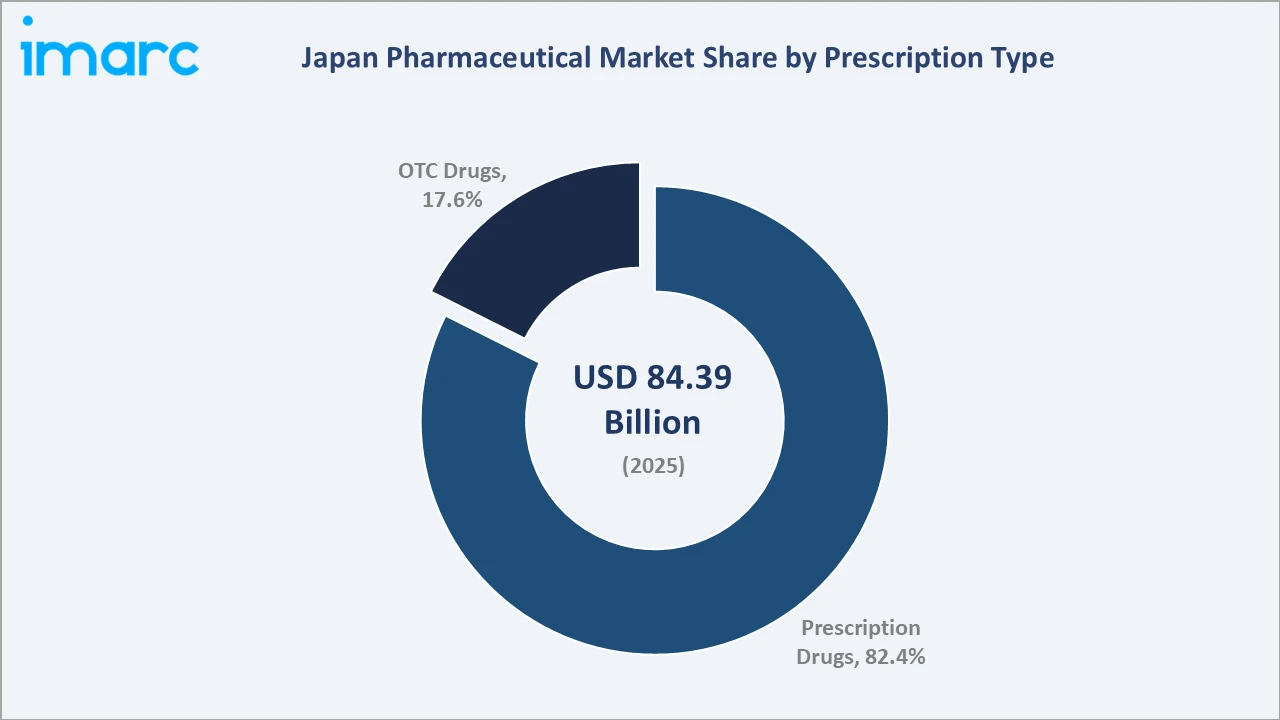
Prescription drugs dominate at 82.4% (2025), reflecting Japan's physician-prescribing model where hospital-based physicians hold primary authority over pharmaceutical selection for inpatient and outpatient chronic disease management. Hospital pharmacies serve as the primary access point for prescription drugs covering the high-value oncology biologics, immunosuppressants, rare disease therapies, and specialty injectables that represent Japan's fastest-growing drug categories.
To access detailed market analysis, Request Sample
OTC drugs at 17.6% (2025) encompass Japan's extensive self-medication market spanning analgesics, gastrointestinal preparations, antiallergic medications, vitamins and nutritional supplements, and topical preparations. OTC drugs are distributed through Japan's pharmacies and drug stores as well as the rapidly growing online pharmacy channel.
By Therapeutic Category
The cardiovascular system leads at 22.8% (2025), driven by Japan's hypertension patients and the broad pharmacological management of atrial fibrillation, heart failure, dyslipidemia, and coronary artery disease in Japan's senior population. The cardiovascular segment features high-volume generic penetration in established drug classes alongside growing premium-priced DOACs, where Japan represents a large atrial fibrillation treatment market.
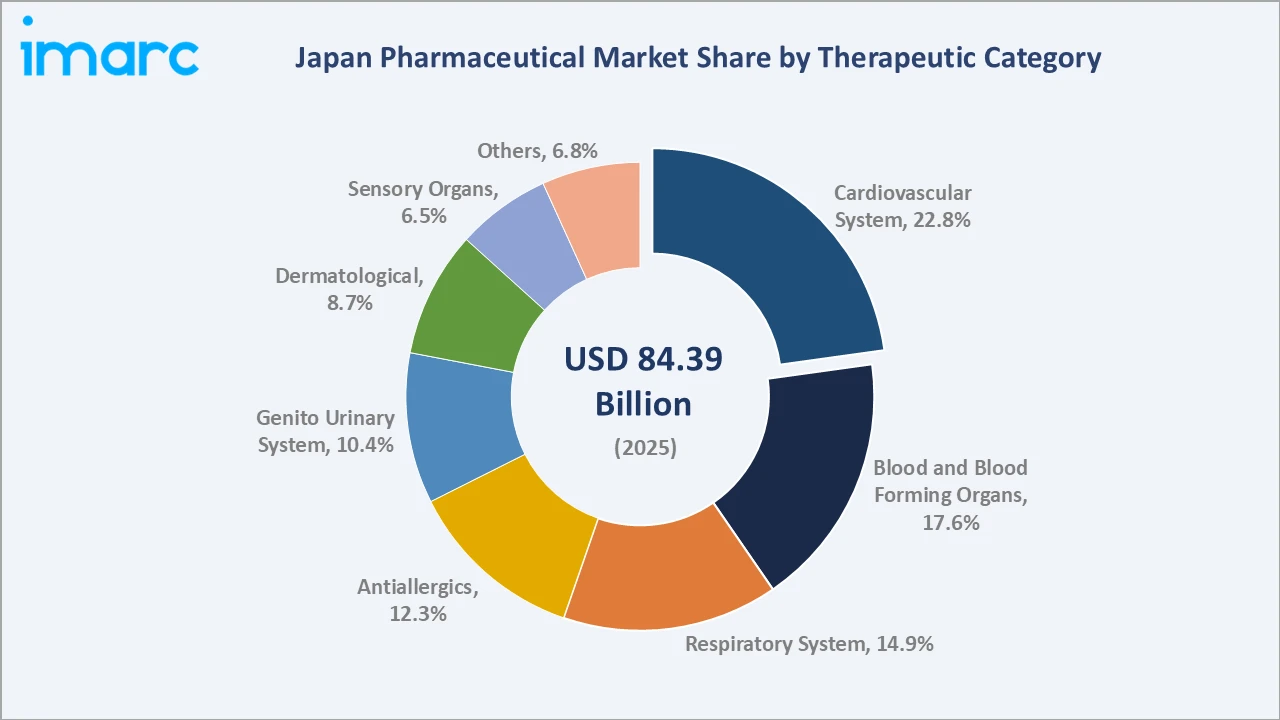
Blood and blood forming organs at 17.6% (2025) encompasses anticoagulants, erythropoiesis-stimulating agents, iron supplements, and hemostasis agents with above-market CAGR (~2.9%) through DOAC adoption replacing warfarin, biosimilar erythropoietin expansion, and novel hemostasis products. Respiratory system at 14.9% (2025) covers COPD treatments, asthma biologics, and upper respiratory medications, benefiting from Japan's high asthma prevalence. Antiallergics at 12.3% reflect Japan's extraordinarily high allergic rhinitis prevalence, driving consistent demand for antihistamines, nasal corticosteroids, and immunotherapy products.
Regional Market Insights
|
Region |
Share (2025) |
Key Japan Pharmaceutical Market Drivers & Characteristics |
|
Kanto Region |
41.8% |
Japan’s largest pharmaceutical hub, supported by a high concentration of pharmaceutical headquarters, research institutes, universities, hospitals, and regulatory organizations. |
|
Kansai/Kinki Region |
19.2% |
A major center for pharmaceutical manufacturing, biotechnology, and life sciences research. The region benefits from established drug manufacturers, advanced production facilities, and strong collaboration between academia and industry. |
|
Central/Chubu Region |
14.1% |
Growth is supported by a strong manufacturing base, expanding healthcare infrastructure, and increasing pharmaceutical production. Rising investments in biologics and contract manufacturing also contribute to regional development. |
|
Kyushu-Okinawa Region |
7.5% |
The market is driven by expanding healthcare services, growing pharmaceutical manufacturing investments, and increasing demand from an aging population. Regional initiatives supporting biotechnology are further strengthening market growth. |
|
Tohoku Region |
5.9% |
Demand is supported by improving healthcare accessibility, rising chronic disease prevalence, and expanding hospital infrastructure. Pharmaceutical distribution networks continue to improve medicine availability across the region. |
|
Chugoku Region |
4.7% |
The region benefits from a diversified industrial base, stable pharmaceutical distribution channels, and increasing demand for prescription medicines. Growth is supported by expanding healthcare facilities and regional medical centers. |
|
Hokkaido Region |
3.9% |
Pharmaceutical demand is driven by an aging population, increasing healthcare expenditure, and growing adoption of specialty medicines. Research activities in biotechnology and clinical studies also support market development. |
|
Shikoku Region |
2.9% |
Growth is supported by expanding access to healthcare services, steady demand for chronic disease treatments, and ongoing improvements in pharmaceutical supply chains. |
The Kanto region's 41.8% dominance reflects its concentration of leading pharmaceutical companies, research institutions, major hospitals, and government agencies, making it the country's primary center for drug development and commercialization. The Kansai/Kinki region, at 19.2%, serves as a key pharmaceutical manufacturing and biotechnology hub, supported by strong academic-industry collaboration and advanced life sciences research. The Central/Chubu region, at 14.1%, benefits from its well-established manufacturing infrastructure and expanding biologics and pharmaceutical production capabilities.
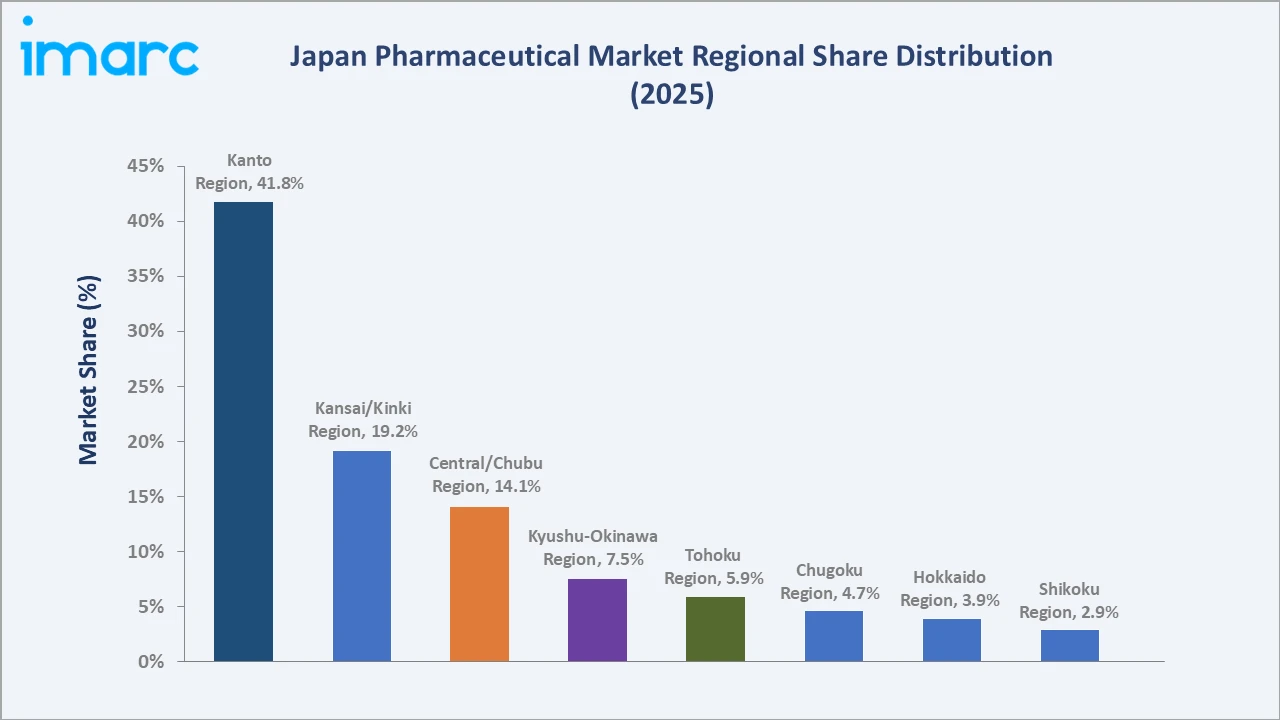
Kyushu-Okinawa region’s 7.5% is witnessing steady growth through increasing biotechnology investments, improved healthcare infrastructure, and rising demand for specialty medicines. The Tohoku Region is supported by expanding healthcare access, an aging population, and increasing demand for chronic disease therapies. The Chugoku region’s 4.7% benefits from a stable industrial base and efficient pharmaceutical distribution networks serving regional healthcare facilities. Hokkaido region’s 3.9% is experiencing growth driven by rising healthcare expenditure, an aging demographic, and expanding clinical research activities. Although the Shikoku region’s 2.9% accounts for a smaller market share, continued improvements in healthcare services, pharmaceutical accessibility, and demand for long-term disease management are supporting steady regional market growth.
Competitive Landscape
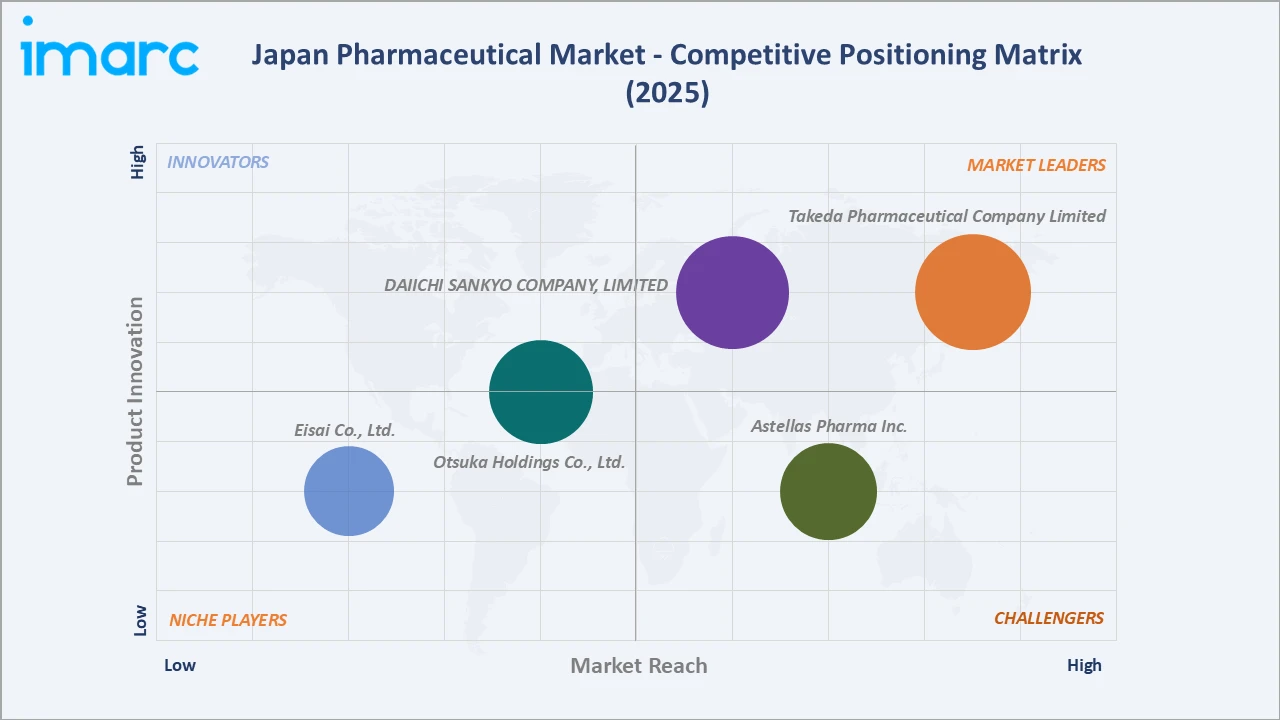
The Japan pharmaceutical market is moderately concentrated among domestic champions. Competition is primarily defined by R&D pipeline quality, NHI pricing success for innovative products, and the ability to navigate Japan's biennial price revision system while maintaining margin sufficiency for ongoing R&D investment. International pharmaceutical companies compete through Japan-specific subsidiaries and joint development partnerships with domestic companies.
|
Company |
Key Therapeutic Areas |
Market Position |
Core Strength |
|
Takeda Pharmaceutical Company Limited |
Digestive system/inflammatory diseases, Rare diseases, Oncology, Neuroscience |
Market Leader |
Takeda Pharmaceutical Company Limited is one of Japan's largest and most dominant pharmaceutical enterprises. It drives the Japanese biopharma sector through its massive R&D investments, global drug development, and by maintaining a crucial, stabilizing domestic supply chain for essential medicines. |
|
DAIICHI SANKYO COMPANY, LIMITED |
Oncology, Cardiovascular, Diabetes, Neuroscience, Orthopedics |
Market Leader |
DAIICHI SANKYO COMPANY, LIMITED is one of the largest pharmaceutical companies, driving the nation's healthcare sector through pioneering oncology research. |
|
Astellas Pharma Inc. |
Oncology, Ophthalmology, Urology, Immunology, Women's Health |
Challenger |
Astellas Pharma Inc. is one of the largest pharmaceutical companies in Japan and a global leader in oncology, urology, and immunology. Astellas drives Japan's medical innovation through massive R&D investments and strategic local and collaborations. |
|
Otsuka Holdings Co., Ltd. |
Psychiatry and Neurology, Oncology, Autoimmune Disorders, |
Established Player |
Otsuka Holdings Co., Ltd. is a leading Japanese multinational conglomerate and one of the top five pharmaceutical companies in Japan by market capitalization. It operates as a holding company for major subsidiaries like Otsuka Pharmaceutical and Taiho Pharmaceutical, driving innovation in pharmaceuticals. |
|
Eisai Co., Ltd. |
Dementia, Oncology, Tropical Diseases |
Niche Player |
Eisai Co., Ltd. is a leading global research and development-driven pharmaceutical company headquartered in Tokyo, Japan. The company is anchoring its legacy, manufacturing, and intensive drug discovery programs within the Japanese domestic market. |
Competition is intensifying in Japan's oncology segment around ADC technology. The Alzheimer's disease-modifying therapy segment represents the largest new therapeutic category opening in Japan's pharmaceutical market since PD-1 inhibitors revolutionized oncology treatment a decade ago.
Key Company Profiles
Takeda Pharmaceutical Company Limited
Takeda Pharmaceutical Company Limited is Japan’s largest pharmaceutical company and one of the world's leading biopharmaceutical firms. The company focuses on the research, development, manufacturing, and commercialization of innovative medicines across key therapeutic areas, including oncology, gastroenterology, neuroscience, rare diseases, plasma-derived therapies, and vaccines. Takeda operates an extensive global R&D and manufacturing network while maintaining a strong presence in Japan through advanced research capabilities, production facilities, and broad commercial operations.
- Key Therapeutic Areas: Digestive system/inflammatory diseases, Rare diseases, Oncology, Neuroscience.
- Strategic Focus: Centers on expanding innovative, high-value therapies across gastroenterology, rare diseases, neuroscience, oncology, plasma-derived treatments, and vaccines. The company prioritizes pipeline advancement, lifecycle management, and faster commercialization of differentiated medicines.
DAIICHI SANKYO COMPANY, LIMITED
DAIICHI SANKYO COMPANY, LIMITED is a Japan-based pharmaceutical company headquartered in Tokyo. The company researches, develops, manufactures, and commercializes prescription medicines, with a strong focus on oncology and innovative specialty therapies. Its position is particularly supported by proprietary antibody-drug conjugate technology used to develop targeted treatments for multiple solid tumors. Daiichi Sankyo also maintains capabilities in cardiovascular medicine, rare diseases, vaccines, and established pharmaceuticals.
- Key Therapeutic Areas: Oncology, Cardiovascular, Diabetes, Neuroscience, Orthopedics.
- Strategic Focus: Centers on strengthening its leadership in oncology through proprietary antibody-drug conjugate platforms and targeted cancer therapies. The company prioritizes expanding indications for key products, advancing next-generation ADC candidates, and applying biomarkers and real-world data to improve patient selection.
Market Concentration Analysis
Japan pharmaceutical market is moderately concentrated at the domestic innovator level, with the top five companies, Takeda Pharmaceutical Company Limited, DAIICHI SANKYO COMPANY, LIMITED, Astellas Pharma Inc., Otsuka Holdings Co., Ltd., and Eisai Co., Ltd., collectively capturing higher revenue and representing approximately 30-35% of the total Japan pharmaceutical market value. The market is highly fragmented at the generic drug level, with hundreds of domestic generic manufacturers competing in a commodity environment accelerated by the generic dispensing rate target. The innovative prescription drug segment is more concentrated, with global multinational pharmaceutical companies holding significant oncology and specialty medicine market positions through Japan subsidiaries and licensing arrangements. Market concentration in oncology is particularly significant, achieving dominant positioning in HER2-targeting cancer therapy.
Investment & Growth Opportunities
Highest Growth Segments
OTC drugs online channel (~4.5% CAGR niche), blood and blood forming organs (~2.9% CAGR), ADC oncology segment (~8-12% niche CAGR within oncology), Alzheimer's disease-modifying therapies (~15%+ CAGR from early commercial base), and biosimilar biologics (~6-8% CAGR within generics) represent Japan pharmaceutical market's highest-growth investment vectors through 2034.
Investment Themes
- Alzheimer's disease-modifying therapy ecosystem investment: Japan’s aging population is creating investment opportunities across disease-modifying drugs, early diagnostics, biomarker testing, infusion infrastructure, and patient-monitoring services. Capital is also flowing toward clinical research, specialist care networks, and digital tools that support earlier diagnosis and treatment access.
- ADC next-generation platform development: Growing demand for targeted oncology therapies is driving investment in novel antibodies, linkers, payloads, biomarkers, and precision manufacturing capabilities. Pharmaceutical companies are also funding AI-enabled candidate selection, combination therapies, and strategic partnerships to expand next-generation ADC pipelines and improve treatment outcomes.
Future Market Outlook (2026-2034)
The Japan pharmaceutical market is projected to grow from USD 84.39 Billion in 2025 to USD 86.45 Billion in 2026 and is forecast to reach USD 104.89 Billion by 2034, delivering a 2.45% CAGR over the forecast period, modest absolute growth reflecting Japan's demographic maturity and NHI pricing pressures, but sustained by structural innovation in premium-priced therapeutic categories. The anchor value of USD 95.23 Billion by 2030 coincides with Japan's continued leadership in ADC oncology, progressive Alzheimer's disease-modifying therapy adoption, and the first commercial-stage cell and gene therapy products reaching Japan's patient population.
Three structural forces will define Japan's pharmaceutical market trajectory through 2034. First, Japan's demographic reality provides an irreversible and compounding demand foundation for chronic disease medications across cardiovascular, blood disorder, respiratory, and neurodegenerative categories. Second, Japan's pharmaceutical innovation ecosystem is generating a pipeline of high-value therapies that will command premium NHI pricing through clinical usefulness criteria. Third, Japan's pharmaceutical distribution transformation is creating new commercial channels that expand overall pharmaceutical market value by reaching patient populations previously underserved by traditional brick-and-mortar pharmacy infrastructure.
Research Methodology
Primary Research
Primary research comprised in-depth interviews with Japan-based pharmaceutical company medical and commercial executives, regulatory affairs specialists, hospital pharmacy directors, clinical trial principal investigators, NHI price specialist consultants, and independent pharmaceutical industry analysts. These discussions validated market size estimates, assessed therapeutic category demand trends, evaluated competitive pipeline dynamics, and provided insights into NHI pricing revision impacts and regional healthcare delivery infrastructure.
Secondary Research
Secondary research encompassed drug price data, regulatory approval announcements, medical institution patient data, individual company annual reports and investor presentations, research publication databases, and credible market intelligence sources.
Forecasting Models
Forecasting models were developed using historical Japan pharmaceutical market data, drug price revision impact assessment, demographic aging projections, pipeline approval probability modeling, generic penetration rate trajectories, biosimilar adoption curves, and macroeconomic healthcare expenditure indicators. Both top-down and bottom-up approaches were validated through primary research and reconciled for consistency with published pharmaceutical expenditure data.
Japan Pharmaceutical Market Report Coverage:
| Report Features | Details |
|---|---|
| Base Year of the Analysis | 2025 |
| Historical Period | 2020-2025 |
| Forecast Period | 2026-2034 |
| Units | Billion USD |
| Scope of the Report | Exploration of Historical and Forecast Trends, Industry Catalysts and Challenges, Segment-Wise Historical and Predictive Market Assessment:
|
| Prescription Types Covered |
|
| Therapeutic Categories Covered | Antiallergics, Blood and Blood Forming Organs, Cardiovascular System, Dermatological, Genito Urinary System, Respiratory System, Sensory Organs, Others |
| Regions Covered | Kanto Region, Kansai/Kinki Region, Central/ Chubu Region, Kyushu-Okinawa Region, Tohoku Region, Chugoku Region, Hokkaido Region, Shikoku Region |
| Companies Covered | Takeda Pharmaceutical Company Limited, DAIICHI SANKYO COMPANY, LIMITED, Astellas Pharma Inc., Otsuka Holdings Co., Ltd., Eisai Co., Ltd., etc. |
| Customization Scope | 10% Free Customization |
| Post-Sale Analyst Support | 10-12 Weeks |
| Delivery Format | PDF and Excel through Email (We can also provide the editable version of the report in PPT/Word format on special request) |
Key Benefits for Stakeholders:
- IMARC’s industry report offers a comprehensive quantitative analysis of various market segments, historical and current market trends, market forecasts, and dynamics of the Japan pharmaceutical market from 2020-2034.
- The research report provides the latest information on the market drivers, challenges, and opportunities in the Japan pharmaceutical market.
- Porter's five forces analysis assist stakeholders in assessing the impact of new entrants, competitive rivalry, supplier power, buyer power, and the threat of substitution. It helps stakeholders to analyze the level of competition within the Japan pharmaceutical industry and its attractiveness.
- Competitive landscape allows stakeholders to understand their competitive environment and provides an insight into the current positions of key players in the market.
Frequently Asked Questions About the Japan Pharmaceutical Market Report
The Japan pharmaceutical market size is estimated at USD 86.45 Billion in 2026, underpinned by NHI universal coverage, the elderly population, expanding patient base, and Amazon online pharmacy launch partnering with 2,500 drug stores (July 2024).
The market grows at 2.45% CAGR during 2026-2034, reaching USD 104.89 Billion by 2034. The CAGR reflects demographic-driven chronic disease demand growth, ADC oncology premium pricing, Alzheimer's DMT adoption, and OTC online channel growth.
Prescription drugs lead at 82.4% (2025), with hospital pharmacies dispensing most of Japan's pharmaceutical market, controlling oncology biologics, immunosuppressants, and complex injectables.
The cardiovascular system dominates at 22.8% (2025), driven by Japan's 43 million hypertension patients, expanding DOAC adoption for atrial fibrillation.
Kanto region leads at 41.8% (2025), reflecting Tokyo's concentration of Japan's major pharmaceutical company headquarters, the highest-density university hospital clinical trial infrastructure, and Amazon Pharmacy expansion.
Leading companies include Takeda Pharmaceutical Company Limited, DAIICHI SANKYO COMPANY, LIMITED, Astellas Pharma Inc., Otsuka Holdings Co., Ltd., and Eisai Co., Ltd., among others.
The market is projected to reach approximately USD 95.23 Billion by 2030, driven by ADC oncology franchise expansion, progressive Alzheimer's DMT adoption, biologic biosimilar market expansion, OTC online channel growth, and continued demographic-driven cardiovascular and blood disorder medication demand.
Top opportunities include Alzheimer's DMT diagnostic ecosystem, ADC next-generation platform R&D, biosimilar manufacturing for Japan's expanding biologic genericization market, and online pharmacy platform investment for OTC and chronic disease prescription channels.
Need more help?
- Speak to our experienced analysts for insights on the current market scenarios.
- Include additional segments and countries to customize the report as per your requirement.
- Gain an unparalleled competitive advantage in your domain by understanding how to utilize the report and positively impacting your operations and revenue.
- For further assistance, please connect with our analysts.
 Request Customization
 Speak to an Analyst
 Request Brochure
 Inquire Before Buying
Benefits of Customization
- Personalize this research
- Triangulate with your data
- Get data as per your format and definition
- Gain a deeper dive into a specific application, geography, customer, or competitor
- Any level of personalization
Get in Touch With Us
UNITED STATES
Phone: +1-201-971-6302
INDIA
Phone: +91-120-433-0800
UNITED KINGDOM
Phone: +44-753-714-6104
Email: [email protected]
Client Testimonials




.webp)




.webp)













Related Reports

Choose your plan
*Please note that the prices mentioned below are starting prices for each bundle type. Kindly contact our team for further details.*
Single User License
- 1 User License, Access on 2 Devices
- PDF Report + Excel Dataset (Password Protected)
- Lifetime Access
- No Printing Rights
- 10% Free Report Customization
- 10–12 Weeks of Analyst Support
Five User License
- Access for 5 Users, 2 Devices per User
- PDF Report + Excel Dataset (Password Protected)
- Lifetime Access
- Dedicated Account Manager
- 12–14 Weeks of Analyst Support
- No Printing Rights
- 15% Free Report Customization
- 25% Discount on Your Next Purchase
Corporate User License
- Unlimited User Access (Within Your Organization)
- PDF Report + Excel Dataset
- Lifetime Access
- Dedicated Account Manager
- 14–20 Weeks of Analyst Support
- No Printing Rights
- 20% Free Report Customization
- 30% Discount on Your Next Purchase
Essential Insights
What's included:
3 reports
- Lifetime Access
- PDF Reports
- Excel Datasets
- 2 Weeks of Free Analyst Support
- 2 User Licenses
- Access on 2 Devices
- Printing Rights
- Complimentary PowerPoint (PPT) Version
- Complimentary License Upgrade
Professional Access
What's included:
5 reports
- Lifetime Access
- PDF Reports
- Excel Datasets
- 8 Weeks of Free Analyst Support
- 2 User Licenses
- Access on 2 Devices
- Printing Rights
- Complimentary PowerPoint (PPT) Version
- Complimentary License Upgrade
Business Advantage
What's included:
8 reports
- Lifetime Access
- PDF Reports
- Excel Datasets
- 14 Weeks of Free Analyst Support
- 2 User Licenses
- Access on 2 Devices
- Printing Rights
- Complimentary PowerPoint (PPT) Version
- Complimentary License Upgrade
Enterprise Intelligence
What's included:
10 reports
- Lifetime Access
- PDF Reports
- Excel Datasets
- 20 Weeks of Free Analyst Support
- 2 User Licenses
- Access on 2 Devices
- Printing Rights
- Complimentary PowerPoint (PPT) Version
- Complimentary License Upgrade