
Spain Diabetes Market Size, Share, Trends and Forecast by Segment and Distribution Channel, 2026-2034
Spain Diabetes Market Size, Share, Trends & Forecast (2026-2034)
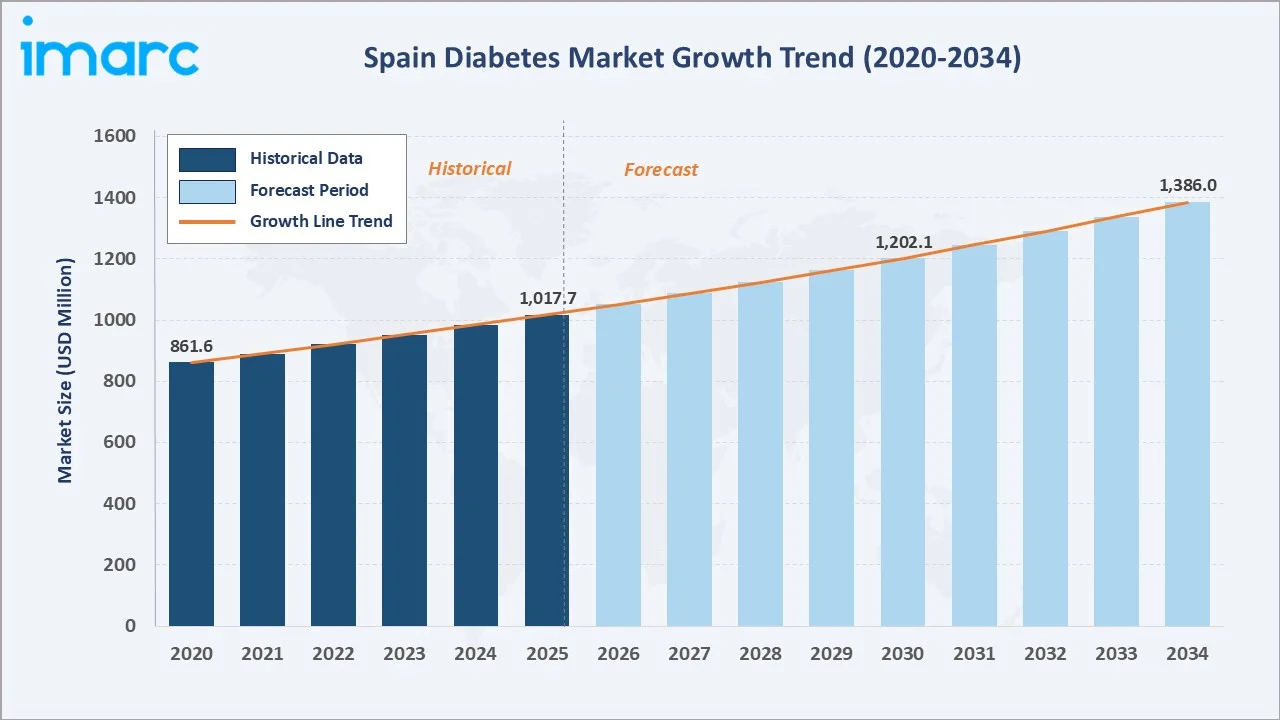
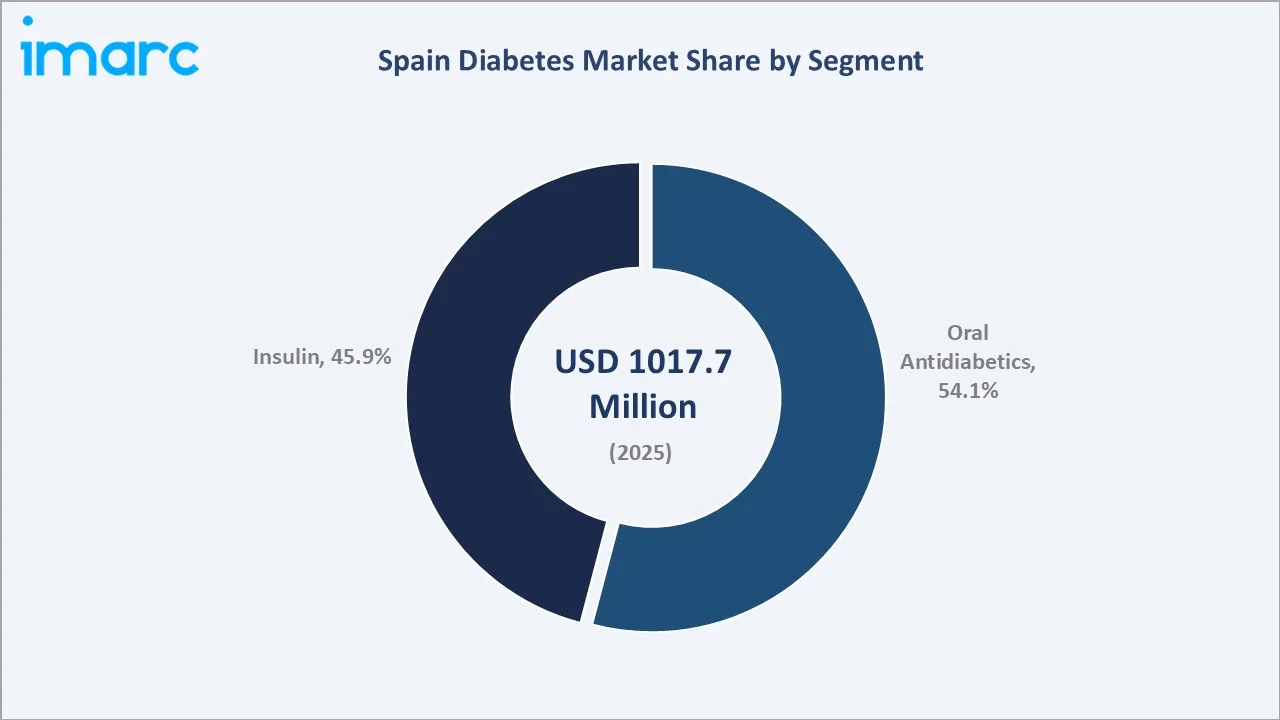
The Spain diabetes market size was valued at USD 1,017.7 Million in 2025 and is projected to reach USD 1,386.0 Million by 2034, exhibiting a CAGR of 3.39% during the forecast period 2026-2034. Rising adult diabetes prevalence, an aging population, expanding GLP-1 therapy adoption, and CGM reimbursement under the Sistema Nacional de Salud (SNS) are driving Spain diabetes market growth. Oral antidiabetics lead at 54.1% share in 2025, while retail pharmacies account for 49.8% of national dispensing volumes.
Market Snapshot
|
Metric |
Value |
|
Market Size (2025) |
USD 1,017.7 Million |
|
Forecast Market Size (2034) |
USD 1,386.0 Million |
|
CAGR (2026-2034) |
3.39% |
|
Base Year |
2025 |
|
Historical Period |
2020-2025 |
|
Forecast Period |
2026-2034 |
|
Leading Segment |
Oral Antidiabetics (54.1%, 2025) |
|
Leading Distribution Channel |
Retail Pharmacies (49.8%, 2025) |
The Spain diabetes market growth trajectory from 2020 through 2034 demonstrates a steady expansion powered by chronic disease burden, progressive CGM reimbursement expansion, and rapid uptake of next-generation incretin therapies across public and private care networks.
To get more information on this market, Request Sample
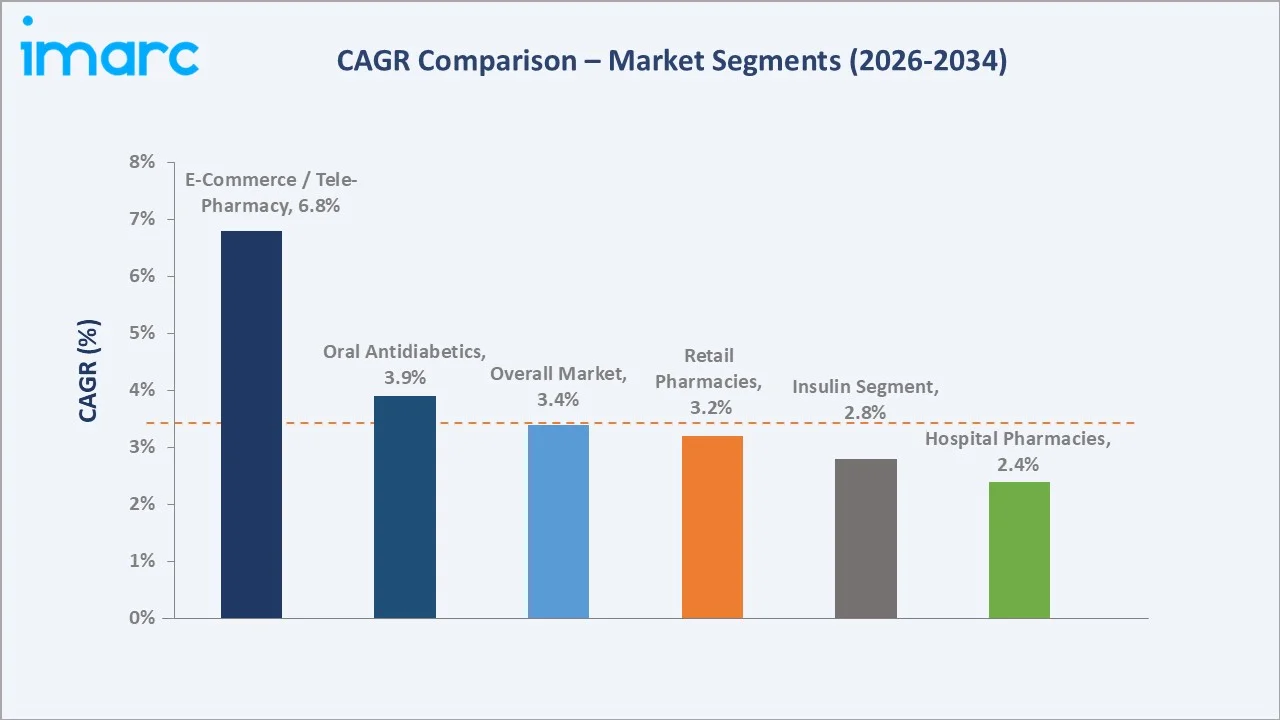
Sub-segment CAGR comparisons highlight e-commerce and tele-pharmacy as the fastest-growing distribution channel through 2034, while oral antidiabetics outpace insulin on a growth-rate basis on the back of GLP-1 momentum.
Executive Summary
The Spain diabetes market is undergoing structural transformation, driven by adult diabetes prevalence of 14.8% in 2025, an aging population with a median age exceeding 45 years, and rapid GLP-1 therapy adoption. Valued at USD 1,017.7 Million in 2025, the market is forecast to reach USD 1,386.0 Million by 2034 at a CAGR of 3.39%.
Oral antidiabetics command a 54.1% share in 2025, reflecting a type-2 dominant patient mix and strong uptake of SGLT-2 inhibitors and GLP-1 receptor agonists. Insulin therapies represent 45.9% of national demand, anchored by type-1 patients and advanced type-2 basal-bolus regimens. Retail pharmacies account for 49.8% of dispensing across more than 22,000 community pharmacies.
The Spain diabetes market outlook remains positive as CGM reimbursement widens under SNS, digital therapeutics scale, and AI-enabled titration becomes standard of care through 2034.
Key Market Insights
|
Insight |
Data |
|
Largest Segment |
Oral Antidiabetics - 54.1% share (2025) |
|
Second Segment |
Insulin - 45.9% share (2025) |
|
Leading Distribution Channel |
Retail Pharmacies - 49.8% share (2025) |
|
Fastest Growing Channel |
E-Commerce / Tele-Pharmacy - 6.8% CAGR |
|
Top Companies |
Novo Nordisk, Sanofi, Eli Lilly, AstraZeneca, Almirall |
|
CGM Reimbursement Coverage |
36% in 2025, projected ~48% by 2029 |
Key Analytical Observations Supporting the Above Data:
- Oral antidiabetics' 54.1% dominance in 2025 Spain has seen a marked increase in GLP-1 receptor agonist usage, reflected in rising pharmacovigilance reports between 2024 and 2025, consistent with broader European growth in type-2 diabetes and obesity pharmacotherapy driven by semaglutide and tirzepatide adoption.
- Insulin's 45.9% share is anchored by large insulin-dependent diabetes population spanning type-1 and advanced type-2 patients, reflecting the country’s high diabetes prevalence and intensive therapy requirements.
- Retail pharmacies' 49.8% lead is underpinned by Spain has one of the most accessible community pharmacy networks in Europe, with a dense, nationwide presence of outlets that ensures proximity-based access to medicines across both urban and rural areas, making it one of the most pharmacy-intensive distribution systems in the EU.
- E-Commerce's 18.1% share is expanding rapidly at ~6.8% CAGR, supported by platforms such as PromoFarma, DosFarma, and Farmacia.es that deliver subscription-based chronic therapy orders.
- CGM and smart delivery demand reached 36% of insulin-treated patients in 2025, driven by progressive SNS reimbursement that now covers type-1 adults, pediatric patients, and insulin-treated type-2 cases meeting clinical criteria.
Spain Diabetes Market Overview
Diabetes therapies in Spain span insulin formulations, oral antidiabetics, GLP-1 receptor agonists, SGLT-2 inhibitors, and adjunct medical devices. The market includes rapid-acting analogs, long-acting basal insulins, fixed-ratio combinations, and smart delivery devices - serving patients from newly diagnosed type-2 cases to complex type-1 management within a highly regulated public-private care system.
The industry operates at the convergence of EU regulatory frameworks, AEMPS (Spanish Agency of Medicines and Medical Devices) oversight, Spain’s healthcare system is decentralised across 17 autonomous communities under the Sistema Nacional de Salud, with regional authorities managing most operational delivery within a nationally coordinated, tax-funded universal coverage framework. Health expenditure is ~9% of GDP with per-capita spending around EUR 3,000, supporting structured chronic disease management programs including diabetes care.
Market Dynamics
To evaluate market opportunities, Request Sample
Market Drivers
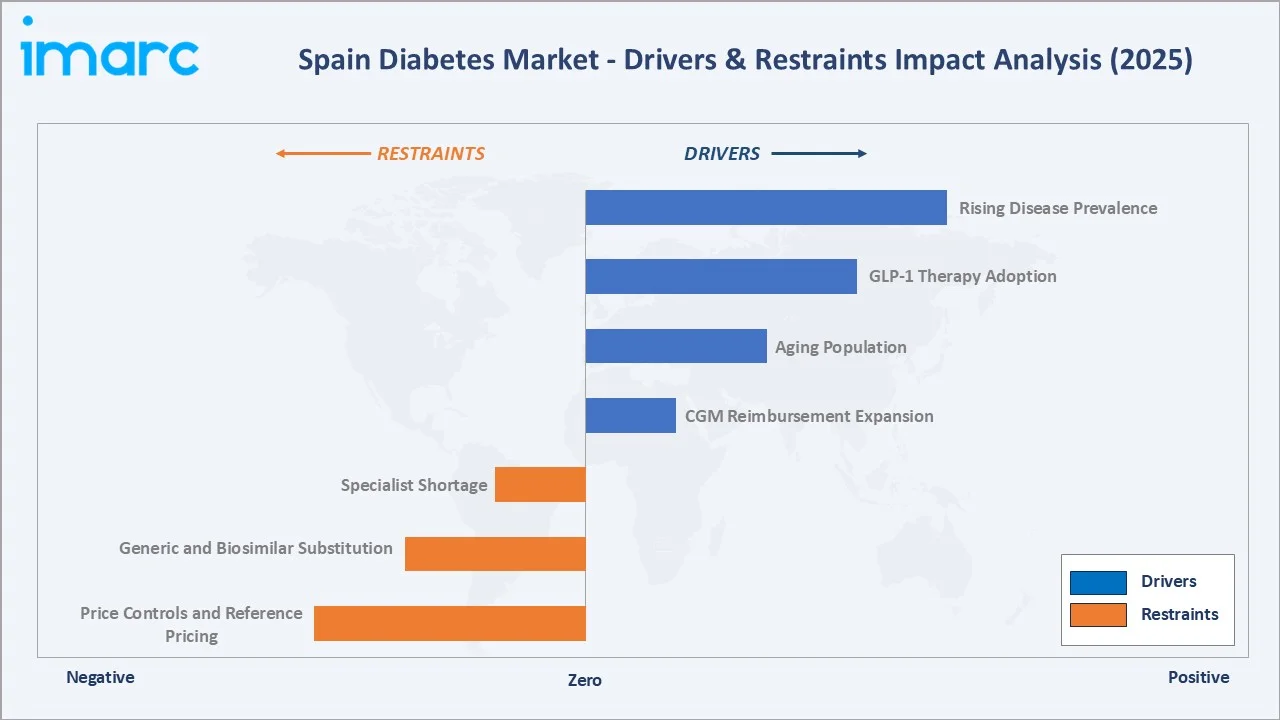
- Rising Disease Prevalence: Adult diabetes prevalence reached 14.8% in Spain in 2025, placing it among the highest in Western Europe. AI-based risk stratification tools are increasingly deployed in Saudi healthcare systems to support early identification of high-risk diabetes patients and improve clinical decision-making, with evidence indicating improvements in workflow efficiency, care coordination, and reduction of diabetes-related complications in hospital settings.
- GLP-1 Therapy Adoption: GLP-1 receptor agonist prescriptions rose 28% in 2025, led by Ozempic, Trulicity, and Mounjaro. Dual GIP/GLP-1 agonists launched in Spain in 2024, unlocking obesity-diabetes crossover demand and premium pricing.
- Aging Population: Spain's median age exceeded 45 years in 2024, with over 20% of the population aged 65+. This demographic profile structurally elevates type-2 diabetes incidence, long-term therapy demand, and complication management costs.
- CGM Reimbursement Expansion: Spain’s National Health System (SNS) began reimbursing continuous glucose monitoring (CGM) for type 1 diabetes patients, initially focused on insulin-intensive cases, and has gradually expanded access to selected type 2 diabetes patients on multiple daily insulin injections under clinical eligibility criteria. Adoption is increasing due to improved clinical outcomes and reimbursement support, although penetration remains uneven across patient groups and regions.
Market Restraints
- Price Controls and Reference Pricing: Spain’s AEMPS-led reference pricing system and mandatory reimbursement controls exert sustained downward pressure on off-patent medicines, with generics typically reimbursed at significantly lower prices than originators and biosimilars entering at regulated discounts, resulting in structural margin compression in mature therapeutic classes such as insulins and oral antidiabetics.
- Generic and Biosimilar Substitution: Generic substitution policies and biosimilar entry under Spain’s reference pricing system have increased the penetration of lower-cost alternatives, with biosimilars progressively capturing a meaningful share of biological therapy markets and exerting downward pressure on originator revenues across chronic disease categories, including diabetes care.
- Specialist Shortage: Specialist care capacity in Spain is unevenly distributed across regions, with endocrinology services concentrated in major urban centers such as Madrid and Barcelona, contributing to extended waiting times for specialist consultations in several regions and potentially delaying initiation of advanced diabetes therapies.
Market Opportunities
- Digital Therapeutics Expansion: Digital therapeutics partnerships grew 34% in 2024 across Spanish tertiary hospitals. Multiple digital diabetes management programs, including AI-driven and mobile health interventions, have been piloted across healthcare systems, including tertiary care settings. Evidence from clinical and systematic studies shows that engagement levels vary widely but can reach moderate to high levels when programs incorporate personalization, behavioral nudges, and continuous monitoring features, supporting sustained lifestyle change in type-2 diabetes populations.
- Biosimilar and Local Manufacturing: Spain's pharmaceutical localization under the National Pharmaceutical Strategy is expected to grow domestic injectable capacity by 28% through 2030.
- Obesity-Diabetes Crossover: Spanish adult obesity reached 16.5% in 2024, directly expanding eligibility for GLP-1 and dual GIP/GLP-1 therapies. The obesity-linked diabetes therapy opportunity is projected to add USD 150+ Billion in incremental revenue through 2034.
Market Challenges
- Regulatory Fragmentation: Each of the 17 autonomous communities operates its own reimbursement and tender processes. This fragmentation delays uniform national access and adds commercial complexity for manufacturers managing multi-region launches.
- Complication Burden: Diabetes-related complications - nephropathy, retinopathy, and neuropathy - exceed 41% among diagnosed Spanish patients. Complications elevate total cost of care and strain regional health service budgets, prompting stricter formulary controls.
- AEMPS Approval Timelines: Average AEMPS approval timelines for novel biologics reached 12 months in 2024, including pricing negotiation. This lag delays access to next-generation incretin therapies relative to Germany and other EU peers.
Emerging Market Trends
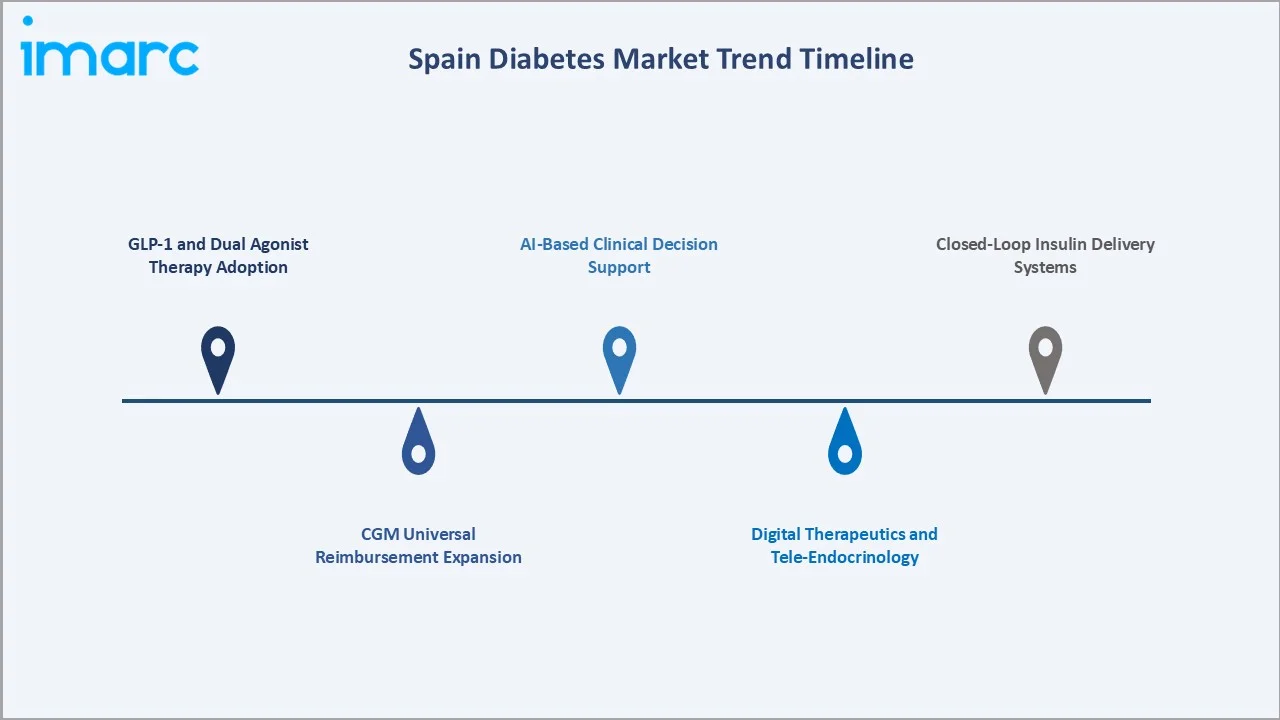
1. GLP-1 and Dual Agonist Therapy Adoption
Spain is witnessing rapid expansion in GLP-1 receptor agonist adoption, led by semaglutide-based therapies, with strong double-digit market growth reflecting increasing treatment of obesity and type-2 diabetes, although official prescription growth rates are not publicly disclosed.
2. CGM Universal Reimbursement Expansion
Spain’s SNS has gradually expanded CGM reimbursement from type 1 diabetes to selected insulin-intensive type 2 patients under strict clinical eligibility criteria, driving steady adoption growth, while overall penetration and device-level market shares remain undisclosed at a national level.
3. Digital Therapeutics and Tele-Endocrinology
Spain has developed a range of regionally deployed digital diabetes interventions, including SMS and app-based self-management programs integrated with clinical systems. While these pilots show improving patient engagement and glycemic outcomes, there is no consolidated national dataset on program scale or standardized engagement rates.
4. AI-Based Clinical Decision Support
AI-based risk stratification tools are being piloted in Spanish tertiary care settings as part of broader digital diabetes management initiatives, improving clinical decision support and diagnostic accuracy, although large-scale quantified impacts on admissions or HbA1c outcomes remain unstandardized and not publicly reported.
5. Closed-Loop Insulin Delivery Systems
Closed-loop (hybrid automated insulin delivery) systems are already in clinical use across Spanish tertiary hospitals, supported by European approvals of devices such as Medtronic MiniMed 780G and Tandem Control-IQ. These systems represent an important evolution in type-1 diabetes management, with ongoing studies and real-world adoption demonstrating improved glycemic control, while fully automated artificial pancreas technologies continue to evolve. However, Spain-specific long-term penetration forecasts are not publicly available.
Industry Value Chain Analysis
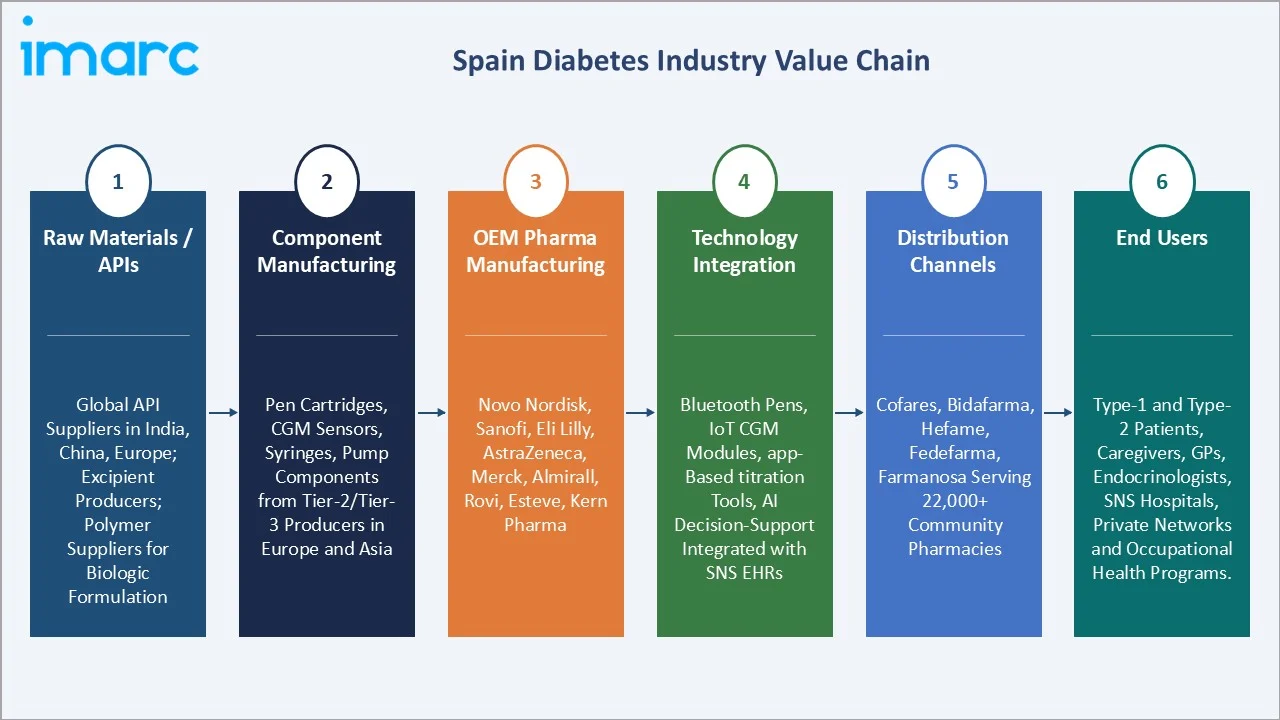
The Spain diabetes value chain spans six integrated stages from upstream API supply through patient-facing dispensing. Each stage presents distinct competitive dynamics, margin profiles, and technology investment requirements relevant to the overall Spain diabetes market analysis.
|
Value Chain Stage |
Key Participants / Role |
|
Raw Materials / APIs |
Global API suppliers in India, China, and Europe; excipient producers and polymer suppliers for biologic formulations |
|
Component Manufacturing |
Pen cartridges, CGM sensors, syringes, and pump components - Tier-2/Tier-3 producers in Europe and Asia |
|
OEM Pharma Manufacturing |
Novo Nordisk, Sanofi, Eli Lilly, AstraZeneca, Merck, Boehringer Ingelheim, Almirall, Kern Pharma |
|
Technology Integration |
Bluetooth pens, IoT CGM modules, app-based titration tools, and AI decision-support platforms integrated with SNS regional EHRs |
|
Distribution Channels |
Cofares (largest cooperative), Bidafarma, Hefame, Fedefarma, Farmanosa - serving 22,000+ community pharmacies |
|
End Users |
Type-1 and type-2 patients, caregivers, GPs, endocrinologists, SNS hospitals, private networks, and occupational health programs |
OEM pharma manufacturers hold the highest strategic value by integrating APIs, device components, and technology into turnkey therapy platforms. Meanwhile, e-commerce and tele-pharmacy channels are reshaping distribution, letting manufacturers deepen patient relationships and streamline chronic-therapy refills with subscription-based models.
Technology Landscape in the Spain Diabetes Industry
Advanced Insulin Analogs and Biologics
Long-acting basal analogs such as insulin degludec and glargine U300 dominate the analog insulin category. GLP-1 receptor agonists were among the fastest-growing classes in 2025, with prescription volumes up 28% year-on-year. Dual GIP/GLP-1 agonists entered the Spanish market in 2024, expanding therapy options for obesity-diabetes crossover patients across private and public channels.
Device and Materials Innovation
Ultra-thin pen needles, microneedle patches, and biocompatible polymer sensors gained traction in 2025. Local CGM trials demonstrated accuracy with mean absolute relative difference (MARD) below 9%. Stainless steel and medical-grade polymer innovations underpin the shift toward durable, user-friendly delivery devices across EU markets.
Smart Connectivity and IoT Integration
Over 44% of newly sold insulin pens in 2025 featured Bluetooth connectivity. Digital diabetes platforms such as SocialDiabetes and mySugr support real-time patient data capture and remote clinician access, enabling improved diabetes self-management and clinical decision support in Spain. However, integration with regional health system electronic records remains fragmented and is not implemented at a national scale across SNS, and population-level impact figures are not publicly reported. Wi-Fi- and Bluetooth-enabled devices are transitioning from niche offerings to mainstream diabetes-care essentials.
Automation and Clinical AI
Automated insulin dose-titration algorithms were introduced at SNS hospitals in Madrid, Catalonia, and Andalusia in 2024. Early outputs showed an 18% reduction in titration time and a 0.5% HbA1c improvement within 6 months. Closed-loop systems combining CGM input with AI-driven insulin adjustment are reshaping the standard of care for complex type-1 patients.
Market Segmentation Analysis
IMARC Group provides an analysis of the key trends in each segment of the Spain diabetes market, along with forecasts at the national and regional levels from 2026 to 2034. The market has been categorized based on segment and distribution channel as per the quantitative data available.
The report covers the following segments:
| Segment Category | Leading Segment | Market Share | Year |
|---|---|---|---|
| Segment | Oral Antidiabetics | 54.1% | 2025 |
| Distribution Channel | Retail Pharmacies | 49.8% | 2025 |

By Segment
Oral antidiabetics lead the Spain diabetes market with a 54.1% share in 2025. Demand is driven by the type-2 dominant patient mix, strong SGLT-2 adoption, and rapid GLP-1 uptake. The oral antidiabetics sub-segment was valued at approximately USD 550.6 Million in 2025 and is projected to grow at a 3.9% CAGR through 2030. GLP-1 receptor agonist prescriptions rose 28% in 2025 as obesity-linked demand surged across Madrid and Catalonia.
To access detailed market analysis, Request Sample
Insulin therapies account for 45.9% of market revenues in 2025, worth approximately USD 467.1 Million. Demand is anchored by roughly 580,000 type-1 patients and advanced type-2 cases requiring basal-bolus regimens. Long-acting analog insulins account for ~48% of insulin revenues, reflecting preference for once-daily dosing and lower hypoglycemia risk among SNS formularies.
By Distribution Channel
Retail pharmacies dominate the distribution landscape with a 49.8% share in 2025, generating approximately USD 506.8 Million in diabetes-related revenue. Spain's network of over 22,000 community pharmacies provides one outlet per ~2,100 inhabitants - the densest pharmacy footprint in the European Union. Cofares, Bidafarma, and Hefame are the primary wholesale cooperatives serving these outlets.
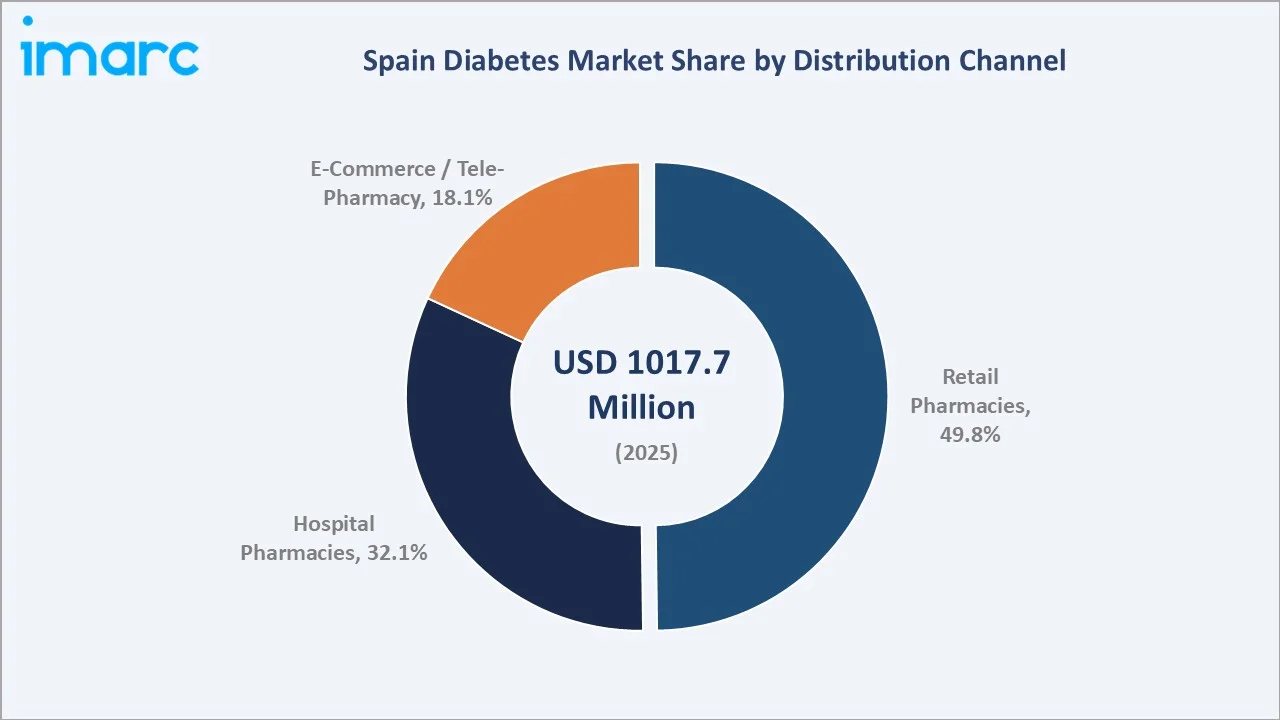
Hospital pharmacies represent 32.1% of dispensing volumes in 2025, worth around USD 326.7 Million. These outlets are central to first-fill insulin initiation, CGM provisioning, and complex therapy management, anchored by SNS hospitals and private networks such as Quironsalud, HM Hospitales, and Sanitas. E-commerce and tele-pharmacy reached 18.1% share, translating to roughly USD 184.2 Million, with ~6.8% CAGR momentum supported by PromoFarma, DosFarma, and Farmacia.es digital platforms.
Competitive Landscape
|
Company Name |
Key Brand(s) |
Market Position |
Core Strength |
|
Novo Nordisk |
NovoRapid, Levemir, Ozempic |
Leader |
Insulin analog leadership, GLP-1 franchise, adherence programs |
|
Sanofi |
Lantus, Toujeo, Soliqua |
Leader |
Long-acting analogs, fixed-ratio combinations, Barcelona manufacturing |
|
Eli Lilly and Company |
Humalog, Trulicity, Mounjaro |
Leader |
Dual GIP/GLP-1 platform, rapid uptake, specialist engagement |
|
AstraZeneca |
Forxiga, Bydureon |
Challenger |
SGLT-2 leadership, cardiorenal outcomes positioning |
|
Merck & Co. |
Januvia, Janumet |
Challenger |
DPP-4 class defense, combination products, primary care reach |
|
Boehringer Ingelheim International GmbH |
Jardiance, Tradjenta |
Challenger |
Cardiorenal evidence base, heart failure crossover |
|
Almirall |
Tesavel, Efficib |
Emerging |
Barcelona HQ, strong SNS tender presence, specialty focus |
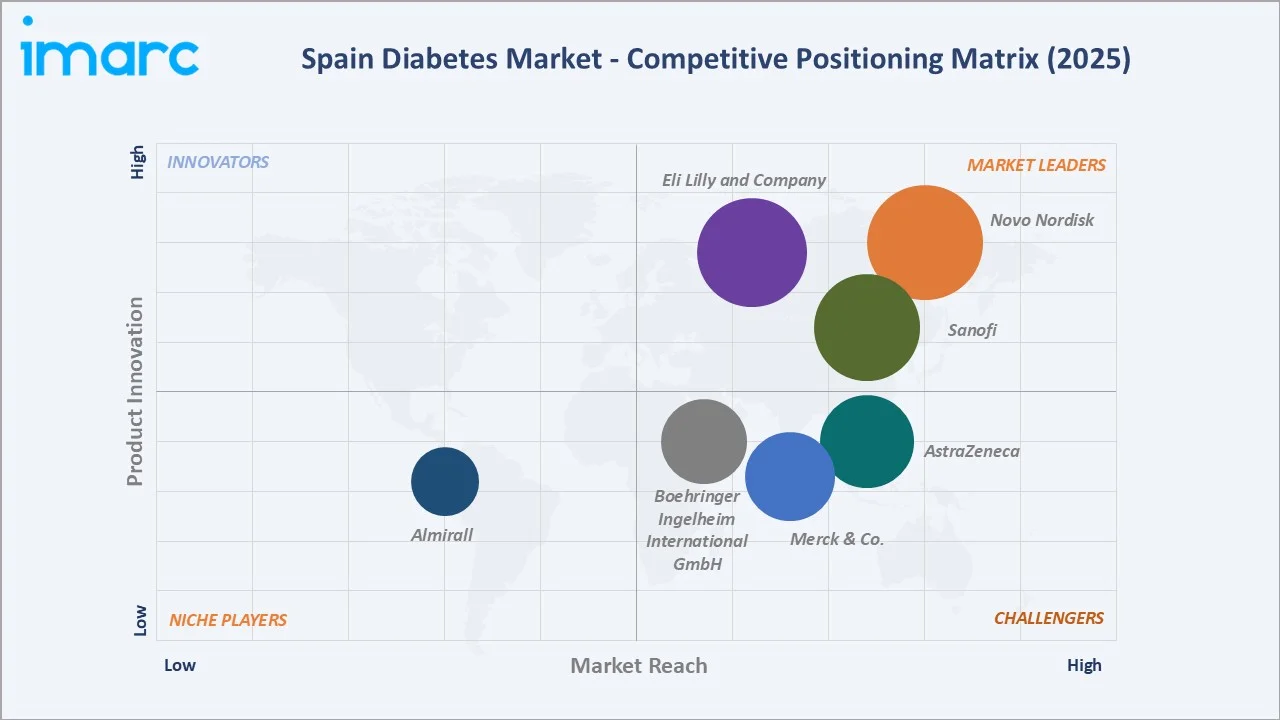
The Spain diabetes market's competitive landscape is moderately consolidated, with global innovators competing alongside Spanish manufacturers positioning for biosimilars and localization. Leading players compete on product innovation, IoT integration, SNS tender participation, and sustainability credentials. Strategic partnerships are a key tool - Almirall deepened SNS formulary coverage through 2025 tender wins.
Key Company Profiles
Novo Nordisk
Novo Nordisk is the global leader in insulin and GLP-1 therapies, headquartered in Bagsværd, Denmark. Founded in 1923, it operates through Novo Nordisk Spain S.A. with a local commercial, medical affairs, and clinical trials team based in Madrid.
- Product & Platform Portfolio: Novo Nordisk's Spain portfolio spans NovoRapid, Levemir, Tresiba, Ozempic, Victoza, and Xultophy - covering rapid-acting, long-acting, and GLP-1 classes with adherence-supporting smart pen accessories.
- Recent Developments: Novo Nordisk’s Spanish subsidiary reported strong revenue growth of 33% in 2025, driven primarily by rising demand for diabetes and obesity treatments such as Ozempic and Wegovy. According to the company’s financial disclosure via the Spanish business registry reporting coverage, the business in Spain grew significantly year-on-year, reflecting accelerating uptake of GLP-1 therapies in the market.
- Strategic Focus: Novo Nordisk's strategy centers on premium innovation, obesity-diabetes crossover therapies, and digital adherence tools aligned with Spanish national diabetes strategy priorities and expanding private insurance coverage.
Sanofi
Sanofi is a French multinational with deep historical presence in Spain. It operates Sanofi Iberia with its Spanish headquarters in Barcelona and maintains a major manufacturing site in Catalonia that exports across the EU and MENA regions.
- Product & Platform Portfolio: Sanofi's Spain portfolio includes Lantus, Toujeo, Apidra, Soliqua, and Admelog - covering basal, rapid, and fixed-ratio combination therapies aligned with SNS clinical guidelines.
- Recent Developments: In 2025, Sanofi and EQT Life Sciences co-led a €119 million Series B investment in SpliceBio, a Barcelona-based biotech company, marking the largest healthtech funding round in Spain to date. The investment is aimed at advancing SpliceBio’s gene therapy platform, particularly its lead program SB-007 for Stargardt disease, a rare genetic disorder that causes progressive vision loss and currently has no approved treatment. The funding supports clinical development activities in Spain and broader international trials, reinforcing Spain’s growing role in next-generation gene therapy innovation.
- Strategic Focus: Sanofi's focus is on portfolio consolidation around long-acting analogs and fixed-ratio combinations, deeper SNS tender participation, and leveraging Spanish manufacturing for European export.
Eli Lilly and Company
Eli Lilly and Company is a US-based innovator with leading GLP-1 and dual agonist assets. Spanish operations are supported by Lilly Spain with headquarters in Alcobendas, Madrid, and a long-established clinical trials network across major SNS hospitals.
- Product & Platform Portfolio: Eli Lilly's Spain portfolio includes Humalog, Humulin, Trulicity, Mounjaro, and co-promoted Jardiance. Mounjaro is a flagship growth driver for obesity-diabetes crossover care.
- Recent Developments: In 2025, Eli Lilly announced a €175 million expansion of its manufacturing and packaging facility in Alcobendas, Madrid, strengthening its long-standing operational presence in Spain. The investment is aimed at increasing production capacity for injectable devices and oral medicines, particularly in high-demand therapeutic areas such as diabetes and obesity.
- Strategic Focus: Eli Lilly's strategy focuses on aggressive expansion of GIP/GLP-1 dual agonists, targeted obesity-diabetes clinical programs, and deeper commercial coverage in Madrid, Catalonia, and Valencia.
Market Concentration Analysis
The Spain diabetes market exhibits moderate concentration. The top five players - Novo Nordisk, Sanofi, Eli Lilly, AstraZeneca, and Merck - collectively account for approximately 64% of national market revenue in 2025. Novo Nordisk alone holds an estimated 24.1% share, reflecting its deep insulin franchise and growing GLP-1 footprint across SNS and private channels.
The market is experiencing a bifurcated dynamic. At the premium OEM tier, consolidation is occurring around brand equity, IoT platform capabilities, and clinical evidence depth. Simultaneously, Spanish domestic manufacturers such as Almirall are generating competitive pressure through cost-competitive generics and biosimilar capabilities aligned with the National Pharmaceutical Strategy.
The Herfindahl-Hirschman Index is estimated below 2500 for 2025, sitting within the moderately concentrated range. The long tail of over 35 local and regional manufacturers ensures competitive dynamics, with at least three anticipated M&A transactions expected in the Spanish diabetes space over the next 36 months as biosimilar consolidation accelerates.
Investment & Growth Opportunities
Fastest-Growing Segments
E-commerce and tele-pharmacy sales are projected to grow at approximately 6.8% CAGR through 2034, outpacing offline channels. Oral antidiabetics lead the category at ~3.9% CAGR, driven by GLP-1 and SGLT-2 momentum. Smart insulin and CGM-enabled therapies represent the premium technology growth opportunity, with device penetration reaching ~36% of insulin-treated patients in 2025 and continuing to expand rapidly.
Emerging Sub-Market Opportunities
Pediatric type-1 diabetes care - affecting approximately 29,000 Spanish children in 2024 - is significantly underpenetrated by advanced pumps and closed-loop systems. Obesity-diabetes combined programs align with Spain's 2024 National Obesity Strategy targeting a 3% obesity reduction by 2030. Biosimilar insulin and GLP-1 manufacturing opportunities are emerging as National Pharmaceutical Strategy incentives mature.
Venture and Strategic Investment Trends
Spanish healthtech funding crossed EUR 420 Million in 2024, with diabetes and chronic-care startups attracting ~19% of deals. Digital therapeutics platforms such as SocialDiabetes and Vivo Diabetes expanded their investor bases in 2024. Investments in IoT connectivity platforms, biosimilar R&D, and AI-powered titration systems are the primary focus areas for venture and corporate capital through 2034.
Future Market Outlook (2026-2034)
The Spain diabetes market forecast projects steady value expansion from USD 1,017.7 Million in 2025 to USD 1,386.0 Million by 2034 at a CAGR of 3.39%. The Madrid Region will retain national leadership while Andalusia accelerates structurally on expanded screening and Catalonia sustains biotech-cluster momentum. Valencia and Basque Country will grow steadily through aging demographics and integrated care models.
Three key shifts will reshape the Spain diabetes market through 2034. First, CGM and digital therapeutics convergence will embed diabetes management into integrated SNS care pathways, making connected devices standard in new insulin initiations by 2028-2030. Second, biosimilar scale-up and localization will shift domestic manufacturing share from ~16% in 2025 to nearly 26% by 2034. Third, AI-enabled titration and closed-loop insulin delivery will transform complex-patient economics, reaching ~14% of type-1 patients by 2034.
Research Methodology
Primary Research
Primary research encompassed structured interviews conducted in 2024-2025 with 48 Spanish diabetes industry stakeholders, including endocrinologists, SNS hospital pharmacy directors, private hospital category managers, Cofares and Bidafarma leadership, and multinational commercial heads. Primary insights validated market sizing, segmentation estimates, regional splits, and technology adoption timelines.
Secondary Research
Secondary sources include AEMPS filings, Ministerio de Sanidad statistics, International Diabetes Federation (IDF) atlas editions, SNS tender disclosures, IQVIA Spain retail audits, and annual reports of listed Spanish pharma companies such as Almirall. Regulatory updates from AEMPS and public statements from regional health service leadership were also incorporated.
Forecasting Models
Market size estimations and growth projections were derived using a combination of bottom-up forecasting by drug class and distribution channel, cross-validated with top-down macro drivers such as diabetes prevalence, diagnosis rates, and per-capita health spending. Scenario analysis (base, optimistic, and conservative cases) was performed with CAGR sensitivity of +/- 90 basis points to account for macroeconomic and regulatory uncertainty.
Spain Diabetes Market Report Coverage
| Report Features | Details |
|---|---|
| Base Year of the Analysis | 2025 |
| Historical Period | 2020-2025 |
| Forecast Period | 2026-2034 |
| Units | Million USD |
| Scope of the Report |
Exploration of Historical Trends and Market Outlook, Industry Catalysts and Challenges, Segment-Wise Historical and Future Market Assessment:
|
| Segments Covered | Oral Antidiabetics, Insulin |
| Distribution Channels Covered | E-commerce and Tele-pharmacy, Hospital Pharmacies, Retail Pharmacies |
| Companies Covered | Novo Nordisk, Sanofi, Eli Lilly and Company, AstraZeneca, Merck & Co., Boehringer Ingelheim International GmbH, Almirall, etc. |
| Customization Scope | 10% Free Customization |
| Post-Sale Analyst Support | 10-12 Weeks |
| Delivery Format | PDF and Excel through Email (We can also provide the editable version of the report in PPT/Word format on special request) |
Frequently Asked Questions About the Spain Diabetes Market Report
The Spain diabetes market was valued at USD 1,017.7 Million in 2025, driven by 14.8% adult diabetes prevalence, aging demographics, and expanding GLP-1 therapy adoption across public and private networks.
The market is projected to reach USD 1,386.0 Million by 2034, growing at a CAGR of 3.39% during 2026-2034, supported by therapy innovation, CGM reimbursement, and digital pharmacy channel scale-up.
Oral antidiabetics lead with a 54.1% share in 2025, driven by a type-2 dominant patient mix, strong SGLT-2 adoption, and rapid GLP-1 receptor agonist uptake across Spanish formularies.
Retail pharmacies dominate with a 49.8% share in 2025, underpinned by more than 22,000 community pharmacies providing the densest pharmacy footprint in the European Union.
E-commerce and tele-pharmacy is the fastest-growing channel at 18.1% share in 2025, expanding at approximately 6.8% CAGR through 2034 as digital health adoption accelerates across Spain.
Key drivers include diabetes prevalence of 14.8%, aging demographics with 20% aged 65+, GLP-1 therapy adoption, CGM reimbursement expansion, and SNS healthcare investment.
Major players include Novo Nordisk, Sanofi, Eli Lilly, AstraZeneca, Merck & Co., Boehringer Ingelheim, Almirall - collectively holding ~64% of market share.
Continuous glucose monitoring (CGM) is the fastest-growing technology, projected to rise from ~36% penetration in 2025 to ~48% by 2029, driven by SNS reimbursement expansion.
Key restraints include AEMPS price controls and reference pricing, mandatory generic substitution, endocrinologist shortage at 2.1 per 100,000, and multi-region reimbursement fragmentation.
Key opportunities include CGM platform expansion, biosimilar insulin and GLP-1 manufacturing, pediatric type-1 care, obesity-diabetes combined programs, and digital therapeutics scale-up.
The Spain diabetes market is moderately consolidated, with the top five players holding ~64% share in 2025 and an HHI near 1,280, while a long tail of 35+ local manufacturers preserves competition.
Need more help?
- Speak to our experienced analysts for insights on the current market scenarios.
- Include additional segments and countries to customize the report as per your requirement.
- Gain an unparalleled competitive advantage in your domain by understanding how to utilize the report and positively impacting your operations and revenue.
- For further assistance, please connect with our analysts.
 Request Customization
 Speak to an Analyst
 Request Brochure
 Inquire Before Buying
Benefits of Customization
- Personalize this research
- Triangulate with your data
- Get data as per your format and definition
- Gain a deeper dive into a specific application, geography, customer, or competitor
- Any level of personalization
Get in Touch With Us
UNITED STATES
Phone: +1-201-971-6302
INDIA
Phone: +91-120-433-0800
UNITED KINGDOM
Phone: +44-753-714-6104
Email: [email protected]
Client Testimonials




.webp)




.webp)













Related Reports

Choose your plan
*Please note that the prices mentioned below are starting prices for each bundle type. Kindly contact our team for further details.*
Single User License
- 1 User License, Access on 2 Devices
- PDF Report + Excel Dataset (Password Protected)
- Lifetime Access
- No Printing Rights
- 10% Free Report Customization
- 10–12 Weeks of Analyst Support
Five User License
- Access for 5 Users, 2 Devices per User
- PDF Report + Excel Dataset (Password Protected)
- Lifetime Access
- Dedicated Account Manager
- 12–14 Weeks of Analyst Support
- No Printing Rights
- 15% Free Report Customization
- 25% Discount on Your Next Purchase
Corporate User License
- Unlimited User Access (Within Your Organization)
- PDF Report + Excel Dataset
- Lifetime Access
- Dedicated Account Manager
- 14–20 Weeks of Analyst Support
- No Printing Rights
- 20% Free Report Customization
- 30% Discount on Your Next Purchase
Essential Insights
What's included:
3 reports
- Lifetime Access
- PDF Reports
- Excel Datasets
- 2 Weeks of Free Analyst Support
- 2 User Licenses
- Access on 2 Devices
- Printing Rights
- Complimentary PowerPoint (PPT) Version
- Complimentary License Upgrade
Professional Access
What's included:
5 reports
- Lifetime Access
- PDF Reports
- Excel Datasets
- 8 Weeks of Free Analyst Support
- 2 User Licenses
- Access on 2 Devices
- Printing Rights
- Complimentary PowerPoint (PPT) Version
- Complimentary License Upgrade
Business Advantage
What's included:
8 reports
- Lifetime Access
- PDF Reports
- Excel Datasets
- 14 Weeks of Free Analyst Support
- 2 User Licenses
- Access on 2 Devices
- Printing Rights
- Complimentary PowerPoint (PPT) Version
- Complimentary License Upgrade
Enterprise Intelligence
What's included:
10 reports
- Lifetime Access
- PDF Reports
- Excel Datasets
- 20 Weeks of Free Analyst Support
- 2 User Licenses
- Access on 2 Devices
- Printing Rights
- Complimentary PowerPoint (PPT) Version
- Complimentary License Upgrade