
Spain Pharmaceutical Market Size, Share, Trends and Forecast by Type, Nature, and Region, 2026-2034
Spain Pharmaceutical Market Size, Share, Trends & Forecast (2026-2034)
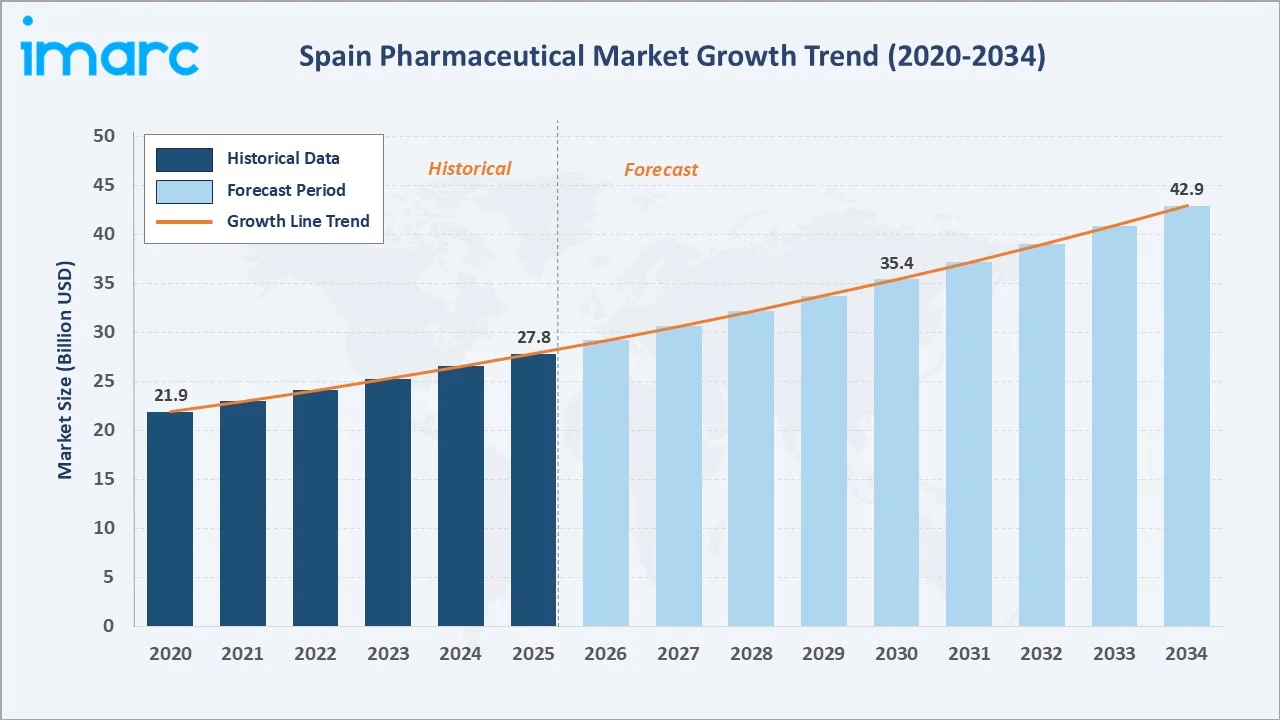
The Spain pharmaceutical industry reached USD 27.84 Billion in 2025 and is projected to reach USD 42.92 Billion by 2034, growing at a CAGR of 4.92% during 2026-2034. Growth is driven by an aging population, rising R&D investment, and expanding biopharmaceutical adoption. Pharmaceutical drugs lead the type segment at 72.8%, conventional products dominate nature at 91.7%, and Central Spain leads regionally at 35.8% share in 2025.
Market Snapshot
|
Metric |
Value |
|
Market Size (2025) |
USD 27.84 Billion |
|
Forecast Market Size (2034) |
USD 42.92 Billion |
|
CAGR (2026-2034) |
4.92% |
|
Base Year |
2025 |
|
Historical Period |
2020-2025 |
|
Forecast Period |
2026-2034 |
|
Dominant Type |
Pharmaceutical Drugs (72.8%, 2025) |
|
Dominant Nature |
Conventional (91.7%, 2025) |
|
Leading Region |
Central Spain (35.8%, 2025) |
The Spain pharmaceutical market expanded from USD 21.89 Billion in 2020 to USD 27.84 Billion in 2025, is anchored at USD 35.41 Billion in 2030, and is forecast to reach USD 42.92 Billion by 2034. Post-pandemic healthcare investment, an aging population, and steady generics uptake sustained consistent growth across the historical period.
To get more information on this market, Request Sample
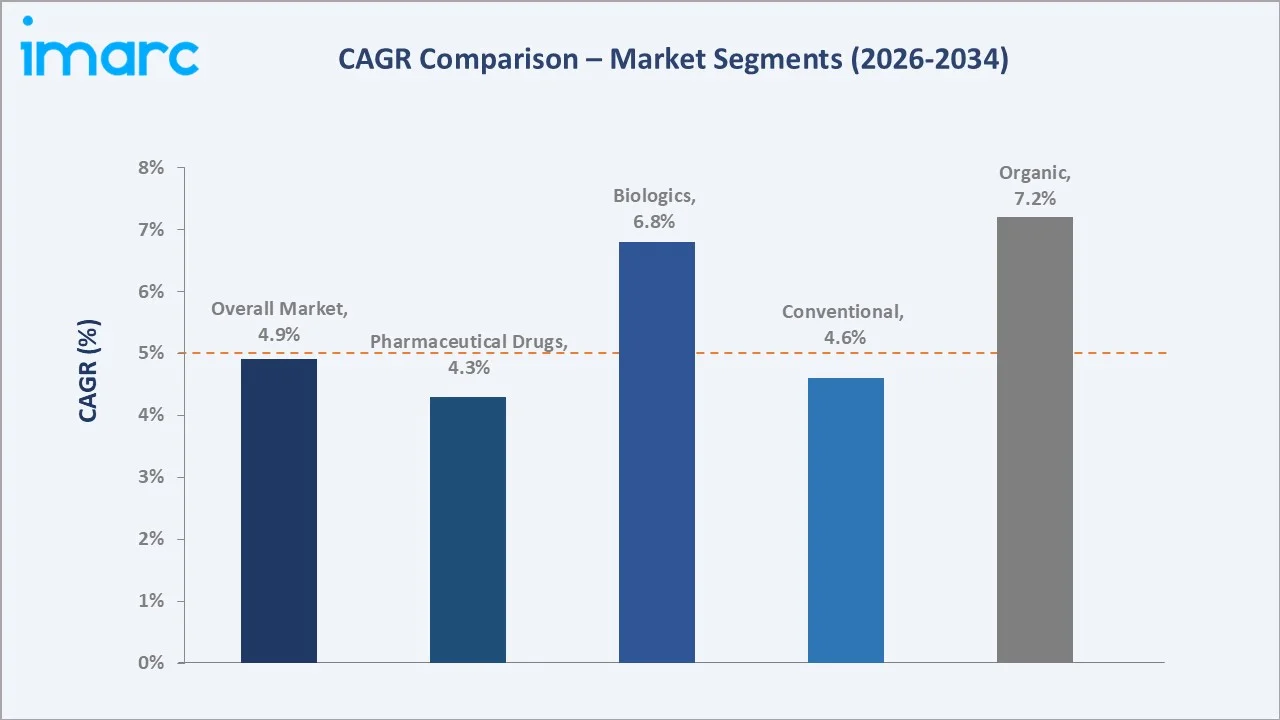
Biologics grow fastest at an estimated ~6.8% CAGR as biosimilar adoption accelerates across Spain, while the organic nature segment expands at ~7.2% CAGR from a smaller base. Pharmaceutical drugs and conventional products retain the largest revenue share despite comparatively moderate growth rates.
Executive Summary
The Spain pharmaceutical market reached USD 27.84 Billion in 2025, spanning drug discovery, active ingredient manufacturing, biologics production, regulatory approval, and distribution through retail, hospital, and ambulatory dispensing channels. The spain pharmaceutical industry benefits from strong public healthcare coverage, an established generics manufacturing base, and increasing biosimilar investment, positioning the country as one of Europe's more resilient and steadily expanding pharmaceutical markets through the 2026-2034 forecast period.
Pharmaceutical drugs at 72.8% dominate through broad chronic disease treatment demand across cardiovascular, oncology, and anti-infective categories, while conventional products at 91.7% lead the nature segment through cost-effective, established manufacturing routes and broad reimbursement alignment. Central Spain, anchored by Madrid's pharmaceutical manufacturing, research, and regulatory hub, leads regionally at 35.8% share, followed by Eastern Spain's biotech-driven Catalonia cluster at 27.4%.
Key Market Insights
|
Insight |
Data |
|
Dominant Type |
Pharmaceutical Drugs - 72.8% share (2025) |
|
Dominant Nature |
Conventional - 91.7% market share (2025) |
|
Leading Region |
Central Spain - 35.8% market share |
|
Market Opportunity |
Biosimilar expansion; AI-driven drug discovery; personalized medicine; digital pharmacy platforms; oncology API investment |
Key Analytical Observations Supporting the Above Data:
- Pharmaceutical Drugs at 72.8%: Broad chronic disease prevalence and established prescribing pathways sustain demand for cardiovascular, oncology, and anti-infective drug categories across Spain.
- Conventional Products at 91.7%: Cost-effective manufacturing and reimbursement alignment keep conventional formulations dominant over organic-certified alternatives.
- Central Spain at 35.8%: Madrid's concentration of manufacturers, hospitals, and regulatory bodies anchors the region's leading position.
Spain Pharmaceutical Market Overview
The Spain pharmaceutical market encompasses drug discovery, active pharmaceutical ingredient (API) production, formulation, regulatory approval, and distribution through retail, hospital, and ambulatory channels. It spans pharmaceutical drugs and biologics manufactured under conventional and organic production standards, supported by a well-established network of domestic manufacturers, multinational subsidiaries, and specialized contract development organizations that together sustain a diversified and resilient supply base.
Macroeconomic support includes universal healthcare coverage, an aging population, and rising chronic disease incidence. Government R&D incentives, EU regulatory harmonization, and Spain's participation in centralized European approval procedures further support the Spain active pharmaceutical ingredient cancer market and broader oncology drug development pipelines. Public procurement programs and national health strategy funding continue to channel investment toward biosimilar manufacturing, generics substitution, and digital prescribing infrastructure, reinforcing the long-term structural growth of the spain pharmaceutical industry.
Market Dynamics
To evaluate market opportunities, Request Sample
Market Drivers
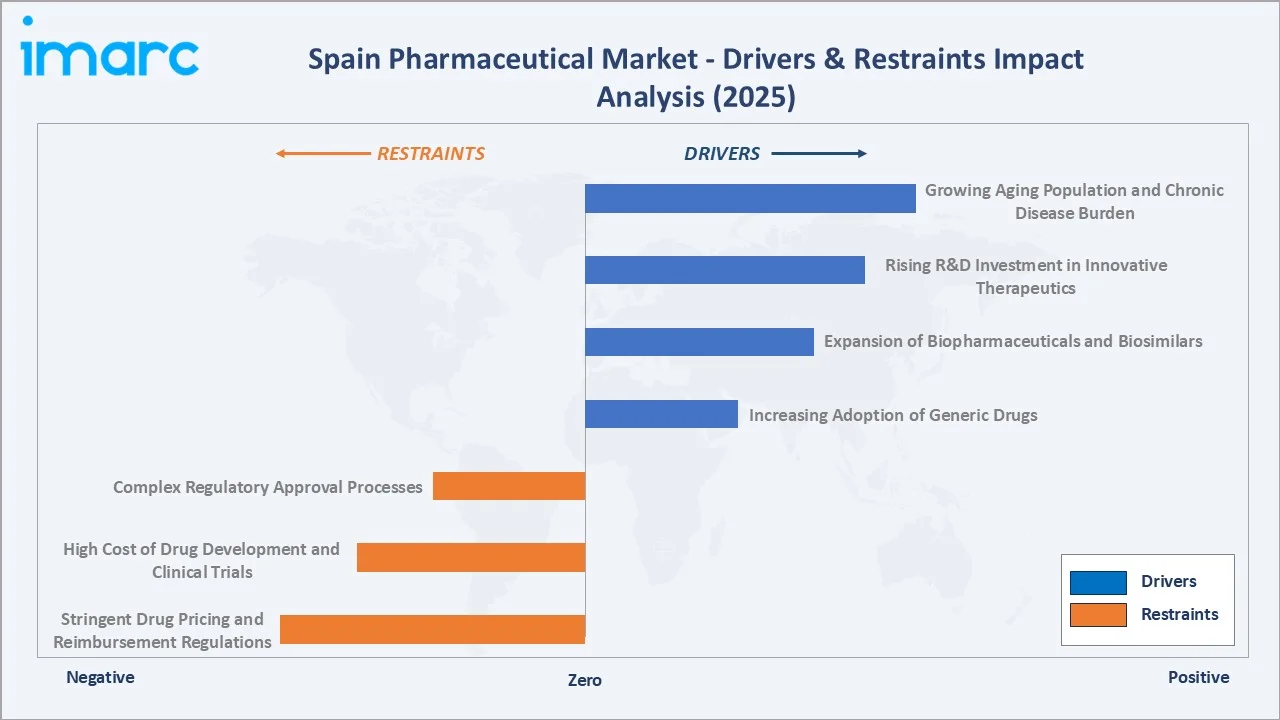
- Growing Aging Population and Chronic Disease Burden: Spain's rising share of citizens aged 65 and above, projected to reach roughly 35% of the working-age population by 2030, is increasing demand for cardiovascular, oncology, diabetes, and neurodegenerative treatments. Pharmaceutical companies are tailoring formulations for geriatric patients, including easier-to-swallow dosage forms and reduced side-effect profiles, sustaining consistent nationwide pharmaceutical consumption across both hospital and ambulatory care settings.
- Rising R&D Investment in Innovative Therapeutics: Pharmaceutical companies invested a record USD 1.4 billion-plus in Spanish R&D in 2023, roughly 10% higher than the prior year, accelerating novel drug, biologic, and vaccine development. Collaborative research between academic institutions, biotech firms, and multinational manufacturers is expanding Spain's clinical trial pipeline and strengthening its position as a regional innovation hub.
- Expansion of Biopharmaceuticals and Biosimilars: Growing biosimilar approvals are lowering treatment costs and widening patient access to monoclonal antibodies, therapeutic proteins, and vaccines. Domestic manufacturers are scaling bioreactor and purification capacity to meet rising demand, supporting the broader shift of the spain pharmaceutical industry toward higher-value biologic therapies alongside conventional small-molecule drugs.
- Increasing Adoption of Generic Drugs: Cost-containment policies, reference pricing systems, and patent expirations are accelerating generic substitution across public and private prescribing channels. National health authorities continue to incentivize generic dispensing to manage healthcare budgets, reinforcing steady volume growth even as branded drug pricing faces downward pressure.
Market Restraints
- Stringent Drug Pricing and Reimbursement Regulations: Centralized pricing controls, reference pricing systems, and mandatory price-volume agreements compress manufacturer margins and slow the launch of new branded therapies. Reimbursement negotiations with national and regional health authorities can extend product launch timelines by several months, limiting near-term revenue realization for innovative treatments.
- High Cost of Drug Development and Clinical Trials: Lengthy trial timelines, rising patient recruitment costs, and multi-phase clinical validation requirements limit smaller manufacturers' ability to bring new therapies to market. These cost pressures disproportionately affect domestic biotech firms competing against better-capitalized multinational developers.
- Complex Regulatory Approval Processes: Multi-stage AEMPS and EMA approval requirements, including centralized and decentralized procedures for biologics, extend time-to-market for innovative and biologic therapies. Navigating parallel national and EU-level compliance obligations adds administrative burden for manufacturers seeking simultaneous multi-country launches.
Market Opportunities
- Personalized and Precision Medicine: Genomic-guided therapy selection is opening new revenue streams in oncology and rare disease treatment, as Spanish hospital networks increasingly adopt biomarker testing to match patients with targeted therapies, improving outcomes and creating higher-value prescribing pathways for manufacturers.
- Digital Health-Integrated Pharma Platforms: E-prescription, telepharmacy, and e-commerce pharmacy adoption is reshaping drug retail market trends and growth forecast in spain toward digitally enabled dispensing, improving medicine access in rural and underserved regions while creating new direct-to-patient distribution channels for manufacturers and pharmacy chains alike.
Market Challenges
- Patent Cliffs and Generic Erosion: Expiring patents on blockbuster drugs are compressing branded revenue and intensifying generic price competition, forcing originator manufacturers to accelerate pipeline replenishment and pursue lifecycle-management strategies to defend market share.
- Supply Chain and API Import Dependency: Reliance on imported active pharmaceutical ingredients, largely sourced from Asian manufacturing hubs, exposes Spanish producers to global supply disruptions, currency volatility, and geopolitical trade risk, prompting renewed interest in domestic and European API manufacturing capacity.
Emerging Market Trends
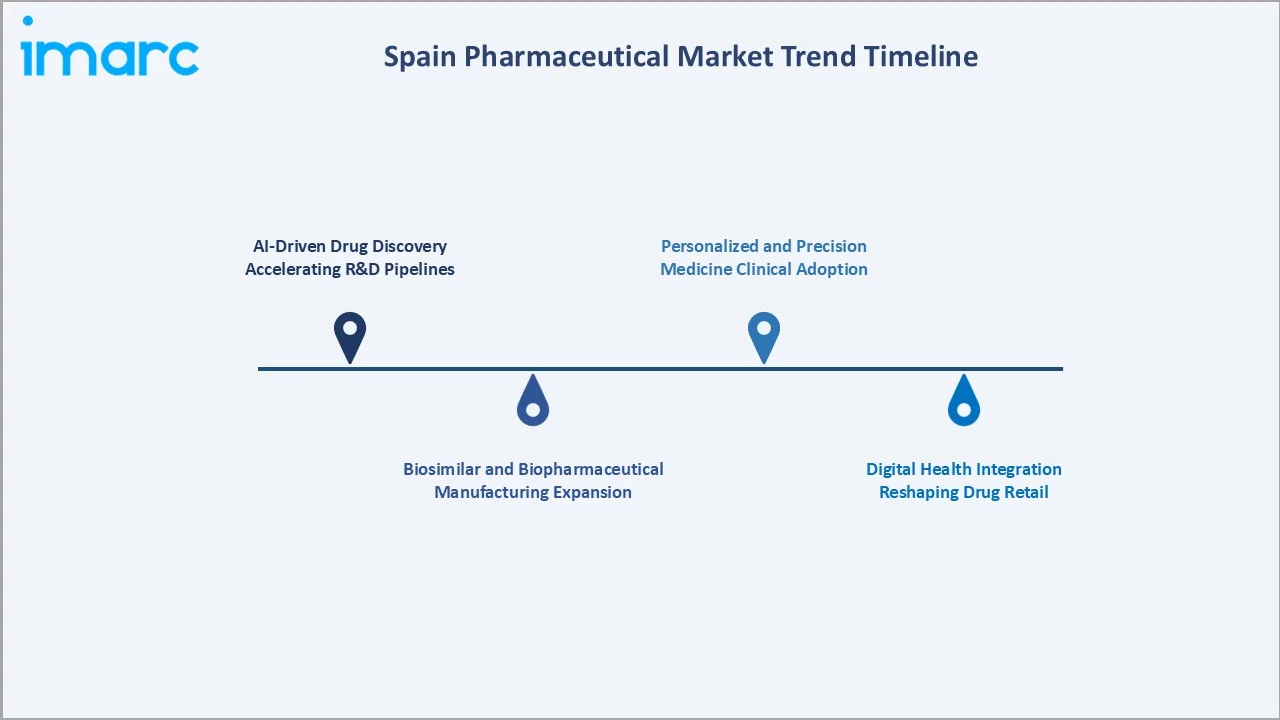
1. AI-Driven Drug Discovery Accelerating R&D Pipelines
Artificial intelligence is compressing early-stage discovery timelines by predicting molecular behavior, screening compound libraries, and optimizing clinical trial design. Spanish research institutes and multinational manufacturers operating in the country are increasingly deploying machine learning platforms to identify viable drug candidates faster, reducing the time and cost associated with bringing new therapies from laboratory concept to first-in-human trials.
2. Biosimilar and Biopharmaceutical Manufacturing Expansion
Investment in biologics manufacturing capacity is growing steadily as biosimilar approvals rise across Europe, reducing treatment costs while expanding patient access to advanced monoclonal antibody, therapeutic protein, and vaccine therapies. Domestic players such as Laboratorios Rovi are scaling injectable and biosimilar production capability to serve both the domestic market and export demand from other EU member states.
3. Personalized and Precision Medicine Clinical Adoption
Genomic profiling and biomarker-guided prescribing are gaining traction in oncology and rare disease care, supporting more targeted, higher-value treatment protocols across Spanish hospital networks. Investment linked to the spain active pharmaceutical ingredient cancer market is increasingly directed toward companion diagnostics and biomarker-linked therapeutics that improve treatment precision and patient outcomes.
4. Digital Health Integration Reshaping Drug Retail
E-pharmacy platforms, e-prescriptions, and telehealth consultations are transforming drug retail market trends and growth forecast in spain, extending medicine access to rural and ambulatory-care populations. Regional health authorities are expanding electronic prescription systems, while private pharmacy chains are investing in home-delivery and digital refill services to meet rising consumer expectations for convenience.
Industry Value Chain Analysis
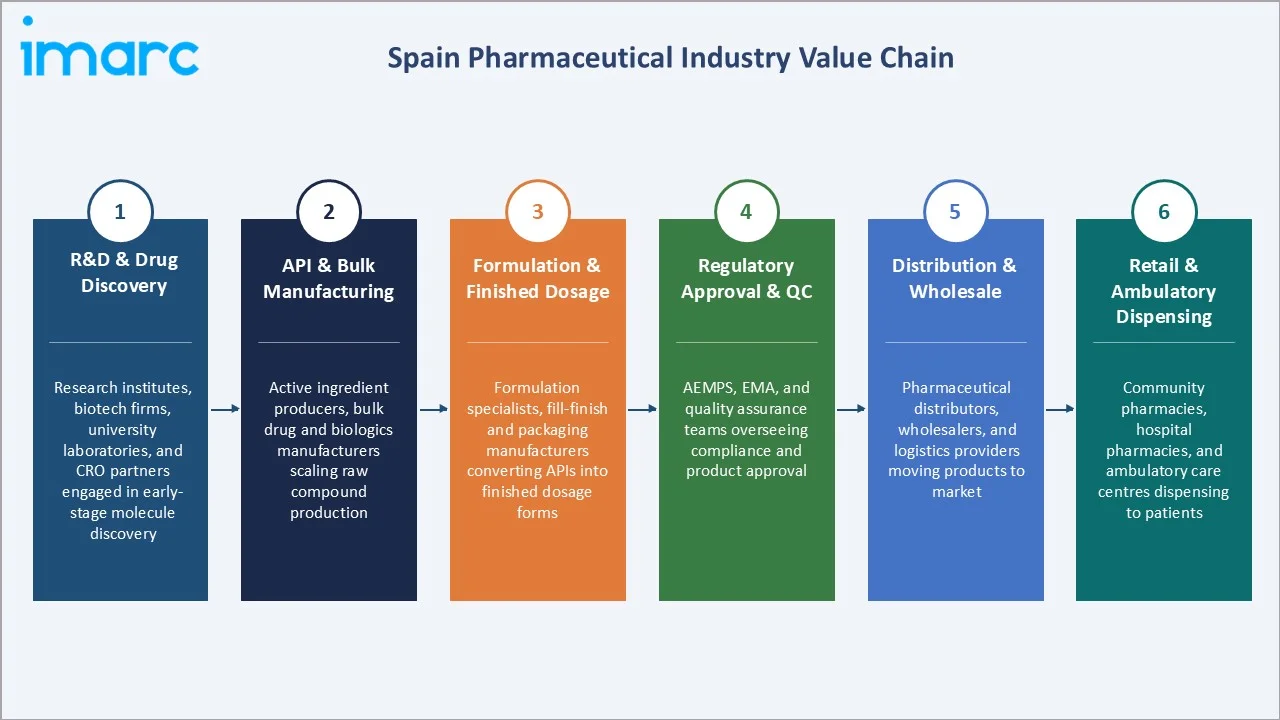
The Spain pharmaceutical value chain spans research and drug discovery, active ingredient and bulk manufacturing, formulation, regulatory quality control, distribution, and dispensing through retail, hospital, and ambulatory channels.
|
Stage |
Key Participants |
|
R&D & Drug Discovery |
Research institutes, biotech firms, university laboratories, and CRO partners engaged in early-stage molecule discovery |
|
API & Bulk Manufacturing |
Active ingredient producers, bulk drug and biologics manufacturers scaling raw compound production |
|
Formulation & Finished Dosage |
Formulation specialists, fill-finish and packaging manufacturers converting APIs into finished dosage forms |
|
Regulatory Approval & QC |
AEMPS, EMA, and quality assurance teams overseeing compliance and product approval |
|
Distribution & Wholesale |
Pharmaceutical distributors, wholesalers, and logistics providers moving products to market |
|
Retail & Ambulatory Dispensing |
Community pharmacies, hospital pharmacies, and ambulatory care centres dispensing to patients |
The formulation and regulatory quality-control stages are the value chain's most technically demanding phases, while distribution infrastructure sustains the reliability that the Spain ambulatory services market depends on for consistent medicine availability.
Technology Landscape in the Spain Pharmaceutical Industry
Biosimilar and Biologics Manufacturing Technology
Advanced bioreactor, cell-culture, and purification technologies are enabling scalable, cost-efficient biosimilar production, supporting wider access to monoclonal antibody and therapeutic protein treatments across Spain. Continuous-manufacturing platforms and single-use bioreactor systems are reducing capital investment barriers, allowing mid-sized domestic manufacturers to compete alongside larger multinational biologics producers on production efficiency and batch consistency.
AI and Machine Learning in Drug Discovery
Machine learning platforms are being used to screen molecular candidates, predict binding efficacy, and model toxicity profiles, shortening discovery cycles and reducing the cost of bringing new therapies to clinical trial. Spanish research consortia are partnering with technology providers to build predictive models specific to oncology and rare disease indications, accelerating candidate selection ahead of costly late-stage trials.
Digital Health and Telepharmacy Platforms
Telepharmacy and e-prescription systems are streamlining medicine access across ambulatory and rural care settings, improving adherence and reducing dispensing delays. Integration between hospital electronic health records and community pharmacy dispensing systems is enabling real-time medication tracking, supporting better chronic disease management and reducing prescription errors across the national health system.
Market Segmentation Analysis
The report covers the following segments:
|
Segment Category |
Leading Segment |
Market Share |
Year |
|
Type |
Pharmaceutical Drugs |
72.8% |
2025 |
|
Nature |
Conventional |
91.7% |
2025 |
|
Region |
Central Spain |
35.8% |
2025 |

By Type
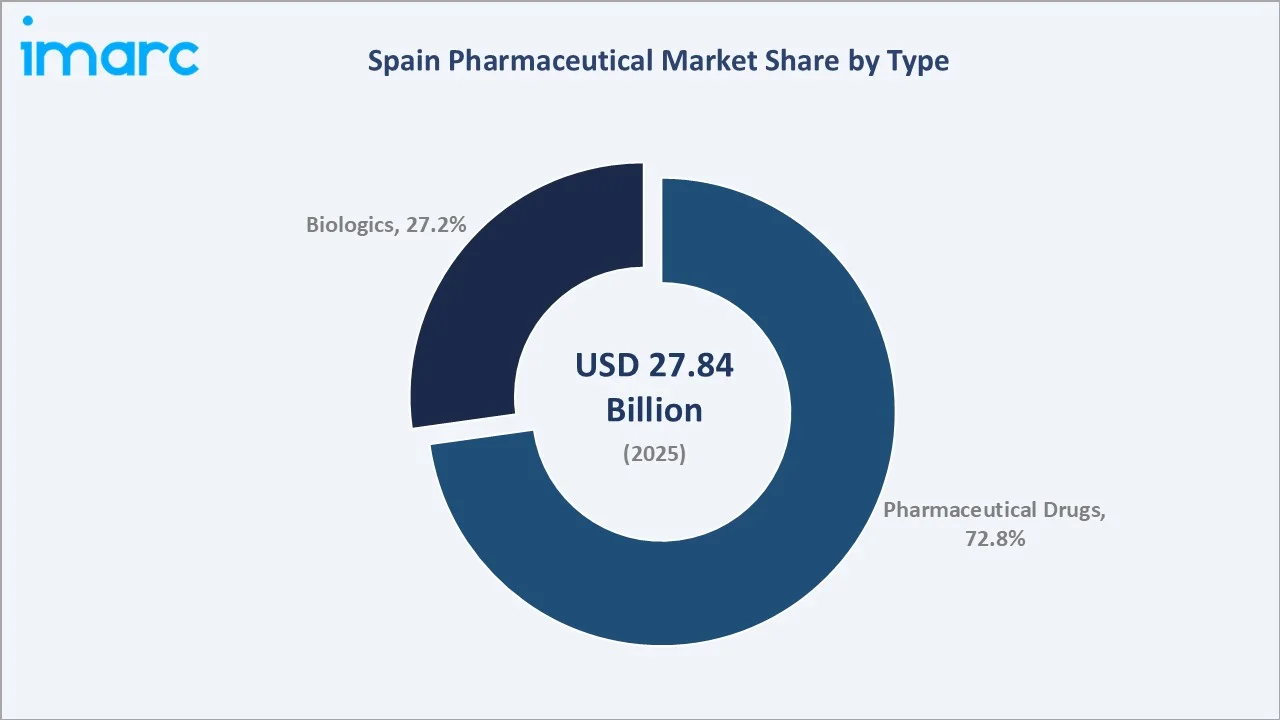
Pharmaceutical drugs lead at 72.8% (2025) and are projected to grow at a comparatively moderate ~4.3% CAGR during 2034, encompassing cardiovascular, oncology, anti-infective, and central nervous system therapies. Growing demand within the spain active pharmaceutical ingredient cancer market continues to support oncology drug consumption specifically, even as the segment's large existing base keeps its growth rate below the market average.
To access detailed market analysis, Request Sample
Biologics at 27.2% is the faster-growing segment, projected to expand at an estimated ~6.8% CAGR through 2026-2034, well above the overall market's 4.92% rate. The segment encompasses monoclonal antibodies, therapeutic proteins, and vaccines, supported by expanding biosimilar approvals, rising oncology treatment adoption, and growing manufacturing investment from domestic biologics producers.
By Nature
Conventional products lead at 91.7% (2025) and are forecast to grow at an estimated ~4.6% CAGR during 2026-2034, supported by established, cost-effective manufacturing and broad reimbursement alignment across public healthcare formularies. The segment's scale and entrenched supply infrastructure keep growth steady but moderate relative to the smaller organic segment.
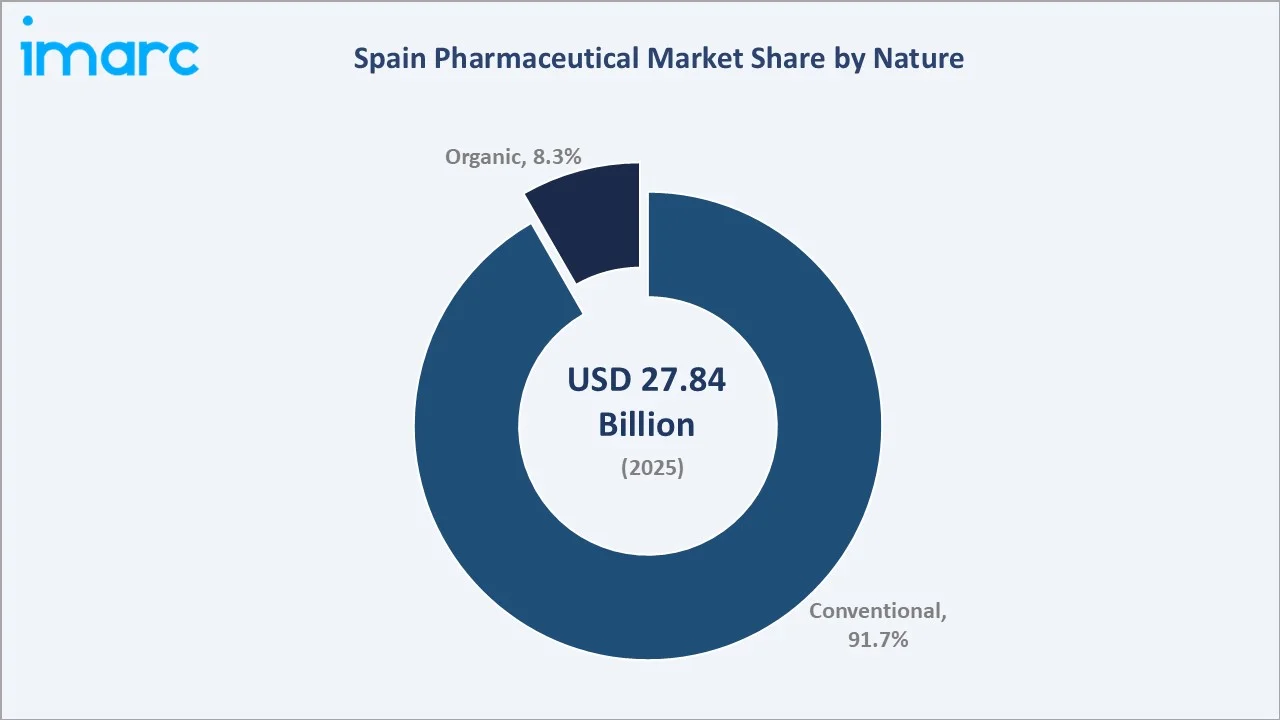
Organic products at 8.3% are growing from a smaller base at an estimated ~7.2% CAGR, the fastest rate among all segments tracked, as clean-label and sustainably sourced pharmaceutical inputs gain niche clinical and consumer interest across Spain's premium healthcare and wellness-focused retail channels.
Regional Market Insights
|
Region |
Share (2025) |
Key Spain Pharmaceutical Market Drivers & Characteristics |
|
Central Spain |
35.8% |
Anchored by Madrid's concentration of manufacturers, research institutes, and hospital networks driving pharmaceutical demand. |
|
Eastern Spain |
27.4% |
Supported by Catalonia's biotech clusters, export-oriented manufacturing, and strong ambulatory care infrastructure. |
|
Northern Spain |
19.3% |
Driven by established generics manufacturing and growing biosimilar production investment. |
|
Southern Spain |
17.5% |
Supported by expanding healthcare infrastructure and rising chronic disease treatment demand. |
Central Spain's 35.8% leadership reflects Madrid's dual role as the country's pharmaceutical manufacturing and regulatory hub, hosting a dense concentration of multinational subsidiaries, hospital networks, and AEMPS regulatory functions that together sustain the region's outsized share of national pharmaceutical activity. Eastern Spain's 27.4% share benefits from Catalonia's biotech ecosystem, export-focused production base, and strong ambulatory care infrastructure, reflecting the spain ambulatory services market's growing role in regional healthcare delivery.
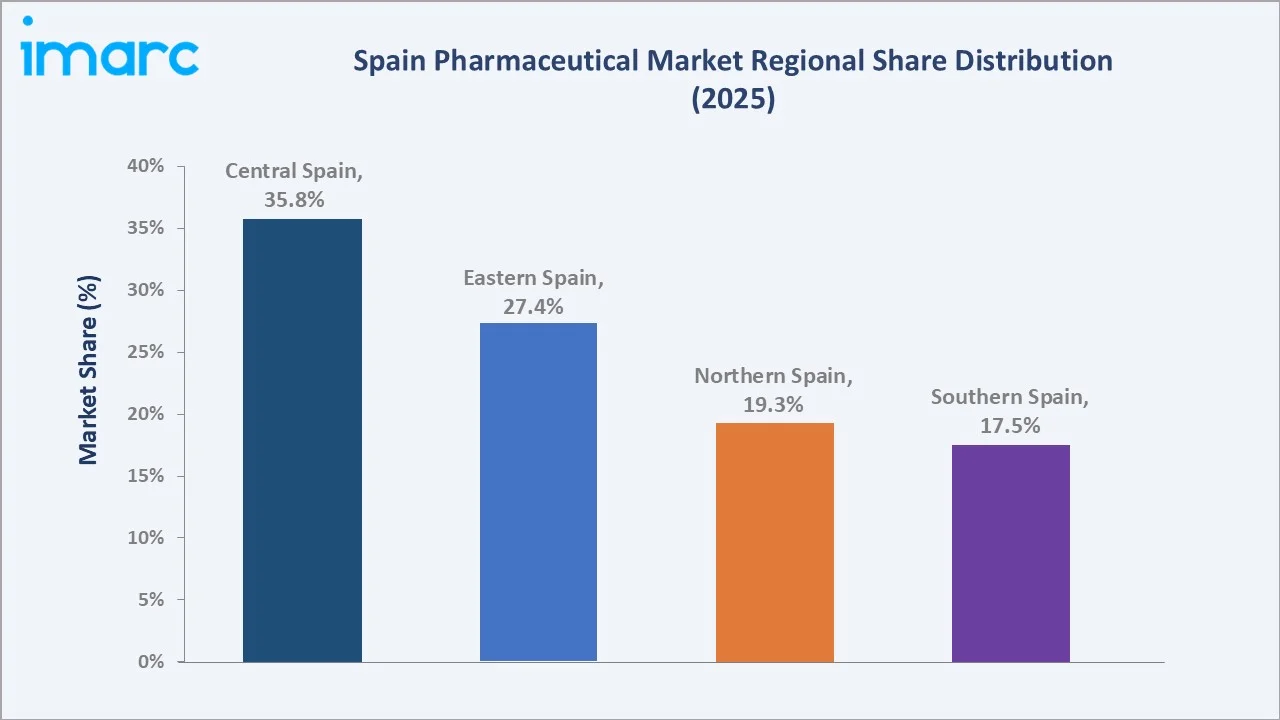
Northern Spain's 19.3% is supported by long-established generics manufacturing hubs and growing biosimilar production investment across its industrial corridors, while Southern Spain, at 17.5%, is the fastest-improving region as healthcare infrastructure investment expands access to modern treatment and strengthens regional distribution networks serving both urban and rural populations.
Competitive Landscape
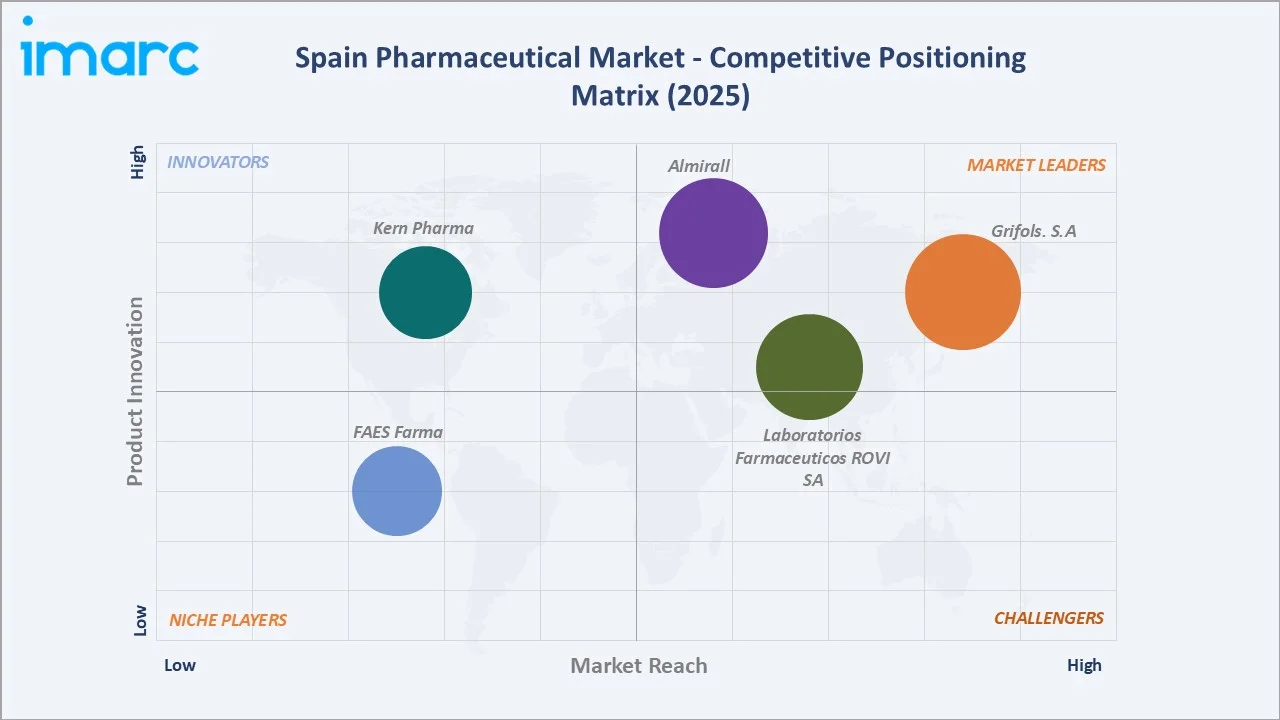
The Spain pharmaceutical market competitive landscape spans multinational drug manufacturers, domestic biopharmaceutical leaders, and generics-focused producers competing across branded, biosimilar, and generic product lines.
|
Company Name |
Key Products |
Market Position |
Core Strength |
|
Grifols. S.A. |
Plasma-derived therapies, immunoglobulins |
Market Leader |
Global leadership in plasma-derived biologics and diagnostics manufacturing. |
|
Almirall |
Dermatology and specialty therapeutics |
Market Leader |
Strong dermatology pipeline and specialty prescription drug portfolio. |
|
Laboratorios Farmaceuticos ROVI SA |
Injectable and biosimilar therapies |
Established Player |
Advanced injectable manufacturing and biosimilar development capability. |
|
Kern Pharma |
Generic and biosimilar drugs |
Established Player |
Cost-efficient generics manufacturing with growing biosimilar portfolio. |
|
FAES Farma |
Allergy and CNS therapeutics |
Niche Player |
Focused R&D in allergy, respiratory, and central nervous system drugs. |
Domestic manufacturers sustain competitive advantage through generics and biosimilar cost efficiency, while multinational leaders drive innovation in biologics and specialty therapeutics across the Spanish market.
Key Company Profiles
Grifols, S.A.
Grifols S.A. is a leading global provider of plasma-derived medicines, diagnostics, and hospital pharmacy solutions, headquartered in Spain and serving healthcare systems worldwide.
- Key Products: Immunoglobulins, albumin, and specialty plasma-derived therapies.
- Recent Developments: In June 2026, Grifols broke ground on a new manufacturing site in Lliçà de Vall, Barcelona, Spain, with an initial investment of €160 million. The facility, expected to begin operations in 2030, will increase Grifols’ plasma fractionation capacity in Europe by 3 million liters annually, supporting the supply of essential plasma-derived medicines such as immunoglobulins to more than 300,000 patients across Europe. The new site will form part of a 25-hectare biotechnology hub with Grifols’ existing Parets del Vallès complex and is expected to create 400 new jobs. The project has been designated a strategic project by the Government of Catalonia and directly strengthens Spain’s pharmaceutical and biopharmaceutical manufacturing capabilities.
- Strategic Focus: Focused on plasma-derived biologics innovation and expanding global diagnostics reach.
Almirall
Almirall is a Spanish pharmaceutical company specializing in dermatology and specialty medicine, with a growing pipeline of prescription and biologic dermatology treatments.
- Key Products: Dermatology biologics and specialty prescription therapeutics.
- Recent Developments: In July 2026: Almirall announced a strategic research collaboration and licensing agreement with Certest Biotec, based in Zaragoza, Spain, to jointly discover and clinically develop novel treatments for rare dermatologic diseases and recurrent cutaneous conditions. The collaboration combines Certest Pharma’s mRNA and lipid nanoparticle technology with Almirall’s expertise in medical dermatology research and clinical development. The agreement strengthens pharmaceutical R&D and innovation in Spain and supports the development of next-generation therapies for unmet medical needs.
- Strategic Focus: Centered on dermatology innovation and specialty therapeutic portfolio growth.
Laboratorios Farmacéuticos Rovi
Laboratorios Farmacéuticos Rovi is a Spanish pharmaceutical company specializing in injectable drug manufacturing, biosimilars, and contract development services for global pharmaceutical partners.
- Key Products: Injectable anticoagulants and biosimilar therapies.
- Strategic Focus: Focused on injectable technology leadership and biosimilar portfolio expansion.
Market Concentration Analysis
The Spain pharmaceutical market is moderately fragmented, with domestic generics manufacturers and multinational biologics leaders competing across distinct product tiers. No single manufacturer holds a dominant majority share, though consolidation is increasing among biosimilar and specialty producers through partnerships and acquisitions. Mid-sized domestic players continue to defend share in generics and injectable manufacturing, while multinational subsidiaries lead investment in biologics, oncology, and specialty therapeutic innovation, sustaining a competitive balance across the value chain.
Investment & Growth Opportunities
Highest Growth Segments
Biologics (~6.8% CAGR) and organic-certified pharmaceutical products (~7.2% CAGR) represent the fastest-growing investment vectors, supported by biosimilar approvals and rising demand for sustainably manufactured therapeutics through 2034. Investors are increasingly directing capital toward injectable manufacturing capacity, biosimilar development partnerships, and digital pharmacy infrastructure that together capture above-market growth rates relative to conventional small-molecule drug production.
Emerging Investment Opportunities
Oncology-focused API manufacturing and digital pharmacy infrastructure represent the largest near-term opportunities, as investment in the spain active pharmaceutical ingredient cancer market accelerates alongside broader digital health adoption. Companies establishing early partnerships with regional health authorities and hospital networks are well positioned to capture disproportionate share of Spain's expanding precision medicine and telepharmacy investment wave.
Future Market Outlook (2026-2034)
The Spain pharmaceutical market is projected to grow from USD 27.84 Billion in 2025 to USD 42.92 Billion by 2034, delivering a 4.92% CAGR. By 2030, the market's anchor value of USD 35.41 Billion will reflect wider biosimilar adoption, AI-integrated drug discovery, and expanded ambulatory and digital dispensing infrastructure across Spain, as manufacturers continue to shift investment toward higher-value biologic and precision-medicine product lines.
An aging population, sustained R&D investment, and EU regulatory harmonization will continue to underpin long-term, policy-supported market growth through the forecast period, while digital health integration and biosimilar expansion progressively reshape how medicines are manufactured, prescribed, and dispensed across the country.
Research Methodology
Primary Research
Primary research comprised structured interviews with industry stakeholders including R&D directors, regulatory affairs professionals, hospital procurement leads, and pharmaceutical distribution specialists across Spain.
Secondary Research
Secondary research encompassed government health publications, AEMPS regulatory filings, company annual reports, and industry association data covering the spain pharmaceutical industry.
Forecasting Models
Market revenue forecasts were developed using a segment bottom-up model covering type, nature, and regional components.
Spain Pharmaceutical Market Report Coverage:
| Report Features | Details |
|---|---|
| Base Year of the Analysis | 2025 |
| Historical Period | 2020-2025 |
| Forecast Period | 2026-2034 |
| Units | Billion USD |
| Scope of the Report | Exploration of Historical Trends and Market Outlook, Industry Catalysts and Challenges, Segment-Wise Historical and Future Market Assessment:
|
| Types Covered |
|
| Natures Covered | Organic, Conventional |
| Regions Covered | Northern Spain, Eastern Spain, Southern Spain, Central Spain |
| Companies Covered | Grifols. S.A., Almirall, Laboratorios Farmaceuticos ROVI SA, Kern Pharma, FAES Farma, etc. |
| Customization Scope | 10% Free Customization |
| Post-Sale Analyst Support | 10-12 Weeks |
| Delivery Format | PDF and Excel through Email (We can also provide the editable version of the report in PPT/Word format on special request) |
Key Benefits for Stakeholders:
- IMARC’s industry report offers a comprehensive quantitative analysis of various market segments, historical and current market trends, market forecasts, and dynamics of the Spain pharmaceutical market from 2020-2034.
- The research report provides the latest information on the market drivers, challenges, and opportunities in the Spain pharmaceutical market.
- Porter's five forces analysis assist stakeholders in assessing the impact of new entrants, competitive rivalry, supplier power, buyer power, and the threat of substitution. It helps stakeholders to analyze the level of competition within the Spain pharmaceutical industry and its attractiveness.
- Competitive landscape allows stakeholders to understand their competitive environment and provides an insight into the current positions of key players in the market.
Frequently Asked Questions About the Spain Pharmaceutical Market Report
The Spain pharmaceutical market reached USD 27.84 Billion in 2025, driven by an aging population, rising R&D investment, and growing biopharmaceutical adoption.
The market is projected to grow at a 4.92% CAGR during 2026-2034, reaching USD 42.92 Billion by 2034.
Pharmaceutical drugs lead at 72.8% share in 2025, driven by broad chronic disease treatment demand across cardiovascular, oncology, and anti-infective categories.
Conventional products lead at 91.7% share through established, cost-effective manufacturing and broad reimbursement alignment.
Central Spain leads at 35.8% share, anchored by Madrid's pharmaceutical manufacturing and research concentration.
Leading companies include Grifols. S.A., Almirall, Laboratorios Farmaceuticos ROVI SA, Kern Pharma, and FAES Farma.
The market is projected to reach approximately USD 35.41 Billion by 2030, supported by expanding biosimilar adoption and digital pharmacy infrastructure.
E-prescription and telepharmacy platforms are reshaping drug retail market trends and growth forecast in spain, improving medicine access across ambulatory and rural care settings.
Need more help?
- Speak to our experienced analysts for insights on the current market scenarios.
- Include additional segments and countries to customize the report as per your requirement.
- Gain an unparalleled competitive advantage in your domain by understanding how to utilize the report and positively impacting your operations and revenue.
- For further assistance, please connect with our analysts.
 Request Customization
 Speak to an Analyst
 Request Brochure
 Inquire Before Buying
Benefits of Customization
- Personalize this research
- Triangulate with your data
- Get data as per your format and definition
- Gain a deeper dive into a specific application, geography, customer, or competitor
- Any level of personalization
Get in Touch With Us
UNITED STATES
Phone: +1-201-971-6302
INDIA
Phone: +91-120-433-0800
UNITED KINGDOM
Phone: +44-753-714-6104
Email: [email protected]
Client Testimonials




.webp)




.webp)













Related Reports

Choose your plan
*Please note that the prices mentioned below are starting prices for each bundle type. Kindly contact our team for further details.*
Single User License
- 1 User License, Access on 2 Devices
- PDF Report + Excel Dataset (Password Protected)
- Lifetime Access
- No Printing Rights
- 10% Free Report Customization
- 10–12 Weeks of Analyst Support
Five User License
- Access for 5 Users, 2 Devices per User
- PDF Report + Excel Dataset (Password Protected)
- Lifetime Access
- Dedicated Account Manager
- 12–14 Weeks of Analyst Support
- No Printing Rights
- 15% Free Report Customization
- 25% Discount on Your Next Purchase
Corporate User License
- Unlimited User Access (Within Your Organization)
- PDF Report + Excel Dataset
- Lifetime Access
- Dedicated Account Manager
- 14–20 Weeks of Analyst Support
- No Printing Rights
- 20% Free Report Customization
- 30% Discount on Your Next Purchase
Essential Insights
What's included:
3 reports
- Lifetime Access
- PDF Reports
- Excel Datasets
- 2 Weeks of Free Analyst Support
- 2 User Licenses
- Access on 2 Devices
- Printing Rights
- Complimentary PowerPoint (PPT) Version
- Complimentary License Upgrade
Professional Access
What's included:
5 reports
- Lifetime Access
- PDF Reports
- Excel Datasets
- 8 Weeks of Free Analyst Support
- 2 User Licenses
- Access on 2 Devices
- Printing Rights
- Complimentary PowerPoint (PPT) Version
- Complimentary License Upgrade
Business Advantage
What's included:
8 reports
- Lifetime Access
- PDF Reports
- Excel Datasets
- 14 Weeks of Free Analyst Support
- 2 User Licenses
- Access on 2 Devices
- Printing Rights
- Complimentary PowerPoint (PPT) Version
- Complimentary License Upgrade
Enterprise Intelligence
What's included:
10 reports
- Lifetime Access
- PDF Reports
- Excel Datasets
- 20 Weeks of Free Analyst Support
- 2 User Licenses
- Access on 2 Devices
- Printing Rights
- Complimentary PowerPoint (PPT) Version
- Complimentary License Upgrade