
United States Animal Health Market Size, Share, Trends and Forecast by Animal Type, Product Type, and Region, 2026-2034
United States Animal Health Market Size, Share, Trends & Forecast (2026-2034)
The United States animal health market reached USD 20.92 Billion in 2025 and is projected to reach USD 47.65 Billion by 2034, growing at a CAGR of 9.58% during 2026-2034. The market is driven by rising pet ownership, growing livestock disease burden, and advancements in veterinary diagnostics and biologicals. Commercial dominate at 61.8%. Pharmaceuticals lead product type at 42.7%. The Midwest commands 32.5% of the US regional share.
Market Snapshot
|
Metric |
Value |
|
Market Size (2025) |
USD 20.92 Billion |
|
Forecast Market Size (2034) |
USD 47.65 Billion |
|
CAGR (2026-2034) |
9.58% |
|
Base Year |
2025 |
|
Historical Period |
2020-2025 |
|
Forecast Period |
2026-2034 |
|
Dominant Animal Type |
Commercial (61.8%, 2025) |
|
Dominant Product Type |
Pharmaceuticals (42.7%, 2025) |
|
Leading Region |
Midwest (32.5%, 2025) |
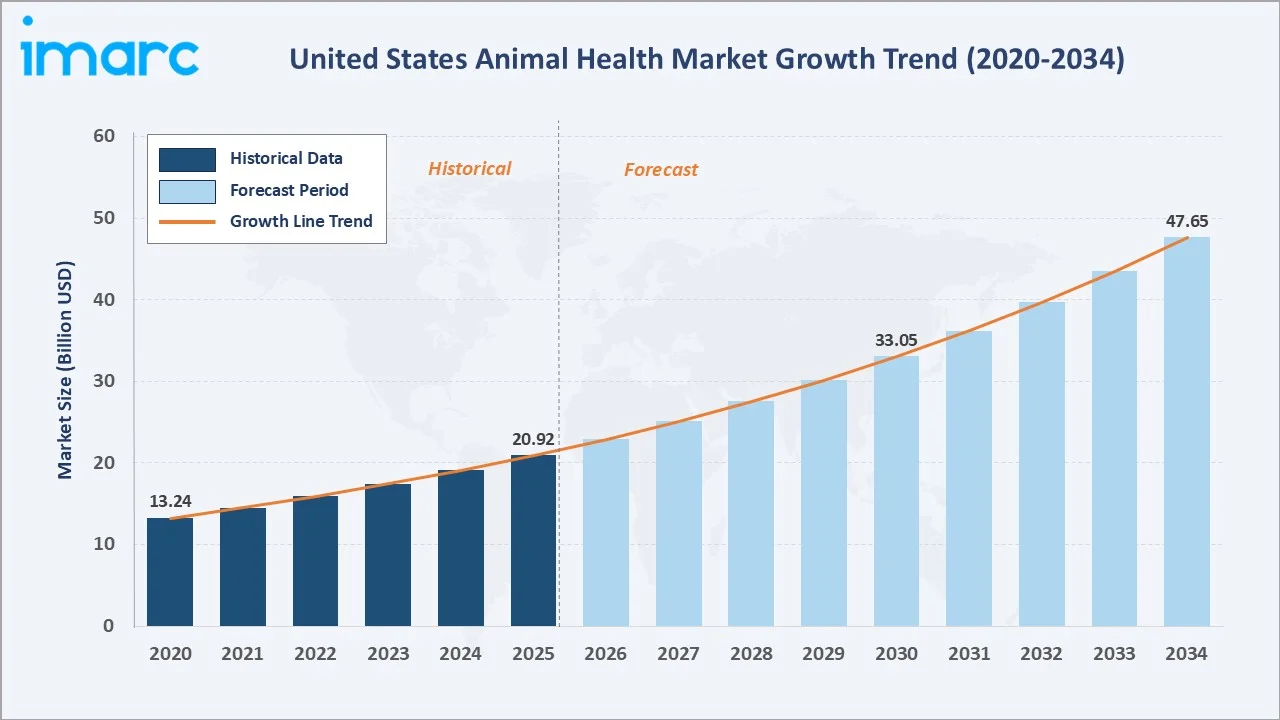
The United States animal health market expanded from USD 13.24 Billion in 2020 to USD 20.92 Billion in 2025, anchored at USD 33.05 Billion in 2030, and forecast to reach USD 47.65 Billion by 2034. Sustained demand for companion animal healthcare and increasing adoption of preventive veterinary products have underpinned above-trend market growth through 2022-2025.
To get more information on this market, Request Sample
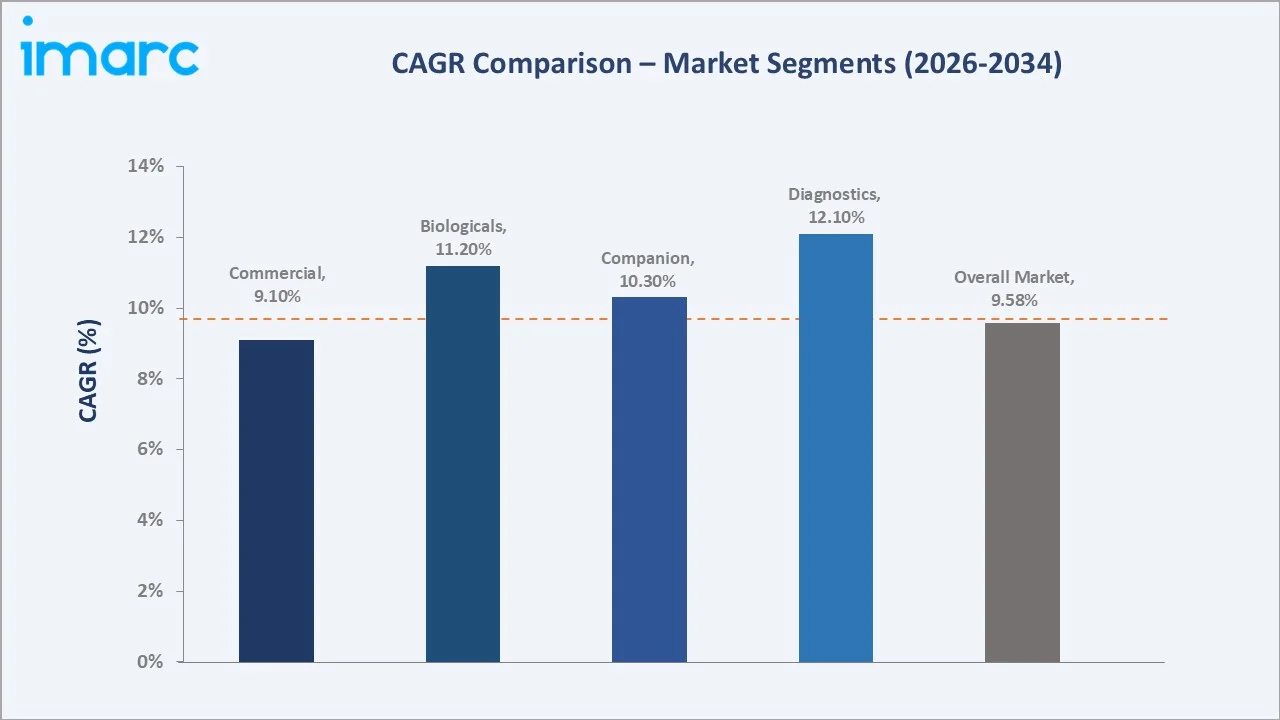
Biologicals grow fastest at ~11.2% CAGR as novel vaccine platforms and immunotherapeutics transform preventive care. Diagnostics grow at ~12.1% CAGR through rapid point-of-care testing adoption in both clinic and farm settings.
Executive Summary
The United States animal health market reached USD 20.92 Billion in 2025, representing one of the most dynamic intersections of veterinary science, technology, and agriculture. The market encompasses pharmaceuticals, biologicals, diagnostics, and medicinal feed additives supporting both commercial livestock and companion animal health.
Commercial at 61.8% dominate through the scale of US livestock, poultry, and aquaculture industries. Pharmaceuticals at 42.7% lead through the broad adoption of antibiotics, antiparasitics, and anti-inflammatory drugs. The Midwest at 32.5% leads through its concentration of cattle, swine, and poultry production infrastructure.
Key Market Insights
|
Insight |
Data |
|
Dominant Animal Type |
Commercial – 61.8% share (2025) |
|
Dominant Product Type |
Pharmaceuticals – 42.7% market share (2025) |
|
Leading Region |
Midwest – 32.5% market share |
|
Market Opportunity |
Precision animal health; mRNA veterinary vaccines; companion animal insurance; telehealth platforms |
Key Analytical Observations Supporting the Above Data:
- Commercial at 61.8%: Commercial dominate due to the scale of US livestock operations and the critical need for disease prevention, growth promotion, and regulatory-compliant treatment protocols across cattle, swine, and poultry.
- Pharmaceuticals at 42.7%: Pharmaceuticals lead because antiparasitics, antibiotics, and NSAIDs form the backbone of routine veterinary treatment protocols for both livestock and companion animals.
- Midwest at 32.5%: The Midwest leads due to its concentration of large-scale cattle feedlots, swine confinement operations, and poultry processing infrastructure requiring intensive health management.
United States Animal Health Market Overview
The United States animal health market encompasses the development, manufacture, and commercialization of all health products and services for both companion and commercial, spanning pharmaceuticals, biologicals, diagnostics, and medicated feed additives.
Macroeconomic factors include rising disposable income driving companion animal care spending, growing livestock production for domestic and export demand, and increasing awareness of zoonotic disease risks. Government support through USDA programs and FDA oversight of veterinary drug safety further shapes market structure.
Market Dynamics
To evaluate market opportunities, Request Sample
Market Drivers
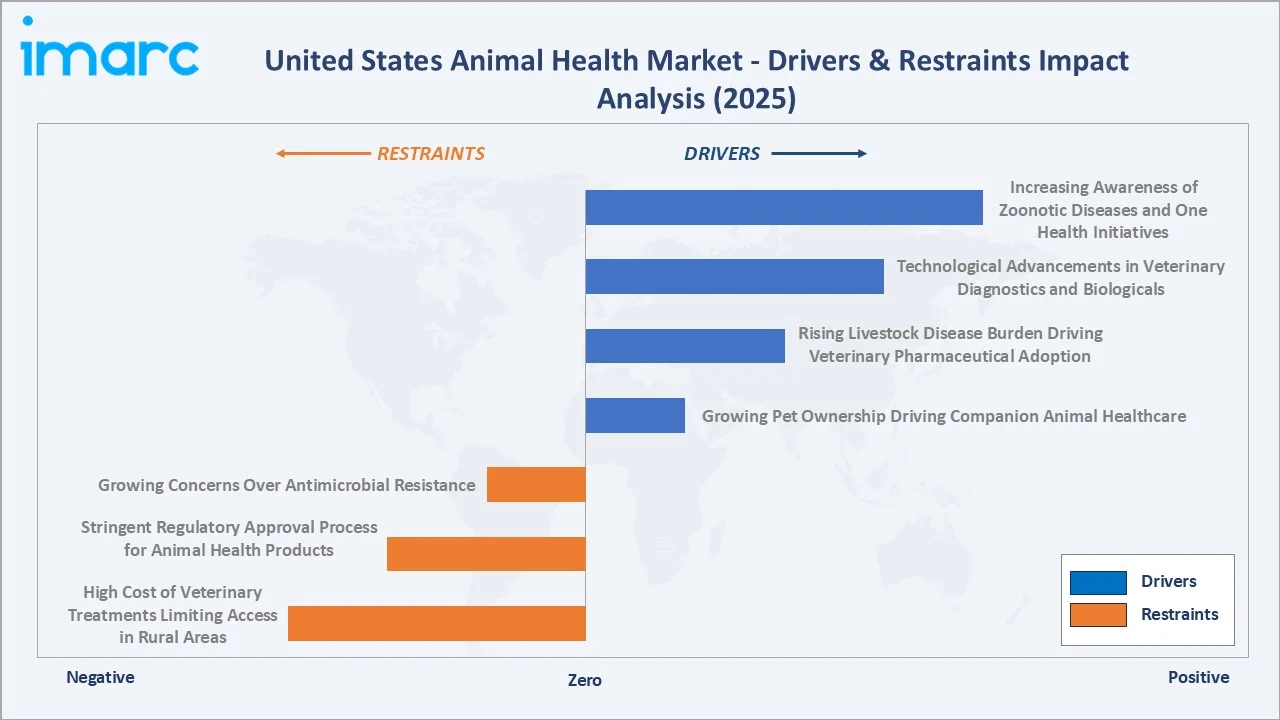
- Growing Pet Ownership Increasing Demand for Companion Animal Healthcare: Pet ownership has increased significantly across the United States, driving sustained demand for veterinary pharmaceuticals, preventive care, and diagnostics. Greater humanization of pets is increasing average per-pet healthcare spending, supporting broad-based growth in companion animal product categories.
- Rising Livestock Disease Burden Driving Veterinary Pharmaceutical Adoption: Increasing incidence of livestock diseases such as bovine respiratory disease, swine influenza, and avian influenza is driving demand for vaccines, antibiotics, and biosecurity products. Large commercial operations require comprehensive herd health programs to protect production efficiency and meet food safety standards.
- Technological Advancements in Veterinary Diagnostics and Biologicals: Advances in molecular diagnostics, PCR-based pathogen detection, and point-of-care testing are expanding diagnostic market opportunities. Novel vaccine platforms including mRNA technology are creating new biological categories and improving disease prevention outcomes.
- Increasing Awareness of Zoonotic Diseases and One Health Initiatives: Growing recognition of the links between animal, human, and environmental health is driving investment in veterinary surveillance, diagnostics, and preventive care. Federal and state agencies are increasing funding for zoonotic disease monitoring, creating demand for integrated health management products.
Market Restraints
- High Cost of Veterinary Treatments Limiting Access in Rural Areas: High costs of advanced veterinary treatments, diagnostics, and specialty pharmaceuticals create access barriers for small-scale producers and rural pet owners. Limited veterinary infrastructure in rural regions further restricts market penetration and slows preventive care adoption.
- Stringent Regulatory Approval Process for New Animal Health Products: The FDA Center for Veterinary Medicine and USDA APHIS impose rigorous approval pathways for new veterinary drugs and biologicals. Long development timelines and high compliance costs increase barriers for new entrants and slow innovation relative to unmet needs.
- Growing Concerns Over Antimicrobial Resistance: Regulatory restrictions on antibiotic use in food animals are constraining pharmaceutical revenue in key livestock segments. Public health pressure is accelerating the shift away from preventive antibiotic use, creating structural headwinds for antibiotic sales while driving demand for alternative health management products.
Market Opportunities
- mRNA and Novel Vaccine Platforms for Animal Health: Proven mRNA vaccine technology is being adapted for veterinary applications, creating new opportunities in respiratory and reproductive disease prevention for both livestock and companion animals, with faster development timelines and broader antigen coverage.
- Companion Animal Insurance and Preventive Care Expansion: Rising pet insurance penetration is increasing willingness to pay for advanced diagnostics, specialist referrals, and long-term medication protocols, driving premium product adoption in biologicals, specialty pharmaceuticals, and diagnostic services.
Market Challenges
- Veterinary Workforce Shortage Creating Service Delivery Constraints: The United States faces a growing shortage of licensed veterinarians, particularly in rural food animal practice, reducing access to prescription products and diagnostic services and creating capacity constraints for companion animal clinics in high-demand urban markets.
- Fragmented Distribution Channels Creating Market Access Complexity: The animal health distribution landscape spans veterinary distributors, farm co-operatives, online pharmacies, and direct-to-farm channels, creating pricing complexity and increasing the cost of reaching end-users across diverse market segments.
Emerging Market Trends
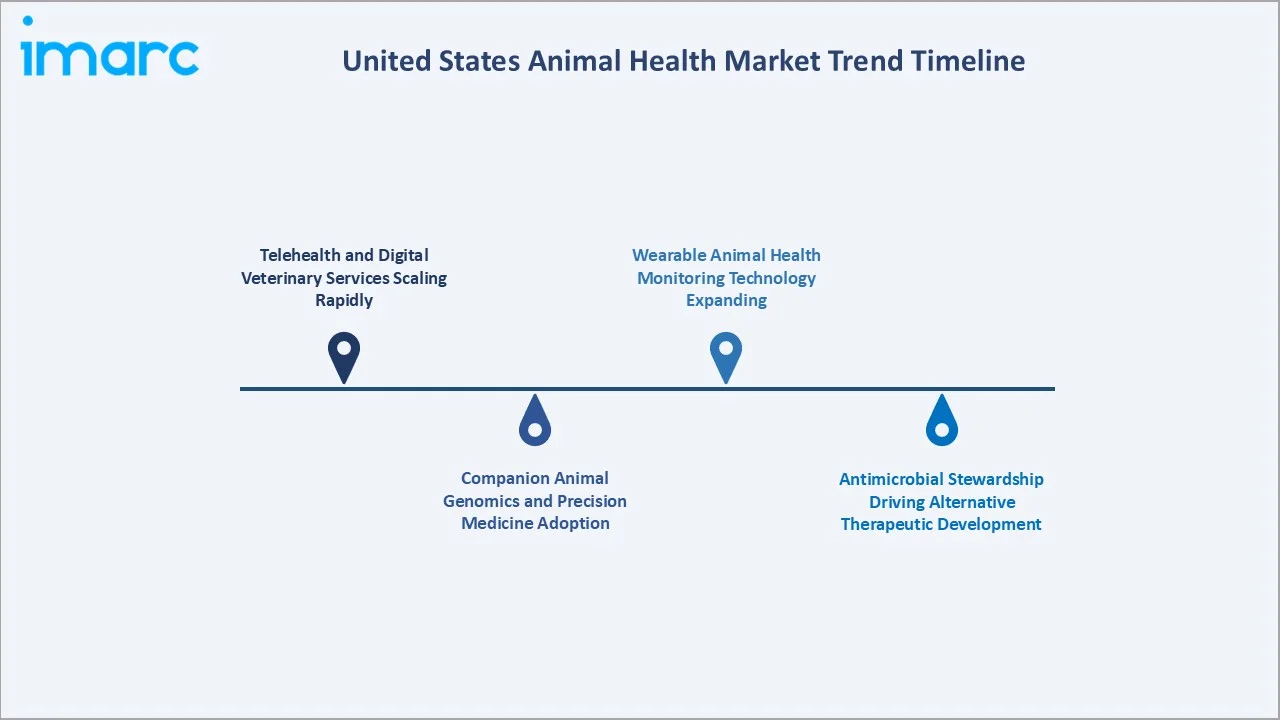
1. Telehealth and Digital Veterinary Services Scaling Rapidly
Telehealth platforms are expanding access to veterinary consultation, reducing barriers for companion animal owners in underserved areas. Digital prescription management and AI-assisted triage tools are creating new service delivery models that improve access and convenience.
2. Companion Animal Genomics and Precision Medicine Adoption
Genetic testing and pharmacogenomics are enabling individualized treatment protocols for companion animals. Breed-specific disease risk profiling is driving demand for targeted preventive care and increasing the value of diagnostic and biological product categories.
3. Antimicrobial Stewardship Driving Alternative Therapeutic Development
Regulatory pressure and public health initiatives are accelerating the development of bacteriophage therapies, probiotics, and antimicrobial peptides as alternatives to conventional antibiotics, attracting significant R&D investment from both established players and startups.
4. Wearable Animal Health Monitoring Technology Expanding
IoT-enabled wearable devices for continuous monitoring of livestock vitals, activity, and reproductive status are transforming herd health management. Real-time data integration with farm management software enables earlier disease detection and improved productivity outcomes.
Industry Value Chain Analysis
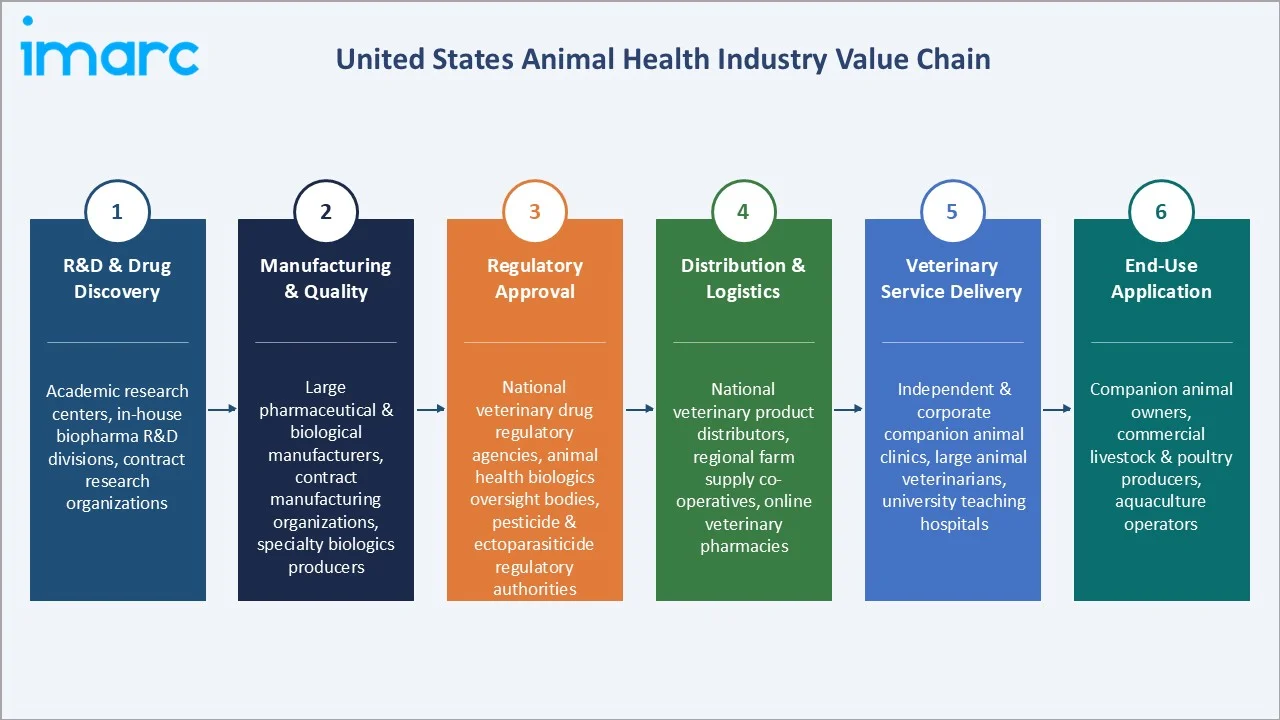
The US animal health value chain integrates raw material and API sourcing, pharmaceutical and biological manufacturing, regulatory approval, distribution, veterinary service delivery, and end-use application across companion and commercial animal segments.
|
Stage |
Key Participants |
|
R&D & Drug Discovery |
Academic and institutional research centers, in-house biopharmaceutical R&D divisions, contract research organizations, government agricultural research programs |
|
Manufacturing & Quality |
Large-scale pharmaceutical and biological manufacturers, contract manufacturing organizations, specialty biologics producers, medicated feed additive manufacturers |
|
Regulatory Approval |
National veterinary drug regulatory agencies, animal health biologics oversight bodies, pesticide and ectoparasiticide regulatory authorities, state-level licensing bodies |
|
Distribution & Logistics |
National veterinary product distributors, regional farm supply co-operatives, online veterinary pharmacies, direct-to-farm distribution networks |
|
Veterinary Service Delivery |
Independent and corporate companion animal clinics, large animal and mixed practice veterinarians, university veterinary teaching hospitals, mobile and telehealth veterinary service providers |
|
End-Use Application |
Companion animal owners, commercial livestock and poultry producers, aquaculture operators, zoo and exotic animal facilities |
The manufacturing and distribution stage is the most commercially differentiated phase. Veterinary service delivery creates the critical prescription pathway that drives pharmaceutical and biological product sales into both companion and commercial animal segments.
Technology Landscape in the United States Animal Health Industry
mRNA and Nucleic Acid Vaccine Technology
mRNA vaccine platforms are being adapted from human health to veterinary use, enabling rapid development of antigens against emerging animal pathogens. These platforms reduce development timelines versus conventional inactivated vaccines and allow multi-antigen formulations, with initial commercial applications in companion animal oncology immunotherapy and poultry respiratory vaccines.
AI-Powered Veterinary Diagnostic Imaging
Artificial intelligence algorithms integrated with digital radiography, ultrasound, and pathology platforms are improving diagnostic accuracy and throughput in veterinary practices. AI-assisted image analysis enables consistent lesion detection, reduces diagnostic variability, and supports remote specialist review, accelerating adoption in companion animal specialty practice.
Point-of-Care Molecular Diagnostics
Portable PCR and isothermal amplification platforms are enabling rapid pathogen identification at the farm or clinic level, reducing reliance on centralized laboratory processing. Same-day results improve treatment decision speed and disease containment effectiveness across both companion and commercial animal settings.
Market Segmentation Analysis
The report covers the following segments:
|
Segment Category |
Leading Segment |
Market Share |
Year |
|
Animal Type |
Commercial |
61.8% |
2025 |
|
Product Type |
Pharmaceuticals |
42.7% |
2025 |
|
Region |
Midwest |
32.5% |
2025 |

By Animal Type
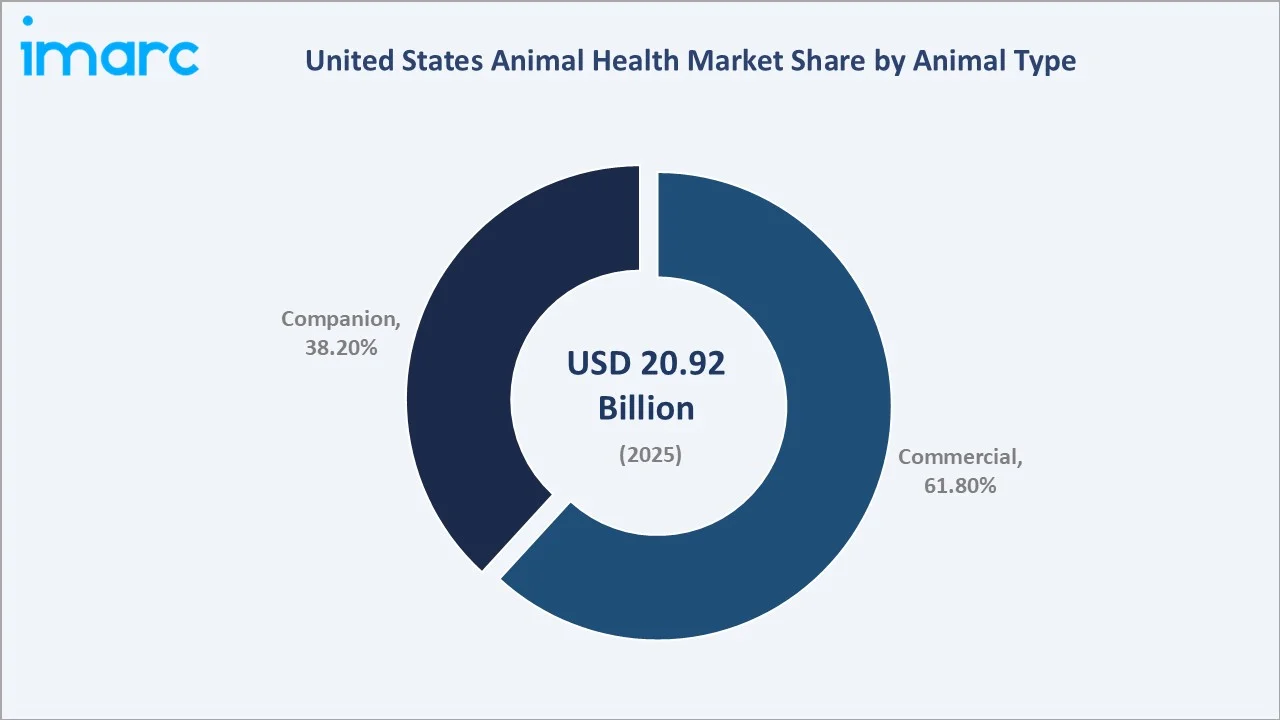
Commercial lead at 61.8% (2025). The commercial segment encompasses cattle, swine, poultry, and aquaculture operations requiring intensive health management programs. Large integrated production systems drive consistent demand for vaccines, antibiotics, antiparasitics, and growth-promoting additives across herd health protocols.
To access detailed market analysis, Request Sample
Companion animals at 38.2% are the fastest-growing segment, supported by rising pet ownership, increasing humanization of pets, and growing veterinary spending per animal. Premium pharmaceutical, biological, and diagnostic categories are disproportionately concentrated in companion animal applications.
By Product Type
Pharmaceuticals lead at 42.7% (2025). The pharmaceutical segment encompasses antibiotics, antiparasitics, anti-inflammatory drugs, hormones, and anesthetics used in both commercial and companion animal healthcare. Broad-spectrum antiparasitics and NSAIDs represent the highest-volume pharmaceutical subcategories by revenue.
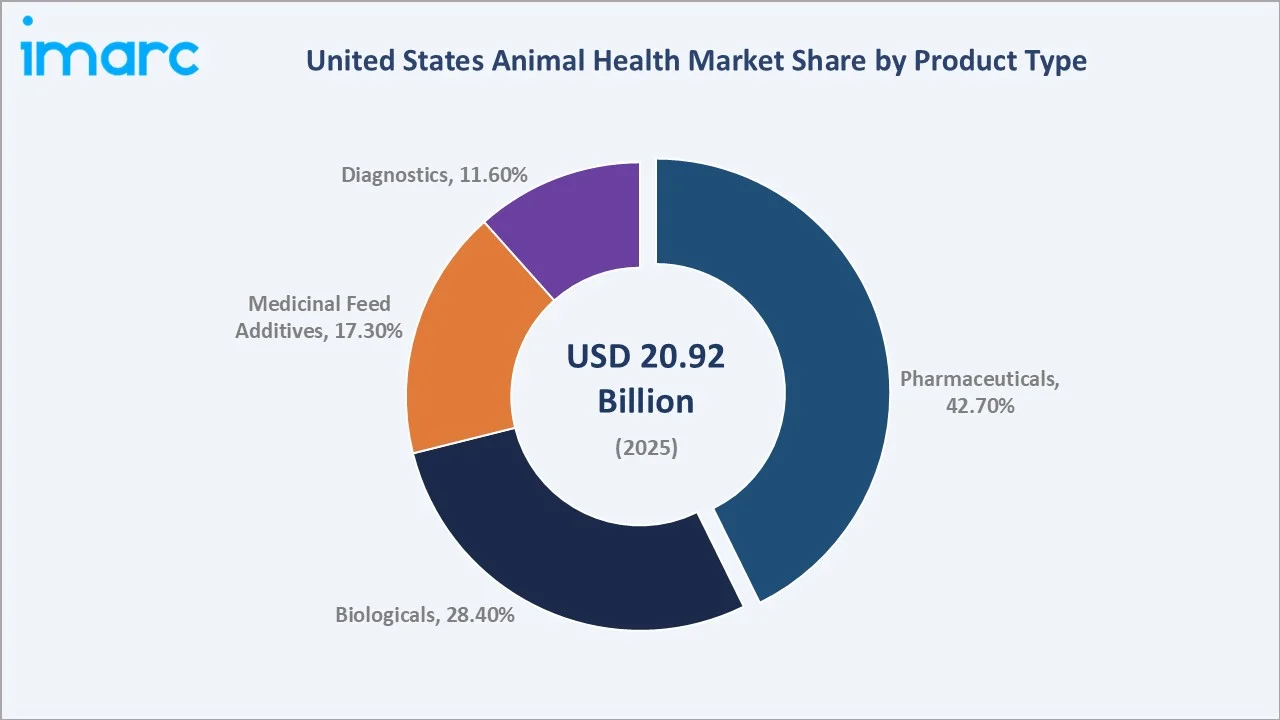
Biologicals at 28.4% encompass vaccines, immunostimulants, and emerging immunotherapy products. Diagnostics at 11.6% are the fastest-growing category at ~12.1% CAGR. Medicinal feed additives at 17.3% face structural pressure from antimicrobial stewardship regulations.
Regional Market Insights
|
Region |
Share (2025) |
Key Drivers & Characteristics |
|
Midwest |
32.5% |
High concentration of cattle feedlots, swine confinement operations, and poultry production. Dense veterinary distribution infrastructure supports broad product access. |
|
South |
30.9% |
Supported by large-scale beef cattle and broiler production, growing companion animal market in urban centers, and expanding aquaculture operations. |
|
West |
20.1% |
Driven by dairy production concentration in California, companion animal market in Pacific urban centers, and growing demand for specialty veterinary services. |
|
Northeast |
16.5% |
Driven by high companion animal ownership rates, premium veterinary service adoption, and concentration of veterinary specialty and referral centers. |
The Midwest's 32.5% market leadership is anchored by the high density of commercial livestock operations requiring routine pharmaceutical and biological health management programs. The South's 30.9% reflects the scale of broiler and beef cattle production across Texas, Arkansas, Georgia, and Alabama.
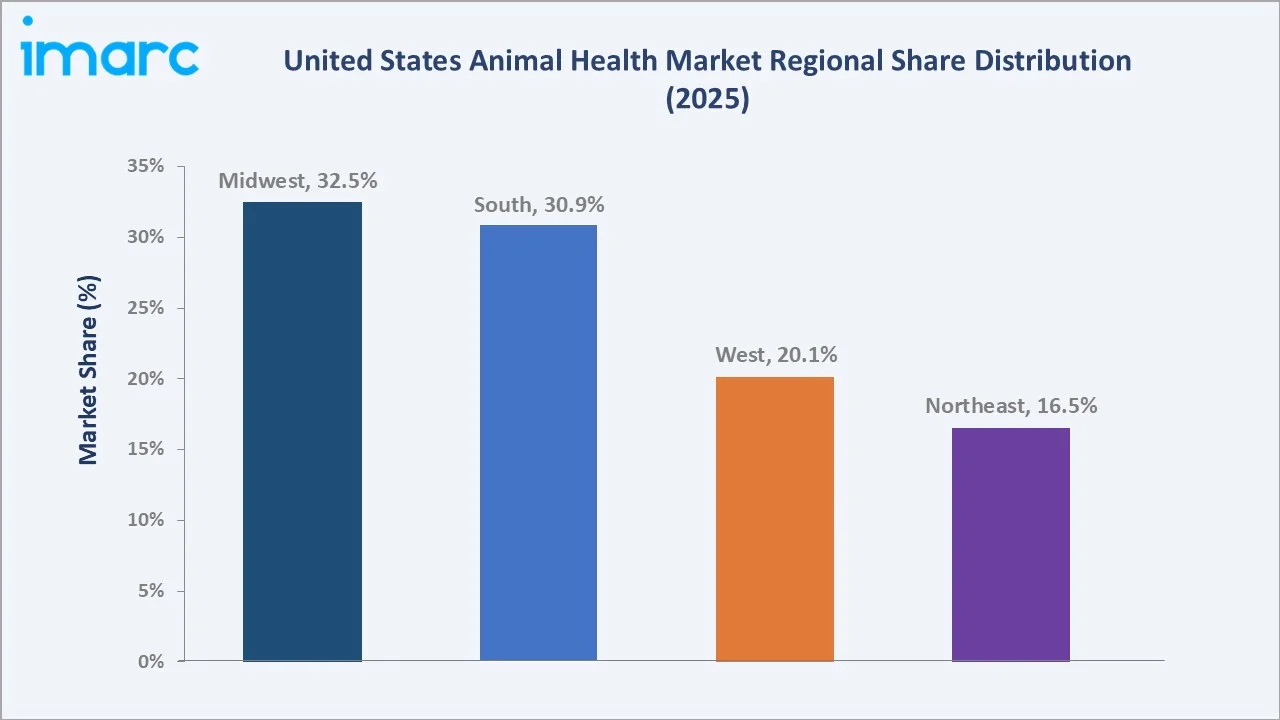
The West's 20.1% encompasses California's dominant dairy industry and strong companion animal market in Los Angeles, San Francisco, and Seattle. The Northeast at 16.5% represents the highest companion animal healthcare spending per owner, driven by premium veterinary service adoption.
Competitive Landscape
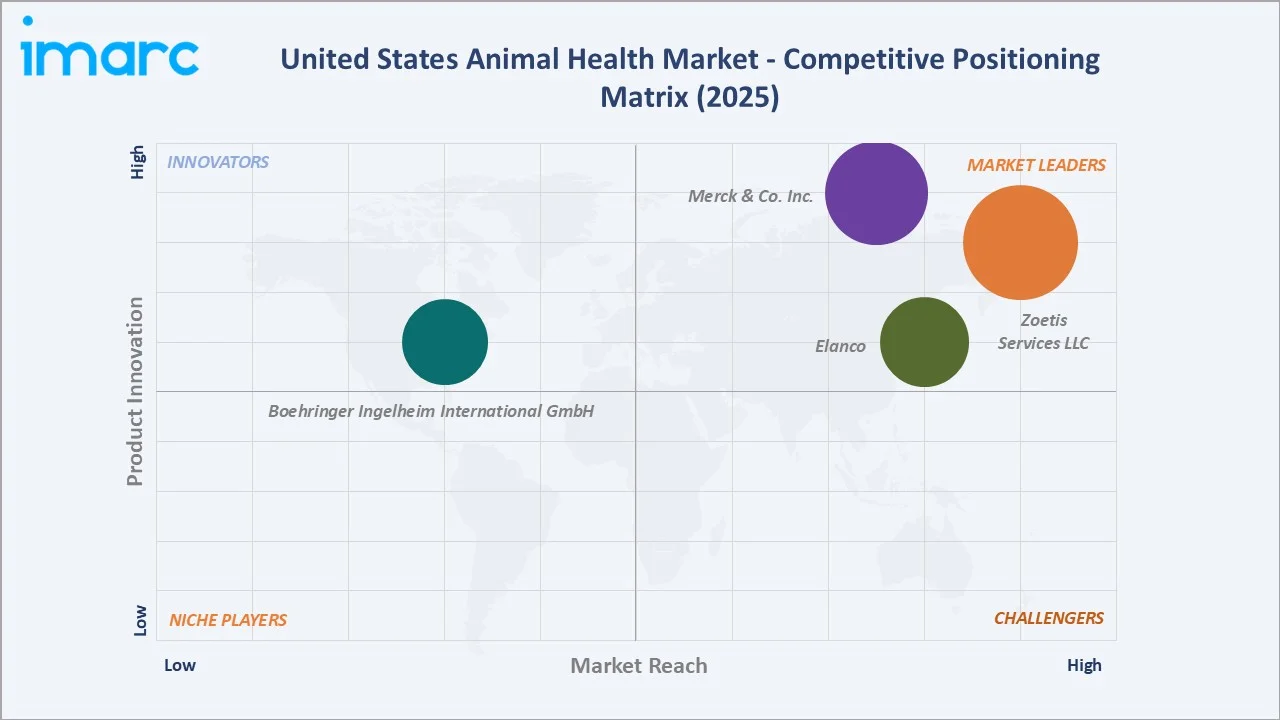
The US animal health competitive landscape is moderately concentrated at the top, with the five largest companies collectively accounting for approximately 65-70% of national market revenue through broad product portfolios, established distribution relationships, and R&D investment depth.
|
Company Name |
Key Products |
Market Position |
Core Strength |
|
Zoetis Services LLC |
Simparica Trio, Alfaxan, DRAXXIN |
Market Leader |
Zoetis leads the US animal health market through the broadest portfolio spanning both companion and commercial animal pharmaceuticals and biologicals. |
|
Merck & Co. Inc. |
Allflex, Aquaflor, Biomark, Bovilis |
Market Leader |
Merck Animal Health plays a central role through its integrated vaccine and pharmaceutical offering across livestock and companion animal categories. |
|
Elanco |
Baytril, Component with Tylan, Cydectin (moxidectin) Pour-On |
Market Leader |
Elanco focuses on companion animal parasiticides and livestock production efficiency products, supported by broad distribution and veterinary relationships. |
|
Boehringer Ingelheim International GmbH |
Aftopor/Aftovaxpur/Aftovis, Avinew |
Established Player |
Boehringer Ingelheim plays a central role in both companion animal parasite control and livestock respiratory and reproductive health biologicals. |
Market concentration is increasing through M&A activity, as established players acquire specialty biologics companies and diagnostics providers. The diagnostics segment is consolidating around IDEXX Laboratories' dominant position in companion animal point-of-care testing.
Key Company Profiles
Zoetis Services LLC.
Zoetis is the world's largest animal health company, offering the broadest portfolio of veterinary medicines, vaccines, and diagnostic products for companion and commercial. The company operates in more than 100 countries with US operations centered in Parsippany, New Jersey.
- Key Products: Draxxin (tulathromycin), Simparica Trio (companion animal parasite control), Vanguard vaccine line, Cytopoint (canine atopic dermatitis).
- Recent Developments: In March 2026, Zoetis announced that Vetscan OptiCell was named "Best New Companion Animal Product" by S&P Global Animal Health for 2025, recognizing the company's continued innovation in veterinary diagnostics and companion animal care.
- Strategic Focus: Focused on companion animal premium product growth, livestock biologicals expansion, and diagnostic integration to drive recurring revenue across the animal health ecosystem.
Merck & Co. Inc.
Merck & Co. Inc., is a leading provider of veterinary vaccines, pharmaceuticals, and health management solutions. The company holds strong positions in both companion animal and livestock health categories across the US market.
- Key Products: NuFlor (florfenicol), Nobivac vaccine line, Sentinel Spectrum (companion animal parasite control), Bravecto (fluralaner parasite control).
- Recent Developments: In June 2026, Merck Animal Health announced that it had signed a definitive agreement to acquire TARGAN, an animal AgTech company specializing in innovative biodevice technologies for the poultry industry. The acquisition will expand Merck Animal Health's poultry portfolio through WingScan, an automated chick gender-identification system capable of processing up to 160,000 chicks per hour, and precision ocular spray technology for vaccine administration in hatcheries. The move strengthens the company's position in poultry health and production technologies.
- Strategic Focus: Centered on integrated livestock health programs combining vaccines, pharmaceuticals, and digital monitoring, alongside companion animal premium brand growth in parasiticides and wellness.
Market Concentration Analysis
The US animal health market is moderately concentrated at the product manufacturer level, with approximately five companies accounting for 65-70% of revenue. The distribution tier is moderately concentrated across three national veterinary distributors. The veterinary service delivery tier remains highly fragmented across independent practices.
Investment & Growth Opportunities
Highest Growth Segments
Diagnostics (~12.1% CAGR), biologicals (~11.2% CAGR), companion animal specialty pharmaceuticals (~10.5% CAGR), veterinary telehealth (~22% CAGR), wearable animal health monitoring (~18% CAGR), and mRNA veterinary vaccines (~30% CAGR from near-zero base) represent the highest-growth investment vectors through 2034.
Investment Themes
- mRNA Veterinary Vaccine Platform Investment: The proven efficacy of mRNA platforms in human health and emerging commercial applications in veterinary oncology immunotherapy create a compelling investment thesis. Companies establishing manufacturing capability and regulatory expertise in veterinary mRNA biologicals by 2026-2027 are positioned to capture the commercial deployment wave.
- Companion Animal Diagnostics Subscription Revenue Models: Veterinary diagnostics hardware placement with recurring reagent subscription revenue creates high-margin, sticky revenue streams. AI-integrated diagnostic interpretation platforms add software subscription layers, supporting above-hardware-sale margin business models with recurring revenue growth.
Future Market Outlook (2026-2034)
The United States animal health market is projected to grow from USD 20.92 Billion in 2025 to USD 47.65 Billion by 2034, delivering a 9.58% CAGR over the forecast period. The anchor value of USD 33.05 Billion in 2030 represents a market at its most significant commercial inflection since the introduction of broad-spectrum antiparasitics.
Three structural forces define US animal health market growth through 2034. Growing companion animal ownership and increasing healthcare spending per pet create secular demand growth. The technology transition from traditional diagnostics to AI-assisted, connected, continuous monitoring creates both market expansion and competitive re-ordering. Regulatory evolution around antimicrobial stewardship and novel biological platform approvals shapes product category trajectories through the forecast period.
Research Methodology
Primary Research
Primary research comprised structured interviews with 50+ industry stakeholders including Chief Veterinary Officers, Business Development Directors, commercial livestock producers, companion animal practice owners, and veterinary diagnostics specialists.
Secondary Research
Secondary research encompassed AVMA economic data, USDA NASS livestock statistics, FDA animal drug approval databases, APPA pet ownership survey data, company annual reports, and industry association publications. Over 60 secondary sources reviewed.
Forecasting Models
Market revenue forecasts developed using a segment bottom-up model: (i) pharmaceutical product category component; (ii) biologicals component; (iii) diagnostics component; (iv) medicated feed additives component. Regional and animal type distributions applied as weighting overlays.
United States Animal Health Market Report Coverage:
| Report Features | Details |
|---|---|
| Base Year of the Analysis | 2025 |
| Historical Period | 2020-2025 |
| Forecast Period | 2026-2034 |
| Units | Billion USD |
| Scope of the Report | Exploration of Historical and Forecast Trends, Industry Catalysts and Challenges, Segment-Wise Historical and Predictive Market Assessment:
|
| Animal Types Covered | Commercial, Companion |
| Product Types Covered | Pharmaceuticals, Biologicals, Medicinal Feed Additives, Diagnostics |
| Regions Covered | Northeast, Midwest, South, West |
| Companies Covered | Zoetis Services LLC, Merck & Co. Inc., Elanco, Boehringer Ingelheim International GmbH, etc. |
| Customization Scope | 10% Free Customization |
| Post-Sale Analyst Support | 10-12 Weeks |
| Delivery Format | PDF and Excel through Email (We can also provide the editable version of the report in PPT/Word format on special request) |
Key Benefits for Stakeholders:
- IMARC’s industry report offers a comprehensive quantitative analysis of various market segments, historical and current market trends, market forecasts, and dynamics of the United States animal health market from 2020-2034.
- The research report provides the latest information on the market drivers, challenges, and opportunities in the United States animal health market.
- Porter's five forces analysis assist stakeholders in assessing the impact of new entrants, competitive rivalry, supplier power, buyer power, and the threat of substitution. It helps stakeholders to analyze the level of competition within the United States animal health industry and its attractiveness.
- Competitive landscape allows stakeholders to understand their competitive environment and provides an insight into the current positions of key players in the market.
Frequently Asked Questions About the United States Animal Health Market Report
The United States animal health market reached USD 20.92 Billion in 2025, driven by rising pet ownership, growing livestock disease management needs, and advancements in veterinary diagnostics and biologicals. Increasing adoption of preventive care protocols across companion and commercial segments is further supporting growth.
The market grows at 9.58% CAGR during 2026-2034, reaching USD 47.65 Billion by 2034. Diagnostics grow fastest at ~12.1% CAGR through rapid point-of-care testing adoption. Biologicals follow at ~11.2% CAGR through novel vaccine platform commercialization.
Commercial lead at 61.8% through the scale of US livestock production operations requiring intensive pharmaceutical and biological health management programs across cattle, swine, poultry, and aquaculture.
Pharmaceuticals lead at 42.7% through the broad adoption of antiparasitics, antibiotics, and anti-inflammatory drugs across both livestock and companion animal health management protocols.
The Midwest leads at 32.5% through its high concentration of commercial livestock operations including cattle feedlots, swine confinement facilities, and poultry production infrastructure.
Leading companies include Zoetis Services LLC, Merck & Co. Inc., Elanco and Boehringer Ingelheim International GmbH among others.
The market is projected to reach approximately USD 33.05 Billion by 2030, with mRNA veterinary vaccines achieving initial commercial adoption, AI-assisted diagnostics expanding across companion animal practices, and antimicrobial alternative therapeutics entering commercial scale in livestock applications.
Need more help?
- Speak to our experienced analysts for insights on the current market scenarios.
- Include additional segments and countries to customize the report as per your requirement.
- Gain an unparalleled competitive advantage in your domain by understanding how to utilize the report and positively impacting your operations and revenue.
- For further assistance, please connect with our analysts.
 Request Customization
 Speak to an Analyst
 Request Brochure
 Inquire Before Buying
Benefits of Customization
- Personalize this research
- Triangulate with your data
- Get data as per your format and definition
- Gain a deeper dive into a specific application, geography, customer, or competitor
- Any level of personalization
Get in Touch With Us
UNITED STATES
Phone: +1-201-971-6302
INDIA
Phone: +91-120-433-0800
UNITED KINGDOM
Phone: +44-753-714-6104
Email: [email protected]
Client Testimonials




.webp)




.webp)













Related Reports

Choose your plan
*Please note that the prices mentioned below are starting prices for each bundle type. Kindly contact our team for further details.*
Single User License
- 1 User License, Access on 2 Devices
- PDF Report + Excel Dataset (Password Protected)
- Lifetime Access
- No Printing Rights
- 10% Free Report Customization
- 10–12 Weeks of Analyst Support
Five User License
- Access for 5 Users, 2 Devices per User
- PDF Report + Excel Dataset (Password Protected)
- Lifetime Access
- Dedicated Account Manager
- 12–14 Weeks of Analyst Support
- No Printing Rights
- 15% Free Report Customization
- 25% Discount on Your Next Purchase
Corporate User License
- Unlimited User Access (Within Your Organization)
- PDF Report + Excel Dataset
- Lifetime Access
- Dedicated Account Manager
- 14–20 Weeks of Analyst Support
- No Printing Rights
- 20% Free Report Customization
- 30% Discount on Your Next Purchase
Essential Insights
What's included:
3 reports
- Lifetime Access
- PDF Reports
- Excel Datasets
- 2 Weeks of Free Analyst Support
- 2 User Licenses
- Access on 2 Devices
- Printing Rights
- Complimentary PowerPoint (PPT) Version
- Complimentary License Upgrade
Professional Access
What's included:
5 reports
- Lifetime Access
- PDF Reports
- Excel Datasets
- 8 Weeks of Free Analyst Support
- 2 User Licenses
- Access on 2 Devices
- Printing Rights
- Complimentary PowerPoint (PPT) Version
- Complimentary License Upgrade
Business Advantage
What's included:
8 reports
- Lifetime Access
- PDF Reports
- Excel Datasets
- 14 Weeks of Free Analyst Support
- 2 User Licenses
- Access on 2 Devices
- Printing Rights
- Complimentary PowerPoint (PPT) Version
- Complimentary License Upgrade
Enterprise Intelligence
What's included:
10 reports
- Lifetime Access
- PDF Reports
- Excel Datasets
- 20 Weeks of Free Analyst Support
- 2 User Licenses
- Access on 2 Devices
- Printing Rights
- Complimentary PowerPoint (PPT) Version
- Complimentary License Upgrade