
Equine Healthcare Market Size, Share, Trends and Forecast by Product, Indication, Distribution Channel, and Region, 2026-2034
Equine Healthcare Market Size, Share, Trends & Forecast (2026-2034)
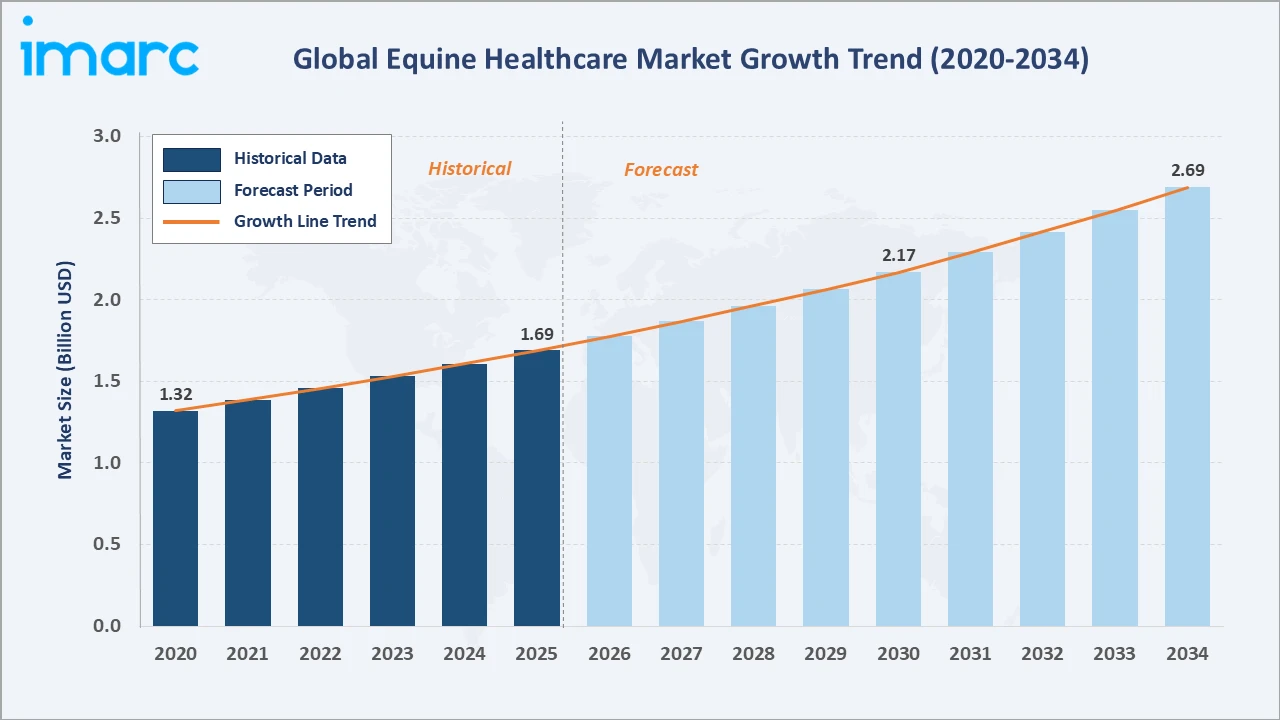
The global equine healthcare market reached USD 1.69 Billion in 2025 and is projected to reach USD 2.69 Billion by 2034, growing at a CAGR of 5.10% during 2026-2034. Growth is driven by the rising equine population, growing owner awareness of equine health and nutrition, and increasing adoption of advanced diagnostic imaging.
Drugs lead the product segment at 41.8%, while veterinary hospitals and clinics dominate distribution at 68.5%. North America commands 35.8% of the global market share.
Market Snapshot
|
Metric |
Value |
|
Market Size (2025) |
USD 1.69 Billion |
|
Forecast Market Size (2034) |
USD 2.69 Billion |
|
CAGR (2026-2034) |
5.10% |
|
Base Year |
2025 |
|
Historical Period |
2020-2025 |
|
Forecast Period |
2026-2034 |
|
Dominant Product |
Drugs (41.8%, 2025) |
|
Dominant Distribution Channel |
Veterinary Hospitals and Clinics (68.5%, 2025) |
|
Leading Region |
North America (35.8%, 2025) |
The market expanded steadily from USD 1.32 Billion in 2020 to USD 1.69 Billion in 2025, anchored at USD 2.17 Billion in 2030 and forecast to reach USD 2.69 Billion by 2034, reflecting sustained investment in preventive equine care and diagnostics.
To get more information on this market, Request Sample
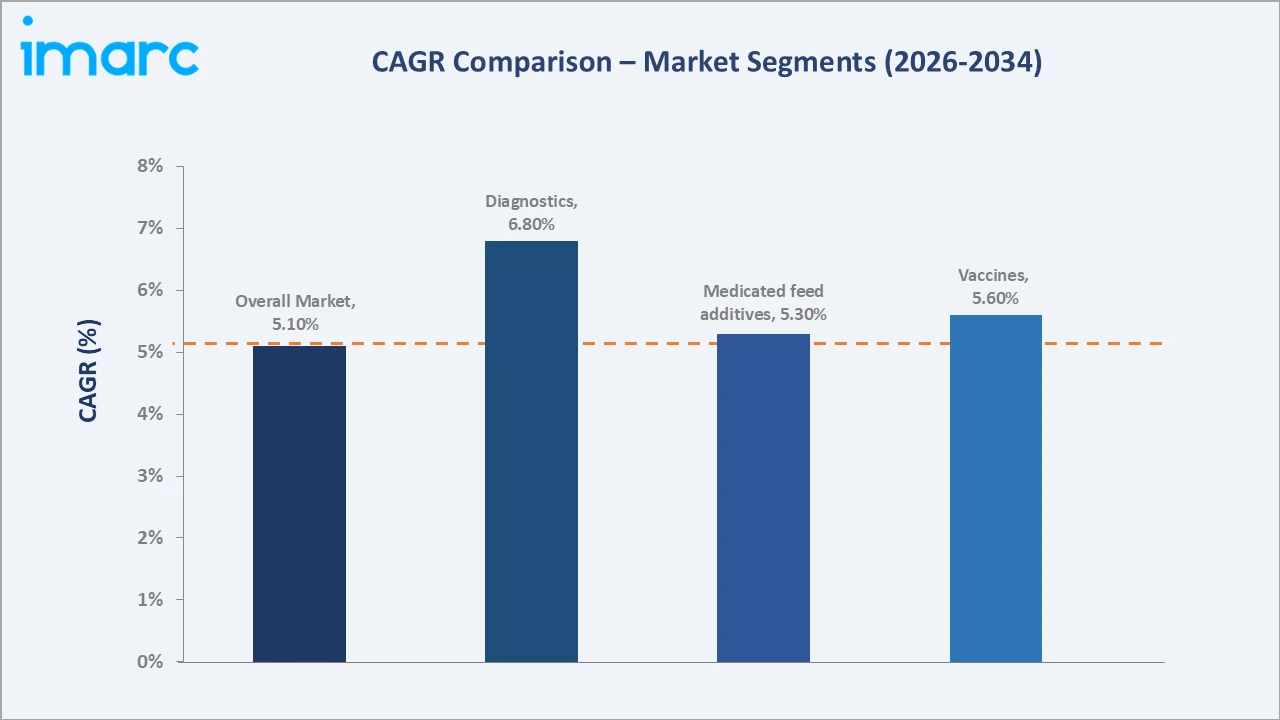
Diagnostics is the fastest-growing product category at an estimated 6.8% CAGR as owners increasingly adopt advanced imaging for early disease detection, while Vaccines grow at ~5.6% CAGR supported by rising biosecurity awareness.
Executive Summary
The global equine healthcare market reached USD 1.69 Billion in 2025, reflecting sustained investment in preventive and therapeutic care across the racing, breeding, and companion horse population. The market is projected to reach USD 2.69 Billion by 2034.
Drugs at 41.8% dominate through broad use of anti-inflammatory and parasiticide treatments. Veterinary hospitals and clinics at 68.5% lead distribution as the primary point of diagnosis and treatment. North America at 35.8% leads globally through high owner spending capacity and advanced veterinary infrastructure.
Key Market Insights
|
Insight |
Data |
|
Dominant Product |
Drugs - 41.8% share (2025) |
|
Dominant Distribution Channel |
Veterinary Hospitals and Clinics - 68.5% share (2025) |
|
Leading Region |
North America - 35.8% market share (2025) |
|
Market Opportunity |
Wearable equine health monitors; equine regenerative medicine; e-commerce expansion for equine pharmaceuticals |
Key Analytical Observations Supporting the Above Data:
- Drugs at 41.8%: The drugs segment dominates due to widespread use of anti-inflammatory and parasiticide medications for routine and emergency equine care, supported by continuous R&D from major animal health companies.
- Veterinary Hospitals and Clinics at 68.5%: This channel leads as most diagnostic, therapeutic, and vaccination procedures require direct veterinary administration and specialized equipment unavailable through retail.
- North America at 35.8%: The region leads due to a large owned-horse population, high healthcare spending capacity, supportive policy frameworks, and advanced veterinary technology adoption. The presence of well-established equine hospitals and referral centers further reinforces the region's position as the largest global market for advanced diagnostic and therapeutic services.
Equine Healthcare Market Overview
The global equine healthcare market encompasses the diagnosis, treatment, and prevention of diseases in horses through drugs, vaccines, medicated feed additives, and diagnostic products, delivered via veterinary hospitals, clinics, and retail pharmacies. The ecosystem integrates animal health pharmaceutical companies, vaccine and biologics producers, diagnostic equipment manufacturers, veterinary hospitals and clinics, retail pharmacies, and horse owners, breeders, and trainers. Macroeconomic factors include rising equine population, expenditure capacity of owners, and growth of equestrian sports.
The market's structural growth is underpinned by the dual role horses play as both performance and companion animals, spanning racing, sport, breeding, agriculture, and recreational riding. This diversity of end-use creates a broad and resilient demand base, as spending patterns across these segments are influenced by different but generally reinforcing factors, including prize money in competitive racing, rising leisure spending among recreational owners, and growing institutional investment in breeding operations.
Market Dynamics
To evaluate market opportunities, Request Sample
Market Drivers
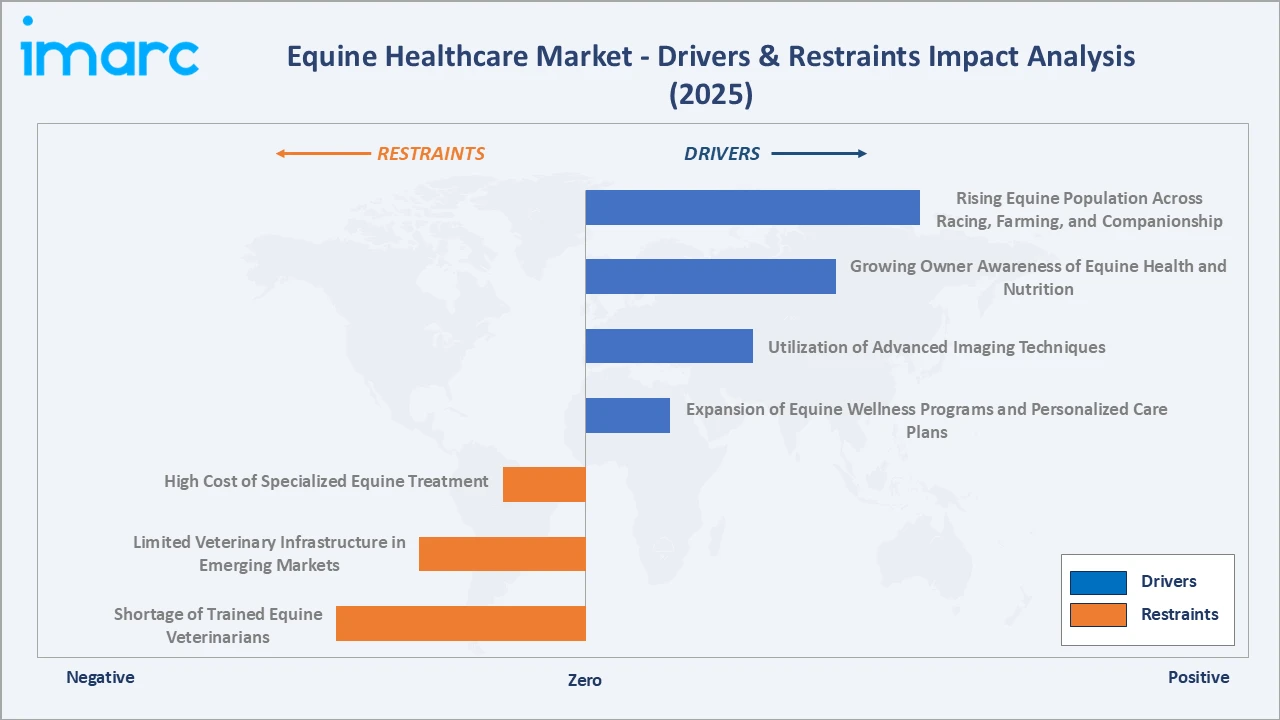
- Rising Equine Population Across Racing, Farming, and Companionship: The widespread utilization of horses in racing, farming, and as companions continues to expand the global equine population, directly driving demand for preventive care, vaccines, and treatment products across all end markets. This sustained population growth is further reinforced by increasing breeding activity and the rising popularity of recreational riding in both developed and emerging economies. As a result, veterinary service providers and pharmaceutical companies are scaling up production capacity to meet the growing volume of routine and emergency care requirements.
- Growing Owner Awareness of Equine Health and Nutrition: Rising awareness among owners regarding the importance of proper nutrition and preventive healthcare is encouraging greater spending on supplements, vaccines, and regular veterinary checkups, supporting sustained market growth. Educational campaigns run by veterinary associations and animal health companies are further strengthening owner engagement with structured health monitoring routines. This shift toward proactive care is reducing the incidence of preventable illnesses and extending the productive lifespan of performance and companion horses alike.
- Utilization of Advanced Imaging Techniques: Growing adoption of digital radiography, ultrasound, and endoscopy enables detailed diagnosis of musculoskeletal injuries and internal diseases, increasing demand for diagnostic equipment and services. The declining cost of portable imaging systems is making these technologies more accessible to mid-sized equine practices, expanding the diagnostic footprint beyond large specialty hospitals. Consequently, earlier and more accurate diagnosis is improving treatment outcomes and reinforcing long-term demand for imaging-linked therapeutic products.
- Expansion of Equine Wellness Programs and Personalized Care Plans: Increasing investment in wellness programs and individualized care plans tailored to specific horses is driving higher per-animal healthcare expenditure and broader adoption of preventive treatments. Veterinary practices are increasingly bundling vaccination, nutrition, and diagnostic screening into subscription-based wellness packages. This recurring-revenue model is encouraging animal health companies to develop specialized product lines designed for structured, long-term equine care programs.
Market Restraints
- High Cost of Specialized Equine Treatment: Advanced diagnostic imaging, regenerative therapies, and surgical procedures carry high costs, limiting access for owners with constrained budgets and slowing adoption of premium care solutions. This cost sensitivity is particularly pronounced among owners of recreational and companion horses, who may delay non-emergency treatment. As a result, adoption of premium therapeutic options remains concentrated among competitive and high-value breeding animals.
- Limited Veterinary Infrastructure in Emerging Markets: Inadequate access to specialized equine veterinary facilities and diagnostic centers in developing regions restricts market penetration and delays early disease detection. Rural areas often lack the cold-chain logistics required for vaccine storage and distribution, further constraining preventive care coverage. These infrastructure gaps also increase the cost of delivering veterinary services to remote horse populations.
- Shortage of Trained Equine Veterinarians: A limited pool of veterinarians specializing in equine medicine constrains service availability, particularly in rural and emerging markets, restraining overall market expansion. This shortage is compounded by lengthy specialized training requirements and the relatively smaller number of veterinary graduates choosing equine-focused practice over companion animal medicine. Consequently, wait times for specialized equine consultations continue to lengthen in several regional markets.
Market Opportunities
- Wearable Equine Health Monitoring Devices: The development of wearable biosensors enabling continuous, real-time monitoring of vital signs and activity levels presents a significant opportunity for technology-driven differentiation. As adoption scales, these devices are expected to generate recurring data-subscription revenue alongside hardware sales, creating an attractive long-term growth avenue for manufacturers.
- Equine Regenerative and Stem Cell Therapy: Rising demand for advanced regenerative treatments, including stem cell and platelet-rich plasma therapies, offers manufacturers an opportunity to expand into high-value therapeutic segments. Continued clinical validation of these therapies is expected to broaden their acceptance among general practitioners, extending their use beyond specialty referral hospitals.
Market Challenges
- Complex Regulatory Approval for Novel Equine Therapeutics: Stringent and often region-specific regulatory pathways for new veterinary drugs and biologics can delay product launches and increase development costs for manufacturers. Navigating differing approval standards across major markets requires substantial regulatory expertise and sustained investment in clinical documentation.
- Price Sensitivity Among Owners in Cost-Constrained Markets: Intense price competition, particularly in the retail pharmacy channel, pressures manufacturer margins and can limit the commercial viability of premium product introductions. Balancing affordability with continued innovation remains an ongoing challenge for companies operating across diverse regional price points.
Emerging Market Trends
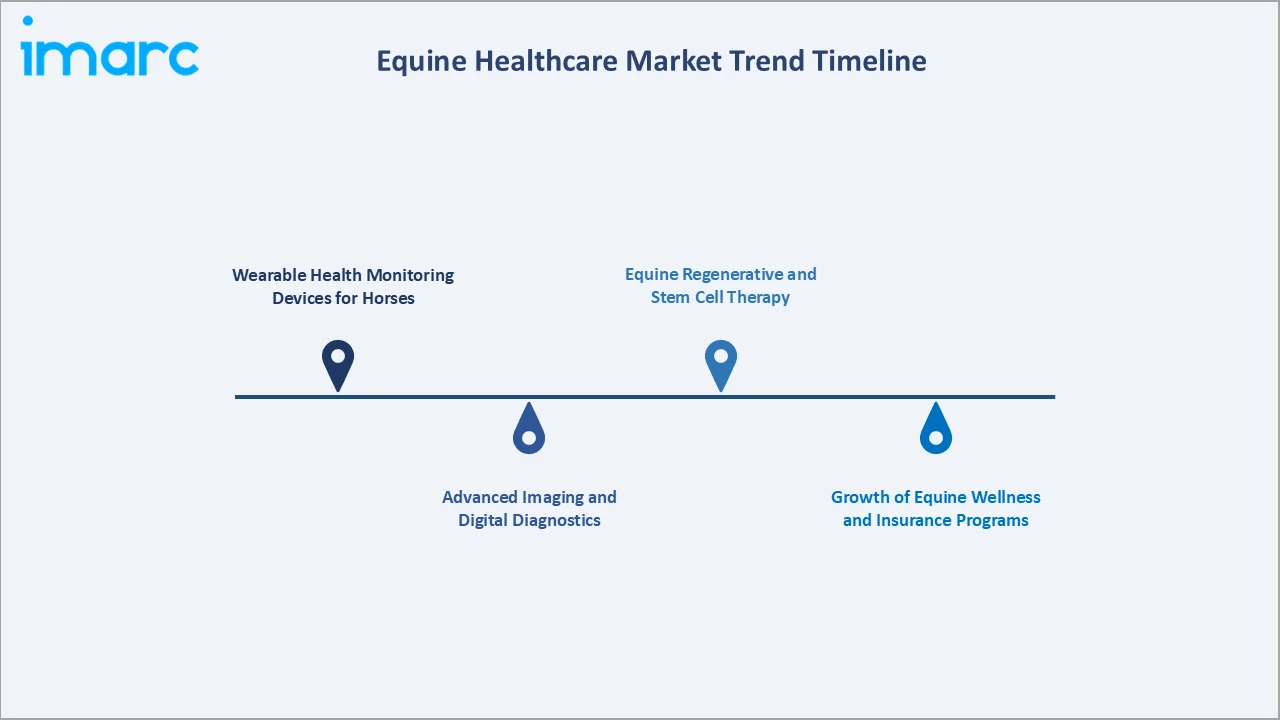
1. Wearable Health Monitoring Devices for Horses
Wearable devices enabling continuous monitoring of vital signs, activity, and behavior are gaining adoption, allowing early detection of health issues and supporting proactive equine care management.
2. Advanced Imaging and Digital Diagnostics
Digital radiography, ultrasound, and endoscopy adoption is expanding, providing detailed cross-sectional imaging for accurate diagnosis of lameness, musculoskeletal injuries, and internal disease.
3. Equine Regenerative and Stem Cell Therapy
Growing use of regenerative treatments, including stem cell and platelet-rich plasma therapy, is improving recovery outcomes for musculoskeletal injuries in performance and companion horses.
4. Growth of Equine Wellness and Insurance Programs
Expanding equine wellness programs and insurance coverage are encouraging preventive care spending and creating recurring demand for vaccines, supplements, and diagnostic screening.
Industry Value Chain Analysis
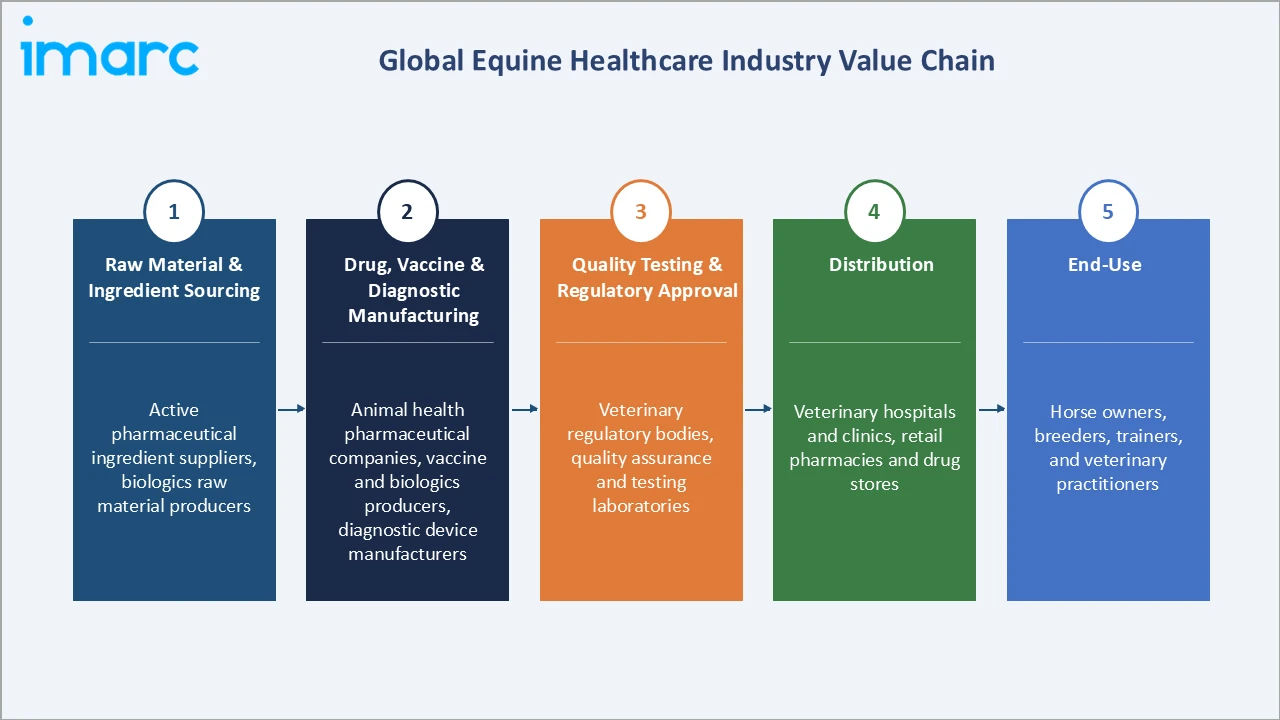
The equine healthcare value chain integrates raw material and active ingredient sourcing, drug and vaccine manufacturing, quality testing and regulatory approval, distribution through hospitals and pharmacies, and end-use by horse owners and veterinarians.
|
Stage |
Key Participants |
|
Raw Material & Ingredient Sourcing |
Active pharmaceutical ingredient suppliers, biologics raw material producers |
|
Drug, Vaccine & Diagnostic Manufacturing |
Animal health pharmaceutical companies, vaccine and biologics producers, diagnostic device manufacturers |
|
Quality Testing & Regulatory Approval |
Veterinary regulatory bodies, quality assurance and testing laboratories |
|
Distribution |
Veterinary hospitals and clinics, retail pharmacies and drug stores |
|
End-Use |
Horse owners, breeders, trainers, and veterinary practitioners |
The distribution stage remains the most commercially significant link in the value chain, given the concentration of veterinary hospitals and clinics as the primary point of both diagnosis and treatment administration. Manufacturers increasingly emphasize direct partnerships with veterinary networks to ensure timely product availability and to support clinical training on newly launched therapeutics and diagnostic tools.
Technology Landscape in the Equine Healthcare Industry
Digital Radiography and Advanced Imaging Technology
Digital radiography, ultrasound, and endoscopy technologies offer high-resolution, rapid diagnostic imaging that supports accurate detection of musculoskeletal injuries, lameness, and internal disease. Their portability and reduced processing time compared to traditional film-based systems are accelerating adoption across both large veterinary hospitals and mobile equine practices, improving diagnostic turnaround and treatment planning.
Wearable Biosensor and Remote Monitoring Technology
Wearable biosensor technology enables continuous, non-invasive monitoring of vital signs, movement patterns, and behavioral indicators in horses. These systems support early identification of health anomalies and provide data-driven insights for trainers and veterinarians, making them increasingly attractive for performance and breeding operations seeking to minimize downtime from undetected injury or illness.
Recombinant Vaccine and Biologics Technology
Recombinant vaccine technology offers improved safety and targeted immune response compared to traditional live attenuated vaccines, supporting broader adoption for equine influenza, herpesvirus, and West Nile virus prevention. Continued advances in biologics manufacturing are expected to expand the range of preventable equine diseases addressed through next-generation vaccine platforms.
Market Segmentation Analysis
The report covers the following segments:
|
Segment Category |
Leading Segment |
Market Share |
Year |
|
Product |
Drugs |
41.8% |
2025 |
|
Indication |
🔒 |
🔒 |
2025 |
|
Distribution Channel |
Veterinary hospitals and clinics |
68.5% |
2025 |
|
Region |
North America |
35.8% |
2025 |

By Product
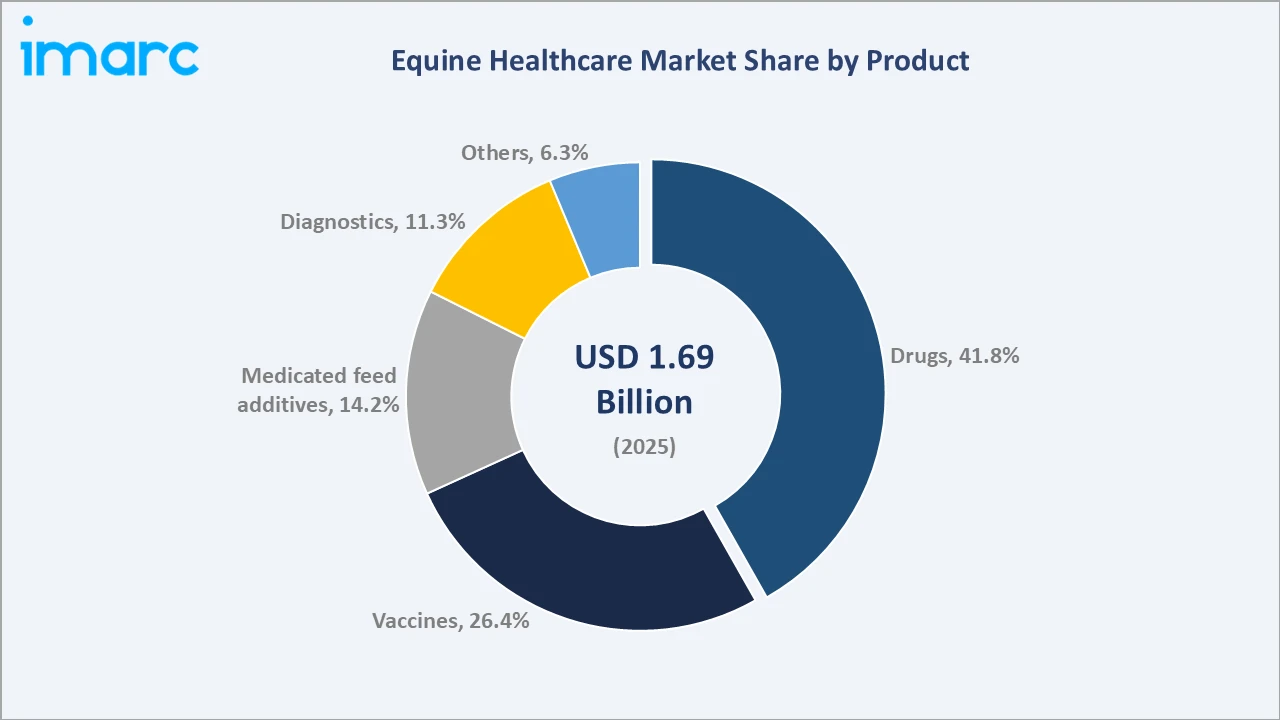
Drugs lead the product segment at 41.8% in 2025, encompassing anti-inflammatory and parasiticide medications widely used across preventive and therapeutic equine care.
To access detailed market analysis, Request Sample
Vaccines follow at 26.4%, driven by rising biosecurity awareness and mandatory immunization against equine influenza and herpesvirus. Medicated feed additives at 14.2% and diagnostics at 11.3% reflect growing preventive nutrition and imaging adoption, while other products account for 6.3%. Within the drugs category, anti-inflammatory formulations remain the most widely prescribed treatment for musculoskeletal conditions, while parasiticide drugs continue to see steady demand tied to routine deworming schedules recommended by veterinary practitioners.
By Distribution Channel
Veterinary hospitals and clinics dominate distribution at 68.5% in 2025, reflecting the need for direct veterinary administration of diagnostics, vaccines, and specialized treatments.
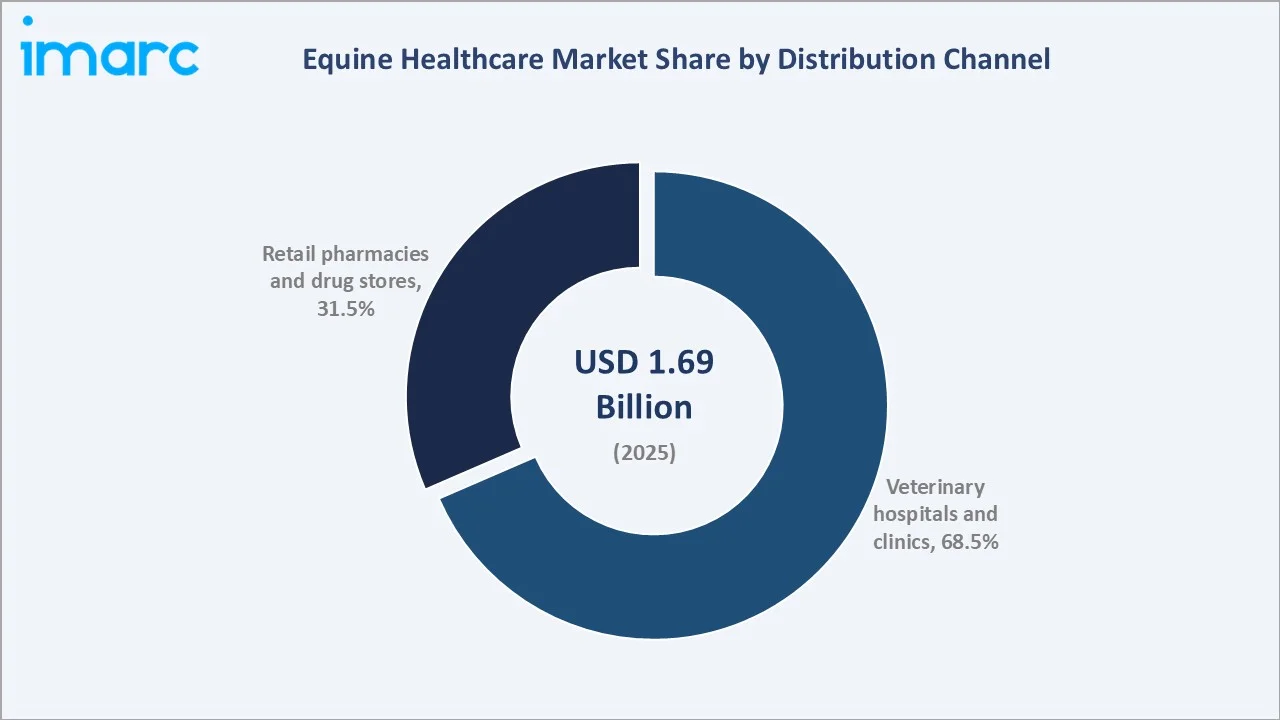
Retail pharmacies and drug stores account for the remaining 31.5%, supported by growing e-commerce access to over-the-counter equine supplements and preventive care products. The gap between the two channels is expected to narrow modestly over the forecast period as online and retail pharmacy platforms expand their range of non-prescription equine health products, offering owners greater convenience for routine supplement and preventive care purchases.
Regional Market Insights
|
Region |
Share, 2025 |
Key Equine Healthcare Market Drivers & Characteristics |
|
North America |
35.8% |
Large owned-horse population, high owner spending capacity, and advanced veterinary infrastructure |
|
Europe |
27.4% |
Strong equestrian sports culture, supportive animal welfare regulation, and established veterinary networks |
|
Asia-Pacific |
22.6% |
Rising equine population, growing racing and recreational activities, and expanding veterinary access |
|
Latin America |
8.1% |
Growing awareness of preventive equine care and expanding veterinary service availability |
|
Middle East and Africa |
6.1% |
Rising investment in equestrian sports infrastructure and specialty equine clinics |
North America, at 35.8%, leads through high owner spending capacity, supportive policy frameworks, and significant technological advancement in equine diagnostics. Europe, at 27.4%, reflects a strong equestrian sports culture and established veterinary networks.
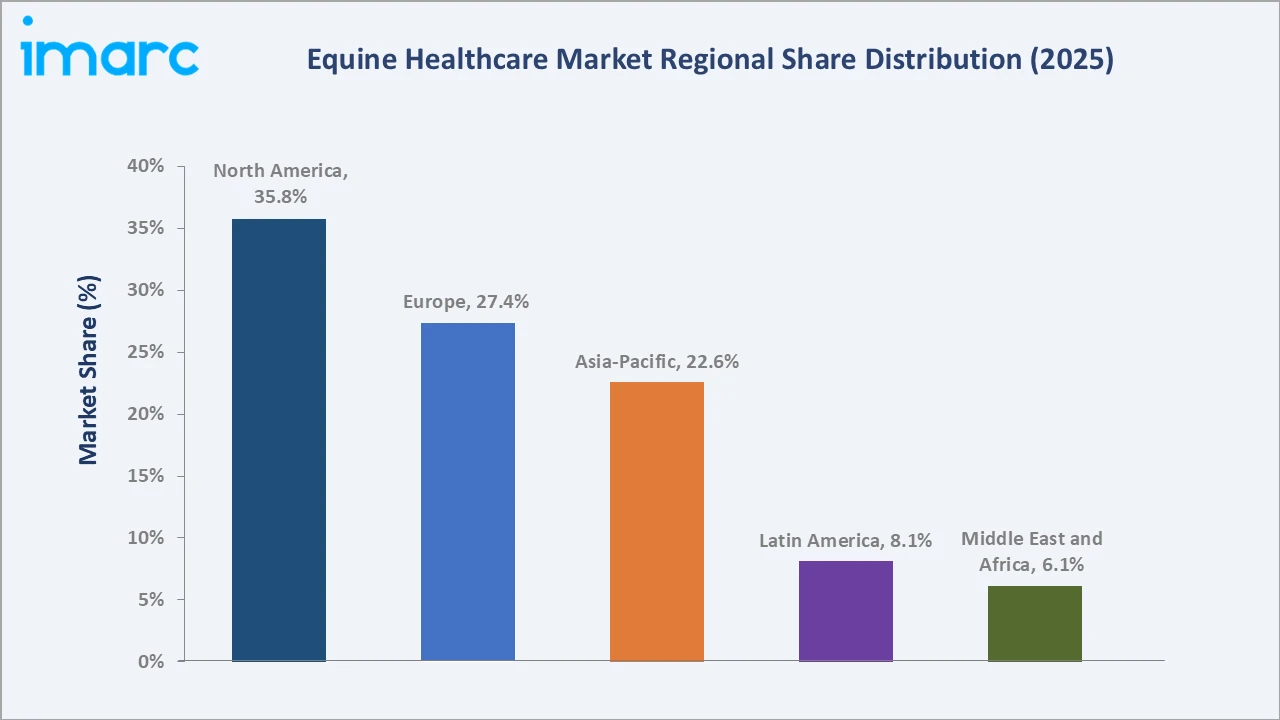
Asia-Pacific, at 22.6%, is expanding through rising equine population and growing recreational riding. Latin America, at 8.1%, and Middle East and Africa, at 6.1%, represent emerging but growing equine healthcare markets.
Competitive Landscape
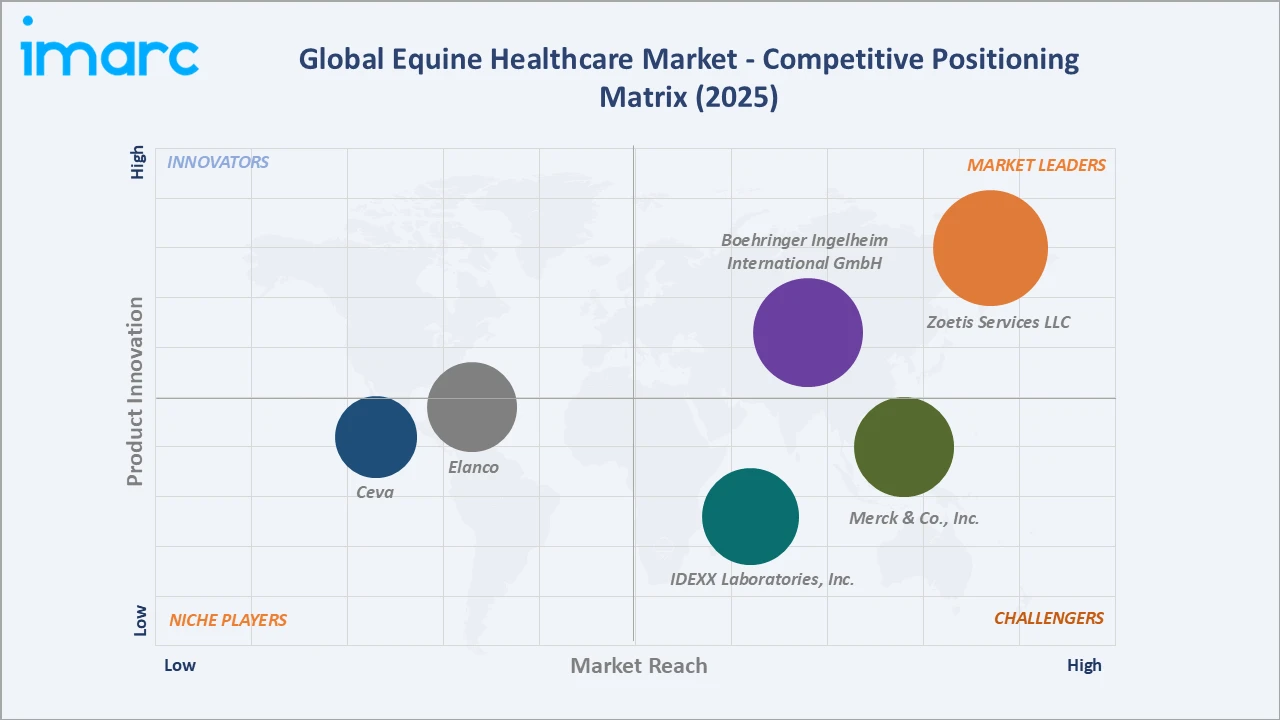
The global equine healthcare market competitive landscape is moderately consolidated, led by established global animal health companies with broad drug, vaccine, and diagnostic portfolios. Competition is increasingly centered on the breadth of preventive and diagnostic offerings, with leading players investing in expanded R&D pipelines, veterinary education programs, and strategic partnerships with distribution networks to strengthen market positioning.
|
Company Name |
Key Products |
Market Position |
Core Strength |
|
Zoetis Services LLC |
Equine Vaccines, Parasiticides, Regenerative Medicine Devices, Diagnostic Solutions, Anti-Infectives, Nutrition |
Market Leader |
Zoetis Inc specializes in the development and commercialization of a broad equine vaccine, pharmaceutical, and diagnostic portfolio. |
|
Boehringer Ingelheim International GmbH |
Dewormers, Endocrine Health, Gastric Health, Joint Health, Neurological Health, Vaccines |
Market Leader |
Boehringer Ingelheim International GmbH is a leading animal health company with a strong equine vaccine and therapeutic portfolio. |
|
Merck & Co., Inc. |
Equine Vaccines, Pain Management, Reproduction, Parasiticides |
Strong Challenger |
Merck & Co. Inc. operates a broad animal health division offering equine vaccines, therapeutics, and diagnostic solutions. |
|
IDEXX Laboratories, Inc. |
Equine Diagnostic Testing Platforms, In-Clinic Analyzers |
Strong Challenger |
IDEXX Laboratories Inc. is a leading provider of veterinary diagnostic equipment and testing solutions used across equine practices. |
|
Elanco |
Equine Parasiticides, Anti-Inflammatory Drugs |
Established Player |
Elanco Animal Health Incorporated offers a diversified portfolio of equine drugs and preventive care products. |
|
Ceva |
Parasiticides, Locomotion, Reproduction |
Emerging Player |
Ceva is a global animal health company expanding its equine vaccine and biologics offerings across key regional markets. |
Key players include Zoetis Services LLC, Boehringer Ingelheim International GmbH, Merck & Co., Inc., IDEXX Laboratories, Inc., Elanco, Ceva, and others.
Key Company Profiles
Zoetis Services LLC
Zoetis is a global leader in animal health, offering an extensive equine vaccine, pharmaceutical, and diagnostic portfolio.
- Key Products: Equine Vaccines, Parasiticides, Regenerative Medicine Devices, Diagnostic Solutions, Anti-Infectives, Nutrition
- Strategic Focus: Expanding preventive care and diagnostic offerings for equine and companion animal health globally. The company continues to prioritize R&D investment in next-generation vaccine platforms and digital diagnostic tools, aiming to strengthen its position across both developed and emerging equine healthcare markets.
Boehringer Ingelheim International GmbH
Boehringer Ingelheim International GmbH is a leading animal health company with a strong equine vaccine and therapeutic portfolio.
- Key Products: Dewormers, Endocrine Health, Gastric Health, Joint Health, Neurological Health, Vaccines
- Strategic Focus: Strengthening its equine biologics pipeline and expanding global distribution networks. Boehringer Ingelheim is also investing in owner and veterinarian education initiatives to support wider adoption of preventive vaccination protocols across major equestrian markets.
Merck & Co., Inc.
Merck & Co., Inc. operates a broad animal health division offering equine vaccines, therapeutics, and diagnostic solutions.
- Key Products: Equine Vaccines, Pain Management, Reproduction, Parasiticides
- Recent Developments: In September 2025, Merck announced findings from a new study showing that PROTAZIL (1.56% diclazuril) Antiprotozoal Pellets rapidly achieves therapeutic concentrations in the cerebrospinal fluid (CSF) within 12 hours after a single oral dose, supporting its use in the treatment of equine protozoal myeloencephalitis (EPM).
- Strategic Focus: Investing in R&D for advanced equine vaccines and expanding veterinary diagnostic capabilities. The company is also pursuing strategic collaborations with veterinary networks to broaden the reach of its preventive care and diagnostic product lines across key regional markets.
Market Concentration Analysis
The equine healthcare market is moderately concentrated, with the top 5-6 key players collectively holding a significant share of global revenue. Market concentration is expected to gradually ease as regional and specialty players expand diagnostic and vaccine offerings. Smaller and regionally focused companies are increasingly competing on the basis of specialized product lines and localized veterinary relationships, gradually eroding the share held by the largest global players in specific product categories such as diagnostics and medicated feed additives.
Investment & Growth Opportunities
Highest Growth Segments
Diagnostics (~6.8% CAGR), vaccines (~5.6% CAGR), and medicated feed additives (~5.3% CAGR) represent the highest-growth product categories through 2034, supported by rising preventive care adoption. These categories are expected to outpace overall market growth as veterinary practices increasingly integrate diagnostic screening and preventive nutrition into standard care protocols across both performance and companion horse populations.
Emerging Investment Opportunities
Wearable health monitoring devices and equine regenerative medicine represent high-value emerging opportunities as owners increasingly prioritize early detection and advanced therapeutic options. Companies that can successfully combine hardware, diagnostics, and data analytics into integrated care platforms are well positioned to capture disproportionate value as the market shifts toward preventive, technology-enabled equine healthcare.
Investment Themes
- Diagnostic imaging capacity expansion: Investment in portable ultrasound and digital radiography equipment supports accurate, early diagnosis and creates recurring service revenue for veterinary providers. As adoption extends beyond large specialty hospitals into general equine practices, manufacturers offering cost-effective, field-deployable imaging systems stand to benefit from a broader addressable customer base.
- E-commerce distribution for equine pharmaceuticals: Expansion of online retail channels is improving access to vaccines and supplements, particularly in underserved regions, creating new distribution revenue streams. This shift is also enabling manufacturers to gather direct consumer purchasing data, supporting more targeted product development and marketing strategies going forward.
Future Market Outlook (2026-2034)
The global equine healthcare market is projected to grow from USD 1.69 Billion in 2025 to USD 2.69 Billion by 2034, delivering a 5.10% CAGR over the forecast period. Continued adoption of advanced diagnostics, wearable monitoring, and regenerative therapies is expected to shape the next phase of market growth.
Sustained growth in the equine population, rising owner spending capacity, and expanding wellness and insurance programs will continue to drive demand across drugs, vaccines, and diagnostic products through the forecast period. By the end of the forecast horizon, the competitive landscape is expected to increasingly favor companies that have successfully integrated diagnostics, therapeutics, and digital monitoring into cohesive equine care platforms, reflecting a broader industry shift toward data-driven, preventive healthcare management.
Research Methodology
Primary Research
Primary research comprised structured interviews with veterinarians, equine hospital administrators, and animal health industry executives to validate market trends and segment data. These interviews were used to cross-check secondary data findings and to capture qualitative insight into emerging clinical practices and purchasing behavior across major regional markets.
Secondary Research
Secondary research encompassed company annual reports, veterinary association publications, government animal health databases, and industry conference proceedings. Additional sources included regulatory filings related to veterinary drug and vaccine approvals, which were used to validate product pipeline and competitive landscape data.
Forecasting Models
Market revenue forecasts were developed using a bottom-up model incorporating equine population by region, average per-animal healthcare expenditure, and product/channel penetration rates. The model was further refined using historical growth trends across each product and distribution category to ensure consistency between segment-level and total market forecasts.
Report Coverage:
| Report Features | Details |
|---|---|
| Base Year of the Analysis | 2025 |
| Historical Period | 2020-2025 |
| Forecast Period | 2026-2034 |
| Units | Billion USD |
| Scope of the Report | Exploration of Historical Trends and Market Outlook, Industry Catalysts and Challenges, Segment-Wise Historical and Future Market Assessment:
|
| Products Covered |
|
| Indications Covered | Musculoskeletal Disorders, Parasite Control, Equine Herpes Virus, Equine Encephalomyelitis, Equine Influenza, West Nile Virus, Tetanus, Rabies, Others |
| Distribution Channels Covered | Veterinary Hospitals and Clinics, Retail Pharmacies and Drug Stores |
| Regions Covered | Asia Pacific, Europe, North America, Latin America, Middle East and Africa |
| Countries Covered | United States, Canada, Germany, France, United Kingdom, Italy, Spain, Russia, China, Japan, India, South Korea, Australia, Indonesia, Brazil, Mexico |
| Companies Covered | Zoetis Services LLC, Boehringer Ingelheim International GmbH, Merck & Co., Inc., IDEXX Laboratories, Inc., Elanco, Ceva, etc. |
| Customization Scope | 10% Free Customization |
| Post-Sale Analyst Support | 10-12 Weeks |
| Delivery Format | PDF and Excel through Email (We can also provide the editable version of the report in PPT/Word format on special request) |
Key Benefits for Stakeholders:
- IMARC’s report offers a comprehensive quantitative analysis of various market segments, historical and current market trends, market forecasts, and dynamics of the equine healthcare market from 2020-2034.
- The research study provides the latest information on the market drivers, challenges, and opportunities in the global equine healthcare market.
- The study maps the leading, as well as the fastest-growing, regional markets. It further enables stakeholders to identify the key country-level markets within each region.
- Porter's five forces analysis assist stakeholders in assessing the impact of new entrants, competitive rivalry, supplier power, buyer power, and the threat of substitution. It helps stakeholders to analyze the level of competition within the equine healthcare industry and its attractiveness.
- Competitive landscape allows stakeholders to understand their competitive environment and provides an insight into the current positions of key players in the market.
Frequently Asked Questions About the Equine Healthcare Market Report
The global equine healthcare market reached USD 1.69 Billion in 2025, driven by the drugs segment dominant at 41.8%, veterinary hospitals and clinics leading distribution at 68.5%, and North America commanding 35.8% market share.
The equine healthcare market grows at a 5.10% CAGR during 2026-2034, reaching USD 2.69 Billion by 2034.
Drugs lead at 41.8% in 2025, driven by widespread use of anti-inflammatory and parasiticide medications.
Veterinary hospitals and clinics lead at 68.5%, reflecting the need for direct veterinary administration of most treatments and diagnostics.
North America leads at 35.8%, supported by high owner spending capacity and advanced veterinary infrastructure.
Leading companies Zoetis Services LLC, Boehringer Ingelheim International GmbH, Merck & Co., Inc., IDEXX Laboratories, Inc., Elanco, Ceva, and others.
The market is projected to reach approximately USD 2.17 Billion by 2030, supported by continued expansion of preventive care and diagnostic adoption.
Wearable equine health monitoring devices, regenerative and stem cell therapy platforms, and expansion of e-commerce distribution for equine pharmaceuticals represent the top investment opportunities through 2034, supported by rising owner spending capacity and growing demand for preventive, data-driven equine care.
Need more help?
- Speak to our experienced analysts for insights on the current market scenarios.
- Include additional segments and countries to customize the report as per your requirement.
- Gain an unparalleled competitive advantage in your domain by understanding how to utilize the report and positively impacting your operations and revenue.
- For further assistance, please connect with our analysts.
 Request Customization
 Speak to an Analyst
 Request Brochure
 Inquire Before Buying
Benefits of Customization
- Personalize this research
- Triangulate with your data
- Get data as per your format and definition
- Gain a deeper dive into a specific application, geography, customer, or competitor
- Any level of personalization
Get in Touch With Us
UNITED STATES
Phone: +1-201-971-6302
INDIA
Phone: +91-120-433-0800
UNITED KINGDOM
Phone: +44-753-714-6104
Email: [email protected]
Client Testimonials




.webp)




.webp)













Related Reports

Choose your plan
*Please note that the prices mentioned below are starting prices for each bundle type. Kindly contact our team for further details.*
Single User License
- 1 User License, Access on 2 Devices
- PDF Report + Excel Dataset (Password Protected)
- Lifetime Access
- No Printing Rights
- 10% Free Report Customization
- 10–12 Weeks of Analyst Support
Five User License
- Access for 5 Users, 2 Devices per User
- PDF Report + Excel Dataset (Password Protected)
- Lifetime Access
- Dedicated Account Manager
- 12–14 Weeks of Analyst Support
- No Printing Rights
- 15% Free Report Customization
- 25% Discount on Your Next Purchase
Corporate User License
- Unlimited User Access (Within Your Organization)
- PDF Report + Excel Dataset
- Lifetime Access
- Dedicated Account Manager
- 14–20 Weeks of Analyst Support
- No Printing Rights
- 20% Free Report Customization
- 30% Discount on Your Next Purchase
Essential Insights
What's included:
3 reports
- Lifetime Access
- PDF Reports
- Excel Datasets
- 2 Weeks of Free Analyst Support
- 2 User Licenses
- Access on 2 Devices
- Printing Rights
- Complimentary PowerPoint (PPT) Version
- Complimentary License Upgrade
Professional Access
What's included:
5 reports
- Lifetime Access
- PDF Reports
- Excel Datasets
- 8 Weeks of Free Analyst Support
- 2 User Licenses
- Access on 2 Devices
- Printing Rights
- Complimentary PowerPoint (PPT) Version
- Complimentary License Upgrade
Business Advantage
What's included:
8 reports
- Lifetime Access
- PDF Reports
- Excel Datasets
- 14 Weeks of Free Analyst Support
- 2 User Licenses
- Access on 2 Devices
- Printing Rights
- Complimentary PowerPoint (PPT) Version
- Complimentary License Upgrade
Enterprise Intelligence
What's included:
10 reports
- Lifetime Access
- PDF Reports
- Excel Datasets
- 20 Weeks of Free Analyst Support
- 2 User Licenses
- Access on 2 Devices
- Printing Rights
- Complimentary PowerPoint (PPT) Version
- Complimentary License Upgrade