
Syphilis Testing Market Size, Share, Trends and Forecast by Type, Location of Testing, and Region, 2026-2034
Syphilis Testing Market Size, Share, Trends & Forecast (2026-2034)
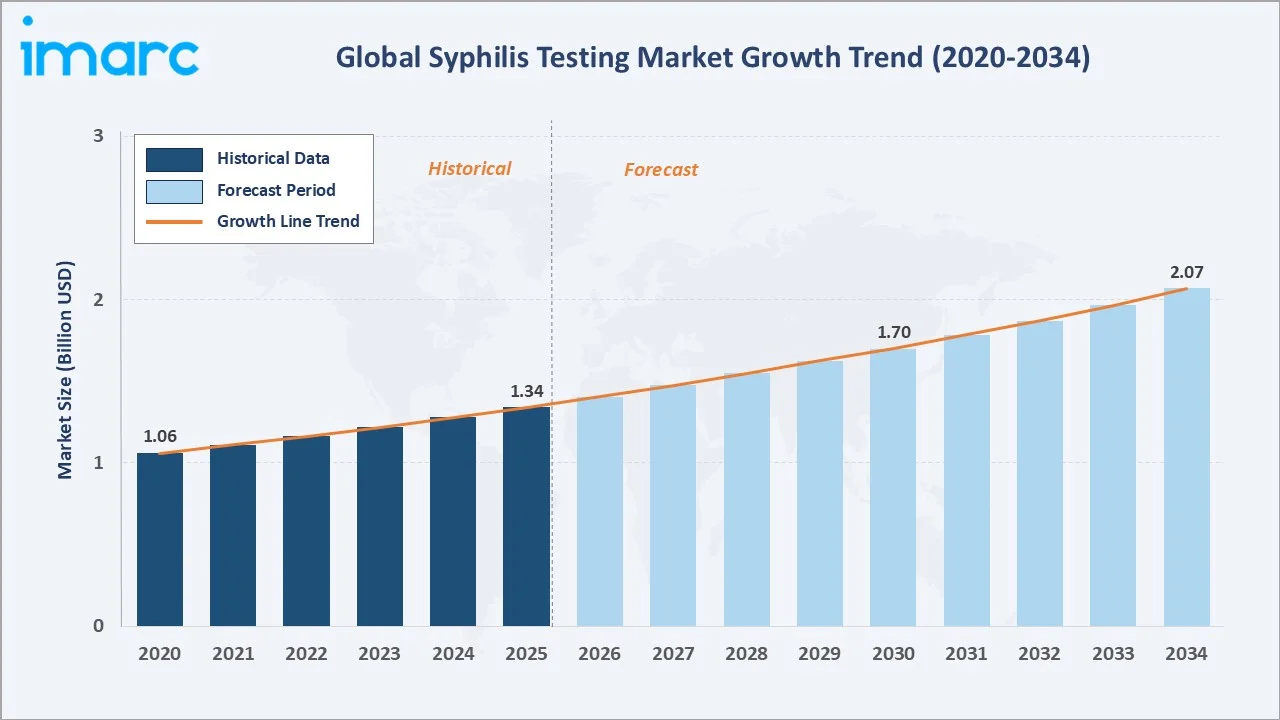
The global syphilis testing market reached USD 1.34 Billion in 2025 and is projected to reach USD 2.07 Billion by 2034, exhibiting a CAGR of 4.82% during 2026-2034. The resurgent global syphilis epidemic, combined with a devastating congenital syphilis crisis driving mandated antenatal screening expansion, and the accelerating adoption of chemiluminescence immunoassay (CLIA)-based reverse testing algorithms are the primary growth catalysts. In 2025, congenital syphilis reportedly caused the deaths of more than 20 infants in Hungary. Mississippi has also experienced an 80% rise in recent syphilis cases and a 1000% increase in congenital infections over the past six years. This escalating disease burden is driving the syphilis testing market by increasing demand for routine prenatal screening, rapid diagnostic tests, and confirmatory laboratory testing. Primary and secondary syphilis testing leads by type at 58.4%, laboratory testing dominates by location at 66.9%, and North America accounts for the largest regional share at 39.1%.
Market Snapshot
|
Metric |
Value |
|
Market Size (2025) |
USD 1.34 Billion |
|
Forecast Market Size (2034) |
USD 2.07 Billion |
|
CAGR (2026-2034) |
4.82% |
|
Base Year |
2025 |
|
Historical Period |
2020-2025 |
|
Forecast Period |
2026-2034 |
|
Dominant Type |
Primary and Secondary Syphilis (58.4%, 2025) |
|
Dominant Location |
Laboratory Testing (66.9%, 2025) |
|
Leading Region |
North America (39.1%, 2025) |
The global syphilis testing market grew from USD 1.06 Billion in 2020 to USD 1.34 Billion in 2025, driven by a structural resurgence of syphilis infections across all age groups in North America and Europe, the devastating expansion of congenital syphilis compelling mandated maternal screening policy responses, and progressive laboratory adoption of automated chemiluminescence immunoassay platforms replacing manual non-treponemal RPR tests. The market is projected to reach USD 1.70 Billion by 2030 and USD 2.07 Billion by 2034.
To get more information on this market, Request Sample
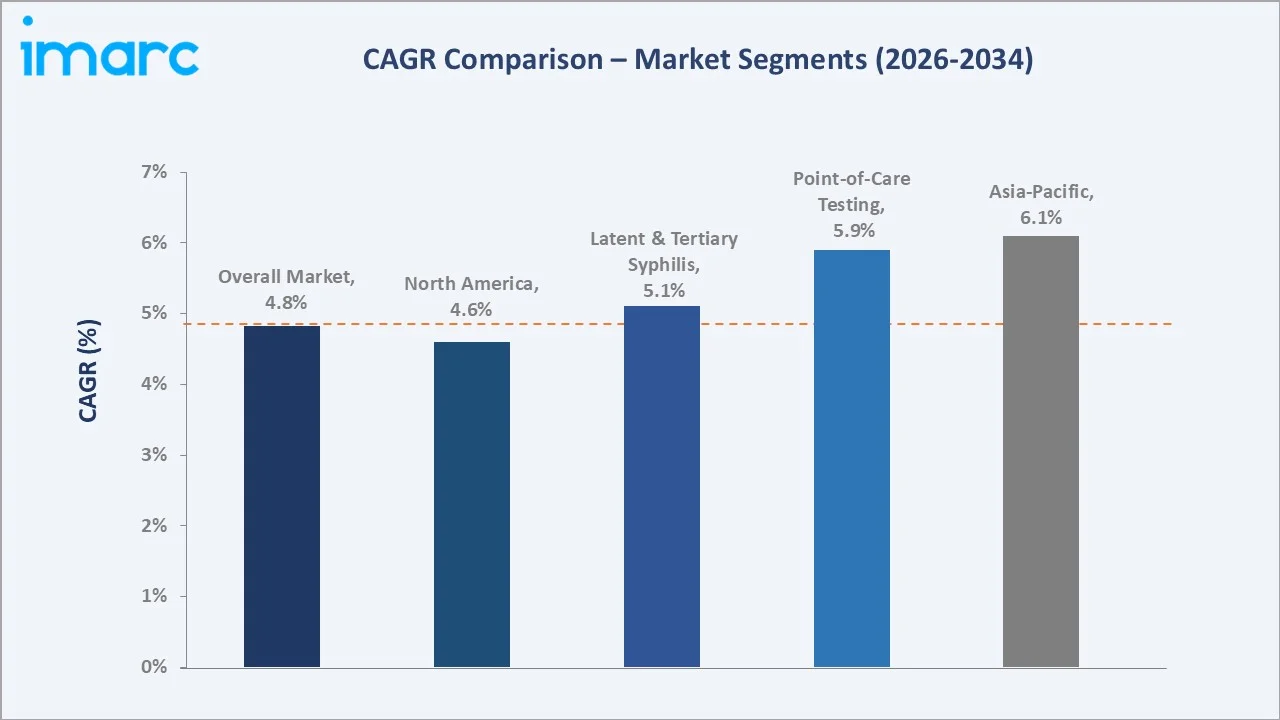
Point-of-care testing grows at ~5.9% CAGR through rapid treponemal test expansion in low- and middle-income countries and antenatal care POC integration. Asia-Pacific leads regional growth at ~6.1% CAGR through China's national syphilis epidemic response, India's antenatal screening scale-up, and Southeast Asian disease burden driven by high-risk population testing programs. Latent and tertiary syphilis testing grows at ~5.1% CAGR through CSF-based neurosyphilis testing expansion and serological monitoring of treated syphilis cases for treatment response assessment.
Executive Summary
The global syphilis testing market is experiencing a period of sustained growth driven by one of the most alarming resurgences in sexually transmitted infection epidemiology in recent memory. After decades of declining incidence following widespread antibiotic treatment availability, syphilis returned as a significant public health crisis in North America, Europe, and Australia, while maintaining endemic burden across sub-Saharan Africa, Southeast Asia, and parts of Latin America. In 2024, the United States reported nearly 4,000 cases of congenital (newborn) syphilis, marking the 12th consecutive year of increasing infections. Cases rose by nearly 2% compared with 2023. Market value stood at USD 1.34 Billion in 2025 and is forecast to reach USD 2.07 Billion by 2034, reflecting the compounding effects of epidemic burden growth, screening program expansion, and technology-driven testing efficiency improvements.
Primary and secondary syphilis testing leads type at 58.4% (2025), reflecting the acute symptomatic phase's public health priority, representing the highest infectivity and treatment urgency within the syphilis continuum, and targeted by active case finding, STI clinic testing, and partner notification programs that generate the highest test volume per case compared to latent stage monitoring. Laboratory testing commands 66.9% (2025) through its superior throughput, analytical sensitivity, and clinical result confidence required for high-volume antenatal screening programs, blood bank donor screening, and hospital emergency department syphilis testing protocols. North America commands 39.1% (2025) primarily through the unprecedented US syphilis epidemic burden.
Key Market Insights
|
Insight |
Data |
|
Dominant Type |
Primary and Secondary Syphilis – 58.4% share (2025) |
|
Dominant Location |
Laboratory Testing – 66.9% share (2025) |
|
Leading Region |
North America – 39.1% share (2025) |
|
Market Opportunity |
Congenital syphilis prevention antenatal screening; POC expansion; multiplex STI panel integration; home-based syphilis self-testing |
Key Analytical Observations:
- Primary and Secondary Syphilis at 58.4% (2025): Primary syphilis and secondary syphilis together represent the highest-infectivity phase that generates the most urgent testing need across all clinical settings. The US congenital syphilis crisis has resulted from untreated or inadequately treated primary and secondary syphilis in pregnant women, directly expanding test volume through mandated antenatal screening protocols.
- Laboratory Testing at 66.9% (2025): The reverse syphilis testing algorithm has become the standard of care for high-volume laboratory syphilis screening in North America and Europe. This algorithm is best implemented on fully automated platforms where both treponemal and non-treponemal testing can be performed in the same analytical run with reflex testing triggered automatically by the laboratory information system, enabling turnaround times of under 2 hours for complete syphilis workup.
- North America at 39.1%: North America's dominant regional position reflects the extraordinary concentration of syphilis epidemic burden in the United States, where state and local public health laboratories, hospital-based diagnostic laboratories, and STI clinic rapid-testing programs collectively require large and growing volumes of syphilis diagnostic tests.
Syphilis Testing Market Overview
The global syphilis testing market encompasses the diagnostic assays, platforms, and point-of-care devices used to detect, confirm, and monitor infection across the clinical staging spectrum from primary through tertiary disease. Syphilis diagnostic testing employs two fundamentally different antibody detection methodologies: non-treponemal tests that detect IgG and IgM antibodies directed against cardiolipin-lecithin-cholesterol antigen, providing semi-quantitative titer results useful for monitoring treatment response but declining to non-reactivity with successful treatment; and treponemal tests that detect antibodies directed against T. pallidum-specific antigens, providing highly specific confirmation of past or present infection but remaining reactive for life even after successful treatment.
The combination of both test types in algorithm-based syphilis testing provides clinical information on both infection status and treatment response that neither test type alone can deliver. Macroeconomic factors include rising healthcare expenditure, expanding public health screening programs, and greater investment in maternal and prenatal care.
Market Dynamics
To evaluate market opportunities, Request Sample
Market Drivers
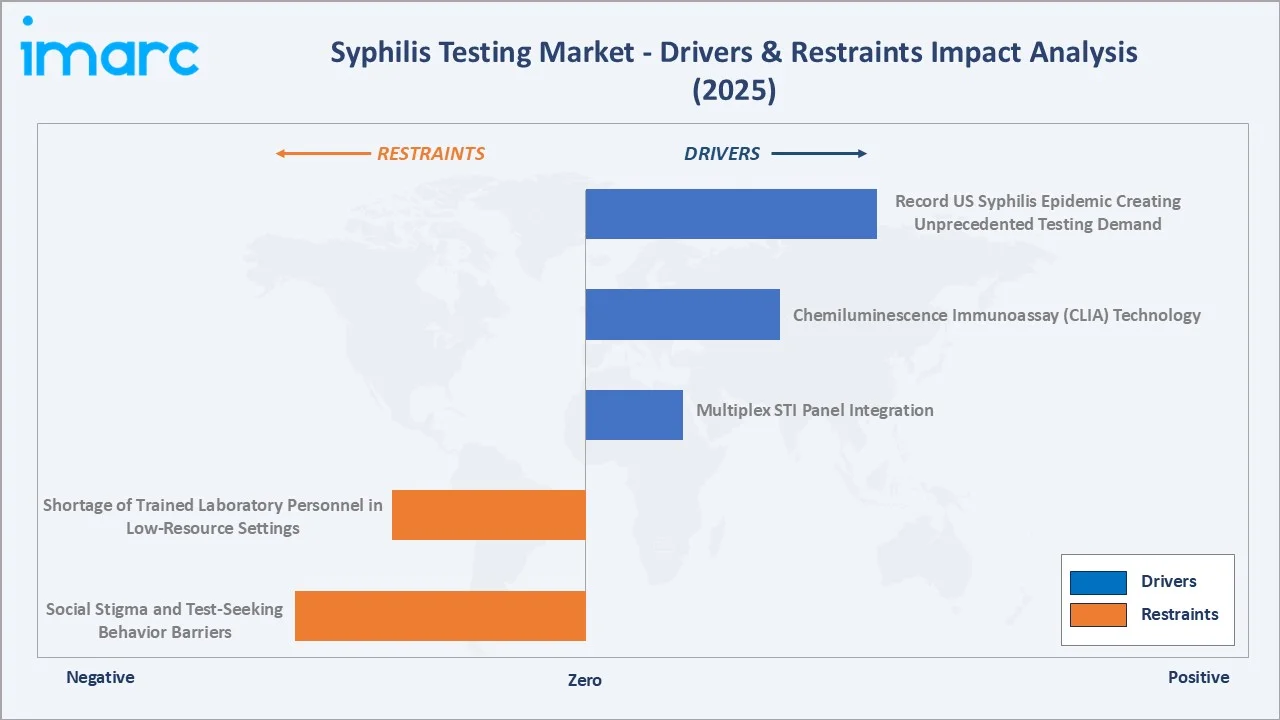
- Record US Syphilis Epidemic Creating Unprecedented Testing Demand: In 2024, the United States reported nearly 4,000 cases of congenital (newborn) syphilis, marking the 12th consecutive year of increasing infections, which rose by nearly 2% compared with 2023. The epidemic's expansion across demographic groups previously considered low-risk has transformed syphilis testing from a specialty STI clinic service into a mainstream hospital diagnostic necessity. Emergency departments, obstetrics practices, urgent care centers, and primary care facilities have incorporated syphilis testing into expanded STI screening protocols, dramatically expanding the total number of testing sites and annual test volume.
- Chemiluminescence Immunoassay (CLIA) Technology: The widespread adoption of automated CLIA platforms for treponemal syphilis screening has fundamentally transformed laboratory syphilis testing workflows by enabling high-throughput reverse algorithm testing that simultaneously increases test volume, reduces turnaround time, and improves analytical performance versus traditional manual non-treponemal testing. In January 2025, Anbio Biotechnology introduced the ADL-1000 Dry Chemiluminescence Immunoassay Solution, developed to provide fast, accurate, and cost-effective diagnostic testing.
- Multiplex STI Panel Integration: The integration of syphilis testing within multiplex STI diagnostic panels is expanding syphilis test volume by including syphilis in panels ordered for patients presenting with STI symptoms where syphilis was previously not routinely tested. While serological syphilis testing remains distinct from NAAT-based gonorrhea/chlamydia testing due to methodological differences, the operational integration of syphilis serology reflex testing triggered by STI panel order protocols is effectively expanding syphilis screening reach.
Market Restraints
- Social Stigma and Test-Seeking Behavior Barriers: Despite the unprecedented syphilis epidemic, a substantial proportion of infected individuals do not seek testing due to social stigma associated with sexually transmitted infections, discomfort discussing sexual health with healthcare providers, and unawareness of personal risk during a period of asymptomatic latent infection. Educational interventions targeting both patient populations and healthcare providers are needed to reduce stigma-driven testing avoidance, though these lie outside the commercial diagnostic market's direct control.
- Shortage of Trained Laboratory Personnel in Low-Resource Settings: Low-and-middle-income countries with the highest syphilis burden often face critical shortages of laboratory technologists capable of performing and quality-assuring both RPR non-treponemal tests and treponemal confirmation tests. This creates a diagnostic gap where clinical suspicion of syphilis cannot be confirmed through laboratory testing, leading to syndromic management without etiological diagnosis that compromises both individual patient care and population-level surveillance data.
Market Opportunities
- Home-Based and Self-Testing Platform Development: The successful deployment of HIV home self-testing kits globally has demonstrated both consumer demand and clinical utility for home-based STI self-testing, creating a pathway for syphilis self-testing product development. In September 2025, Tia Health partnered with Molecular Testing Labs to provide an FDA-cleared at-home specimen collection kit for simultaneous STI screening. Using Abbott’s simpli-COLLECT STI Test, patients can collect samples at home and receive results through their healthcare provider for chlamydia, gonorrhea, trichomoniasis, and Mycoplasma genitalium.
- Expansion of Dual Elimination Programs in High-Burden Countries: As more countries achieve validation status, they establish sustainable laboratory and POC testing programs that create recurring reagent demand. Syphilis rapid tests create a large-volume, competitively priced market segment that established diagnostic companies can target through prequalification of their POC products.
Market Challenges
- Discordant Syphilis Test Result Interpretation Complexity: The reverse syphilis testing algorithm and clinical management decisions differ substantially across these possibilities. Physician unfamiliarity with discordant result interpretation creates clinical decision-making uncertainty that may delay treatment or generate unnecessary additional testing. Manufacturer investment in clinical decision support tools that guide clinicians through discordant result management could add value beyond the diagnostic assay itself.
- Penicillin Shortage Impact on Testing Incentive: The shortage of benzathine penicillin G reduced the public health utility of syphilis diagnosis in some settings where confirmed diagnosis could not be followed by timely treatment. While penicillin supply has partially recovered, ongoing supply chain fragility for this critical antibiotic creates uncertainty about the clinical benefit of expanded syphilis testing when treatment access cannot be guaranteed. This issue is more acute in low- and middle-income country settings, where both testing and treatment supply chains may be simultaneously disrupted.
Emerging Market Trends
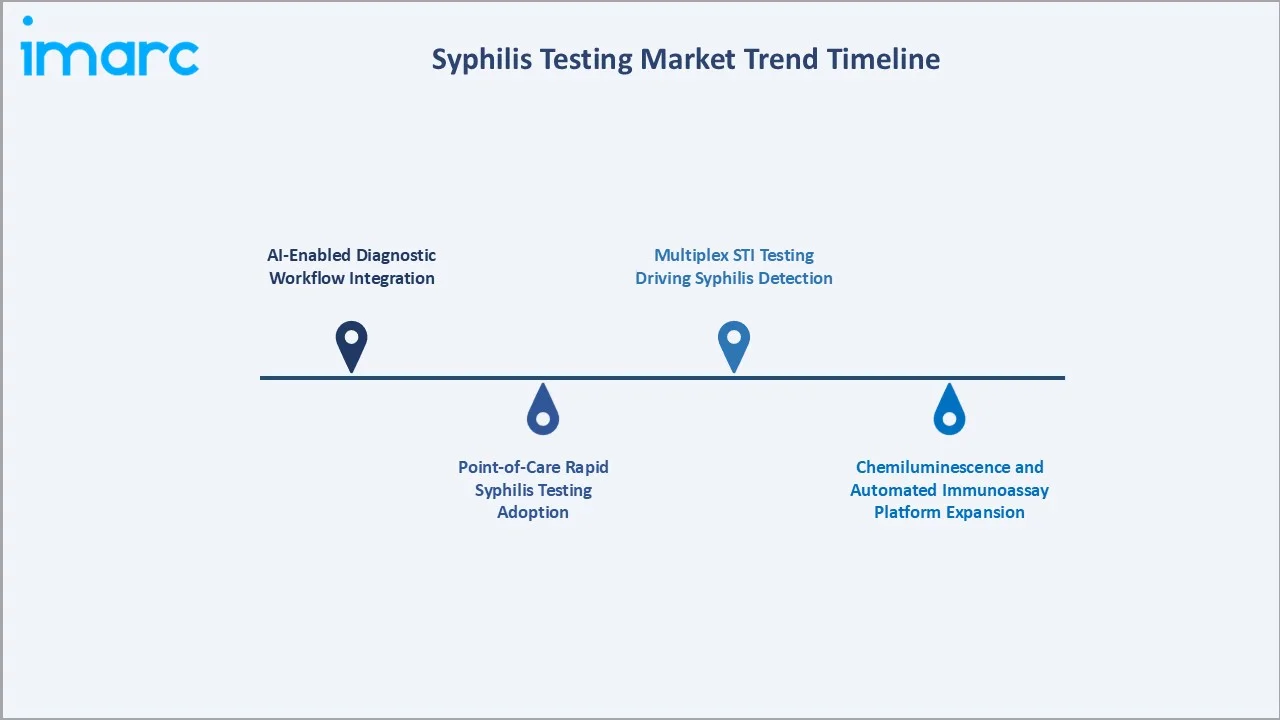
1. AI-Enabled Diagnostic Workflow Integration
Artificial intelligence and digital laboratory platforms are being integrated into syphilis testing workflows to automate result interpretation, reduce manual errors, and improve laboratory productivity. AI-assisted analytics also enhance disease surveillance and enable faster reporting for public health monitoring.
2. Multiplex STI Testing Driving Syphilis Detection
Healthcare providers are increasingly adopting multiplex molecular assays capable of detecting syphilis alongside other sexually transmitted infections such as chlamydia, gonorrhea, HIV, and trichomoniasis. In March 2025, bioLytical Laboratories launched its INSTI Multiplex HIV-1/2 Syphilis Antibody Test in Australia following its inclusion in the Australian Register of Therapeutic Goods. The dual rapid test delivers HIV and syphilis antibody results in approximately 60 seconds, enabling healthcare professionals to accelerate diagnosis, reduce delays in treatment, and connect patients with appropriate care more quickly. These comprehensive panels improve diagnostic efficiency, reduce turnaround time, and support timely treatment decisions through a single sample.
3. Point-of-Care Rapid Syphilis Testing Adoption
Demand for rapid point-of-care syphilis tests is growing due to the need for immediate diagnosis in primary care, emergency departments, antenatal clinics, and community health programs. These portable tests enable same-day clinical decisions, reducing patient loss to follow-up and supporting early treatment.
4. Chemiluminescence and Automated Immunoassay Platform Expansion
Laboratories are increasingly adopting automated chemiluminescence immunoassay (CLIA) systems for syphilis screening due to their high throughput, accuracy, and reduced hands-on time. These platforms improve laboratory efficiency while supporting large-scale screening programs in hospitals and diagnostic centers.
Industry Value Chain Analysis
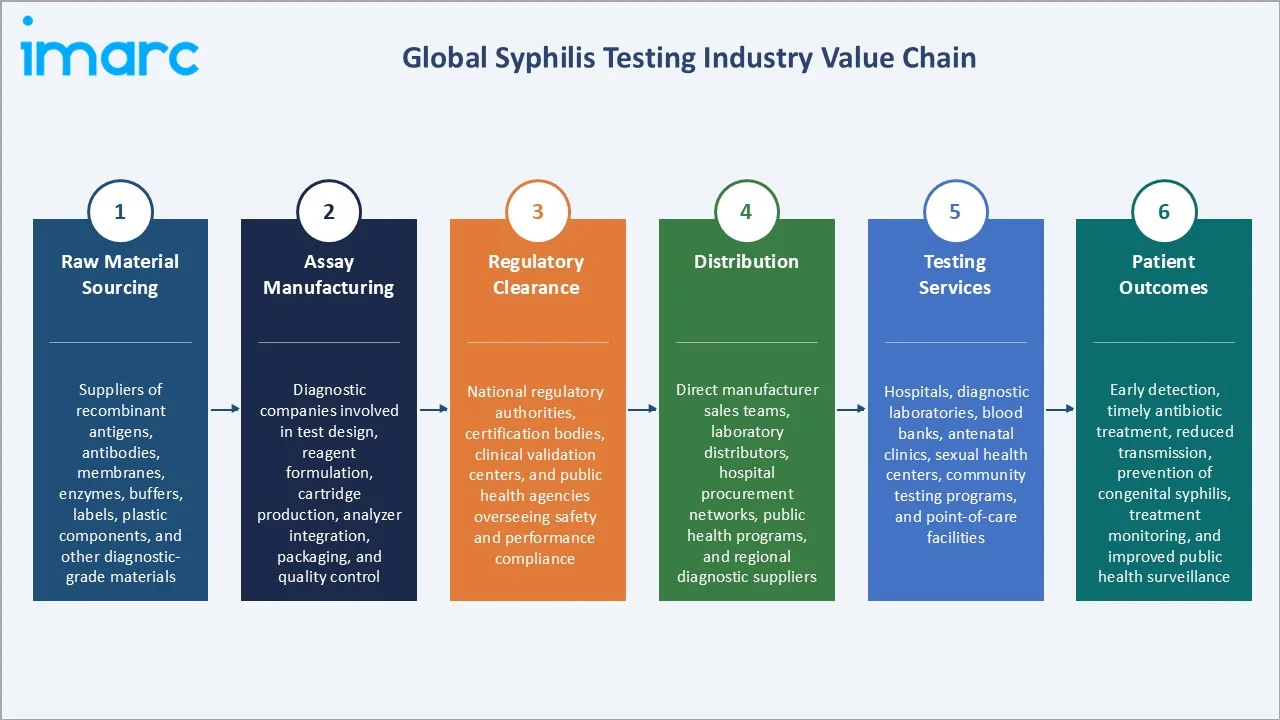
The syphilis testing market value chain integrates raw material sourcing, assay manufacturing, regulatory clearance, distribution, diagnostic testing services, and patient outcome generation across laboratory and point-of-care delivery channels.
|
Stage |
Key Participants |
|
Raw Material Sourcing |
Suppliers of recombinant antigens, antibodies, membranes, enzymes, buffers, labels, plastic components, and other diagnostic-grade materials. |
|
Assay Manufacturing |
Diagnostic companies involved in test design, reagent formulation, cartridge production, analyzer integration, packaging, and quality control. |
|
Regulatory Clearance |
National regulatory authorities, certification bodies, clinical validation centers, and public health agencies overseeing safety and performance compliance. |
|
Distribution |
Direct manufacturer sales teams, laboratory distributors, hospital procurement networks, public health programs, and regional diagnostic suppliers. |
|
Testing Services |
Hospitals, diagnostic laboratories, blood banks, antenatal clinics, sexual health centers, community testing programs, and point-of-care facilities. |
|
Patient Outcomes |
Early detection, timely antibiotic treatment, reduced transmission, prevention of congenital syphilis, treatment monitoring, and improved public health surveillance. |
Assay manufacturing is the most value-added stage in the syphilis testing market. It involves the development of proprietary diagnostic assays, reagent formulation, instrument integration, and quality assurance, creating the greatest product differentiation and technological value. Innovation at this stage directly influences test accuracy, sensitivity, turnaround time, and overall market competitiveness.
Technology Landscape in the Syphilis Testing Industry
Chemiluminescence Immunoassay (CLIA) Technology
CLIA-based treponemal syphilis immunoassays have emerged as the dominant laboratory screening technology for high-volume syphilis testing in North America and Europe, replacing manual enzyme immunoassay (EIA) plate-based treponemal tests through superior throughput, fully automated result interpretation, and random-access testing capability that enables urgent single-sample testing without batch accumulation delay.
Non-Treponemal Tests (RPR/VDRL)
Non-treponemal tests, the Rapid Plasma Reagin (RPR) card test and Venereal Disease Research Laboratory (VDRL) slide test that detect non-specific cardiolipin antibodies generated in response to cellular damage from syphilis infection, serve a critical and irreplaceable role in syphilis management as the standard treatment response monitoring tools. Unlike treponemal tests, RPR titers decline and eventually reach non-reactive status with successful treatment, making quantitative RPR the clinical tool for longitudinal syphilis management decisions.
NAAT-Based T. pallidum Detection Technology
While serological methods remain the standard of care for syphilis diagnosis, T. pallidum-specific nucleic acid amplification tests (NAATs) for direct detection of bacterial DNA offer potential advantages in specific clinical scenarios: primary syphilis with active chancre, CSF analysis for neurosyphilis diagnosis, and congenital syphilis diagnosis in neonates. Full commercial NAAT integration within STI panels that include gonorrhea/chlamydia NAAT testing could create a unified molecular STI panel that includes syphilis without requiring separate serological testing, representing a potentially transformative technology shift that would reshape competitive dynamics in the STI diagnostics market.
Market Segmentation Analysis
The report covers the following segments:
|
Segment Category |
Leading Segment |
Market Share |
Year |
|
Type |
Primary and Secondary Syphilis |
58.4% |
2025 |
|
Location of Testing |
Laboratory Testing |
66.9% |
2025 |
|
Region |
North America |
39.1% |
2025 |

By Type
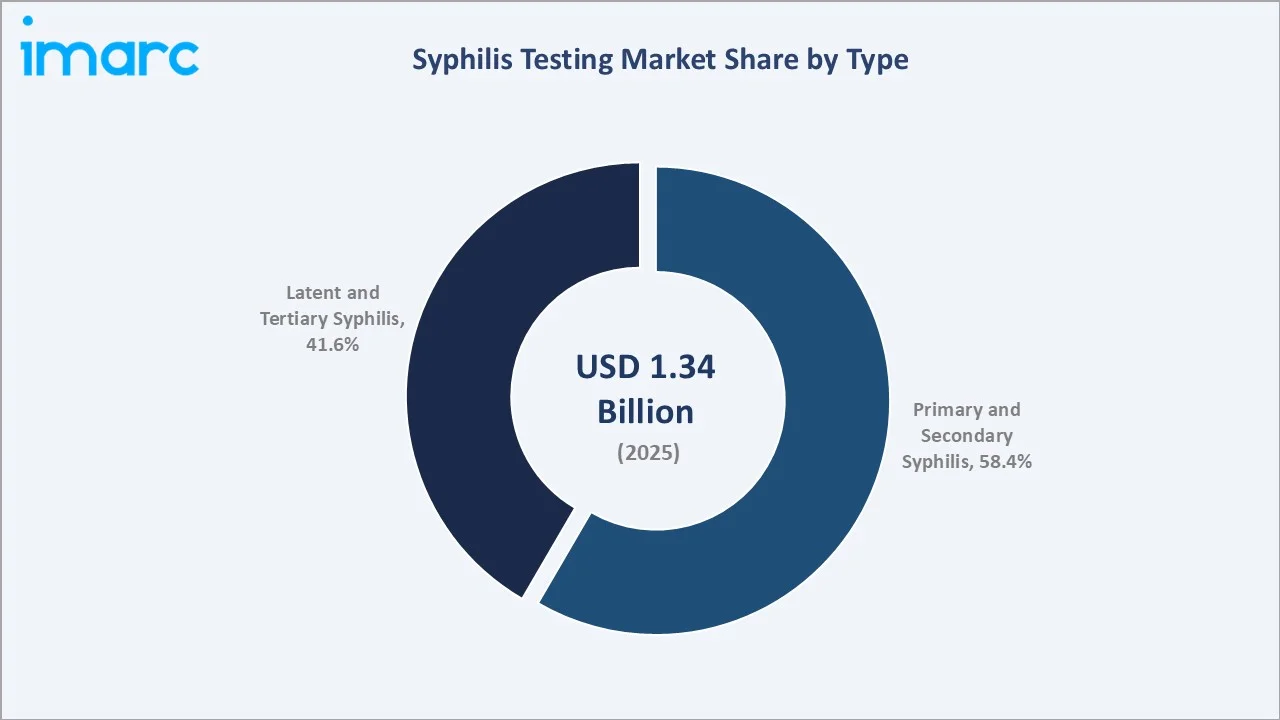
Primary and secondary syphilis testing leads at 58.4% (2025), reflecting the acute symptomatic phase's epidemic burden concentration and the clinical-institutional testing response it generates. Primary and secondary syphilis cases are diagnosed through symptomatic presentation combined with serology, or through incidental screening in high-risk populations including MSM, pregnant women, and partners of confirmed cases.
To access detailed market analysis, Request Sample
Latent and tertiary syphilis at 41.6% (2025), growing at ~5.1% CAGR, represents the ongoing testing demand from the large reservoir of infected individuals in latent stages, many of whom are identified through incidental screening rather than symptom-driven testing.
By Location of Testing
Laboratory testing leads at 66.9% (2025), serving high-volume syphilis screening through automated CLIA platforms in hospital core laboratories, reference laboratories, public health state laboratories, and blood bank testing environments. The reverse algorithm's implementation on automated platforms enables hospital laboratory networks to process antenatal syphilis screening orders for entire obstetrics service volumes alongside blood donor screening and STI diagnostic testing, creating bundled efficiencies that drive CLIA platform adoption over POC approaches in high-volume institutional settings.
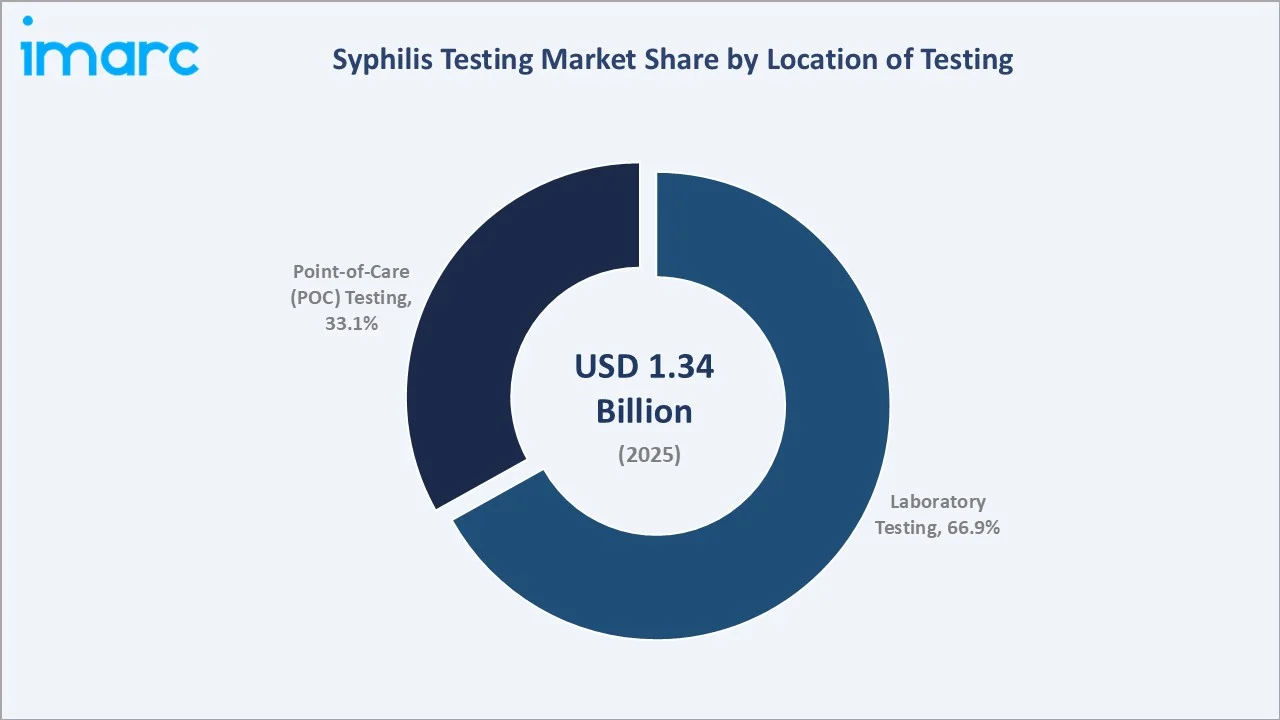
Point-of-care (POC) testing at 33.1%, growing at ~5.9% CAGR, serves critical needs in resource-limited settings, same-visit diagnosis and treatment programs, emergency department and urgent care syphilis screening, and correctional health facility testing.
Regional Market Insights
|
Region |
Share (2025) |
Key Syphilis Testing Market Drivers & Characteristics |
|
North America |
39.1% |
High STI screening rates, advanced diagnostic infrastructure, strong public health surveillance, and widespread adoption of rapid and molecular syphilis testing. |
|
Europe |
28.3% |
Well-established healthcare systems, routine prenatal screening, increasing STI awareness, and favorable reimbursement policies supporting diagnostic testing. |
|
Asia-Pacific |
21.6% |
Rising STI prevalence, expanding healthcare infrastructure, growing government screening initiatives, and increasing access to affordable diagnostic technologies. |
|
Latin America |
6.4% |
Improving public health programs, expanding laboratory capacity, increasing awareness of sexually transmitted infections, and gradual adoption of rapid testing. |
|
Middle East and Africa |
4.6% |
Growing investment in infectious disease control, improving healthcare access, international health initiatives, and expanding point-of-care testing services. |
North America's 39.1% regional dominance reflects advanced diagnostic infrastructure, high screening rates, and strong public health surveillance programs. Europe, at 28.3%, is supported by routine prenatal testing, established laboratory networks, and growing awareness of sexually transmitted infections.
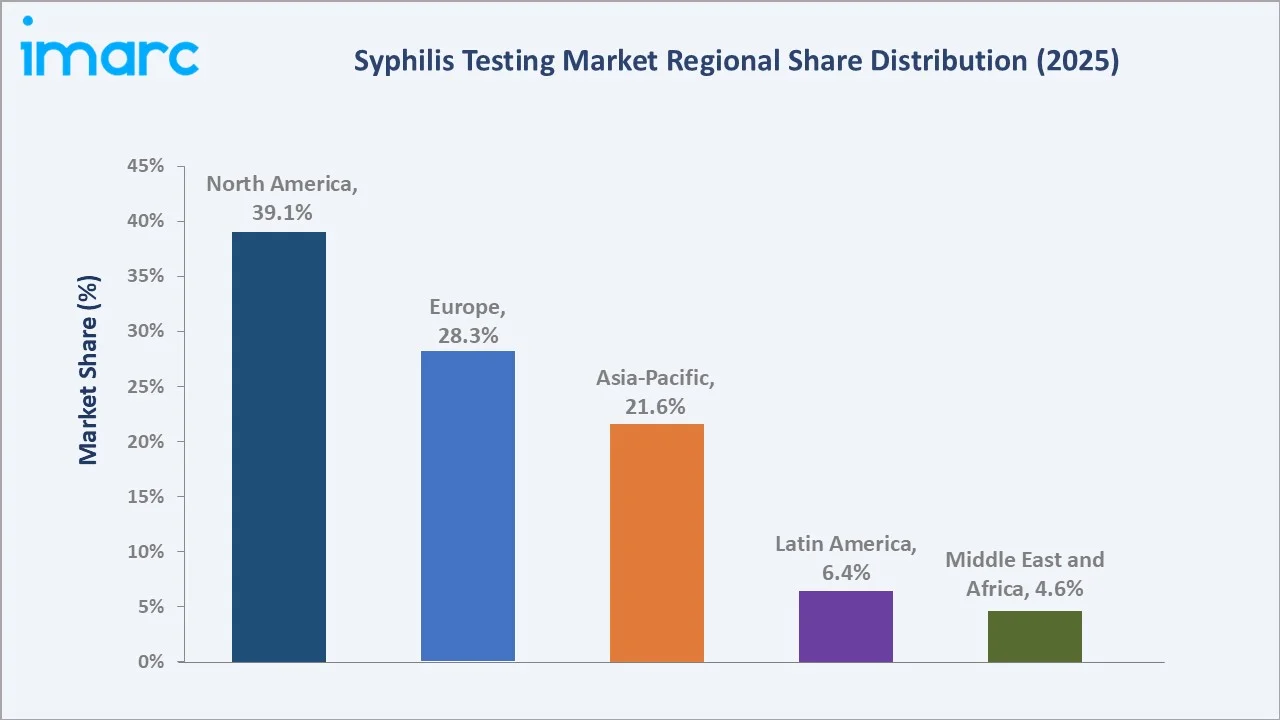
Asia-Pacific at 21.6%, growing fastest at ~6.1% CAGR, expected to record strong growth as healthcare access, diagnostic capacity, and government-led screening initiatives expand. China, India, Japan, and Southeast Asian countries are contributing to higher demand for affordable rapid tests. Latin America’s 6.4% is experiencing gradual market development through improving laboratory services and targeted disease-control programs. Middle East and Africa, at 4.6%, remain emerging markets with growing adoption of point-of-care testing.
Competitive Landscape
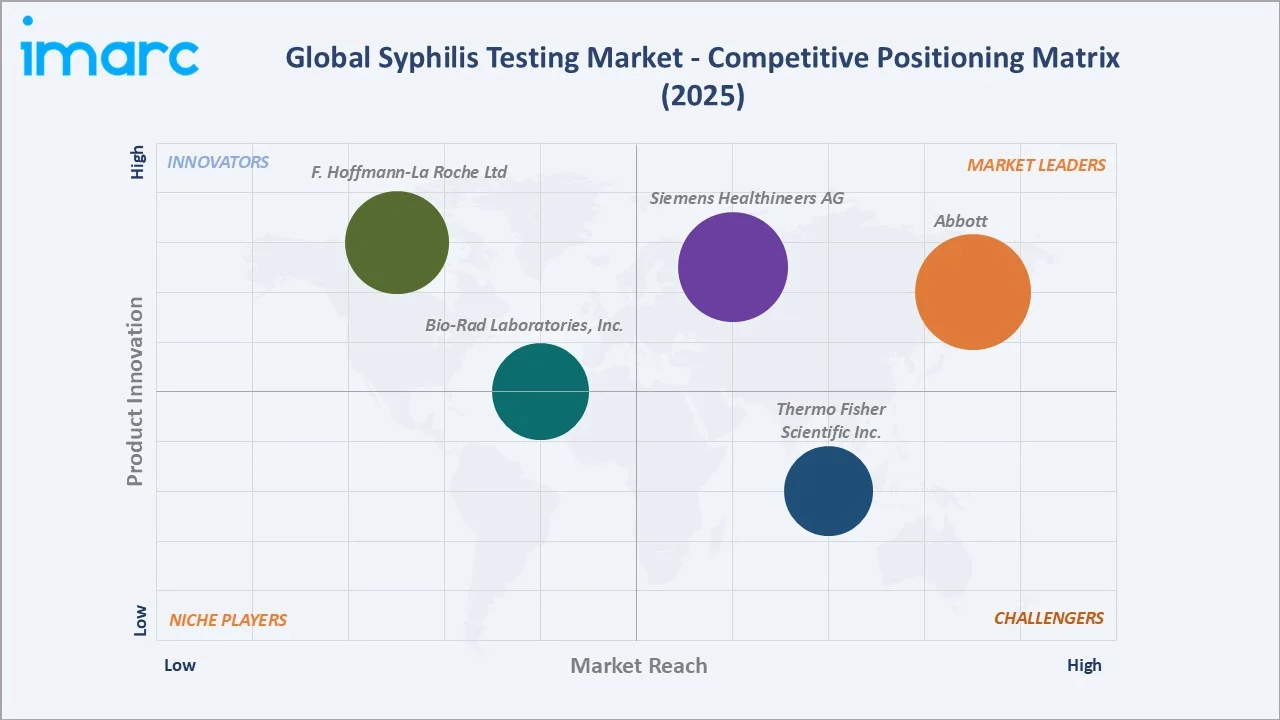
The global syphilis testing market is moderately concentrated in laboratory testing. The POC segment is more fragmented. Competitive differentiation is primarily achieved through assay analytical performance, platform integration, and WHO prequalification status for POC products targeting LMIC procurement programs.
|
Company |
Key Products |
Market Position |
Core Strength |
|
Abbott |
Bioline HIV/Syphilis Duo, Bioline Syphilis 3.0, Determine Syphilis TP |
Market Leader |
Abbott plays a critical role in syphilis testing by providing a comprehensive suite of diagnostic tools, ranging from high-throughput lab instruments to rapid point-of-care (POC) devices. |
|
F. Hoffmann-La Roche Ltd |
Elecsys Syphilis |
Innovator |
F. Hoffmann-La Roche Ltd (Roche Diagnostics) plays a major role in modern syphilis testing through automated, high-throughput laboratory immunoassays. |
|
Siemens Healthineers AG |
Atellica IM Syphilis Assay |
Market Leader |
Siemens Healthineers AG specializes in automated, high-throughput serology assays for syphilis detection. |
|
Thermo Fisher Scientific Inc. |
Sure-Vue Automated RPR Test, Sure-Vue’s non-treponemal RPR antigen screens |
Challenger |
Thermo Fisher Scientific Inc. provides critical infrastructure for syphilis testing by manufacturing core reagents, assay controls, and diagnostic equipment used in clinical laboratories. |
|
Bio-Rad Laboratories, Inc. |
Syphilis Enzyme Immunoassays (EIA), Syphilis Agglutination Assays, VIROTROL RPR Panel |
Established Player |
Bio-Rad Laboratories provides comprehensive serological testing solutions for syphilis. Their portfolio features treponemal and non-treponemal assays, automated multiplex systems, and quality controls designed to streamline both initial screening and disease monitoring. |
The competitive landscape is evolving along two distinct axes: in laboratory testing, competition is intensifying around CLIA platform performance and integration with multiplex STI panel workflows; in POC testing, competition centers on WHO prequalification status, combination device functionality, and ability to navigate complex procurement landscapes.
Key Company Profiles
Abbott
Abbott is a global healthcare company with a strong presence in infectious disease diagnostics through its rapid testing, immunoassay, and molecular diagnostics portfolio. In the syphilis testing market, the company offers laboratory-based and point-of-care diagnostic solutions that support accurate screening and confirmation of syphilis infections across hospitals, clinical laboratories, blood banks, and public health programs. Abbott's broad global distribution network, continuous product innovation, and integrated diagnostic platforms strengthen its position in STI diagnostics.
- Key Products: Bioline HIV/Syphilis Duo, Bioline Syphilis 3.0, Determine Syphilis TP.
- Strategic Focus: Expanding its infectious disease diagnostics portfolio through rapid point-of-care tests, automated immunoassay systems, and molecular diagnostic technologies. The company emphasizes improving early STI detection, increasing access to decentralized testing, and integrating high-throughput laboratory platforms to enhance diagnostic accuracy, workflow efficiency, and public health screening programs.
F. Hoffmann-La Roche Ltd
F. Hoffmann-La Roche Ltd is a global healthcare company with a leading position in in vitro diagnostics and laboratory automation. In the syphilis testing market, the company offers advanced immunoassay-based diagnostic solutions, supporting high-throughput screening and confirmation of syphilis infections in hospitals, clinical laboratories, and public health screening programs. Roche's focus on automation, digital connectivity, and integrated laboratory workflows reinforces its strong presence in infectious disease diagnostics.
- Key Products: Elecsys Syphilis.
- Strategic Focus: Advancing infectious disease diagnostics through high-throughput immunoassay platforms, laboratory automation, and digital workflow integration. The company emphasizes expanding automated screening capabilities, improving diagnostic accuracy, and enhancing laboratory efficiency to support large-scale syphilis testing in hospitals and public health laboratories.
Market Concentration Analysis
The syphilis testing market is moderately concentrated, with a mix of global diagnostics companies and specialized infectious disease testing providers competing across laboratory and point-of-care segments. Leading players maintain strong market positions through broad diagnostic portfolios, technological innovation, and extensive distribution networks. Competition is increasingly centered on rapid testing, automated immunoassays, multiplex molecular diagnostics, and decentralized testing solutions. Emerging regional manufacturers are also expanding their presence by offering cost-effective rapid tests for public health screening programs and resource-limited settings.
Investment & Growth Opportunities
Highest Growth Segments
POC testing (~5.9% CAGR), Asia-Pacific region (~6.1% CAGR), latent and tertiary syphilis monitoring (~5.1% CAGR through serial RPR titer monitoring demand), LMIC antenatal screening procurement, and US congenital syphilis prevention mandatory testing programs represent syphilis testing market's highest-growth investment vectors through 2034.
Investment Themes
- Congenital syphilis prevention testing infrastructure: Investment is increasing in prenatal screening infrastructure, laboratory capacity, and rapid diagnostic testing to enable early detection of maternal syphilis. These initiatives aim to reduce mother-to-child transmission and support national congenital syphilis elimination programs.
- Home-based syphilis self-testing for high-risk populations: Companies are investing in home-based self-testing kits integrated with telehealth platforms to expand access among high-risk and underserved populations. These solutions improve testing convenience, encourage early diagnosis, and strengthen community-based STI screening efforts.
Future Market Outlook (2026-2034)
The global syphilis testing market is projected to grow from USD 1.34 Billion in 2025 to USD 2.07 Billion by 2034, delivering a 4.82% CAGR, reflecting the structural demand created by the most significant syphilis epidemic resurgence and the institutional screening mandates, public health investment, and technology advancement that the epidemic has catalyzed. The anchor value of USD 1.70 Billion in 2030, driven by the compound effects of three structural forces.
First, the US congenital syphilis prevention infrastructure created by mandatory third-trimester screening legislation, CDC emergency response funding, and expanded testing site protocols represents a durable, sustained demand floor that will persist through 2034 regardless of whether clinical case rates respond to public health intervention. Second, the global dual elimination initiative is creating structured national antenatal syphilis testing programs that represent a uniquely durable demand driver for syphilis diagnostic products because they are anchored to national public health mandates rather than commercial market development. Third, the technology advancement trajectory will expand both the number of sites capable of syphilis testing and the number of test types ordered per patient encounter through the forecast period.
Research Methodology
Primary Research
Primary research comprised in-depth interviews with clinical laboratorians and laboratory directors managing syphilis testing programs, STI clinic medical directors, public health laboratory scientists, infectious disease physicians managing syphilis patients, global health program officers managing antenatal syphilis testing in LMIC settings, diagnostic company medical affairs representatives, and independent infectious disease diagnostics market analysts.
Secondary Research
Secondary research encompassed STI surveillance reports, syphilis surveillance data, global elimination initiative documentation, updated syphilis screening guidelines, FDA clearance documentation, and credible market intelligence sources.
Forecasting Models
Forecasting models were developed using historical syphilis testing market data, US CDC syphilis case trend analysis and mandatory screening legislation impact modeling, antenatal syphilis testing volume calculations, CLIA platform replacement cycle modeling for the laboratory testing segment, POC test volume growth from LMIC program expansion and high-income country rapid testing adoption, and technology adoption curves.
Syphilis Testing Market Report Coverage:
| Report Features | Details |
|---|---|
| Base Year of the Analysis | 2025 |
| Historical Period | 2020-2025 |
| Forecast Period | 2026-2034 |
| Units | Billion USD |
| Scope of the Report | Exploration of Historical Trends and Market Outlook, Industry Catalysts and Challenges, Segment-Wise Historical and Future Market Assessment:
|
| Types Covered | Primary and Secondary Syphilis, Latent and Tertiary Syphilis |
| Location of Testings Covered | Laboratory Testing, Point-of-Care (POC) Testing |
| Regions Covered | Asia Pacific, Europe, North America, Latin America, Middle East and Africa |
| Countries Covered | United States, Canada, Germany, France, United Kingdom, Italy, Spain, Russia, China, Japan, India, South Korea, Australia, Indonesia, Brazil, Mexico |
| Companies Covered | Abbott, F. Hoffmann-La Roche Ltd, Siemens Healthineers AG, Thermo Fisher Scientific Inc., Bio-Rad Laboratories, Inc., etc. |
| Customization Scope | 10% Free Customization |
| Post-Sale Analyst Support | 10-12 Weeks |
| Delivery Format | PDF and Excel through Email (We can also provide the editable version of the report in PPT/Word format on special request) |
Key Benefits for Stakeholders:
- IMARC’s report offers a comprehensive quantitative analysis of various market segments, historical and current market trends, market forecasts, and dynamics of the syphilis testing market from 2020-2034.
- The research study provides the latest information on the market drivers, challenges, and opportunities in the global syphilis testing market.
- The study maps the leading as well as the fastest growing regional markets. It further enables stakeholders to identify the key country-level markets within each region.
- Porter's five forces analysis assist stakeholders in assessing the impact of new entrants, competitive rivalry, supplier power, buyer power, and the threat of substitution. It helps stakeholders to analyze the level of competition within the syphilis testing industry and its attractiveness.
- Competitive landscape allows stakeholders to understand their competitive environment and provides an insight into the current positions of key players in the market.
Frequently Asked Questions About the Syphilis Testing Market Report
The global syphilis testing market reached USD 1.34 Billion in 2025, driven by regulatory approvals and Asia-Pacific antenatal screening program acceleration across China, India, and Southeast Asia.
The market grows at 4.82% CAGR during 2026-2034, reaching USD 2.07 Billion by 2034. The CAGR reflects policy-sustained congenital syphilis prevention testing demand in North America.
Primary and secondary syphilis testing leads at 58.4% (2025) through epidemic-driven acute case diagnosis, mandatory partner notification testing, and the cascade of 4-6 tests per confirmed case.
Laboratory testing dominates at 66.9% (2025) through CLIA reverse algorithm adoption and antenatal POC testing in LMIC settings.
North America leads at 39.1% (2025) through US syphilis cases, congenital syphilis crisis, and emergency department universal syphilis screening expansion.
Leading Companies include Abbott, F. Hoffmann-La Roche Ltd, Siemens Healthineers AG, Thermo Fisher Scientific Inc., and Bio-Rad Laboratories, Inc., among others.
The market is projected to reach approximately USD 1.70 Billion by 2030, driven by US antenatal syphilis screening sustaining institutional demand, the dual elimination program expanding national antenatal testing programs, and the Asia-Pacific emerging market creating recurring reagent procurement demand.
Top opportunities include US congenital syphilis prevention infrastructure, at-home syphilis self-testing development, and POC semi-quantitative RPR for LMIC treatment monitoring.
Need more help?
- Speak to our experienced analysts for insights on the current market scenarios.
- Include additional segments and countries to customize the report as per your requirement.
- Gain an unparalleled competitive advantage in your domain by understanding how to utilize the report and positively impacting your operations and revenue.
- For further assistance, please connect with our analysts.
 Request Customization
 Speak to an Analyst
 Request Brochure
 Inquire Before Buying
Benefits of Customization
- Personalize this research
- Triangulate with your data
- Get data as per your format and definition
- Gain a deeper dive into a specific application, geography, customer, or competitor
- Any level of personalization
Get in Touch With Us
UNITED STATES
Phone: +1-201-971-6302
INDIA
Phone: +91-120-433-0800
UNITED KINGDOM
Phone: +44-753-714-6104
Email: [email protected]
Client Testimonials




.webp)




.webp)













Related Reports

Choose your plan
*Please note that the prices mentioned below are starting prices for each bundle type. Kindly contact our team for further details.*
Single User License
- 1 User License, Access on 2 Devices
- PDF Report + Excel Dataset (Password Protected)
- Lifetime Access
- No Printing Rights
- 10% Free Report Customization
- 10–12 Weeks of Analyst Support
Five User License
- Access for 5 Users, 2 Devices per User
- PDF Report + Excel Dataset (Password Protected)
- Lifetime Access
- Dedicated Account Manager
- 12–14 Weeks of Analyst Support
- No Printing Rights
- 15% Free Report Customization
- 25% Discount on Your Next Purchase
Corporate User License
- Unlimited User Access (Within Your Organization)
- PDF Report + Excel Dataset
- Lifetime Access
- Dedicated Account Manager
- 14–20 Weeks of Analyst Support
- No Printing Rights
- 20% Free Report Customization
- 30% Discount on Your Next Purchase
Essential Insights
What's included:
3 reports
- Lifetime Access
- PDF Reports
- Excel Datasets
- 2 Weeks of Free Analyst Support
- 2 User Licenses
- Access on 2 Devices
- Printing Rights
- Complimentary PowerPoint (PPT) Version
- Complimentary License Upgrade
Professional Access
What's included:
5 reports
- Lifetime Access
- PDF Reports
- Excel Datasets
- 8 Weeks of Free Analyst Support
- 2 User Licenses
- Access on 2 Devices
- Printing Rights
- Complimentary PowerPoint (PPT) Version
- Complimentary License Upgrade
Business Advantage
What's included:
8 reports
- Lifetime Access
- PDF Reports
- Excel Datasets
- 14 Weeks of Free Analyst Support
- 2 User Licenses
- Access on 2 Devices
- Printing Rights
- Complimentary PowerPoint (PPT) Version
- Complimentary License Upgrade
Enterprise Intelligence
What's included:
10 reports
- Lifetime Access
- PDF Reports
- Excel Datasets
- 20 Weeks of Free Analyst Support
- 2 User Licenses
- Access on 2 Devices
- Printing Rights
- Complimentary PowerPoint (PPT) Version
- Complimentary License Upgrade