How to Conduct Focus Group Discussions in India: Methods, Research, Recruitment, Survey
1. Introduction
India has emerged as one of the world's most important qualitative research markets. As brands compete to understand an increasingly diverse and aspirational consumer base — spanning Mumbai's digitally native Gen Z to rural Maharashtra's first-time FMCG buyers — the depth of insight that only qualitative research can provide has never been more strategically valuable.
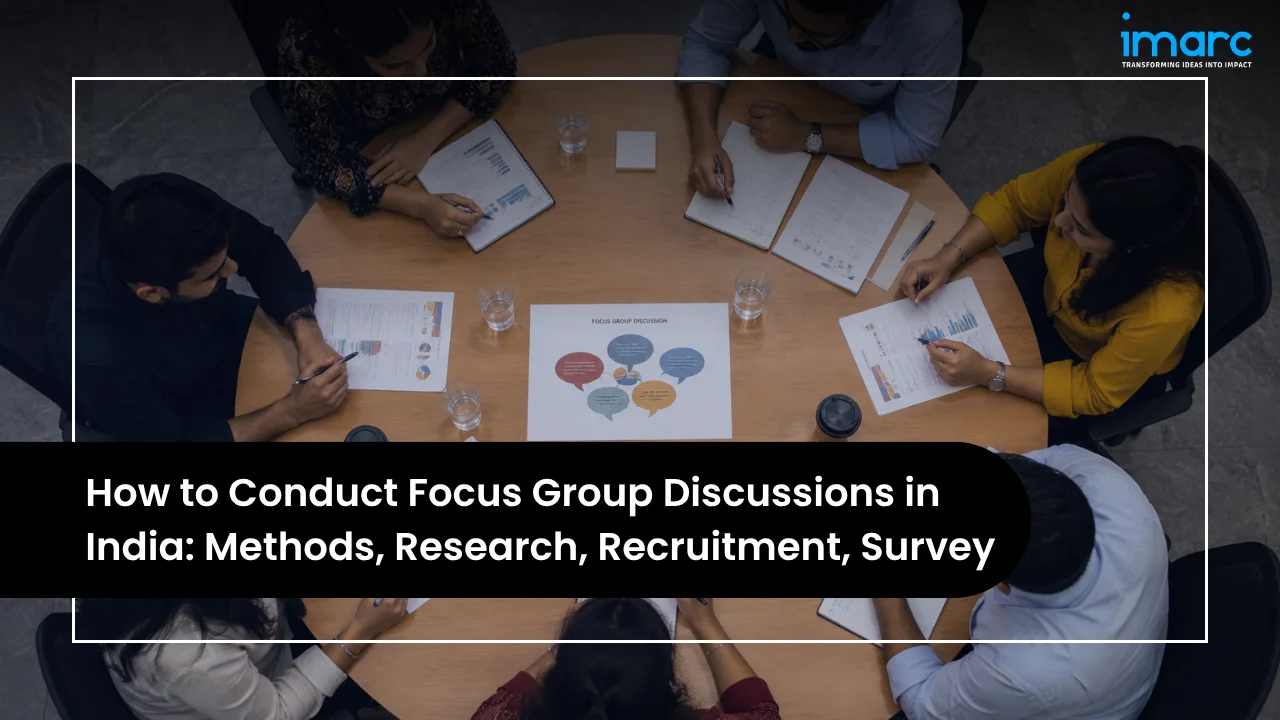
A Focus Group Discussion (FGD) is a structured, moderated conversation among 6–10 carefully recruited participants who share a relevant characteristic — product users, category prospects, healthcare patients, small business owners, or any defined audience. The FGD's power lies not in statistical representation but in the richness of spontaneous interaction: participants respond to each other, build on each other's ideas, and surface language, emotions, and decision logic that no survey could capture.
FGDs are widely used across the Indian market research industry for:
- Brand positioning and advertising concept testing
- New product development (NPD) and packaging evaluation
- Consumer journey and decision-making exploration
- Policy design and public health communication testing
- Employee and B2B stakeholder research
- Communication strategy for government and development sector programs
This guide is for marketing managers, category strategists, management consultants, NGO research teams, and anyone who needs to commission, oversee, or evaluate FGD research in India. It covers methodology, participant recruitment, costs, logistics, online FGDs, best practices, and how to avoid the most common mistakes.
2. Why Focus Group Discussions Matter in India
India's consumer psychology is shaped by factors that make qualitative research especially valuable — and especially complex:
-
Social Desirability Bias Runs High: Indian respondents, particularly in group settings, tend to give aspirational rather than honest answers. Skilled moderation is required to access authentic attitudes beneath the surface.
-
Oral Culture Dominates: Large segments of Indian society — especially in rural and semi-urban markets — communicate more comfortably and expressively in conversation than in written or structured formats. FGDs leverage this strength.
- Category Newness: India is home to hundreds of categories that consumers are encountering for the first time — health insurance, D2C skincare, quick commerce, electric vehicles. FGDs are the fastest way to map first-impression territory and uncover adoption barriers.
- Regional Heterogeneity: What resonates in Delhi bears little relation to what resonates in Coimbatore or Patna. FGDs allow brands to hear consumer language in the exact dialect, metaphor, and emotional register of each market.
- Joint Decision-Making: Indian purchase decisions, especially in categories like consumer durables, financial products, and healthcare, are often made jointly by families or communities. FGDs can simulate and explore this dynamic.
3. Types of Focus Group Discussions Used in India
The FGD format has evolved significantly in India, driven by digital adoption, geographic access challenges, and specialized research needs. Choosing the right format is the first and most consequential decision in FGD research design.
| FGD Type | Format | Participants | Best Used For |
|---|---|---|---|
| Traditional In-Person | Physical facility | 6–8 | FMCG concept testing, brand perception |
| Online FGD | Zoom / dedicated platform | 5–7 | Tier-1, urban professionals, tech users |
| Mini FGD (Triads / Dyads) | 2–3 participants | 2–3 | Sensitive topics, HNI, physician research |
| Mobile / WhatsApp Group | Async chat-based | 8–12 | Rural, Tier-2, low-literate audiences |
| In-Home / Ethnographic FGD | Respondent's home | 4–6 | Household decision-making, rural studies |
| Co-Creation Workshop | Collaborative format | 8–12 | NPD, packaging design, concept development |
Which Format to Choose?
- Urban FMCG, advertising, or concept testing: Traditional in-person FGD in a professional viewing facility remains the gold standard — observers behind the glass, full non-verbal capture, professional moderator.
- B2B, professional, or time-constrained respondents: Online FGDs are increasingly preferred by doctors, IT professionals, and senior executives who will not travel to a facility but will spend 90 minutes on a video call.
- Rural and low-literacy audiences: In-home ethnographic FGDs or community-based group discussions with visual stimuli, local moderators, and dialect-fluent interviewers are most effective.
- Sensitive topics (fertility, mental health, financial stress): Mini FGDs or dyads create a safer space and reduce social performance effects.
4. Focus Group Discussion Methodology in India
The FGD methodology encompasses the research design decisions that determine whether your groups yield genuine insight or conducted theatre.
Discussion Guide Development
The discussion guide is the FGD's intellectual scaffolding — a moderator's roadmap through the conversation. A well-constructed guide for a 90-minute FGD typically includes:
- Welcome and introduction (5 min): Ground rules, recording consent, moderator role.
- Warm-up and category entry (10 min): Open-ended questions to activate respondent thinking in the relevant category before any brand or product mention.
- Exploratory territory (20 min): Broad thematic exploration — purchase drivers, usage occasions, unmet needs, pain points.
- Stimulus exposure and reaction (25 min): Presentation of concept boards, packaging, advertising, or product prototypes. First reaction, then probing.
- Deep probe (20 min): Focus on key hypotheses — specific attitudes, price reactions, brand comparisons, emotional territory.
- Decision drivers and trade-offs (10 min): Forced prioritization exercises to surface what truly matters versus stated importance.
- Close (5 min): Final thoughts, anything participants hold back that they want to say.
Moderation Approach in Indian FGDs
The Indian FGD requires moderators who can navigate high social hierarchy sensitivity (senior participants dominating), gender dynamics (women deferring in mixed groups), regional communication styles (indirect in South India, more direct in Punjab), and the ever-present risk of groupthink in conformity-oriented cultures.
- Never use a neutral moderator for a vernacular study — regional cultural fluency is non-negotiable.
- For women-only or sensitive topic groups in Tier-2 and rural India, use same-gender moderators exclusively.
- Establish explicit equal-voice norms at the group's outset to reduce dominant-participant effects.
- Projective techniques — metaphor completion, personification, collaging — are powerful in Indian qualitative research to bypass rational filters and access emotional truth.
.webp)
5. Participant Recruitment in India
The quality of an FGD is entirely determined by the quality of its participants. Recruiting the wrong people — or the right people who give performed rather than genuine responses — produces useless data regardless of moderator skill.
Screener Design
A screener questionnaire determines who qualifies for participation. An effective India FGD screener includes:
- Category qualification: Recency of category use, purchase role (primary buyer vs. influencer), purchase frequency.
- Demographic quotas: Age, gender, NCCS, household composition as required by the research objectives.
- Exclusion criteria: Market research professionals, employees of competing brands, advertising or media industry workers (standard for commercial research).
- Articulation test: One or two open-ended questions administered during recruitment to assess the respondent's ability to express opinions clearly — crucial for FGD quality.
Recruitment Channels in India
- Research panels: Online and offline panels maintained by field agencies — fastest for Tier-1 and major Tier-2 cities. Quality varies enormously; ask for panel freshness and over-sampling rates.
- Field intercept recruitment: On-ground recruiters approaching respondents at malls, markets, or community hubs — the standard for Tier-2 and rural recruitment.
- Social media and WhatsApp: Effective for younger demographics and specific interest communities (e.g., fitness enthusiasts, startup founders, gaming audiences).
- Doctor/HCP/B2B recruitment: Typically done through professional associations, hospital contacts, or specialized B2B panels. Longer lead times and significantly higher incentives required.
- Community and NGO networks: Essential for rural FGDs — local self-help groups, panchayat networks, and ASHA workers facilitate access that no urban agency can replicate.
Tier-Wise Recruitment Considerations
Tier-1 Cities
Panel-based recruitment is fast and cost-effective. The risk is professional respondents who participate in multiple groups per month and have learned to perform expectations. Use strict exclusion criteria (no more than one FGD in the past 6 months) and detailed screener questioning.
Tier-2 Cities
Hybrid approach: panel for educated urban segments, field intercept for specific trade and semi-urban audiences. Local field agency presence is essential — central agency subcontracting to unknown local partners is a common cause of Tier-2 recruitment failure.
Rural / Tier-3
Community-based recruitment through local coordinators, panchayat endorsement, and SHG networks. Incentive structure must account for travel time and lost work opportunity. Provide at minimum one week's advance notice and clear, repeated communication of logistics.
Recruiting Niche Audiences in India
- High Net Worth Individuals (HNIs): Requires warm introductions through wealth management networks, luxury brand partnerships, or peer referrals. Cold recruitment almost always fails.
- C-Suite and Senior Management: LinkedIn outreach, professional association networks, research agency B2B panels. Incentives must be non-monetary (donation to charity, premium gift) or structured as professional consultation fees.
- Physicians and Healthcare Professionals: Medical council directories, hospital partnerships, CME event networks. Strictly regulated — OPPI guidelines apply.
- Farmers: Agricultural input dealers (who know their customer base), KVK (Krishi Vigyan Kendra) networks, FPO (Farmer Producer Organization) memberships.
- Gen Z (15–24 years): College campus recruitment, Instagram and YouTube community outreach, gaming platform networks.
6. How to Conduct a Focus Group Discussion in India — Step by Step
- Define Research Objectives: What specific questions must the FGDs answer? What decisions will the findings inform? Objectives must be precise enough to drive discussion guide development.
- Design the Research: Choose format (in-person vs. online), number of groups (typically 2–4 per segment), segment definitions (e.g., urban women 25–35 SEC A, rural male farmers 35–55), and geographic spread.
- Develop the Screener: Write screening criteria, exclusion criteria, and articulation test questions. Translate and back-translate if conducting in vernacular.
- Recruit Participants: Execute recruitment through appropriate channels for each tier. Over-recruit by 20–25% to account for no-shows (in India, a 15–25% no-show rate is standard even with confirmed participants).
- Develop the Discussion Guide: Structure the 90-minute conversation with warm-up, exploratory, stimulus, and closing phases. Design in English, translate to target language, review with local moderator.
- Prepare Stimuli: Develop concept boards, packaging mockups, advertising animatics, or product samples as relevant. India-specific visual adaptation is essential — images, names, and scenarios must be culturally grounded.
- Set Up the Facility or Platform: For in-person: book viewing facility with two-way mirror, recording equipment, translation booth if needed. For online: test platform, set up recording, prepare digital stimuli sharing protocol.
- Conduct the Groups: Moderator leads the discussion; back-room team observes, takes notes, and may pass probing questions via the facility intercom. Record all groups with participant consent.
- Debrief Immediately Post-Group: Moderator and back-room team debrief within 30 minutes of each group to capture fresh observations before analysis begins.
- Transcribe and Translate: Full verbatim transcription of all groups. Translate vernacular transcripts to English for analysis if required.
- Analyze and Report: Thematic analysis coded to research questions. Strong FGD reports go beyond themes to provide insight — why the theme exists, what it implies for the brand, and what actions it supports.
.webp)
7. Indicative Cost of Conducting Focus Group Discussions in India
FGD costs in India vary by format, geography, respondent type, and the depth of analysis required. The table below provides indicative cost ranges per group for 2026. These are market estimates — actual costs depend on project complexity, vendor selection, and respondent specifications.
| Cost Component | Online FGD | In-Person Tier-1 | In-Person Tier-2 | Rural / In-Home |
|---|---|---|---|---|
| Facility / Platform | INR 3,000–INR 8,000 | INR 15,000–INR 30,000 | INR 10,000–INR 20,000 | INR 0–INR 5,000 |
| Moderator Fee | INR 12,000–INR 25,000 | INR 20,000–INR 40,000 | INR 15,000–INR 30,000 | INR 15,000–INR 30,000 |
| Recruitment + Incentives | INR 8,000–INR 15,000 | INR 15,000–INR 25,000 | INR 10,000–INR 20,000 | INR 8,000–INR 18,000 |
| Translation / Interpretation | INR 5,000–INR 10,000 | INR 5,000–INR 10,000 | INR 5,000–INR 12,000 | INR 8,000–INR 15,000 |
| Recording & Transcription | INR 4,000–INR 8,000 | INR 5,000–INR 10,000 | INR 4,000–INR 8,000 | INR 4,000–INR 8,000 |
| Analysis & Reporting | INR 15,000–INR 30,000 | INR 20,000–INR 40,000 | INR 15,000–INR 30,000 | INR 15,000–INR 30,000 |
| TOTAL (per group) | INR 20,000–INR 45,000 | INR 40,000–INR 80,000 | INR 30,000–INR 60,000 | INR 50,000–INR 90,000 |
Note: These are indicative cost only and may vary project to project.
Project-Level Cost Considerations
- A typical qualitative study for a mid-size brand involves 4–6 FGD groups across 2–3 cities, costing INR 2–5 lakhs all-inclusive (recruitment, moderation, facility, analysis, reporting).
- A nationwide multi-tier study (Tier-1 + Tier-2 + rural) with 8–12 groups costs INR 5–12 lakhs depending on geographic spread and respondent complexity.
- Specialist audience studies (HCPs, HNIs, C-suite) in 4–6 groups cost INR 8–20 lakhs due to incentive premiums and recruitment difficulty.
Note: These are indicative cost only and may vary project to project.
8. Logistics and Infrastructure for FGDs in India
In-Person Viewing Facilities
- India's major metros have established research viewing facilities equipped with two-way mirrors, recording systems, translation booths, and client observation rooms. Key facility hubs: Mumbai (Andheri, Bandra), Delhi NCR (Gurugram, Connaught Place), Bengaluru (Koramangala, Whitefield), Chennai (Anna Nagar, OMR), Hyderabad (Banjara Hills, Hitec City).
- In Tier-2 cities, purpose-built facilities are rare. Research agencies typically use hotel conference rooms or local offices adapted for the purpose — adequate for most studies but without two-way mirror capability. Budget for client travel to Tier-2 cities or plan for live video streaming of in-room moderation.
Rural FGD Infrastructure
Rural groups have no facility infrastructure — they happen in community centers, schools, panchayat halls, or respondents' homes. Key logistics to plan:
- Transportation: Field team transport from nearest urban hub (often 2–4 hours’ drive from Tier-2 city).
- Power: Portable battery packs for device charging, consistent audio recording even in power-unstable environments.
- Privacy: Selecting a space where male gatekeepers cannot observe women's groups is critical for genuine participation.
- Recording consent: Local language consent forms and verbal consent protocols, with emphasis on purpose and confidentiality.
Participant Management
- Confirm all participants 48 hours and 4 hours before the group. WhatsApp confirmation with location pin is now standard.
- Over-recruit by 20–25% and have replacement participants on standby. In India, a full group of 8 requires confirming 10–11 recruits.
- For morning groups, account for traffic in metros — 9:30 AM is safer than 9:00 AM in Mumbai or Delhi.
- Provide clear directions in the local language. GPS pin sharing via WhatsApp has dramatically reduced late arrivals.
9. Online Focus Group Discussions in India
The COVID-19 pandemic accelerated online FGD adoption in India by several years. By 2026, online FGDs are standard practice for Tier-1 and educated Tier-2 audiences, representing approximately 40% of all FGD activity in metros.
Platforms Used
- General video platforms: Zoom (most common), Microsoft Teams, Google Meet — adequate for basic online FGDs but lack dedicated research features.
- Dedicated qualitative platforms: QualBoard, Fieldwork Online, Discuss.io, Focus Vision — offer whiteboard tools, digital card sorting, real-time polling, and back-room chat for observers.
- WhatsApp-based async FGDs: For reaching low-data, Tier-2 and rural respondents. Participants share voice notes, images, and text responses over 2–3 days — less interactive but more accessible.
Advantages of Online FGDs for India
- Access to professionals and senior respondents who will not attend in-person groups.
- Pan-India geographic coverage from a single session — participants from Mumbai, Bengaluru, and Chennai in one group.
- Lower cost per group (30–40% savings versus in-person).
- Auto-transcription and AI-assisted analysis tools integrate directly with most platforms.
- Observers join without travel cost or location logistics.
Limitations and When to Avoid Online
- Not suitable for rural, elderly, or low-digital-literacy respondents.
- Non-verbal data loss is significant — body language, product-handling behavior, and peer dynamics are harder to read on video.
- Stimulus presentation is less immersive — physical packaging, product texture, or sensory experiences cannot be replicated.
- Technical dropouts are common in low-bandwidth locations; always have backup connectivity protocols.
10. Best Practices for Conducting FGDs in India
Before the Groups
- Pilot the discussion guide with 2–3 internal stakeholders or research team members to identify unclear questions and timing issues.
- Localize all stimuli culturally — names, scenarios, imagery, and pricing examples must feel native to the target community.
- Brief your client observers: their role is observation, not participation. Backroom whispers via intercom must be sparing and structured.
- Have a session plan B: backup online link, replacement respondents on standby, duplicate stimuli copies.
During the Groups
- Moderator's opening sets everything: establish a genuine, equal-voice environment in the first five minutes or the group dynamic is set for the session.
- Probe relentlessly for specificity: 'Why do you say that?', 'Can you give me an example?', 'What would have to be different for you to change?'
- Manage dominant participants without embarrassing them — redirect, not suppress.
- Watch for 'rational override': when participants start explaining their feelings rather than expressing them, projective techniques bring back emotional honesty.
- India-specific watch-out: Agreement in groups often masks private disagreement. Use individual written responses before group discussion for sensitive topics.
After the Groups
- Immediate post-group debrief is non-negotiable — this is where the most valuable pattern recognition happens while experiences are fresh.
- Full verbatim transcripts beat summary notes every time — analysis from summaries consistently misses nuance.
- A strong analysis report provides three layers: what participants said, what they meant, and what it implies for the client's decision.
11. Advantages and Limitations of FGDs
Advantages
- Depth and texture: FGDs produce the consumer language, metaphors, and emotional associations that quantitative research can only approximate.
- Group dynamics as data: The way participants agree, disagree, qualify, and challenge each other is itself insight — it mirrors real-world social influence on purchase decisions.
- Speed of discovery: A well-run 4-group study across two cities can generate the hypothesis set that would take months to construct through surveys.
- Stimulus testing efficiency: Multiple concepts can be evaluated and compared in a single FGD that would require separate survey studies for each.
- Adaptive questioning: Unlike surveys, FGDs allow real-time follow-up on unexpected territory.
Limitations
- Not statistically representative: FGD findings cannot be projected to a population. 'Most participants in our Bengaluru group said...' is not the same as '68% of Bengaluru consumers prefer...'
- Groupthink risk: Vocal or high-status participants can pull group consensus away from individual truth. Skilled moderation reduces but cannot eliminate this.
- Moderator dependency: The quality of insight is significantly moderated by the moderator's skill — an inexperienced or culturally mismatched moderator can corrupt data quality.
- Not projectable across India: Four groups in Mumbai do not represent India. Geography and cultural variation must be explicitly acknowledged in scope and reporting.
12. Common Challenges in Indian Focus Group Discussions
Social Desirability Bias: India's collectivist culture creates powerful pressure to give socially acceptable answers. Respondents will tell a moderator they exercise daily, save money responsibly, and make considered purchase decisions — when behavior data says otherwise. Mitigation: projective techniques, behavioral anchoring ('Tell me about the last time you actually bought...'), and individual written responses before group discussion.
Gatekeeper and Gender Dynamics: In mixed-gender groups and in conservative markets, women defer to men. Male heads of household attend groups meant for female respondents and answer on their behalf. Mitigation: strict same-gender groups for women-targeted studies, female moderators, and facility screening to exclude accompanying family members.
Language and Dialect Variation: A 'Hindi-speaking' group in Delhi includes native UP, Rajasthani, and Bihari Hindi speakers with meaningfully different vocabulary and cultural references. In South India, English-medium education means urban consumers often code-switch mid-sentence. Mitigation: moderators fluent in regional dialects, code-switching accepted and encouraged, transcripts capturing original language with translation notes.
Professional Respondents: India's major metros have a significant population of 'research professionals' — individuals who participate in multiple FGDs per month across agencies and have learned to perform expected roles. Mitigation: strict cross-agency exclusion periods, detailed screeners, articulation tests that are hard to perform, and respondent database cross-checks.
Sensitive Categories: In India, topics involving financial stress, health (especially reproductive and mental health), caste, or political views are significantly more sensitive than in most Western markets. Standard group discussion formats often fail here. Mitigation: mini FGDs or individual in-depth interviews, same-community moderators, explicit confidentiality protocols.
13. Focus Group Discussions vs. Surveys: Which Is Better?
The honest answer is neither is universally better. They answer different questions at different stages of the research journey. The most powerful research programs use both — FGDs to explore and hypothesize, surveys to validate and quantify.
| Dimension | Focus Group Discussion | Consumer Survey |
|---|---|---|
| Research Type | Qualitative | Quantitative |
| Sample Size | 6–12 per group | 300–2,000+ |
| Output | Themes, insights, language | Percentages, statistics, trends |
| Depth | Deep, exploratory | Broad, representative |
| Cost per Insight | Higher | Lower at scale |
| Timeline | 2–4 weeks | 3–8 weeks |
| Best For | Why & how questions | How many & which questions |
| Generalizability | Low | High |
| Ideal Stage | Early discovery, concept testing | Validation, sizing, tracking |
14. Emerging Trends in Indian FGD Research 2026
- AI-Assisted Moderation: Real-time sentiment analysis tools are increasingly being used by back-room observers to flag emotional intensity shifts and prompt moderators to probe specific moments. This does not replace moderator judgment but supplements it significantly.
- Async Digital FGDs: Platforms that run discussions over 3–5 days via text, video snippets, and images are gaining adoption in India for hard-to-recruit audiences. Particularly effective for C-suite and HCP research where 90-minute synchronous availability is impossible.
- AI Transcription and Thematic Coding: Indian-language AI transcription has improved dramatically — Hindi, Tamil, Telugu, and Marathi accuracy is now sufficient for analysis. Human review remains essential, but the speed of analysis has compressed from weeks to days.
- Mobile Ethnography Integration: FGDs are increasingly paired with pre-group mobile ethnography tasks — participants document their purchase behavior, pantry contents, or media consumption via their phones before attending the group. This behavioral context dramatically enriches discussion quality.
- DPDPA-Compliant Consent Platforms: Digital consent management for FGD participants — covering recording, data storage, third-party sharing, and right to erasure — is now a standard procurement requirement for large-brand clients.
- Virtual Reality Stimulus Testing: For high-investment categories (automotive, real estate, retail store design), VR stimulus testing in FGD settings is emerging in Tier-1 India, allowing respondents to experience a store, vehicle, or apartment before purchase.
15. Why Choose IMARC Group for FGD Research in India
Our FGD Research Capabilities
- Pan-India qualitative network: Moderation and recruitment capabilities across 50+ cities, including Tier-2 and rural markets.
- Multilingual moderation: Native-speaker moderators in Hindi, Tamil, Telugu, Kannada, Marathi, Bengali, Gujarati, and more.
- Sector specialization: Dedicated teams for FMCG, healthcare and pharma, financial services, agriculture, technology, and retail qualitative research.
- Online FGD platform: Proprietary setup for online qualitative research with real-time back-room observation, stimulus sharing, and auto-transcription.
- Insight-led reporting: IMARC reports go beyond themes and quotes to deliver actionable brand and business implications.
- DPDPA 2023 compliant: All participant data handled under India's data protection regulations with documented consent architecture.
- End-to-end delivery: From screener design and recruitment through moderation, transcription, analysis, and strategic reporting.
Whether you need two groups with Mumbai's NCCS A mothers or six in-home rural FGDs with UP farmers, IMARC Group brings the local expertise, methodological rigor, and insight capability to make your qualitative research count.

Frequently Asked Questions:
Q: How many participants are ideal for an FGD in India?
The standard recommendation is 6–8 participants for in-person groups and 5–7 for online FGDs. Fewer participants per group allows deeper discussion — a group of 10 gives each person less than 9 minutes of talk time in a 90-minute session. For sensitive topics or specialized audiences (HNIs, C-suite), triads or dyads (2–3 participants) often produce better data than larger groups.
Q: What is the typical duration of an FGD?
Standard FGDs run 90 minutes in India — slightly longer than the global norm of 75–90 minutes, because Indian conversations take longer to warm up and move from polite social performance to genuine expression. Stimulus-heavy concept testing groups may run 2 hours. Always allow 30 minutes after the session for the backroom debrief.
Q: How long does recruitment take?
For standard audiences in Tier-1 cities with an established panel, 5–7 business days is typical. Tier-2 recruitment via field intercept requires 7–10 days. Rural recruitment through community networks needs 10–14 days minimum. Specialist audiences (physicians, HNIs, rural women) should be budgeted at 2–3 weeks. Always build an additional 3–5 days buffer for no-show replacement.
Q: Are online FGDs as effective as in-person ones?
For urban, educated, and tech-comfortable audiences: yes, with minor trade-offs in non-verbal data and group chemistry. For physical product testing, rural audiences, low-literacy respondents, or highly sensitive topics: no — in-person is essential. The best approach is to choose the format based on your target audience, not your convenience. When in doubt, use in-person for the first round of groups on a new topic.
Q: What is the average cost of an FGD in India?
Costs range from INR 20,000–INR 45,000 per group for online FGDs with urban professional audiences to INR 50,000–INR 90,000 per group for in-home rural sessions. A full qualitative study with 4–6 groups, including recruitment, moderation, facility, analysis, and reporting, typically costs INR 2–8 lakhs depending on tier and audience. Specialist audience studies (HCPs, HNIs) command premiums of 2–3x standard rates.
Our Clients









Contact Us
Have a question or need assistance?
Please complete the form with your inquiry or reach out to us at
Phone Number
+91-120-433-0800+1-201-971-6302
+44-113-547-7077
Previous Post

The global camping tent market has evolved into a significant segment within the outdoor and recreational equipment industry, reflecting changing consumer preferences, sustainability priorities, and lifestyle shifts. Traditionally associated with adventure tourism and leisure activities, camping tents have now become integral to outdoor experiences that emphasize mobility, comfort, and environmental awareness. Their growing relevance is driven by a blend of technological innovation, material advancements, and an expanding base of consumers seeking nature-driven recreation.
Aluminum cookware and kitchenware are popular cookware and kitchenware items produced mainly with high-purity aluminum, which are light in weight, have high heat conductivity, and are resistant to corrosion. Aluminum utensils involve a wide array of products ranging from pots, pans, pressure cookers, frying pans, serving trays, ladles, and baking dishes. Aluminum's superior heat distribution has the ability to distribute heat evenly, thus saving energy, and hence is a popular choice for both household and commercial kitchens.
Seamless tubes consist of high-strength, hollow cylindrical products that are produced without welds with uniform structure and higher mechanical performance. Made from solid steel billets using extrusion and piercing operations, seamless tubes boast high dimensional precision, good resistance to pressure, and the capacity to handle high temperature and corrosive environments. Seamless tubes can be made in carbon steel, alloy steel, and stainless-steel grades based on the application.
In an era of rising energy costs and increasing environmental awareness, businesses must optimize their utility consumption to reduce expenses and enhance sustainability. Utility cost and energy efficiency audits give an in-depth examination of energy consumption, highlighting areas where there are inefficiencies and suggesting practical solutions for reducing costs and optimizing day-to-day operations.
Seamless digital documentation and ERP integration are important in today's data-driven business landscape to ensure operational effectiveness, adherence to regulations, and data-driven decision-making.
Discover a complete guide to setting up a manufacturing plant in Japan, including key steps, site selection, government incentives, and industry insights.
Explore key steps, costs, and compliance tips for setting up a manufacturing plant in the Saudi Arabia. A complete guide for investors and entrepreneurs.
Explore key steps, incentives, costs, and compliance tips for setting up a manufacturing plant in the Germany. A complete guide for investors and entrepreneurs.
On-site technical support and troubleshooting services offer real-time, expert solutions to fix intricate technical problems at your business site. On-site services guarantee minimal downtime, maximum system efficiency, and uninterrupted operations by sending experienced technicians directly to your location.
Environmental compliance audits are formal assessments of an organization's compliance with environmental rules, policies, and best practices. Environmental compliance audits assist companies in discovering latent risks, maintaining compliance with legislation, and making sustainable operating enhancements.
Green Building Certification Support services aid companies in obtaining prestigious sustainability certifications like LEED (Leadership in Energy and Environmental Design) and IGBC (Indian Green Building Council).
With the extremely regulated business world today, proper documentation and technical file preparation are essential for product compliance, market access, and quality assurance. Our Documentation and Technical File Preparation services offer intensive support to companies facing intricate regulatory requirements in various global markets.
Warranty and AMC coordination services refer to the process of managing and optimizing warranty claims, maintenance contracts, and after-sales support for companies. They provide smooth coordination between manufacturers, service providers, and customers, increasing customer satisfaction and operational efficiency.
Fire safety and security system design services entail the careful planning, development, and deployment of systems to safeguard people, property, and assets against fire risks and security threats.
In today’s competitive and compliance-driven environment, businesses cannot afford quality lapses, recurring errors, or regulatory non-conformance. Whether in manufacturing, life sciences, energy, or services, Corrective and Preventive Action (CAPA) systems are vital for continuous improvement and risk mitigation. At IMARC Group, we provide strategic CAPA Support Services to help organizations systematically identify, resolve, and prevent quality issues—enhancing productivity, safety, and customer satisfaction.
Civil, Structural, and MEP (Mechanical, Electrical, Plumbing) Design and Verification services involve the holistic planning, design, and validation of infrastructure projects to ensure safety, performance, and adherence to regulatory requirements. These services are essential to build resilient and efficient buildings, industrial premises, and city infrastructure.
In today’s competitive and fast-paced industrial environment, unplanned downtime can significantly disrupt operations and inflate costs. Preventive Maintenance Planning (PMP) offers a proactive approach to asset management - ensuring that equipment, machinery, and infrastructure are serviced regularly to prevent unexpected failures.
Land acquisition and legal due diligence services encompass the detailed process of finding, assessing, and acquiring land parcels for business growth, industrial ventures, or property development. These services confirm that the land is legally sound, unencumbered by disputes, and in line with the client's strategic interests. Through careful due diligence, companies can avoid risks, steer clear of legal traps, and make sound judgments when it comes to land investments.
In today’s hypercompetitive global market, organizations are under constant pressure to boost efficiency, reduce costs, and maximize output. However, improving productivity is not about working harder—it's about working smarter. Productivity Benchmarking and Optimization is a strategic approach that empowers businesses to compare performance metrics, identify gaps, and implement best practices tailored to their industry. At IMARC Group, we provide actionable insights through data-driven benchmarking and optimization strategies to help organizations transform performance into a long-term competitive advantage.
Discover a complete guide to setting up a manufacturing plant in Vietnam, including key steps, site selection, government incentives, and industry insights.
Step-by-step semiconductor manufacturing guide covering wafer production, photolithography, etching, deposition, testing, and the global supply ecosystem.
Process optimization and lean consulting solutions enable companies to streamline operations, eliminate waste, and maximize efficiency in their value chain. Through Lean techniques and continuous improvement practices, we empower organizations to increase productivity, decrease costs, and improve quality, turning operations into competitive strengths.
Explore a step-by-step guide to setting up a paper bag manufacturing plant, including planning, machinery, raw materials, costs, and marketing strategies.
Explore a detailed guide on establishing a manufacturing plant in the UAE, including incentives, legal steps, costs, and strategic industry insights.
In industries where accuracy and compliance are critical, equipment calibration and vendor coordination form the foundation of reliable operations. Whether in production, pharmaceuticals, energy, or research, calibration of equipment ensures accuracy, quality, and compliance with regulatory requirements. At the same time, successful coordination with vendors provides timely service, technical support, and supply chain effectiveness. At IMARC Group, we offer end-to-end calibration and coordination services that help businesses minimize downtime, reduce errors, and maintain operational excellence.
In today's fast-evolving industrial landscape, organizations from various end-use industries are quickly embracing automation and digital monitoring to gain real-time insights, enhance productivity, maintain safety, as well as reduce costs. From smart factories to the digitally enabled energy systems, Industry 4.0 is no longer an option—it is a strategic necessity. Using our services at IMARC Group, we help businesses in identifying, evaluating, as well as implementing tailored automation and digital monitoring solutions that enhance efficiency and long-term sustainability.
Equipment Relocation & Reinstallation services provide secure, efficient, and disruption-minimal transportation of equipment, production lines, and vital assets to new locations. Our turnkey solutions reduce downtime, safeguard precious equipment, and ensure operational readiness after the move, be it for plant growth, site consolidation, or process improvement.
Regulatory approval and licensing entail seeking formal permission from authorities to produce, distribute, or offer products and services in target markets. The procedure depends on the industry, geography, and type of product and may demand careful paperwork, compliance with standards, and extensive testing or inspections.
Explore key steps, incentives, costs, and compliance tips for setting up a manufacturing plant in the US. A complete guide for investors and entrepreneurs.
As industries evolve and operational lifecycles conclude, responsible decommissioning and site closure have become essential components of environmental stewardship and regulatory compliance. Whether it’s an industrial plant, mine, manufacturing unit, or energy facility, decommissioning is not just about shutting down—it's about doing so sustainably, safely, and in alignment with legal and community obligations.
Quality audit services are critical for companies with the objective of upholding high standards, compliance with regulations, and maximizing operational effectiveness. The services entail a rigorous review of processes, products, and systems for purposes of ensuring compliance with quality standards, industry practices, and statutory requirements. Through rigorous audits, firms can detect weaknesses, minimize risks, and undertake remedial measures to better overall performance and customer satisfaction.
Effective spare parts planning and inventory setup are vital for ensuring uninterrupted operations, minimizing downtime, and optimizing costs. Whether you're managing a manufacturing facility, utility infrastructure, or industrial fleet, maintaining the right stock of critical spare parts is essential. At IMARC Group, we help organizations build resilient spare parts strategies through advanced data-driven planning, industry benchmarking, and feasibility assessments.
In today’s highly regulated industrial and commercial environment, Standard Operating Procedures (SOPs) serve as the backbone of compliance, quality, and operational integrity. For businesses across sectors like pharmaceuticals, healthcare, manufacturing, and food processing, adherence to SOPs is not just about maintaining internal discipline—it’s about meeting rigorous external regulatory expectations.
Health and safety compliance audits are organized reviews of workplace conditions, policies, and practices to confirm compliance with occupational safety standards and industry best practices. These audits enable companies to discover potential hazards, reduce risks, and ensure compliance with local and global safety standards, promoting a secure and productive work environment.
Our workforce planning and technical staffing solutions enable companies to create nimble, future-fit teams by linking talent strategies and business goals. We excel at identifying, recruiting, and retaining high-caliber technical talent for operational excellence and innovation in various industries.
Overall Equipment Effectiveness (OEE) is an essential metric used to assess manufacturing efficiency based on the performance of equipment in three significant factors: Availability, Performance, and Quality. Our OEE Improvement Services assist organizations in detecting inefficiencies, removing production losses, and maximizing operational performance to achieve increased productivity and profitability.
In an era defined by rapid industrialization, urban expansion, and climate consciousness, Environmental Impact and Sustainability Studies have emerged as critical tools for responsible decision-making. Governments, investors, and corporations are under growing pressure to adopt sustainable practices that align with global environmental standards. At IMARC Group, we bridge this need by offering comprehensive market intelligence and prefeasibility studies with a dedicated focus on environmental impact and sustainability.
3D modeling and simulation technologies, especially Digital Twins, now serve as laboratories for operational efficiency, product innovation, and predictive maintenance in the era of the digital transformation propelling the industry's evolution. These latest developments permit real-time monitoring and optimization for the lifecycle of any physical asset, system, or process by providing a virtual rendering.
Post-commissioning performance validation is an essential process for guaranteeing that newly commissioned systems, equipment, or facilities are performing as desired, according to design specifications, regulatory requirements, and performance criteria.
Pilot plant setup and evaluation services include designing, building, and running small-volume manufacturing plants for the purpose of testing and proving processes prior to full-scale commercial development. Pilot plant services fill the gap between laboratory experimentation and plant production so that companies can prove technology, determine feasibility, and avoid risk before committing substantial capital.
In today’s dynamic industrial landscape, ensuring the health, safety, and environmental well-being of employees is more critical than ever. Environmental, health, and safety (EHS) training is becoming an essential aspect of responsible corporate practices. It promotes a culture of safety while also guaranteeing adherence to changing regulatory standards. At IMARC Group, we offer customized EHS training solutions aimed at assisting organizations in reducing risk, improving compliance, and fostering robust safety cultures.
In today's dynamic market environment, businesses are under constant pressure to minimize costs, enhance efficiency, and meet customer expectations without overstocking or understocking. At IMARC Group, our Inventory Optimization and Stock Planning Services aim to equip organizations with data-informed insights and practical strategies that effectively align supply with demand.
In today’s fast-paced and highly competitive marketplace, businesses are under increasing pressure to optimize operations, reduce environmental footprints, and comply with evolving regulatory requirements. Equipment Lifecycle Assessment Services (ELAS) offer an all-encompassing method for assessing the efficiency, expenses, ecological effects, and overall sustainability of machinery and equipment for its complete lifespan—from acquisition to disposal.
In today’s hyper-regulated global economy, the difference between a successful market entry and a costly delay often comes down to one word: compliance. Whether you're manufacturing pharmaceuticals, exporting packaged food, or launching consumer electronics, aligning your processes with regulatory standards isn't optional—it's mission-critical.
Multi-vendor coordination and integration services involve the strategic management and seamless unification of multiple vendors, suppliers, and service providers to ensure cohesive operations and optimized performance for your business.
In industries where even the slightest environmental variation can compromise product integrity, the role of clean rooms and cold chain systems becomes paramount. From life-saving pharmaceuticals to temperature-sensitive vaccines and high-precision semiconductors, these operations demand absolute control over air quality and temperature.
In a world where environmental footprint is on the global agenda, waste management has emerged as the defining feature of responsible business and governance. Waste is no longer an afterthought as it used to be. Now it's at the forefront of policy formulation, sustainability reporting, and operational planning.
Establishing a temporary site office and providing utility services requires having fully furnished temporary office facilities with minimal infrastructure to support business operations in remote or project-oriented areas. The establishment of a temporary site office and provision of utility services also provides businesses with an expert working environment that has the necessary utilities, allowing them to focus on temporary work assignments, construction ventures, or expanding into new markets.
In a landmark achievement, India has surpassed Japan to become the world’s fourth-largest economy in 2025, with a nominal GDP of $4.187 trillion, according to the International Monetary Fund (IMF). This milestone, driven by robust growth, strategic reforms, and favorable global conditions, positions India as a global economic powerhouse, trailing only the United States, China, and Germany. As India celebrates this ascent, the nation sets its sights on overtaking Germany to claim the third spot by 2028. Join us as we explore the drivers, implications, and future prospects of India’s economic rise.
In an age defined by resource efficiency, regulatory scrutiny, and rising operational costs, utilities planning is no longer an afterthought—it is a strategic imperative. Whether it's ensuring uninterrupted power in a data center, maintaining air quality in a hospital, or optimizing water and steam systems in a manufacturing plant, intelligent utility planning is the hidden force behind seamless operations.
Raw material sourcing and import advisory services entail the strategic activity of sourcing, screening, and procuring quality raw materials from both local and foreign suppliers. These services help companies obtain cost-effective, dependable, and compliant sources of materials to facilitate smooth production and supply chain operations.
Construction management services, powered by deep market intelligence, provide comprehensive oversight across the entire lifecycle of a construction project—from pre-construction planning to final handover. At IMARC, we integrate data-driven insights into supplier benchmarking, cost forecasting, and regulatory trends to support efficient execution and strategic decision-making.
In a volatile global economy, risk is no longer a question of if but when. Whether it's regulatory changes, supply chain disruptions, cyber attacks, or environmental issues, companies in various industries face uncertainties that can halt growth and profitability. It is here that Risk Assessment and Mitigation Planning Services are no longer a safety measure but a strategic imperative.
Organizations tend to outgrow the facilities that they already have with the fast-paced and ever-changing world of business today. It may be because of growing production requirements, expansion of new markets, or merely maximizing operational efficiencies, facility expansion is always a key component of long-term business planning. Moreover, expanding the facility is not just about expanding space it is about aligning future objectives with infrastructure, reducing risks, and maximizing return on investment.
Vendor auditing and compliance verification are essential procedures for companies that depend on vendors of raw materials and machinery to ensure product quality, operational effectiveness, and regulatory compliance. Vendor auditing is the systematic assessment of vendors to meet specified standards in quality control, financial strength, compliance with laws, and operational dependability. Through careful auditing, companies can manage risks, increase supply chain transparency, and promote long-term, reliable vendor relationships.
In the competitive business environment of the present times, completing projects successfully depends on precise planning and financial management. Project scheduling and cost estimation services are important elements that assist companies in mapping timelines, allocating resources optimally, and estimating project budgets accurately. These services enable organizations to have a systematic mechanism for managing projects, minimizing delays, cost overruns, and scope creep, thereby delivering the project on scheduled time and within the budgeted funds.
In the current competitive and regulation-focused business environment, companies must continuously provide quality, uphold compliance standards, and enhance operational efficiency. A key facilitator for achieving these goals is a Standard Operating Procedure (SOP) - a documented collection of detailed instructions aimed at assisting teams in executing regular tasks reliably and effectively. At IMARC Group, we focus on developing personalized SOPs designed for particular industries and business requirements, guaranteeing your operations stay efficient, adaptable, and compliant.
Installation supervision and equipment commissioning are critical phases in the successful delivery of any capital project. They confirm that equipment, systems, and infrastructure are installed based on technical specifications and run safely and efficiently from their earliest possible start. These services facilitate the identification and rectification of defects early on, cutting down delays, preventing expensive rework, and decreasing long-term operational risks. As industrial projects increase in complexity, proper supervision and formal commissioning are critical to achieve performance goals, comply with regulations, and optimize the return on investment. This process is the basis for dependable, efficient, and safe operations in a broad range of industries.
Contract manufacturer identification services involve the process of locating, evaluating, and selecting reliable manufacturing partners capable of producing goods according to your specifications, quality standards, and business requirements. These services ensure seamless production, cost efficiency, and scalability by identifying manufacturers that align with your operational goals, regulatory compliance, and market demands.
The Bill of Materials (BOM) is a crucial document in the manufacturing process, providing a comprehensive list of all the components, materials, assemblies, and sub-assemblies needed to manufacture a product. BOM preparation services are designed to ensure that every detail of the manufacturing process, from raw materials to finished products, is properly accounted for and organized. At IMARC Group, we offer expert BOM preparation services that help manufacturers streamline production, reduce errors, and optimize costs.
Penetrating new markets is a vital business growth strategy, but it is also fraught with challenges when extending into foreign markets where there are varying regulatory regimes, cultural sensitivities, and business conventions. Perhaps one of the most reliable ways to avoid these challenges is through finding local partners or joint ventures. Local Partner or Joint Venture Identification Services offer companies the necessary assistance required to identify the appropriate local entities that can assist them in overcoming these complexities, driving growth, and realizing operational success in a new market.
On construction and infrastructure projects, on-site delivery of work is a critical aspect to be managed in a manner that projects are delivered on time, within budget, and as per defined quality standards. Site Supervision and Civil Execution Oversight Services aim to ensure that the entire process of construction, starting from planning to execution, adheres to safety requirements, laws, and project specifications. Such services include carefully tracking site work, coordinating contractors, managing resources, and monitoring daily operations to prevent risks and maximize the implementation process.
India and United Kingdom have announced the successful conclusion of a mutually beneficial India – UK Free Trade Agreement (FTA). This forward-looking Agreement is aligned with India’s vision of Viksit Bharat 2047 and complements the growth aspirations of both the countries.
Plant layout and process flow design services optimize the physical arrangement of equipment, workflows, and operational systems within industrial facilities. These services enhance productivity, minimize costs, and ensure seamless material and personnel movement, tailored to your production goals and industry standards.
Procurement Strategy and Cost Benchmarking Services play a pivotal role in optimizing an organization's procurement processes, ensuring that the company gets the best value for its investments. In a world where cost efficiency, sustainability, and strategic sourcing are critical, these services offer businesses the necessary tools to improve their procurement operations and strengthen their competitive position. By offering insights into industry standards, historical data, and best practices, organizations can make informed decisions to streamline their supply chain management, reduce costs, and increase operational efficiency.
In today’s competitive business environment, expanding into new markets or establishing new manufacturing facilities requires careful navigation through local regulations, licensing processes, and government incentives. This is where Industrial Licensing and Incentive Advisory Services come into play. These services guide businesses through the complex regulatory landscape and help them access valuable incentives offered by governments to promote industrial growth.
In today's globalized and competitive market, businesses are constantly seeking ways to improve their supply chain operations. One critical element of a successful supply chain strategy is identifying and evaluating the right suppliers. Supplier Identification and Evaluation Services help businesses find reliable suppliers who can meet their quality, cost, and delivery expectations. At IMARC Group, we offer comprehensive services to guide businesses through the complex supplier selection process, ensuring they partner with the most suitable suppliers to drive efficiency and growth.
Capital Expenditure (CapEx) and Operating Expenditure (OpEx) represent two fundamental pillars of corporate financial management. Capital Expenditure (CapEx) covers investments in assets that fuel future growth—new machinery, property, or digital infrastructure. It builds long-term value, boosts capacity, and often attracts investor confidence.
Starting a new business or expanding an existing one involves substantial risk and investment. To steer through these intricacies, business corporations and entrepreneurs both bank on expert feasibility studies as well as full-fledged business planning services. At IMARC Group, we equip businesses with the insights and strategic tools they require to make informed, data-driven decisions.
Technology transfer services enable the smooth transfer of innovations, knowledge, and technical skills from universities, research institutions, or firms to business enterprises. This enables bridging the innovation-market gap such that advanced technologies are developed, scaled, and commercialized successfully.
In today’s complex project environments, the success of any venture—whether it's an industrial plant, residential development, or large-scale commercial project—largely hinges on the availability and adequacy of utilities and infrastructure. At IMARC Group, we provide utility and infrastructure evaluation services aimed at giving businesses a thorough insight into key support systems that contribute to operational efficiency and project feasibility.
For companies hoping to succeed and last, location analysis and site selection are essential procedures. This service offers a thorough analysis to determine the best geographical areas and sites suited to a client's particular operational requirements and strategic goals. To make sure our recommendations are in complete harmony with your vision, we thoroughly examine your business model, target market, logistical needs, and growth goals.
Distribution partner identification services involve the process of locating, assessing, and selecting reliable and capable partners to distribute your products or services in targeted markets. These services aim to ensure efficient supply chain management, seamless market entry, and expanded business reach by identifying partners that align with your business goals and market requirements.