Generic Injectables Plant Setup Cost in India: Manufacturing Process Flow, Machinery, DPR & Financial Model 2026
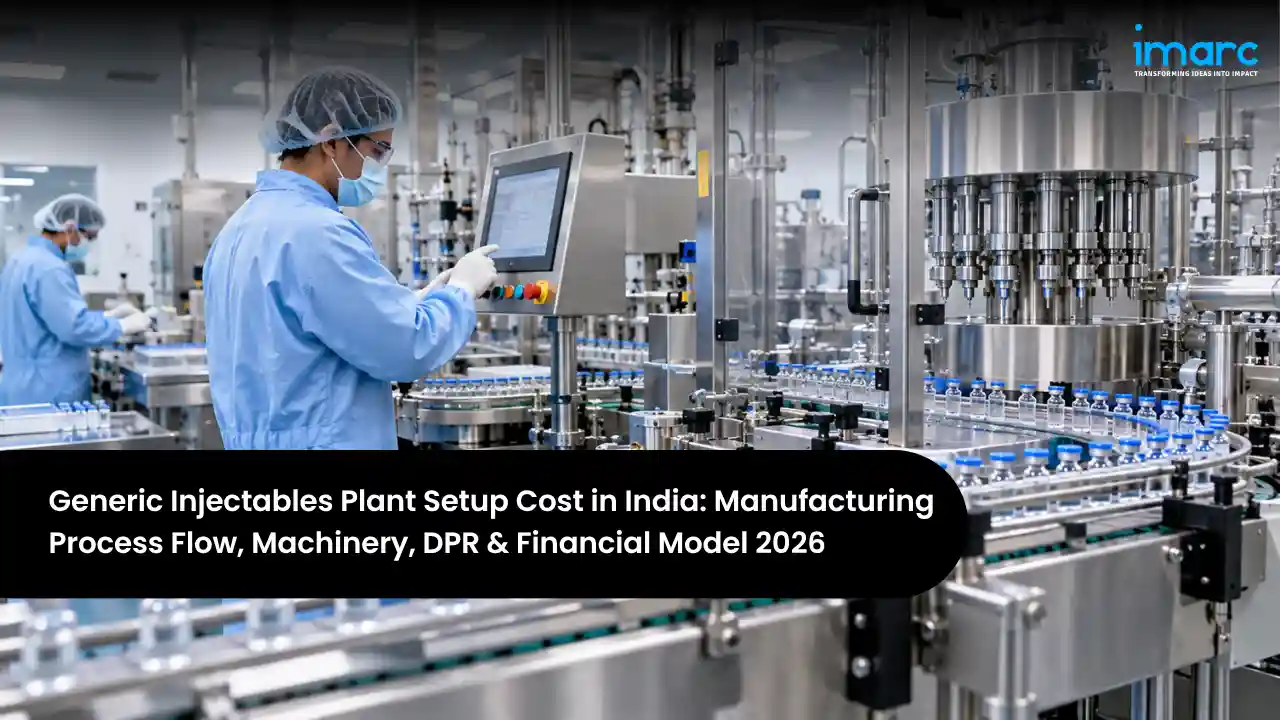
Setting up a Generic Injectables Manufacturing Plant in India is a high-value, highly regulated venture, powered by the country's position as the pharmacy of the world, growing global demand for affordable injectables, and a wave of patent expiries opening new products to generic competition. Generic injectable medicines are therapeutically equivalent versions of approved injectable drugs and are manufactured in sterile dosage forms such as vials, ampoules and prefilled syringes, subject to applicable regulatory requirements. With deep formulation expertise, a strong regulatory track record, and cost-competitive manufacturing, a Generic Injectables Manufacturing Plant is a capital-intensive pharmaceutical manufacturing opportunity with potential for attractive returns for appropriately selected products and markets.
The Generic Injectables Manufacturing Plant Cost depends heavily on capacity, dosage formats, and target markets, and because sterile manufacturing is capital-intensive, total project investment typically ranges from INR 100 crore to INR 800 crore. Cleanroom infrastructure, sterile equipment, and quality systems are the largest capital inputs, while APIs and skilled manpower drive operating cost, so regulatory readiness and product selection are the most important decisions in the project, and together they shape the overall Generic Injectables Investment Cost. At healthy utilisation and with approved products, a well-run plant in India delivers a net profit margin of 15 to 25% and an IRR of 18 to 25%, with payback typically achieved within 4 to 7 years.
This guide is written for investors and entrepreneurs asking how to start a Generic Injectables Manufacturing Plant in India. It covers what the business involves, why demand is rising, the process flow, the machinery and raw materials required, location and infrastructure planning, a detailed cost and financial breakdown, the licenses you must secure, and how a project report and DPR turns all of this into a bankable plan.
India Market Snapshot
| Key Facts | Details |
|---|---|
| India Pharmaceutical Market | Large, multi-billion dollar (indicative) |
| Primary Products | Sterile vials, ampoules, and prefilled syringes |
| Projected Market CAGR (2026–2034) | 10–14% (indicative) |
| Typical Plant Capacity | Tens to hundreds of millions of units/year |
| Indicative Total Investment | INR 100–800 Crore |
| Typical Payback Period | 4–7 Years |
The snapshot captures why a generic injectables manufacturing plant in India attracts strong investor interest: an essential, high-value pharmaceutical product, broad and growing global demand, and India's proven low-cost, high-quality manufacturing base. The wide investment range reflects a genuine choice of scale, dosage formats, and regulatory ambition, from a domestic-market liquid-vial unit to a large plant with lyophilization approved for regulated markets. Because injectables are essential, hard to manufacture, and often in short supply globally, the demand base is strong and the margins high for approved producers, which is why lenders view well-planned projects favourably. The rest of this guide unpacks that decision in detail.
Investment Highlights
Indicative Project Cost in India (2026)
| Parameter | Value |
|---|---|
| Plant Capacity (Typical) | Tens to hundreds of millions units/yr |
| Total Project Investment | INR 100 – 800 Crore |
| Payback Period | 4 – 7 Years |
| Net Profit Margin | 15 – 25% |
| IRR | 18 – 25% |
| Best Locations | Telangana, Gujarat, Maharashtra, Himachal Pradesh, Andhra Pradesh |
| Mandatory Approvals | Drug License, GMP (Schedule M/WHO), USFDA/EU (exports), Pollution |
| Primary Revenue | Sterile generic injectable products |
These indicative parameters give a realistic frame for early feasibility work. The returns can be strong, but they depend on selecting the right products, achieving regulatory approvals, and building steady buyers among hospitals, distributors, institutions, and regulated-market partners. A well-prepared generic injectables feasibility report tightens each of these numbers to your specific dosage formats, capacity, and target markets.
Table of Contents
- What is Generic Injectables Manufacturing?
- Why is Generic Injectables Manufacturing Growing in India?
- Generic Injectables Manufacturing Process
- Raw Materials and India Sourcing
- Location, Land & Infrastructure
- Machinery and Equipment Required
- Generic Injectables Manufacturing Plant Setup Cost in India (CapEx & OpEx)
- Financial Analysis and Profitability
- Licenses and Approvals for Generic Injectables Manufacturing Plant in India
- Recent Developments in the India Generic Injectables Manufacturing Industry
- How a Generic Injectables Manufacturing Project Report and DPR Helps Investors
- Frequently Asked Questions
What is Generic Injectables Manufacturing?
Generic injectables manufacturing is the sterile production of off-patent injectable medicines, in which a drug is formulated, sterilized, and filled aseptically into vials, ampoules, or prefilled syringes under strict controls. Unlike oral tablets, injectables bypass the body's natural barriers, so they must be completely sterile and free of particulates and endotoxins, which makes the process demanding and highly regulated. The output spans liquid vials, lyophilized (freeze-dried) products, ampoules, and prefilled syringes across therapies from antibiotics to oncology.
From a business perspective, what makes this sector attractive in India is the combination of high value, high barriers to entry, and strong global demand. Every hospital, institution, distributor, and regulated-market partner is a potential buyer, and India's deep formulation and regulatory expertise supports production. A manufacturer that builds a compliant, well-run sterile facility and secures product approvals is positioned to serve a large, essential, and high-margin market that is far harder for new entrants to crack than commodity manufacturing, which protects those who succeed.
- Liquid Vials: Ready-to-use sterile solutions in vials, a large and versatile injectable format.
- Lyophilized Vials: Freeze-dried products for unstable molecules, higher-value and technically demanding.
- Ampoules: Sealed glass ampoules for single-dose sterile liquids.
- Prefilled Syringes (PFS): Ready-to-inject syringes, a premium, fast-growing convenience format.
The Main Segments in Generic Injectables Manufacturing
Understanding which segment your plant will serve is the foundational decision, because it drives technology, regulatory scope, and value:
| Segment | Typical Format | Key Property | Primary Demand |
|---|---|---|---|
| Liquid Injectables | Vials, ampoules | Versatile, large volume | Hospitals, domestic |
| Lyophilized | Freeze-dried vials | For unstable drugs | Oncology |
| Prefilled Syringes | Ready-to-use PFS | Premium, convenient | Chronic and self-care |
This choice shapes the entire plant, because domestic liquid-vial products are more accessible while lyophilized, prefilled-syringe, and regulated-market injectables command far better margins but need more capital, technology, and regulatory investment. Many Indian projects begin with liquid vials for domestic and semi-regulated markets and expand into lyophilization, prefilled syringes, and US or EU approvals as they build capability and track record. The segment decision drives everything from technology to the level of investment and regulatory effort required.
Why is Generic Injectables Manufacturing Growing in India?
Key Growth Drivers in the Indian Market
India's injectables sector is being propelled by several structural factors that combine global demand with India's manufacturing strengths. Few pharmaceutical opportunities ride as many favourable trends at once:
- Patent expiries and generic shift: A steady stream of injectable drugs going off-patent opens large markets to generic producers.
- Global injectable shortages: Recurring shortages, especially in the US, create demand for reliable additional supply.
- India's pharma strength: Deep formulation expertise and the most regulatory-approved facilities outside the US make India a preferred base.
- Rising healthcare and hospital demand: Growing domestic and global hospital treatment expands injectable consumption.
- Government support for pharma: PLI schemes and pharma-cluster infrastructure actively encourage high-value manufacturing.
India-Specific Market Opportunity
| Segment | India Market Context | Injectables Role |
|---|---|---|
| Regulated Exports | Large US and EU demand | High-value approved products |
| Domestic Hospitals | Growing healthcare base | Essential injectables |
| Oncology & Specialty | Fast-growing therapy area | Lyophilized and complex |
| Emerging Markets | RoW demand | Affordable injectables |
| Institutional & Tenders | Government procurement | Bulk essential drugs |
The strongest opportunity lies in supplying regulated and semi-regulated markets, hospitals, and institutions with approved, reliably manufactured injectables, ideally from a compliant facility near a pharma cluster. A manufacturer that achieves approvals and maintains quality can command premium pricing and long-term supply relationships. Moving into lyophilized products, prefilled syringes, and complex or oncology injectables, where margins are highest and competition thinnest, further strengthens a plant's position in a large, growing market.
Generic Injectables Manufacturing Process
Understanding how a sterile injectable is actually made helps you plan cleanrooms, equipment, and the main cost drivers. Production is a controlled, aseptic operation that turns API and excipients into a sterile, sealed, inspected product, with quality control at every stage, and it is both capital- and compliance-intensive. The typical flow moves materials through compounding and sterile filling to inspection, packaging, and release:
The Generic Injectables Manufacturing Process
In this flow, containers are washed and depyrogenated, the drug is compounded and sterile-filtered, then filled aseptically into vials or syringes, freeze-dried where required, sealed, inspected, and packaged, with rigorous testing before release. Aseptic control and validated sterilization are essential to products that are reliably sterile and meet pharmacopoeial specifications.
| Unit Operation | Key Activity |
|---|---|
| Dispensing | API and excipients weighed in controlled area |
| Compounding | Drug solution prepared in clean tanks |
| Sterile Filtration | Solution filtered to remove microbes |
| Container Prep | Vials washed and depyrogenated |
| Aseptic Filling | Filled under Grade A conditions |
| Lyophilization | Freeze-dried where required |
| Sealing & Capping | Stoppered and sealed |
| Visual Inspection | Checked for particles and defects |
| Labeling & Packing | Labelled and packed |
| QC & Release | Sterility and quality tested, then released |
Two points determine profitability across this flow. First, aseptic control and process validation drive both compliance and yield, so cleanroom discipline and sterile-processing control directly govern outcomes and audit readiness. Second, quality systems and testing are decisive, because a single sterility or particulate failure can reject a batch and trigger regulatory action. Rigorous quality control, from sterility and endotoxin testing to full documentation, is what allows a manufacturer to release product and pass audits. Because regulators and buyers demand consistent sterility and complete traceability, compliance and reliability matter even more than headline cost.
Raw Materials and India Sourcing
The main inputs are active pharmaceutical ingredients (APIs), excipients, water for injection, and high-quality primary packaging, and securing them at consistent pharmacopoeial quality is the single biggest determinant of a plant's viability. Because APIs and quality-critical packaging drive cost and compliance, sourcing strategy and qualified suppliers materially affect margin, alongside the filters, stoppers, and consumables the process needs.
| Raw Material | Role in Process | India Sourcing | % of OpEx |
|---|---|---|---|
| Active Ingredients (APIs) | The drug substance | Domestic API makers and imports | 40–55% |
| Excipients | Formulation aids | Pharma-grade suppliers | 5–10% |
| Primary Packaging | Vials, stoppers, seals | Domestic and specialist suppliers | 10–15% |
| Water for Injection & Utilities | Sterile water and steam | In-house WFI and pure steam | 5–10% |
| Filters & Consumables | Sterile filtration, aseptic | Specialist suppliers | 5–10% |
Because APIs and quality-critical packaging are such a large share of cost and compliance, sourcing strategy is a major lever on both profitability and approval. India has a strong domestic API base supplemented by imports, so supply is available, but every source must be qualified and documented, making supplier qualification and dual sourcing essential in a regulated environment. Water for injection and clean utilities are generated in-house and are critical to sterility. Filters, stoppers, and consumables are smaller costs but quality-critical, since a substandard component can compromise an entire batch, so qualification matters far more than price.
Location, Land & Infrastructure
Choosing the best location for generic injectables manufacturing plant setup significantly affects access to skilled pharma talent, regulatory support, and supply and logistics. Being in an established pharma cluster with trained manpower, API supply, and good connectivity shapes site selection, alongside the substantial utilities, cleanroom, and environmental infrastructure a sterile facility demands.
Best States for Generic Injectables Manufacturing Plant Setup in India
| State | Why It Works | Key Advantage |
|---|---|---|
| Telangana | Hyderabad pharma hub | Talent and API base |
| Gujarat | Large pharma cluster | Ecosystem and logistics |
| Maharashtra | Strong pharma base | Talent and connectivity |
| Himachal Pradesh | Baddi pharma zone | Incentives and cluster |
| Andhra Pradesh | API and pharma base | Supply and land |
| Sikkim | Pharma incentive zone | Fiscal benefits |
The strongest locations combine skilled pharma manpower and API supply with regulatory familiarity and good connectivity. Telangana, Gujarat, and Maharashtra offer deep pharma ecosystems and talent, while Himachal Pradesh, Andhra Pradesh, and Sikkim add cluster infrastructure and incentives. Because sterile manufacturing depends on stable utilities and controlled environments, reliable power and water, adequate land for cleanrooms and utilities, and access to trained staff should weigh heavily in the final choice, alongside proximity to a qualified supplier and testing ecosystem.
Infrastructure Requirements (Mid-Sized Plant)
| Infrastructure Element | Specification | India-Specific Note |
|---|---|---|
| Total Land Area | 5 – 20+ acres | Space for plant and utilities |
| Cleanroom Suites | ISO-classified areas | Grade A to D zones |
| HVAC System | Controlled air handling | Core to sterility |
| WFI & Pure Steam | Water and steam generation | For sterile processing |
| Sterilization Facilities | Autoclaves and tunnels | For containers and equipment |
| QC & Microbiology Labs | Testing laboratories | Sterility and analytics |
| Warehouse & Utilities | Storage and support | Temperature-controlled storage |
Infrastructure for a sterile plant centres on classified cleanrooms, HVAC, water-for-injection and pure-steam systems, sterilization facilities, and well-equipped laboratories, because sterility, quality, and compliance depend on all of them. Cleanroom and HVAC design are especially critical and expensive, since they are the foundation of aseptic manufacturing and audit success. Building robust utilities, environmental monitoring, and laboratory capacity from the start is essential, and a layout designed for clean material and personnel flow is what makes both compliance and future expansion feasible.
Machinery and Equipment Required
The equipment set spans container preparation, sterile filling, and inspection, and the line-up scales with capacity and dosage formats. Because sterility and reliability depend on validated, well-controlled machinery, equipment must be pharma-grade and qualifiable. The core machinery, from vial washing through final inspection, is summarized below.
| Equipment | Function | Key Specification |
|---|---|---|
| Vial / Ampoule Washer | Clean containers | Sized to format |
| Depyrogenation Tunnel | Sterilize and depyrogenate | Dry-heat sterilization |
| Compounding Vessels | Prepare drug solution | Sterile, jacketed tanks |
| Sterile Filtration System | Remove microbes | Validated filters |
| Aseptic Filling Line | Fill under Grade A | Vial, ampoule, or PFS line |
| Lyophilizer | Freeze-dry products | For lyophilized injectables |
| Sealing & Capping | Seal containers | Stoppering and capping |
| Visual Inspection Machine | Detect defects | Automatic or manual |
| Autoclave & Sterilizers | Sterilize equipment | Steam sterilization |
| HVAC & WFI Systems | Environment and water | Cleanroom and sterile water |
Equipment selection should follow your dosage formats and regulatory targets rather than the other way around. A liquid-vial line needs washing, filling, and inspection, while lyophilized and prefilled-syringe products need freeze-dryers or specialized PFS lines and stronger environmental control. Cleanroom, HVAC, and utility systems are the heart of the plant and easy to under-budget, because they determine sterility, compliance, and the ability to pass regulatory audits, on which the entire business depends.
Generic Injectables Manufacturing Plant Setup Cost in India (CapEx & OpEx)
The tables below give you a breakdown of both the upfront capital investment and the ongoing operating costs, based on industry analysis of a mid-sized facility in India. The actual generic injectables manufacturing plant cost for your specific project will depend on your chosen location, capacity, dosage formats, and target markets.
Capital Expenditure (CapEx) Cost Structure
| CapEx Component | % of Total CapEx | What It Covers |
|---|---|---|
| Sterile Equipment & Lines | 30–40% | Filling, lyophilizer, and inspection |
| Cleanroom & HVAC | 18–25% | Classified areas and air handling |
| Building & Civil Works | 10–15% | Structure and finishes |
| Utilities (WFI, Steam, Power) | 8–12% | Water, steam, and power systems |
| QC & Validation | 6–10% | Laboratories and validation |
| Pre-operative & Regulatory | 6–10% | Approvals, DPR, and filings |
| Working Capital | 6–10% | API stock and receivables |
The CapEx profile is dominated by sterile equipment, cleanrooms, and HVAC, with utilities, quality, and validation all significant because sterile manufacturing is infrastructure- and compliance-heavy. Regulatory and validation spending is substantial and easy to underestimate, yet it is what unlocks the market. Under-provisioning cleanroom quality, validation, or regulatory budgets is a common and costly mistake, so all are modelled carefully in the generic injectables business plan and financial model.
Operating Expenditure (OpEx) Cost Structure
| OpEx Component | % of Total OpEx | India-Specific Note |
|---|---|---|
| APIs & Materials | 40–55% | Largest cost; varies by product |
| Primary Packaging | 10–15% | Vials, stoppers, and seals |
| Skilled Manpower | 10–18% | Technical and QA-heavy workforce |
| Utilities & Energy | 6–10% | HVAC and WFI are energy-intensive |
| QC & Compliance | 5–10% | Testing and quality systems |
| Maintenance & Overheads | 4–7% | Validated-plant upkeep |
With APIs and quality-critical materials dominating operating cost, and skilled manpower and compliance close behind, this is fundamentally a quality-and-technology business rather than a low-cost commodity one. API prices vary by molecule, so a financial model should track them by product and stress-test margins accordingly, while recognising that approved injectables command strong, resilient pricing. The value here lies in approvals and reliability: an approved, well-run facility earns premium margins, which is what makes the heavy upfront investment worthwhile.
Financial Analysis and Profitability
Based on analysis of a mid-sized sterile facility in India, the financial profile is high-value but investment-heavy, supported by strong global demand and high barriers to entry. Because product approvals and quality drive economics, the profitability of generic injectables manufacturing business in India improves markedly with the right product selection, timely regulatory approvals, high utilisation, and a move toward complex, high-value injectables.
| Financial Metric | Indicative Value | India Context |
|---|---|---|
| Gross Profit Margin | 40–60% | High for approved injectables |
| Net Profit Margin | 15–25% | After depreciation and Indian corporate taxes |
| Payback Period | 4–7 Years | Longer due to approvals and CapEx |
| IRR (Internal Rate of Return) | 18–25% | Higher for regulated-market products |
| Capacity Utilization (stable ops) | 70–90% | Rises as approvals accumulate |
| Break-even Capacity Utilization | 50–65% | High-value pricing supports break-even |
Product selection, regulatory approvals, and utilisation are the factors that most determine outcomes, because a sterile plant carries heavy fixed costs and only earns once its products are approved and selling. An operator with a strong product basket, timely approvals, and reliable quality can achieve high margins and steady growth, while one that delays approvals or faces compliance issues will struggle to cover its large fixed base. This is why regulatory strategy and quality are as central to the financial model as the plant itself.
There are several ways to strengthen returns in the Indian context: choosing products with favourable competition and margins, sequencing regulatory approvals to build the basket quickly, investing in robust quality systems to sail through audits, moving into lyophilized, prefilled-syringe, and complex injectables, and keeping the plant well utilised across markets. Reliable customer and partner relationships further stabilize demand. Achieving and sustaining approvals for regulated markets is the single biggest value driver, because it transforms a domestic facility into a global supplier earning premium, resilient margins.
Key Risks and Mitigation
The principal risks are regulatory and audit compliance, product-approval delays, and quality failures. Compliance risk is mitigated by strong quality systems, trained staff, and audit readiness; approval-timeline risk is mitigated by experienced regulatory teams and a phased product plan; and quality risk is mitigated by validated processes, environmental monitoring, and rigorous testing. A manufacturer that treats compliance, regulatory execution, and quality as core priorities is far better placed to sustain the returns the model promises.
Licenses and Approvals for Generic Injectables Manufacturing Plant in India
The approvals for this business are extensive and central, because sterile pharmaceuticals are among the most tightly regulated products and market access depends entirely on them. Manufacturers planning to establish a generic injectables manufacturing plant generally need to obtain the following, and drug-manufacturing and GMP approvals are the most important:
- Drug Manufacturing License: License from the State FDA and CDSCO to manufacture injectable drugs, the core approval.
- GMP Certification: Compliance with revised Schedule M and WHO-GMP, essential for quality and most markets.
- Regulatory-Market Approvals: USFDA, EU-GMP, and other approvals for units targeting regulated export markets.
- Product Approvals / Dossiers: Product registrations, ANDAs, or dossiers for each injectable in each market.
- Environmental & Pollution Consents: Consent to Establish and Operate from the State Pollution Control Board.
- Factory & Safety Approvals: Factory license, fire safety, and workplace-safety compliance.
- Business, Tax & Export Registrations: Incorporation, GST, IEC, and applicable pharma registrations.
For a sterile plant, the drug-manufacturing license, GMP certification, and, for exporters, regulated-market approvals are the critical, long-lead items and should be planned from the very start, because the facility must be designed and validated to meet them and no product can be sold without them. Engaging experienced regulatory and quality consultants is essential given the complexity, since an audit failure or approval delay can idle a large investment. Sequencing approvals and product filings well, alongside validation, is one of the most important things that determines when a plant starts earning.
Note: The exact approvals, registrations, licenses, and compliance requirements may vary depending on factors such as plant location, dosage formats, target markets, and applicable regulations. Businesses are advised to undertake a detailed regulatory assessment during the project planning stage to ensure full compliance and timely implementation.
Recent Developments in the India Generic Injectables Manufacturing Industry
A few structural trends give useful context for investors considering entry into this industry:
- Global shortages and supply diversification: Persistent injectable shortages, especially in the US, are drawing buyers toward reliable Indian producers.
- Shift to complex injectables: Growing focus on lyophilized, long-acting, and prefilled-syringe products is raising value and differentiation.
- Revised GMP and quality focus: The updated Schedule M and rising audit standards are pushing the industry toward stronger quality systems.
The common thread is a market growing with global demand and shifting toward complex, high-value, and highly compliant manufacturing, with quality and regulatory strength increasingly decisive. For a new entrant, the implication is clear: the window to build a compliant, well-approved facility and secure global supply relationships is open, and those who build quality, regulatory capability, and the right product basket into their model from the start will be best placed as demand grows through the decade.
How a Generic Injectables Manufacturing Project Report and DPR Helps Investors
A comprehensive generic injectables project report, prepared as a detailed project report (DPR), provides a structured roadmap for establishing the facility by evaluating every aspect of the venture, from market demand and product selection to technology, cleanroom design, regulatory strategy, and economics. It helps investors determine the optimal capacity, dosage formats, and product basket, estimate capital expenditure (CapEx) and operating expenditure (OpEx), assess profitability, and identify potential risks before implementation.
The report also brings together a generic injectables business plan with revenue forecasts, production costs, cash flow analysis, break-even assessment, and payback period calculations, supported by a detailed generic injectables financial model. These insights enable investors, lenders, and stakeholders to make informed decisions and evaluate the long-term viability of the project. Many investors engage a generic injectables business plan consultant in India or a generic injectables manufacturing consultant in India to prepare and validate these documents.
For a sterile injectables project specifically, a strong DPR also clarifies the product and regulatory strategy, the cleanroom and technology choices, and the approval and validation pathway, which are the factors most likely to determine success in this complex, capital-intensive business. By modelling utilisation and approvals against realistic timelines and testing margins across products and markets, the report turns a high-value but demanding opportunity into an executable plan that lenders and partners can trust. It also maps the phased build, validation, approval, and funding schedule, so investors can see how a regulated project reaches commercial operation in stages.
Frequently Asked Questions
How to start a generic injectables manufacturing plant in India?
Begin by selecting your dosage formats, product basket, and target markets, then prepare a feasibility report and DPR, secure land in a pharma cluster, design and build compliant cleanrooms, arrange sterile equipment, and plan the drug-manufacturing license, GMP, and product approvals from the start. Because approvals and validation are long-lead, regulatory strategy should be built in early. A detailed project report maps each step.
What is the generic injectables manufacturing plant cost in India?
It typically ranges from INR 100 crore to INR 800 crore depending on capacity, dosage formats, and target markets, and the wider Generic Injectables Investment Cost is dominated by sterile equipment, cleanrooms, HVAC, and utilities. Regulatory and validation spending is also significant.
What is the generic injectables manufacturing process?
The process runs from dispensing and compounding, through sterile filtration and container preparation, to aseptic filling, lyophilization where required, sealing, visual inspection, labeling, and QC release, all under strict aseptic and GMP controls with sterility and endotoxin testing throughout.
What machinery is required for a generic injectables plant?
Key equipment includes vial and ampoule washers, a depyrogenation tunnel, compounding vessels, sterile filtration systems, aseptic filling lines, a lyophilizer for freeze-dried products, sealing and capping machines, visual inspection machines, autoclaves, and HVAC and water-for-injection systems.
What is the best location for generic injectables manufacturing plant setup?
The ideal site is an established pharma cluster combining skilled manpower and API supply with regulatory familiarity and good connectivity. Telangana, Gujarat, Maharashtra, Himachal Pradesh, and Andhra Pradesh are leading choices.
What is the profitability of generic injectables manufacturing business in India?
It is high-value but investment-heavy, with a typical 15 to 25% net profit margin and an 18 to 25% IRR, and a 4 to 7 year payback. Returns improve strongly with the right product selection, timely regulatory approvals, complex high-value injectables, and access to regulated markets, though outcomes depend heavily on compliance.
How do I get a project report or feasibility report for a generic injectables plant?
A Generic Injectables Project Report and Generic Injectables Feasibility Report cover the full plant setup, regulatory pathway, and financials. Many investors engage a Generic Injectables Plant Project Report Consultant in India or a Generic Injectables Manufacturing Feasibility Study Consultant to prepare and validate them.
Our Clients








Contact Us
Have a question or need assistance?
Please complete the form with your inquiry or reach out to us at
Phone Number
+91-120-433-0800+1-201-971-6302
+44-113-547-7077
Previous Post

Setting up a Pharmaceutical Manufacturing Plant in India is a high-potential, strategically strong venture, powered by the country's position as the pharmacy of the world and one of the largest generic drug producers globally. India's deep formulation expertise, cost competitiveness, and vast domestic and export demand make a pharmaceutical manufacturing unit setup in India one of the most attractive opportunities in the healthcare sector.
The Dental 3D Printing Market is attracting renewed investor attention because the technology has moved from a promising adjunct to a default production method inside dental laboratories and clinics.
Vitamin water is a functional, non-carbonated beverage that is created by the fortification of purified water with a combination of vitamins, minerals, and sometimes electrolytes, along with natural or artificial flavors and sweeteners. It is placed in a category between bottled water and carbonated soft drinks, providing hydration with a functional twist.
Vitamin B12, or cobalamin, is a water-soluble vitamin that contains the metal cobalt and is a micronutrient required by the human body. It acts as a coenzyme in the synthesis of DNA, the production of red blood cells, and the functioning of the nervous system.
Japan's dietary supplements industry has become one of the most advanced and innovation-led industries in the world. It is at the nexus of science, culture, and consumer health awareness.
A syringe is a medical instrument that is used to inject fluids into the body or to withdraw fluids from the body. A syringe usually has a cylindrical body, a plunger that moves inside the body to generate pressure or suction, and a nozzle to which a needle can be attached.
Cosmetic surgery in Australia today has evolved into a significant element of the greater beauty and wellness economy. Changing cultural attitudes, advances in medical aesthetics, and the rise of social media over the last ten years have reconstituted the ways in which cosmetic surgery is perceived and undertaken by Australians.
The contact lenses market represents a dynamic segment of the global vision care industry, characterized by continuous innovation and expanding demographic demand.
Brazil's diagnostic imaging equipment market stands at a pivotal moment as Latin America's largest and most dynamic healthcare arena. With substantial investments in hospital modernization, regulatory reforms, and artificial intelligence adoption, the market is transforming rapidly. As providers transition from analog to AI-ready platforms, Brazil emerges as a critical destination for medical device manufacturers seeking growth through the next decade.
The Indian healthcare space has indeed been changing. Telemedicine has emerged as one of the most important drivers of this change. Driving this transformation is the increased adoption of digital tools, growing patient awareness, and the pressing need to make healthcare more accessible across diverse geographies.
The Australia medical aesthetics industry size reached USD 396.4 Million in 2025. Looking forward, the market is expected to reach USD 784.8 Million by 2034, exhibiting a growth rate (CAGR) of 7.89% during 2026-2034. Over the last ten years, the medical aesthetic industry in Australia has transformed from a niche beauty service into a mainstream part of healthcare and wellness.
A rapid diagnostic test (RDT) kit is a medical device designed to quickly detect specific biomarkers, antigens, antibodies, or nucleic acids linked to diseases—typically within minutes and without the need for sophisticated laboratory equipment. These kits often use lateral flow assays, immunochromatographic strips, or rapid molecular testing methods to deliver fast and reliable results.
The Philippines pharmaceutical industry stands as one of Southeast Asia's most dynamic and rapidly expanding healthcare markets in the ASEAN region. With a market valuation reaching USD 3.36 Billion in 2025, the sector demonstrates resilience and tremendous growth potential.
Pharmaceuticals are medical products, substances, or formulations involved in the development, manufacture, and regulation for the prevention, diagnosis, treatment, and management of diseases in humans as well as animals.
The Australia aged care industry stands at a pivotal juncture as the nation grapples with demographic shifts that are reshaping the landscape of elderly care services. With an aging population that continues to expand, Australia faces both unprecedented challenges and remarkable opportunities in delivering quality care to its senior citizens.
The Indian vaccines industry holds an unparalleled position globally, often celebrated as the pharmacy of the world due and its massive production scale and capabilities. It reached INR 113.7 Billion in 2024 according to IMARC Group and it is projected to grow at a CAGR of 8.8% from 2025-2033.
The medical imaging market has reached a transformational phase, driven both by rapid technological advancements and growing demands for precision-driven diagnostics. As health systems worldwide come under increasing pressure to improve patient outcomes while minimizing procedural risks and optimizing clinical workflows, medical imaging has become one of the most important cornerstones of modern medicine.
India’s medical devices industry is on a sustained growth trajectory driven by expanding hospital infrastructure, rising chronic disease burden, stronger local manufacturing supported by government incentives, and a rapidly growing shift toward portable and home care devices.
Pectin represents a naturally occurring polysaccharide mainly extracted from cell walls of fruits (mainly from citrus peel and apple pomace). It is a soluble dietary fiber and a hydrocolloid with gelling, thickening, and stabilizing properties. It is mostly composed of galacturonic acid units.
Paracetamol, also referred to as acetaminophen, is an analgesic and antipyretic compound that is commonly used worldwide for the treatment of mild to moderate pain and the management of fever. The mechanism of action occurs mainly in the central nervous system, where it inhibits the mechanisms that regulate pain and body temperature, but lacks anti-inflammatory properties.
The Australia wellness tourism industry has emerged as a critical segment of the country’s broader travel and hospitality sector. It reflects a growing global emphasis on health, self-care, and holistic well-being, capturing the attention of travelers seeking experiences that combine relaxation, rejuvenation, and personal growth.
The Brazil cardiovascular devices market represents a crucial segment in the country’s healthcare ecosystem, addressing one of the leading causes of morbidity and mortality: cardiovascular diseases. Conditions such as heart attacks, stroke, arrhythmias, and heart failure require ongoing medical intervention and advanced heart disease treatment solutions. With the rising prevalence of cardiovascular disorders, demand for comprehensive cardiac care equipment and innovative treatment modalities is increasing.
India's Ayurvedic products market is experiencing remarkable transformation as consumers increasingly prioritize holistic wellness and natural remedies over conventional alternatives. The convergence of traditional healing wisdom with modern consumer preferences has created a dynamic landscape where herbal medicines, chemical-free personal care products, and immunity-boosting supplements are becoming household staples.
Nicotine pouches are small, smokeless oral delivery products of nicotine, free from tobacco, designed to allow for controlled release of the active principle without burning, vaporizing, or use of traditional tobacco leaves. It consists of a small pouch that contains a matrix made basically from plant fibers, flavorings, pH adjusters, and stabilizers impregnated with nicotine, encased in a permeable material permitting the gradual absorption of the product via the oral mucosa.
The pharmaceutical industry in Japan is among the most advanced globally, recognized for combining innovation, high-quality standards, and patient-centered care. Its extensive value chain includes drug discovery, clinical trials, manufacturing, distribution, marketing, and post-market surveillance. Serving both domestic and international markets, Japanese pharmaceutical companies are respected for regulatory compliance, safety, and reliability, establishing them as trusted global collaborators in drug development.
The pharmaceutical industry in Japan is among the most advanced globally, recognized for combining innovation, high-quality standards, and patient-centered care. Its extensive value chain includes drug discovery, clinical trials, manufacturing, distribution, marketing, and post-market surveillance. Serving both domestic and international markets, Japanese pharmaceutical companies are respected for regulatory compliance, safety, and reliability, establishing them as trusted global collaborators in drug development.
The global healthcare IT industry is on a remarkable upswing, fueled by the surge in preventive care, digital health platforms, and smarter patient management systems. According to IMARC Group, the market hit USD 363.15 Billion in 2024, a clear sign of worldwide adoption. An aging population, the growing comfort with remote care, and the push toward personalized medicine are all speeding this momentum.
The global endoscopy devices market is on a sharp growth path, fueled by the shift toward minimally invasive procedures, the need for early diagnosis, and cutting-edge imaging technologies. IMARC Group reported the market hit USD 50.01 Billion in 2024, underscoring its worldwide acceptance.
The global business-to-business (B2B) payments landscape is experiencing a fundamental transformation that is reshaping how enterprises conduct financial transactions across borders and industries. The market, valued at approximately 1,189.6 Billion in 2024, is projecting remarkable growth with expectations to reach USD 2,189.0 Billion by 2033, exhibiting a CAGR of 7% from 2025-2033. This exponential expansion is signaling a paradigm shift in commercial finance, driven by technological innovation, changing business expectations, and the urgent need for more efficient payment infrastructures.
The smart medical devices market is entering a decade defined by connected care, real-time diagnostics, and patient empowerment. Valued at USD 45.9 Billion in 2024, the market is projected to reach USD 82 Billion by 2033, expanding at a compound annual growth rate (CAGR) of 6.33% between 2025 and 2033 by IMARC Group. This steady rise reflects growing confidence in data-driven healthcare systems, integration of IoT in medical environments, and the increasing role of artificial intelligence in clinical decision-making.
Active Pharmaceutical Ingredients (APIs) are the bioactive molecules of any drug used in pharmaceuticals, which cause the desired therapeutic action in the body of a human being. APIs are the central core of all drugs, chemical or biological and are responsible for the efficacy, strength, and safety of the drug. APIs are synthesized by various complex chemical synthesis, fermentation, biotechnological, or extraction processes based on the type of drug.
A bio medical incinerator is a high-temperature combustion system specialized for biomedical waste disposal by hospitals, clinics, laboratories, and research institutions. Biomedical waste usually consists of infectious waste, pathological waste, sharps, pharmaceuticals, and contaminated disposables that are very hazardous to human health and the environment if not treated.
Obesity, once viewed primarily as a lifestyle choice, is now widely recognized as a complex and chronic disease characterized by excessive body fat accumulation. Its global prevalence is escalating at an alarming rate posing a significant and growing challenge to public health systems worldwide.
Gonorrhea, a sexually transmitted infection caused by the bacterium Neisseria gonorrhoeae, is a major public health issue globally. Reports show that over one million new cases of curable STIs are contracted every day by individuals aged 15 to 49 years, with the majority being asymptomatic.
The 7 major allergic conjunctivitis markets reached a value of USD 2.1 Billion in 2024. Looking forward, IMARC Group expects the 7MM to reach USD 2.9 Billion by 2035, exhibiting a growth rate (CAGR) of 3.00% during 2025-2035.
The healthcare sector is changing rapidly because of the growing demand for better ways to manage chronic diseases. As we move toward 2025 and beyond, digital tools are playing an important role in dealing with conditions like diabetes, heart disease, cancer, and respiratory problems.
The global multivitamin gummies market consists of chewable dietary supplements that are charged with key vitamins and minerals aimed at maintaining general health and wellness. The gummies present a handy, enjoyable, and easy-to-swallow option to classic pills or tablets, hence are predominantly preferred by children and adults who do not like taking pills.
India's pharmaceutical sector is evolving rapidly, supported by the integration of artificial intelligence (AI) across the value chain. As of 2023, India ranked as the third-largest pharmaceutical producer by volume, accounting for 20% of global generic drug exports.
As Lung Cancer Awareness continues to build global momentum in 2025, Artificial Intelligence (AI) is proving to be a transformative force—not only in clinical diagnostics but also in public education and preventive health efforts. Given that lung cancer remains one of the world’s deadliest cancers, accounting for over 1.8 million deaths each year and a five-year survival rate of just 28.4%, the integration of AI marks a critical turning point.
Observed on May 19, Hepatitis Testing Day 2025 emphasizes the need to "Test. Treat. Eliminate," highlighting the gap in diagnosing hepatitis B and C, which cause over 1.3 million deaths annually. Hepatitis remains a major global health threat, on par with HIV, tuberculosis, and malaria. The growing viral hepatitis market <Viral Hepatitis Market Size | Share, Trends - 2034 > reflects rising demand for better diagnostics, treatments, and integrated care. The WHO warns that without faster testing and treatment, the goal of eliminating hepatitis by 2030 may not be achieved, with disparities in diagnostics, particularly in low- and middle-income countries, hindering progress.
Observed on May 8, World Ovarian Cancer Day 2025 carries the theme “No Woman Left Behind,” reinforcing the urgent need to close the gaps in access, diagnosis, treatment, and care across all regions and socioeconomic groups. Ovarian cancer remains one of the deadliest gynecological cancers, often detected too late due to vague symptoms and limited screening tools. The World Ovarian Cancer Coalition projects a 55% rise in annual cases and nearly 70% more deaths by 2050, with the heaviest burden falling on low- and middle-income countries. Equitable access to early diagnostics, genetic testing, and targeted therapies is critical.
In clinics around the world, a concerning pattern is becoming increasingly evident: a growing number of patients are experiencing wheezing, breathlessness, and persistent coughing. This surge reflects a broader global trend. According to the World Health Organization (WHO), more than 260 million people are currently living with asthma, making it one of the most widespread and persistent chronic respiratory conditions globally.
Observed on April 25, World Malaria Day 2025 carries the theme “Accelerating Equity in Malaria Prevention and Cure,” underscoring the urgent need to reach communities still lacking access to life-saving vaccines and diagnostics. While global malaria death rates have seen modest declines, the disease continues to claim the life of one child every minute, highlighting the critical need for swift, equity-driven action
Sulfamethoxazole is a common synthetic antibacterial that is a member of the sulfonamide class of antibiotics. This substance plays a very significant role in modern medicine due to the amazing capabilities offered by the substance for curing infections and bacterial diseases. Trimethoprim and sulfamethoxazole are frequently used together to create the well-known antibiotic co-trimoxazole, which is well-known for its potency against a variety of bacterial infections. It works by preventing the manufacture of folic acid, which is necessary for the growth of bacteria. Sulfamethoxazole is an essential part of modern antibiotic therapy since it has been used to treat lung infections, urinary tract infections, and other common bacterial illnesses.
Healthcare consumables are necessary medical supplies used for patient treatment, diagnostics, and cleanliness in clinics, hospitals, and home care settings. These consist of supplies such as surgical masks, bandages, gloves, syringes, catheters, and disinfectants. Usually, they are disposable or single use to preserve sterility and stop infections. Healthcare consumables are an essential component of the global healthcare ecosystem and are in high demand due to expanding healthcare needs, an increase in operations, infection control measures, and technological improvements.
Catheters are flexible, tubular medical devices designed to access various body cavities, organs, or blood vessels for diagnostic or therapeutic purposes. They can be broadly classified into types based on their application, including urinary catheters, cardiac catheters, and intravenous (IV) catheters. Catheters are commonly used in diverse healthcare settings for managing chronic conditions, enabling fluid drainage, delivering medications, or facilitating minimally invasive surgeries.
Bioinformatics involves applying computational techniques and tools to study and understand biological systems at the molecular level. It is a field of study that combines mathematics, biology, computer science, and statistics to research genomic data and biological networks. The goal is to interpret information from large biological data sets, such as DNA sequences, protein structures, gene expressions, and other high-throughput experimental data. This field provides various products and services, such as knowledge management tools, bioinformatics platforms, and services.
A non-animal model refers to an experimental system or method used in scientific research or testing that does not involve the use of animals. These models are developed to simulate biological processes, test hypotheses, or study diseases without the need for live animals. The aim is often to reduce the reliance on animal testing, which has ethical implications and raises concerns about animal welfare.
Cell therapy involves the transplantation and manipulation of living cells to replace and repair damaged tissue. Its primary branches include stem cell therapy and non-stem cell therapy. Stem cell therapy utilizes stem cells to repair, replace, or rejuvenate damaged or diseased cells and tissues as they possess the ability to differentiate into various specialized cell types, making them valuable for regenerative medicine. Non-stem cell-based therapies typically involve somatic cells isolated from the human body. These cells are propagated, expanded, selected, and then administered to patients for curative, preventive, or diagnostic purposes. On the other hand, gene therapy seeks to treat diseases by introducing, replacing, or inactivating genes within cells.