Rapid Diagnostic Test Kit Plant Setup Cost in India: Manufacturing Process Flow, Machinery, DPR & Financial Model 2026
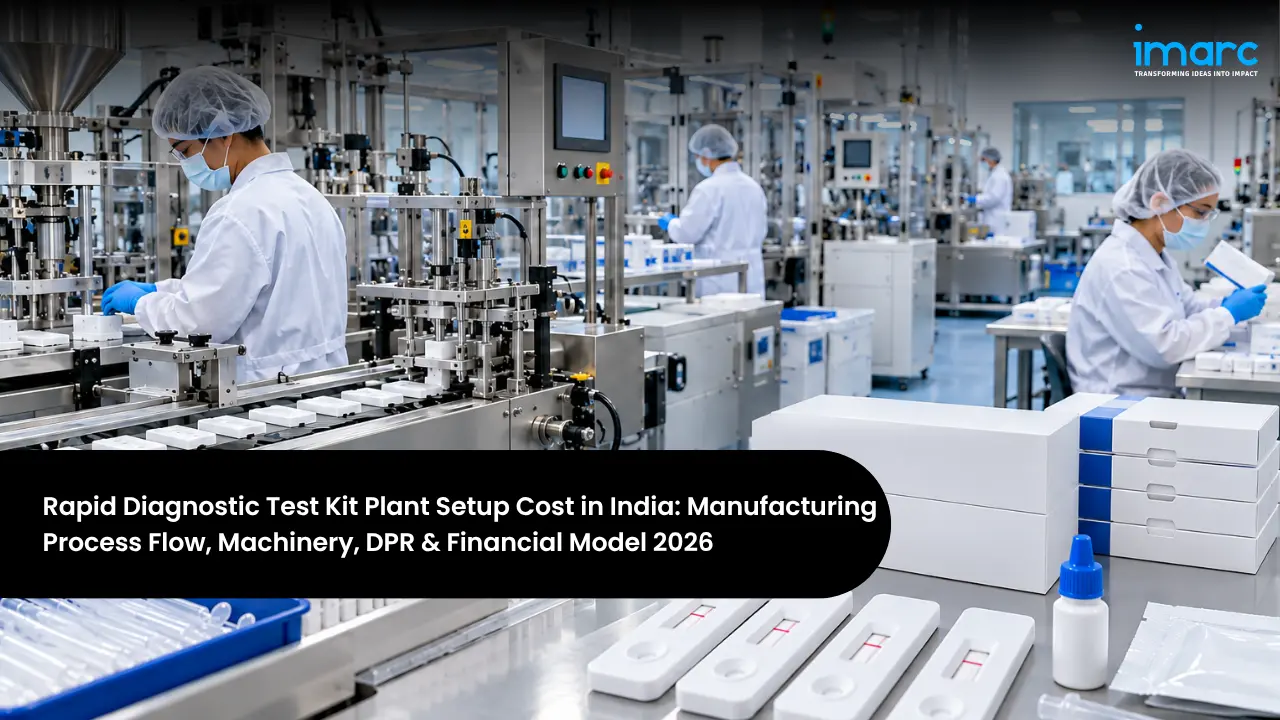
Rapid diagnostic tests deliver results in minutes, without laboratory equipment, at a clinic, pharmacy, field camp, or at home. Lateral flow tests for malaria, dengue, typhoid, HIV, hepatitis, syphilis, pregnancy, fertility, drugs of abuse, and cardiac markers have become an essential part of India's healthcare system, especially in primary care and rural areas where laboratories are scarce. Public health programmes, rising disease awareness, growing self-testing, and the government's push to reduce dependence on imported medical devices all support demand. Combined with India's regulatory framework for in vitro diagnostics and strong biotechnology talent, this makes Rapid Diagnostic Test Kit Manufacturing Plant Setup in India an attractive opportunity for diagnostics companies and investors.
Investment depends on the number of products and assay formats, annual capacity, the level of automation in striping, assembly, and packing, and whether the plant produces its own antibodies, antigens, and gold conjugates or buys them. Because production is precise, low-volume-per-unit assembly work in controlled rooms rather than heavy manufacturing, capital needs are moderate. The Rapid Diagnostic Test Kit Manufacturing Plant Cost ranges from about INR 5 crore for a semi-automatic lateral flow unit producing a few million tests a year to INR 80–100 crore or more for a fully automated plant making 50 to 100 million tests a year with in-house biological raw materials. Antibodies, antigens, membranes, and cassettes make up the largest share of operating cost, so raw material quality, assay performance, and regulatory approvals are the decisions that shape profitability. At healthy utilisation, a well-run plant can deliver a gross margin of 40 to 50% and a net profit margin of 15 to 25%, with payback typically within 2 to 4 years.
This guide is written for investors trying to understand how to start a Rapid Diagnostic Test Kit manufacturing plant in India. It covers the main test types and formats, the demand outlook, the production process flow, machinery and raw materials, location and infrastructure, a detailed cost and financial breakdown, the licensing and quality requirements involved, and how a DPR and financial model turn all of this into a bankable plan.
India Market Snapshot
| Key Facts | Details |
|---|---|
| India Rapid Test Kit Market (2025) | USD 598.9 Million |
| Projected India Market (2034) | USD 856.7 Million, 3.94% CAGR |
| Global Rapid Diagnostic Test Market (2025) | USD 20.47 Billion, 5.4% CAGR to 2034 |
| Dominant Technology | Lateral flow immunoassays |
| Typical Plant Capacity | 50–100 million tests a year |
| Indicative Total Investment | INR 5–100 Crore |
The snapshot shows a steadily growing domestic market within a large global industry, in which lateral flow immunoassays are the dominant technology. Infectious disease tests account for most volume, driven by public health programmes and seasonal outbreaks such as dengue and malaria, while pregnancy, fertility, and other self-tests are growing through pharmacies and online channels. Government tenders and export markets add further scale. The wide investment range reflects a genuine choice between a small unit assembling a few established tests from purchased materials and an automated plant with in-house biologicals and a broad product portfolio. The sections below work through that choice.
Investment Highlights
Indicative Project Cost in India (2026)
| Parameter | Value |
|---|---|
| Product Range | Infectious disease, pregnancy and fertility, drugs of abuse, cardiac, and other rapid tests |
| Total Project Investment | INR 5 – 100 Crore |
| Payback Period | 2 – 4 Years |
| Net Profit Margin | 15 – 25% |
| IRR | 20 – 30% |
| Preferred States | Telangana, Andhra Pradesh, Gujarat, Karnataka, Maharashtra, Uttar Pradesh |
| Key Approvals | CDSCO or state IVD manufacturing license, ISO 13485, performance evaluation where required |
| Key Requirement | Validated assays, quality biological raw materials, and controlled production |
These ranges provide a realistic frame for early planning, but actual returns depend on the product portfolio, assay sensitivity and specificity, the cost of antibodies and antigens, licensing timelines, and the balance between government tenders, private healthcare, retail, and export sales. A site-specific Rapid Diagnostic Test Kit Feasibility Report narrows each of these assumptions to your chosen products, channels, location, and capacity.
Table of Contents
- What is Rapid Diagnostic Test Kit Manufacturing?
- Why is Rapid Diagnostic Test Kit Manufacturing Growing in India?
- Rapid Diagnostic Test Kit Manufacturing Process Flow
- Raw Materials Required for Rapid Diagnostic Test Kit Manufacturing
- Location, Land & Infrastructure
- Rapid Diagnostic Test Kit Manufacturing Machinery and Equipment
- Rapid Diagnostic Test Kit Manufacturing Plant Setup Cost in India (CapEx & OpEx)
- Financial Analysis and Profitability
- Licenses and Approvals for Rapid Diagnostic Test Kit Manufacturing in India
- Recent Developments in the India Rapid Diagnostic Test Kit Manufacturing Industry
- How a Rapid Diagnostic Test Kit Manufacturing Project Report and DPR Helps Investors
- Frequently Asked Questions
What is Rapid Diagnostic Test Kit Manufacturing?
Most rapid diagnostic tests are lateral flow immunoassays. A sample such as blood, serum, urine, or a nasal swab is added to a sample pad and flows along a strip. It first picks up antibodies or antigens labelled with coloured particles, usually colloidal gold, from a conjugate pad. The sample then moves across a nitrocellulose membrane on which test and control lines have been printed with capture antibodies or antigens. If the target is present, a visible line forms within minutes. Manufacturing these tests combines biological raw material preparation, precise reagent dispensing, drying under controlled humidity, careful assembly and cutting, and rigorous batch testing, because small variations can change a test's sensitivity and specificity.
Commercially, rapid tests serve several channels. A Rapid Diagnostic Test Kit Manufacturing Plant can supply government health programmes and public procurement agencies, hospitals, clinics, and diagnostic laboratories, pharmacies and online platforms selling self-tests, NGOs and international procurement bodies, and export distributors in Africa, South-East Asia, the Middle East, and Latin America. Private-label manufacturing for diagnostics and pharmaceutical brands is another significant source of volume.
- Infectious Diseases: Tests for malaria, dengue, typhoid, HIV, hepatitis B and C, syphilis, and respiratory infections.
- Pregnancy & Fertility: hCG pregnancy tests and LH ovulation tests for home and clinical use.
- Drugs of Abuse & Toxicology: Urine and saliva tests for workplace, clinical, and law enforcement use.
- Cardiac & Other Markers: Troponin, CRP, and other markers, including quantitative tests used with readers.
The Main Rapid Test Types and Formats
Choosing which tests and formats to make is the most important commercial decision, because it determines biological raw materials, regulatory class, validation effort, and customers:
| Test Type / Format | Description | Key Property | Primary Demand |
|---|---|---|---|
| Infectious Disease Cassettes | Antigen or antibody lateral flow cassettes | High volume, programme demand | Government, hospitals, exports |
| Pregnancy & Fertility Tests | Strips, cassettes, and midstream tests | Simple, high-volume consumer tests | Pharmacies and online retail |
| Drugs of Abuse Panels | Multi-drug cups and cards | Multiple results in one device | Clinics, workplaces, exports |
| Cardiac & Inflammation Markers | Qualitative or quantitative tests | Critical care support | Hospitals and emergency care |
| Fluorescence Immunoassays | Quantitative tests read by an analyser | Higher value, precise results | Clinics and point-of-care labs |
Product choice shapes the whole plant. Pregnancy tests and common infectious disease tests are made in very large volumes with established technology, while HIV, hepatitis, and other high-risk tests fall into higher regulatory classes and need more extensive validation and performance evaluation. Fluorescence-based quantitative tests add readers and higher value. Many new entrants begin with a portfolio of established tests such as pregnancy, malaria, dengue, and typhoid, then add higher-class tests, multiplex panels, and quantitative formats as validation capability and licenses grow.
Why is Rapid Diagnostic Test Kit Manufacturing Growing in India?
Key Growth Drivers in the Indian Market
Demand is supported by public health needs, healthcare access, consumer behaviour, and policy support:
- Infectious disease burden: Malaria, dengue, typhoid, tuberculosis-related, and other infections require fast, affordable screening, especially in outbreak seasons.
- Public health programmes: National disease control and elimination programmes procure large volumes of rapid tests for screening at primary care level.
- Point-of-care and rural access: Rapid tests bring diagnosis to clinics and villages without laboratories.
- Self-testing and retail: Growing awareness and pharmacy and online sales are expanding demand for home tests.
- Domestic manufacturing push: Policies to reduce import dependence in medical devices, including medical device parks and incentive schemes, support local production.
India-Specific Market Opportunity
| Segment | India Market Context | Manufacturing Role |
|---|---|---|
| Government Programmes | Large disease control and screening tenders | High-volume infectious disease tests |
| Hospitals & Clinics | Expanding private healthcare | Broad test menus and cardiac markers |
| Pharmacies & Online | Growing self-testing | Pregnancy, fertility, and consumer tests |
| Private Label | Pharma and diagnostics brands | Contract manufacturing |
| Exports | Demand in Africa, Asia, and Latin America | Affordable, quality-certified tests |
The strongest opportunity lies in combining a portfolio of reliable, high-volume tests with a few higher-value products, and selling through several channels so that the plant is not dependent on any single tender or season. Export markets, especially those purchasing through international procurement programmes, reward manufacturers with strong quality systems and international certifications.
Rapid Diagnostic Test Kit Manufacturing Process Flow
Understanding the process helps you plan equipment, controlled rooms, and where quality and cost are decided. Lateral flow test production runs from reagent and conjugate preparation through membrane striping, drying, card assembly, cutting, cassette assembly, and pouching, followed by batch quality control and release. Humidity control, dispensing precision, and consistent biological materials determine test performance.
The Rapid Diagnostic Test Kit Manufacturing Process Flow
The sequence below reflects a lateral flow cassette test. Strip and midstream formats follow the same steps with different housings, while fluorescence-based quantitative tests use fluorescent labels and are paired with readers.
| Unit Operation | Key Activity |
|---|---|
| Raw Material Inspection | Antibodies, antigens, membranes, and pads tested |
| Buffer & Reagent Preparation | Buffers and blocking solutions prepared |
| Gold Conjugate Preparation | Colloidal gold made and bound to antibodies |
| Conjugate Pad Treatment | Pads impregnated with conjugate and dried |
| Membrane Striping | Test and control lines dispensed on nitrocellulose |
| Drying & Curing | Membranes dried in low-humidity conditions |
| Card Lamination | Membrane and pads assembled on backing cards |
| Strip Cutting & Cassette Assembly | Cards cut into strips and placed in cassettes |
| Pouching & Kitting | Pouched with desiccant; buffer, dropper, and leaflet added |
| Batch QC, Stability & Release | Performance testing and stability checks before release |
Two factors decide profitability across this flow. The first is assay performance and consistency: sensitivity and specificity depend on antibody quality, conjugate preparation, and precise striping, so strong process control and batch testing protect both reputation and regulatory standing. The second is material yield and throughput, because biological reagents are expensive and every rejected batch is costly; automated dispensing, controlled humidity, and efficient lamination, cutting, and assembly lines keep cost per test low.
Raw Materials Required for Rapid Diagnostic Test Kit Manufacturing
The main inputs are antibodies and antigens, gold nanoparticles or other labels, nitrocellulose membranes, sample, conjugate, and absorbent pads, adhesive backing cards, plastic cassettes, buffers and chemicals, desiccants, foil pouches, droppers and buffer vials, instructions for use, and cartons. Because biological materials and membranes largely determine test performance, qualified suppliers and incoming testing are central to project planning.
| Raw Material | Role in Test | India Sourcing | % of OpEx |
|---|---|---|---|
| Antibodies, Antigens & Conjugates | Detect the target and form test lines | Largely imported; some domestic | 14–20% |
| Nitrocellulose Membranes | Reaction surface for test lines | Largely imported | 6–9% |
| Plastic Cassettes | Test housing | Domestic injection moulders | 5–7% |
| Pads & Backing Cards | Sample flow and support | Imported and domestic | 3–5% |
| Pouches, Droppers, Vials & Cartons | Packaging and kit components | Domestic suppliers | 4–6% |
| Buffers, Chemicals & Desiccants | Reagents and moisture control | Domestic and imported | 2–3% |
Many key biological raw materials and membranes are imported, which exposes plants to exchange rates, supply lead times, and quality variation between lots. Qualifying at least two suppliers for critical materials, testing every incoming lot, and maintaining safety stocks are essential. Producing selected antibodies, antigens, or conjugates in-house can reduce cost and strengthen control over performance, although it requires biotechnology capability, additional facilities, and biosafety systems. Cassettes, pouches, and packaging can be sourced locally at competitive cost.
Location, Land & Infrastructure
Site selection for a rapid test plant is shaped by access to biotechnology and life sciences talent, proximity to suppliers and logistics hubs for imported materials, availability of plug-and-play facilities in medical device parks, reliable power for humidity-controlled rooms, and state incentives. Because tests are small and light, the plant can serve national and export markets from a single well-connected site.
Choosing the Best Location for Rapid Diagnostic Test Kit Manufacturing Plant Setup
| State / Region | Why It Works | Key Advantage |
|---|---|---|
| Telangana (Hyderabad) | Leading life sciences and medical devices hub | Talent, suppliers, and device park |
| Andhra Pradesh (Visakhapatnam) | Dedicated medical technology zone | Shared facilities and testing labs |
| Gujarat (Ahmedabad & Vadodara) | Pharma, diagnostics, and device manufacturing base | Suppliers, talent, and incentives |
| Karnataka (Bengaluru) | Biotechnology and research ecosystem | Scientific talent and R&D partners |
| Maharashtra (Pune & Mumbai) | Diagnostics, pharma, and distribution base | Customers and logistics |
| Uttar Pradesh (Greater Noida region) | Medical device park near Delhi-NCR | Northern market access and incentives |
Telangana and Andhra Pradesh stand out for their life sciences ecosystems and dedicated medical device infrastructure, which can reduce set-up time and provide shared testing facilities. Gujarat and Maharashtra combine pharmaceutical and diagnostics clusters with strong logistics, Karnataka offers biotechnology research talent, and Uttar Pradesh gives access to the large northern market through its medical device park. The final choice should weigh talent availability, infrastructure, incentives, and logistics for imported materials and exports.
Quality Management and Assay Validation
Rapid tests are regulated medical devices, and their accuracy directly affects patient care. A credible plant needs a quality management system meeting ISO 13485 and the Medical Devices Rules, controlled production rooms with low humidity, validated processes, documented design and development, stability studies, lot release testing against reference panels, traceability, and complaint and vigilance handling. Assay development and clinical performance evaluation require scientific staff and access to well-characterised samples. An experienced Rapid Diagnostic Test Kit Manufacturing Consultant in India can help plan product development, facility design, quality systems, and the licensing pathway so the plant reaches the market quickly and meets domestic and international requirements.
Infrastructure Requirements (Mid-Sized Plant)
| Infrastructure Element | Specification | India-Specific Note |
|---|---|---|
| Built-Up Area | 10,000 – 40,000 sq ft | Plug-and-play units in device parks |
| Controlled Production Rooms | Clean, low-humidity assembly areas | Relative humidity control is critical |
| Reagent & Conjugate Laboratory | Biological preparation area | Biosafety measures as required |
| Cold Storage | 2–8°C and frozen storage | For antibodies, antigens, and conjugates |
| QC & Stability Laboratory | Performance and stability testing | Stability chambers and strip readers |
| Power Requirement | 0.3 – 1 MW | Stable supply with backup for HVAC |
| Warehouse | Controlled storage for materials and kits | Temperature monitoring |
Humidity-controlled production rooms, a reagent and conjugate laboratory, cold storage, and a QC and stability laboratory are the defining infrastructure needs. HVAC and dehumidification systems must run reliably, since moisture affects membranes and reagents, and backup power protects both production and stored biological materials. Plug-and-play facilities in medical device parks can shorten the time to production for smaller projects.
Rapid Diagnostic Test Kit Manufacturing Machinery and Equipment
The equipment set covers reagent preparation, dispensing, drying, lamination, cutting, assembly, packing, and testing. Dispensing systems, cutters, and assembly and pouching lines account for most of the machinery budget. The main items are summarised below.
| Equipment | Function | Key Specification |
|---|---|---|
| Reagent Preparation Equipment | Prepare buffers and conjugates | Centrifuges, balances, pH meters, stirrers |
| Colloidal Gold & Conjugation Setup | Make and label gold particles | Controlled synthesis and conjugation |
| Membrane Striping Dispenser | Print test and control lines | Precise, non-contact or contact dispensing |
| Pad Impregnation & Spray Systems | Apply conjugate to pads | Uniform application |
| Drying Tunnels & Ovens | Dry membranes and pads | Controlled temperature and humidity |
| Card Laminator | Assemble strips on backing cards | Accurate alignment |
| Strip Cutter | Cut cards into strips | Precise width, high speed |
| Cassette Assembly & Press Machines | Place strips in cassettes | Semi-automatic or automatic |
| Pouch Sealing & Kitting Machines | Pouch tests with desiccant | Moisture-tight sealing |
| Dehumidifiers, HVAC & Cold Storage | Control environment and store materials | Low relative humidity |
| QC Equipment & Stability Chambers | Test performance and shelf life | Strip readers and reference panels |
Machinery should follow the product and capacity plan. Semi-automatic dispensers, cutters, and assembly tools suit smaller plants and new products, while fully automated striping, lamination, cutting, assembly, and pouching lines deliver the consistency and low cost per test needed for large tenders and exports. Investing in precise dispensing and humidity control pays back through better batch consistency and fewer rejections.
Rapid Diagnostic Test Kit Manufacturing Plant Setup Cost in India (CapEx & OpEx)
The tables below break down capital and operating costs for a mid-sized rapid test manufacturing facility in India. The final Rapid Diagnostic Test Kit Investment Cost for your project will depend on the product portfolio, capacity, automation level, in-house biological raw material production, controlled room area, and location.
Capital Expenditure (CapEx) Cost Structure
| CapEx Component | % of Total CapEx | What It Covers |
|---|---|---|
| Plant & Machinery | 35–45% | Dispensing, drying, lamination, cutting, assembly, pouching |
| Controlled Rooms, HVAC & Cold Storage | 15–20% | Low-humidity rooms, dehumidification, storage |
| Land & Buildings | 10–15% | Production, laboratories, and warehouse |
| Laboratory & QC Equipment | 6–10% | Reagent, QC, and stability laboratories |
| Product Development & Licensing | 6–10% | Assay development, validation, and approvals |
| Pre-operative & Contingency | 3–5% | Installation, qualification, DPR, buffer |
| Working Capital | 10–15% | Imported materials and receivables |
Machinery and controlled environments dominate the capital budget, while product development, validation, and licensing are significant items that are often underestimated. Working capital deserves careful planning because biological raw materials and membranes are imported with long lead times, and government customers can pay slowly. A detailed Rapid Diagnostic Test Kit Business Plan should model the product launch sequence, licensing timelines, tender and retail revenue, and payment terms together, so that funding matches the real path to steady sales.
Operating Expenditure (OpEx) Cost Structure
| OpEx Component | % of Total OpEx | India-Specific Note |
|---|---|---|
| Raw Materials (biologicals, membranes, cassettes, packaging) | 40–50% | Biologicals and membranes largely imported |
| Utilities (power, HVAC, cold storage) | 10–15% | Humidity control runs continuously |
| Scientific & Production Staff | 10–14% | Scientists, QA, and operators |
| Sales, Distribution & Tender Costs | 8–12% | Distributors, tenders, and exports |
| Quality, Regulatory & Stability Testing | 4–6% | QC, audits, and license maintenance |
| Maintenance & Overheads | 3–5% | Equipment upkeep and administration |
With raw materials making up the largest share of cost and skilled staff, utilities, and sales costs also significant, margins depend on material sourcing, batch yield, and channel mix. A good operating model tracks material cost per test, batch success rates, output per shift, and sales cost by channel, and tests how margins respond when tender prices fall, when imported material costs rise, or when seasonal demand shifts.
Financial Analysis and Profitability
Based on analysis of a mid-sized rapid test manufacturing facility, the financial profile is attractive, supported by strong healthcare demand, moderate capital needs, and relatively high value per unit of material. The profitability of Rapid Diagnostic Test Kit manufacturing business in India improves markedly with a broad licensed portfolio, reliable assay performance, a balance of government, private, retail, and export sales, and in-house capability for key biological materials.
| Financial Metric | Indicative Value | India Context |
|---|---|---|
| Gross Profit Margin | 40–50% | Higher for branded and specialty tests |
| Net Profit Margin | 15–25% | After depreciation and Indian corporate taxes |
| Payback Period | 2–4 Years | Depends on licensing speed and sales |
| IRR (Internal Rate of Return) | 20–30% | Higher with export and retail channels |
| Capacity Utilization (stable ops) | 60–80% | Seasonal and tender-driven demand |
| Break-even Capacity Utilization | 30–40% | Moderate fixed costs |
Product portfolio and channels decide where a plant lands within these ranges. Government tenders provide volume but at very competitive prices, while branded tests sold through hospitals, pharmacies, and online channels, and quality-certified exports, earn much higher margins. Demand for some infectious disease tests rises sharply during outbreak seasons, so a diversified portfolio and flexible production planning help keep the plant busy throughout the year.
Returns can be strengthened by building a broad portfolio of licensed tests, investing in assay development and in-house conjugates, obtaining international certifications for exports, developing branded self-test products, and adding quantitative fluorescence tests with readers. Consistent performance in evaluations and reliable supply during outbreaks are what build trust with health programmes, clinicians, and distributors.
Key Risks and Mitigation
The main risks are regulatory delays, assay performance failures, dependence on imported biological materials, price pressure in public tenders, and demand volatility after outbreaks. Regulatory risk is reduced through early engagement and well-prepared dossiers; performance risk by robust development and validation; supply risk by dual sourcing and in-house biologicals; price risk by diversified channels; and demand risk by a balanced portfolio. Promoters often work with a Rapid Diagnostic Test Kit Business Plan Consultant in India to test these scenarios before committing capital.
Licenses and Approvals for Rapid Diagnostic Test Kit Manufacturing in India
Rapid tests are in vitro diagnostic medical devices, so approvals centre on medical device licensing and quality systems, alongside industrial and environmental registrations. Promoters setting up a Rapid Diagnostic Test Kit Manufacturing Plant in India generally need the following:
- IVD Manufacturing License: A license under the Medical Devices Rules, 2017, from the State Licensing Authority for Class A and B devices or from CDSCO for Class C and D devices.
- Test License & Performance Evaluation: A test license for making samples for evaluation, and performance evaluation of kits by notified laboratories where required.
- Quality Management System: A QMS meeting ISO 13485 and the requirements of the Medical Devices Rules, verified through audits.
- Pollution Control & Biomedical Waste: Consent from the State Pollution Control Board and authorisation under the Bio-Medical Waste Management Rules where applicable.
- Factory & Safety Registrations: Factory license under the Occupational Safety, Health and Working Conditions Code, 2020, Fire NOC, and biosafety approvals if handling infectious materials or producing recombinant biologicals.
- Export Certifications: International certifications such as CE marking or WHO prequalification for export and donor-funded procurement, where required.
- Business & Tax Registration: Company incorporation, GST, Udyam, IEC for imports and exports, and EPF and ESI registrations.
The IVD manufacturing license is the key milestone and depends on the device class, the facility audit, and product dossiers, including performance evaluation for higher-risk tests. Planning the QMS, validation studies, and license applications alongside facility construction, and starting with lower-class products while higher-class approvals progress, shortens the time to revenue.
Note: The exact approvals, registrations, licenses, and certification requirements may vary depending on factors such as device class, test type, intended use, self-testing claims, location, target customers, export markets, and applicable regulations. Businesses are advised to undertake a detailed regulatory assessment during the project planning stage to ensure full compliance and timely implementation.
Recent Developments in the India Rapid Diagnostic Test Kit Manufacturing Industry
Several recent developments give useful context for investors considering this market:
- Steady market growth: India’s rapid test kit market reached USD 598.9 million in 2025 and is expected to reach USD 856.7 million by 2034.
- Full IVD licensing regime: Licensing requirements for all Class C and D in vitro diagnostics took effect from October 1, 2023, completing the transition to comprehensive regulation.
- Growth of self-testing: In September 2024, Mankind Pharma launched self-test kits for dengue, urinary tract infections, and early menopause detection.
- Localisation partnerships: In September 2024, Fujirebio partnered with Agappe Diagnostics for local production of reagents, reflecting the push for domestic diagnostics manufacturing.
The common thread is a growing market in which regulation is maturing, self-testing is expanding, and domestic manufacturing is gaining support. New entrants who combine validated products, strong quality systems, and diversified sales channels will be best placed as India's diagnostics sector grows through the decade.
How a Rapid Diagnostic Test Kit Manufacturing Project Report and DPR Helps Investors
A detailed DPR provides a structured roadmap for the venture, from market demand and product selection to facility design, machinery, quality systems, licensing, and economics. It helps investors decide the right portfolio, formats, and capacity, estimate capital and operating expenditure, assess profitability, and identify risks before committing funds.
At its core is a detailed Rapid Diagnostic Test Kit Financial Model covering revenue by product and channel, material cost per test, batch yield, staffing, development and licensing costs, working capital, cash flows, break-even, return on investment, and payback. Banks and investors rely on this model to judge long-term viability, which is why many promoters appoint a Rapid Diagnostic Test Kit Plant Project Report Consultant in India to prepare the report and validate its assumptions against current market data.
For a rapid test project, a strong DPR also clarifies the product development and licensing sequence, the raw material strategy, the quality and validation plan, and the channel mix, which together are the factors most likely to decide success. By modelling realistic licensing timelines and testing margins against tender prices and demand swings, the report turns a healthcare opportunity into a plan that lenders and partners can trust.
Frequently Asked Questions
What are the first steps to set up a rapid diagnostic test kit manufacturing plant in India?
Start by choosing your products, formats, capacity, and target channels, and plan assay development or technology transfer. Then commission a feasibility study and DPR, secure a facility, often in a medical device park, build humidity-controlled production rooms and laboratories, install dispensing, drying, lamination, cutting, assembly, and pouching equipment, establish an ISO 13485 quality system, and obtain test and manufacturing licenses for each product.
How much does it cost to set up a rapid diagnostic test kit manufacturing plant in India?
A plant typically needs from about INR 5 crore for a semi-automatic unit to INR 80–100 crore or more for a fully automated plant with in-house biological raw materials and a broad portfolio. Machinery, controlled rooms, laboratories, product development, and working capital are the largest components.
What are the main steps in rapid test kit manufacturing?
The flow runs from raw material inspection through buffer and reagent preparation, gold conjugate preparation, conjugate pad treatment, membrane striping, drying and curing, card lamination, strip cutting and cassette assembly, pouching and kitting, and batch QC, stability testing, and release.
Which machinery does a rapid diagnostic test kit manufacturing plant need?
Key equipment includes reagent preparation equipment, colloidal gold and conjugation setups, membrane striping dispensers, pad treatment systems, drying tunnels and ovens, card laminators, strip cutters, cassette assembly machines, pouch sealing and kitting machines, dehumidifiers, HVAC and cold storage, and QC equipment and stability chambers.
What raw materials are used to make rapid test kits?
The main inputs are antibodies and antigens, gold nanoparticles or other labels, nitrocellulose membranes, sample, conjugate, and absorbent pads, backing cards, plastic cassettes, buffers and chemicals, desiccants, foil pouches, droppers and buffer vials, instructions for use, and cartons.
How profitable is rapid diagnostic test kit manufacturing in India?
A well-run plant typically earns a 40 to 50% gross margin and a 15 to 25% net margin, with payback in 2 to 4 years at healthy utilisation. Profitability depends on the product portfolio, assay performance, licensing speed, and the balance between tenders, private, retail, and export sales.
Which approvals does a rapid diagnostic test kit manufacturing plant need in India?
Typical approvals include an IVD manufacturing license under the Medical Devices Rules from the state authority or CDSCO depending on device class, a test license and performance evaluation where required, an ISO 13485 quality system, pollution and biomedical waste approvals, a factory license and Fire NOC, and GST, Udyam, IEC, and labour registrations.
How do I get a feasibility study or DPR for a rapid diagnostic test kit manufacturing project?
A detailed feasibility study and DPR covers market demand, product and channel strategy, facility design, quality and licensing, and full financials. Investors usually engage a Rapid Diagnostic Test Kit Manufacturing Feasibility Study Consultant with experience in diagnostics and medical device projects to prepare the report and validate it for lenders.
Our Clients










Contact Us
Have a question or need assistance?
Please complete the form with your inquiry or reach out to us at
Phone Number
+91-120-433-0800+1-201-971-6302
+44-113-547-7077
Previous Post

Setting up a Generic Injectables Manufacturing Plant in India is a high-value, highly regulated venture, powered by the country's position as the pharmacy of the world, growing global demand for affordable injectables, and a wave of patent expiries opening new products to generic competition.
Setting up a Pharmaceutical Manufacturing Plant in India is a high-potential, strategically strong venture, powered by the country's position as the pharmacy of the world and one of the largest generic drug producers globally. India's deep formulation expertise, cost competitiveness, and vast domestic and export demand make a pharmaceutical manufacturing unit setup in India one of the most attractive opportunities in the healthcare sector.
The Dental 3D Printing Market is attracting renewed investor attention because the technology has moved from a promising adjunct to a default production method inside dental laboratories and clinics.
Vitamin water is a functional, non-carbonated beverage that is created by the fortification of purified water with a combination of vitamins, minerals, and sometimes electrolytes, along with natural or artificial flavors and sweeteners. It is placed in a category between bottled water and carbonated soft drinks, providing hydration with a functional twist.
Vitamin B12, or cobalamin, is a water-soluble vitamin that contains the metal cobalt and is a micronutrient required by the human body. It acts as a coenzyme in the synthesis of DNA, the production of red blood cells, and the functioning of the nervous system.
Japan's dietary supplements industry has become one of the most advanced and innovation-led industries in the world. It is at the nexus of science, culture, and consumer health awareness.
A syringe is a medical instrument that is used to inject fluids into the body or to withdraw fluids from the body. A syringe usually has a cylindrical body, a plunger that moves inside the body to generate pressure or suction, and a nozzle to which a needle can be attached.
Cosmetic surgery in Australia today has evolved into a significant element of the greater beauty and wellness economy. Changing cultural attitudes, advances in medical aesthetics, and the rise of social media over the last ten years have reconstituted the ways in which cosmetic surgery is perceived and undertaken by Australians.
The contact lenses market represents a dynamic segment of the global vision care industry, characterized by continuous innovation and expanding demographic demand.
Brazil's diagnostic imaging equipment market stands at a pivotal moment as Latin America's largest and most dynamic healthcare arena. With substantial investments in hospital modernization, regulatory reforms, and artificial intelligence adoption, the market is transforming rapidly. As providers transition from analog to AI-ready platforms, Brazil emerges as a critical destination for medical device manufacturers seeking growth through the next decade.
The Indian healthcare space has indeed been changing. Telemedicine has emerged as one of the most important drivers of this change. Driving this transformation is the increased adoption of digital tools, growing patient awareness, and the pressing need to make healthcare more accessible across diverse geographies.
The Australia medical aesthetics industry size reached USD 396.4 Million in 2025. Looking forward, the market is expected to reach USD 784.8 Million by 2034, exhibiting a growth rate (CAGR) of 7.89% during 2026-2034. Over the last ten years, the medical aesthetic industry in Australia has transformed from a niche beauty service into a mainstream part of healthcare and wellness.
A rapid diagnostic test (RDT) kit is a medical device designed to quickly detect specific biomarkers, antigens, antibodies, or nucleic acids linked to diseases—typically within minutes and without the need for sophisticated laboratory equipment. These kits often use lateral flow assays, immunochromatographic strips, or rapid molecular testing methods to deliver fast and reliable results.
The Philippines pharmaceutical industry stands as one of Southeast Asia's most dynamic and rapidly expanding healthcare markets in the ASEAN region. With a market valuation reaching USD 3.36 Billion in 2025, the sector demonstrates resilience and tremendous growth potential.
Pharmaceuticals are medical products, substances, or formulations involved in the development, manufacture, and regulation for the prevention, diagnosis, treatment, and management of diseases in humans as well as animals.
The Australia aged care industry stands at a pivotal juncture as the nation grapples with demographic shifts that are reshaping the landscape of elderly care services. With an aging population that continues to expand, Australia faces both unprecedented challenges and remarkable opportunities in delivering quality care to its senior citizens.
The Indian vaccines industry holds an unparalleled position globally, often celebrated as the pharmacy of the world due and its massive production scale and capabilities. It reached INR 113.7 Billion in 2024 according to IMARC Group and it is projected to grow at a CAGR of 8.8% from 2025-2033.
The medical imaging market has reached a transformational phase, driven both by rapid technological advancements and growing demands for precision-driven diagnostics. As health systems worldwide come under increasing pressure to improve patient outcomes while minimizing procedural risks and optimizing clinical workflows, medical imaging has become one of the most important cornerstones of modern medicine.
India’s medical devices industry is on a sustained growth trajectory driven by expanding hospital infrastructure, rising chronic disease burden, stronger local manufacturing supported by government incentives, and a rapidly growing shift toward portable and home care devices.
Pectin represents a naturally occurring polysaccharide mainly extracted from cell walls of fruits (mainly from citrus peel and apple pomace). It is a soluble dietary fiber and a hydrocolloid with gelling, thickening, and stabilizing properties. It is mostly composed of galacturonic acid units.
Paracetamol, also referred to as acetaminophen, is an analgesic and antipyretic compound that is commonly used worldwide for the treatment of mild to moderate pain and the management of fever. The mechanism of action occurs mainly in the central nervous system, where it inhibits the mechanisms that regulate pain and body temperature, but lacks anti-inflammatory properties.
The Australia wellness tourism industry has emerged as a critical segment of the country’s broader travel and hospitality sector. It reflects a growing global emphasis on health, self-care, and holistic well-being, capturing the attention of travelers seeking experiences that combine relaxation, rejuvenation, and personal growth.
The Brazil cardiovascular devices market represents a crucial segment in the country’s healthcare ecosystem, addressing one of the leading causes of morbidity and mortality: cardiovascular diseases. Conditions such as heart attacks, stroke, arrhythmias, and heart failure require ongoing medical intervention and advanced heart disease treatment solutions. With the rising prevalence of cardiovascular disorders, demand for comprehensive cardiac care equipment and innovative treatment modalities is increasing.
India's Ayurvedic products market is experiencing remarkable transformation as consumers increasingly prioritize holistic wellness and natural remedies over conventional alternatives. The convergence of traditional healing wisdom with modern consumer preferences has created a dynamic landscape where herbal medicines, chemical-free personal care products, and immunity-boosting supplements are becoming household staples.
Nicotine pouches are small, smokeless oral delivery products of nicotine, free from tobacco, designed to allow for controlled release of the active principle without burning, vaporizing, or use of traditional tobacco leaves. It consists of a small pouch that contains a matrix made basically from plant fibers, flavorings, pH adjusters, and stabilizers impregnated with nicotine, encased in a permeable material permitting the gradual absorption of the product via the oral mucosa.
The pharmaceutical industry in Japan is among the most advanced globally, recognized for combining innovation, high-quality standards, and patient-centered care. Its extensive value chain includes drug discovery, clinical trials, manufacturing, distribution, marketing, and post-market surveillance. Serving both domestic and international markets, Japanese pharmaceutical companies are respected for regulatory compliance, safety, and reliability, establishing them as trusted global collaborators in drug development.
The pharmaceutical industry in Japan is among the most advanced globally, recognized for combining innovation, high-quality standards, and patient-centered care. Its extensive value chain includes drug discovery, clinical trials, manufacturing, distribution, marketing, and post-market surveillance. Serving both domestic and international markets, Japanese pharmaceutical companies are respected for regulatory compliance, safety, and reliability, establishing them as trusted global collaborators in drug development.
The global healthcare IT industry is on a remarkable upswing, fueled by the surge in preventive care, digital health platforms, and smarter patient management systems. According to IMARC Group, the market hit USD 363.15 Billion in 2024, a clear sign of worldwide adoption. An aging population, the growing comfort with remote care, and the push toward personalized medicine are all speeding this momentum.
The global endoscopy devices market is on a sharp growth path, fueled by the shift toward minimally invasive procedures, the need for early diagnosis, and cutting-edge imaging technologies. IMARC Group reported the market hit USD 50.01 Billion in 2024, underscoring its worldwide acceptance.
The global business-to-business (B2B) payments landscape is experiencing a fundamental transformation that is reshaping how enterprises conduct financial transactions across borders and industries. The market, valued at approximately 1,189.6 Billion in 2024, is projecting remarkable growth with expectations to reach USD 2,189.0 Billion by 2033, exhibiting a CAGR of 7% from 2025-2033. This exponential expansion is signaling a paradigm shift in commercial finance, driven by technological innovation, changing business expectations, and the urgent need for more efficient payment infrastructures.
The smart medical devices market is entering a decade defined by connected care, real-time diagnostics, and patient empowerment. Valued at USD 45.9 Billion in 2024, the market is projected to reach USD 82 Billion by 2033, expanding at a compound annual growth rate (CAGR) of 6.33% between 2025 and 2033 by IMARC Group. This steady rise reflects growing confidence in data-driven healthcare systems, integration of IoT in medical environments, and the increasing role of artificial intelligence in clinical decision-making.
Active Pharmaceutical Ingredients (APIs) are the bioactive molecules of any drug used in pharmaceuticals, which cause the desired therapeutic action in the body of a human being. APIs are the central core of all drugs, chemical or biological and are responsible for the efficacy, strength, and safety of the drug. APIs are synthesized by various complex chemical synthesis, fermentation, biotechnological, or extraction processes based on the type of drug.
A bio medical incinerator is a high-temperature combustion system specialized for biomedical waste disposal by hospitals, clinics, laboratories, and research institutions. Biomedical waste usually consists of infectious waste, pathological waste, sharps, pharmaceuticals, and contaminated disposables that are very hazardous to human health and the environment if not treated.
Obesity, once viewed primarily as a lifestyle choice, is now widely recognized as a complex and chronic disease characterized by excessive body fat accumulation. Its global prevalence is escalating at an alarming rate posing a significant and growing challenge to public health systems worldwide.
Gonorrhea, a sexually transmitted infection caused by the bacterium Neisseria gonorrhoeae, is a major public health issue globally. Reports show that over one million new cases of curable STIs are contracted every day by individuals aged 15 to 49 years, with the majority being asymptomatic.
The 7 major allergic conjunctivitis markets reached a value of USD 2.1 Billion in 2024. Looking forward, IMARC Group expects the 7MM to reach USD 2.9 Billion by 2035, exhibiting a growth rate (CAGR) of 3.00% during 2025-2035.
The healthcare sector is changing rapidly because of the growing demand for better ways to manage chronic diseases. As we move toward 2025 and beyond, digital tools are playing an important role in dealing with conditions like diabetes, heart disease, cancer, and respiratory problems.
The global multivitamin gummies market consists of chewable dietary supplements that are charged with key vitamins and minerals aimed at maintaining general health and wellness. The gummies present a handy, enjoyable, and easy-to-swallow option to classic pills or tablets, hence are predominantly preferred by children and adults who do not like taking pills.
India's pharmaceutical sector is evolving rapidly, supported by the integration of artificial intelligence (AI) across the value chain. As of 2023, India ranked as the third-largest pharmaceutical producer by volume, accounting for 20% of global generic drug exports.
As Lung Cancer Awareness continues to build global momentum in 2025, Artificial Intelligence (AI) is proving to be a transformative force—not only in clinical diagnostics but also in public education and preventive health efforts. Given that lung cancer remains one of the world’s deadliest cancers, accounting for over 1.8 million deaths each year and a five-year survival rate of just 28.4%, the integration of AI marks a critical turning point.
Observed on May 19, Hepatitis Testing Day 2025 emphasizes the need to "Test. Treat. Eliminate," highlighting the gap in diagnosing hepatitis B and C, which cause over 1.3 million deaths annually. Hepatitis remains a major global health threat, on par with HIV, tuberculosis, and malaria. The growing viral hepatitis market <Viral Hepatitis Market Size | Share, Trends - 2034 > reflects rising demand for better diagnostics, treatments, and integrated care. The WHO warns that without faster testing and treatment, the goal of eliminating hepatitis by 2030 may not be achieved, with disparities in diagnostics, particularly in low- and middle-income countries, hindering progress.
Observed on May 8, World Ovarian Cancer Day 2025 carries the theme “No Woman Left Behind,” reinforcing the urgent need to close the gaps in access, diagnosis, treatment, and care across all regions and socioeconomic groups. Ovarian cancer remains one of the deadliest gynecological cancers, often detected too late due to vague symptoms and limited screening tools. The World Ovarian Cancer Coalition projects a 55% rise in annual cases and nearly 70% more deaths by 2050, with the heaviest burden falling on low- and middle-income countries. Equitable access to early diagnostics, genetic testing, and targeted therapies is critical.
In clinics around the world, a concerning pattern is becoming increasingly evident: a growing number of patients are experiencing wheezing, breathlessness, and persistent coughing. This surge reflects a broader global trend. According to the World Health Organization (WHO), more than 260 million people are currently living with asthma, making it one of the most widespread and persistent chronic respiratory conditions globally.
Observed on April 25, World Malaria Day 2025 carries the theme “Accelerating Equity in Malaria Prevention and Cure,” underscoring the urgent need to reach communities still lacking access to life-saving vaccines and diagnostics. While global malaria death rates have seen modest declines, the disease continues to claim the life of one child every minute, highlighting the critical need for swift, equity-driven action
Sulfamethoxazole is a common synthetic antibacterial that is a member of the sulfonamide class of antibiotics. This substance plays a very significant role in modern medicine due to the amazing capabilities offered by the substance for curing infections and bacterial diseases. Trimethoprim and sulfamethoxazole are frequently used together to create the well-known antibiotic co-trimoxazole, which is well-known for its potency against a variety of bacterial infections. It works by preventing the manufacture of folic acid, which is necessary for the growth of bacteria. Sulfamethoxazole is an essential part of modern antibiotic therapy since it has been used to treat lung infections, urinary tract infections, and other common bacterial illnesses.
Healthcare consumables are necessary medical supplies used for patient treatment, diagnostics, and cleanliness in clinics, hospitals, and home care settings. These consist of supplies such as surgical masks, bandages, gloves, syringes, catheters, and disinfectants. Usually, they are disposable or single use to preserve sterility and stop infections. Healthcare consumables are an essential component of the global healthcare ecosystem and are in high demand due to expanding healthcare needs, an increase in operations, infection control measures, and technological improvements.
Catheters are flexible, tubular medical devices designed to access various body cavities, organs, or blood vessels for diagnostic or therapeutic purposes. They can be broadly classified into types based on their application, including urinary catheters, cardiac catheters, and intravenous (IV) catheters. Catheters are commonly used in diverse healthcare settings for managing chronic conditions, enabling fluid drainage, delivering medications, or facilitating minimally invasive surgeries.
Bioinformatics involves applying computational techniques and tools to study and understand biological systems at the molecular level. It is a field of study that combines mathematics, biology, computer science, and statistics to research genomic data and biological networks. The goal is to interpret information from large biological data sets, such as DNA sequences, protein structures, gene expressions, and other high-throughput experimental data. This field provides various products and services, such as knowledge management tools, bioinformatics platforms, and services.
A non-animal model refers to an experimental system or method used in scientific research or testing that does not involve the use of animals. These models are developed to simulate biological processes, test hypotheses, or study diseases without the need for live animals. The aim is often to reduce the reliance on animal testing, which has ethical implications and raises concerns about animal welfare.
Cell therapy involves the transplantation and manipulation of living cells to replace and repair damaged tissue. Its primary branches include stem cell therapy and non-stem cell therapy. Stem cell therapy utilizes stem cells to repair, replace, or rejuvenate damaged or diseased cells and tissues as they possess the ability to differentiate into various specialized cell types, making them valuable for regenerative medicine. Non-stem cell-based therapies typically involve somatic cells isolated from the human body. These cells are propagated, expanded, selected, and then administered to patients for curative, preventive, or diagnostic purposes. On the other hand, gene therapy seeks to treat diseases by introducing, replacing, or inactivating genes within cells.